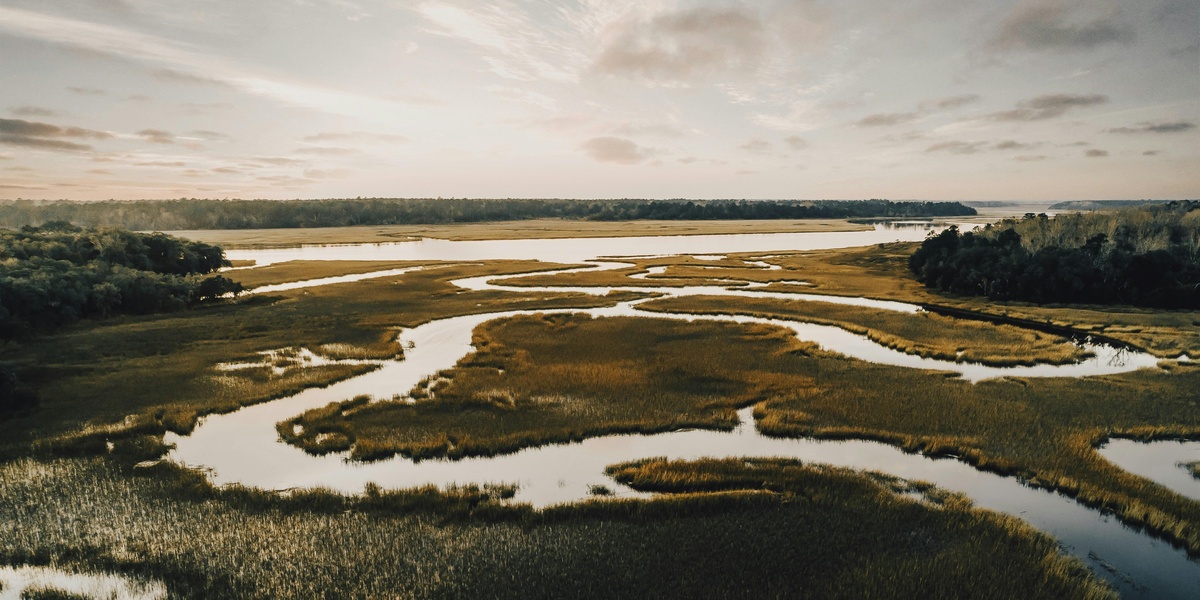
Coastal salt marshes and mangroves cover only a small fraction of the Earth’s surface but can store carbon at rates up to four times those of many terrestrial forests.
Humans have long met salty landscapes head-on — from early coastal grazing and tidal rice plots to fishermen harvesting glasswort and saltbush. Those encounters taught people that certain species simply cope with salt better than others.
Salt-tolerant plants underpin coastal ecosystems, buffer shorelines, and offer options for farming on marginal land. The characteristics of halophytic plants bundle physiological tricks, habitat-level functions, and uses people are now starting to scale. Below I describe eight defining traits, grouped into physiological adaptations, ecological roles, and human applications, with concrete examples, numbers, and practical implications.
Physiological adaptations to salinity
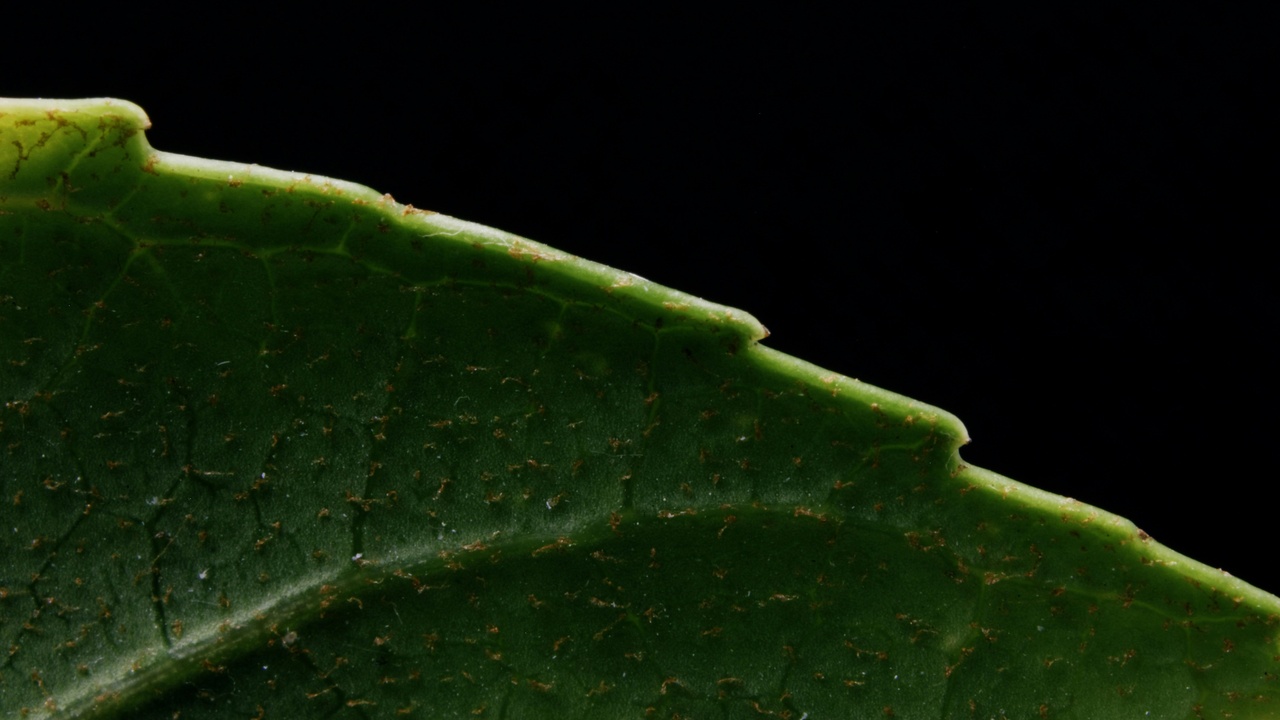
Plants that tolerate seawater or brackish soils do it with three broad strategies: keep salt out at the roots, dilute and store it in tissues, or actively remove it at the leaf surface. These mechanisms — often convergent across very different families — reduce cellular ion damage and help conserve water under strong osmotic stress.
1. Salt exclusion and selective ion transport
Salt exclusion means roots limit toxic Na+ and Cl− from reaching the shoot by physical barriers and membrane transporters that load or exclude ions from the xylem. At the molecular level, membrane antiporters such as SOS1 (plasma membrane Na+/H+ exchanger) and vacuolar NHX transporters shuttle Na+ into vacuoles or back out of the cytoplasm.
Functionally, exclusion lowers shoot Na+ concentrations and preserves photosynthetic tissues. Some mangroves and grasses keep xylem Na+ to only a few millimoles while pore water may be hundreds of millimoles. Certain species tolerate pore-water salinities in the roughly 200–500 mM NaCl range by strong root-level control.
Avicennia (mangrove) roots are a classic example: roots and root membranes limit ion uptake so the leaves see much lower Na+ loads than the surrounding water. Plant breeders and physiologists study these transport systems as templates for making crop varieties better suited to brackish irrigation.
2. Succulence and water storage
Succulence is the build-up of enlarged, water-rich tissues that dilute internal salts and maintain turgor during osmotic stress. Cells expand, vacuolar volume rises, and tissue water content can be markedly higher than in non-succulent relatives — increases of roughly 30–200% have been measured depending on species and conditions.
That dilution strategy keeps cytosolic ion concentrations manageable and buys time during tidal inundation or dry spells. Anatomically you see thicker stems or swollen leaves and larger vacuoles packed with sequestered ions.
Glassworts like Salicornia europaea and many Suaeda species show classic succulence. Their juicy shoots are edible and are the basis for small-scale saline farms where brackish water is used to grow a marketable vegetable crop.
3. Salt secretion and salt bladders
Certain halophytes actively export excess salt through specialized glands or epidermal bladder cells that dump Na+ and Cl− onto the leaf surface. Once on the surface, salts crystallize as water evaporates and can be removed by rain, tides, or wind.
Salt glands differ from vacuolar sequestration in being an outward pathway; they cost energy to run but reduce internal ionic stress. Field measurements sometimes find several grams of salt per square metre on leaf surfaces after evaporation in exposed stands, a visible sign of gland activity.
Atriplex species (saltbush) use bladder cells to accumulate and then shed salts, while Limonium and some grasses possess active salt glands. Those visible crystals are diagnostic and make these plants interesting for engineered phytotechnologies that need predictable ion sinks.
Ecological roles and habitat functions

Though they cover limited area, halophytic communities deliver outsized services: they trap sediment, shelter wildlife, and lock up carbon. The next three points link plant traits to shoreline protection, biodiversity value, and blue carbon storage.
4. Soil stabilization and erosion control
Halophyte root systems and dense aboveground stands blunt wave energy and trap suspended sediments. The combined effect is lowered erosion, more stable shorelines, and vertical accretion of tidal flats.
Monitoring of restored marshes often reports measurable gains in elevation. Site studies report sediment accretion rates from roughly 2 to 15 mm per year depending on tidal range and sediment supply, rates that can keep pace with moderate sea-level rise in favorable settings.
Spartina alterniflora restoration in the US and community mangrove planting in Southeast Asia are practical, low-cost nature-based solutions used by coastal managers. When combined with engineered defenses, vegetation can extend the life and lower the cost of hard infrastructure.
5. Nursery habitats and biodiversity support
Halophyte-dominated zones provide food, shelter, and breeding grounds for fish, birds, and invertebrates. Roots and submerged shoots create habitat complexity that raises juvenile survival and local biodiversity.
Mangrove stands and salt marshes serve as nurseries that boost juvenile fish and crustacean densities multiple-fold compared with barren shorelines. Saltmarshes are also critical stopovers for migratory shorebirds, sometimes hosting dozens of species seasonally.
Those ecological links support commercial fisheries, recreational angling, and birdwatching economies, giving halophyte conservation direct economic as well as biological value.
6. Carbon sequestration and nutrient cycling
Many saline ecosystems are efficient long-term carbon sinks — the “blue carbon” concept — because anoxic soils slow decomposition and lock organic matter in peat or deep soils. That makes coastal halophyte habitats disproportionately valuable for climate mitigation.
Typical sequestration rates reported in reviews range from around 2 to 6 tonnes of carbon per hectare per year, while soil carbon stocks in some mangrove systems exceed 1,000 tonnes C per hectare when deep soils are counted (sources include IPCC and UNEP summaries and peer-reviewed syntheses).
Those numbers underpin emerging carbon-finance mechanisms and restoration funding, but site-level measurement and long-term monitoring remain essential to verify claims and avoid perverse outcomes.
Human uses, cultivation, and technological applications
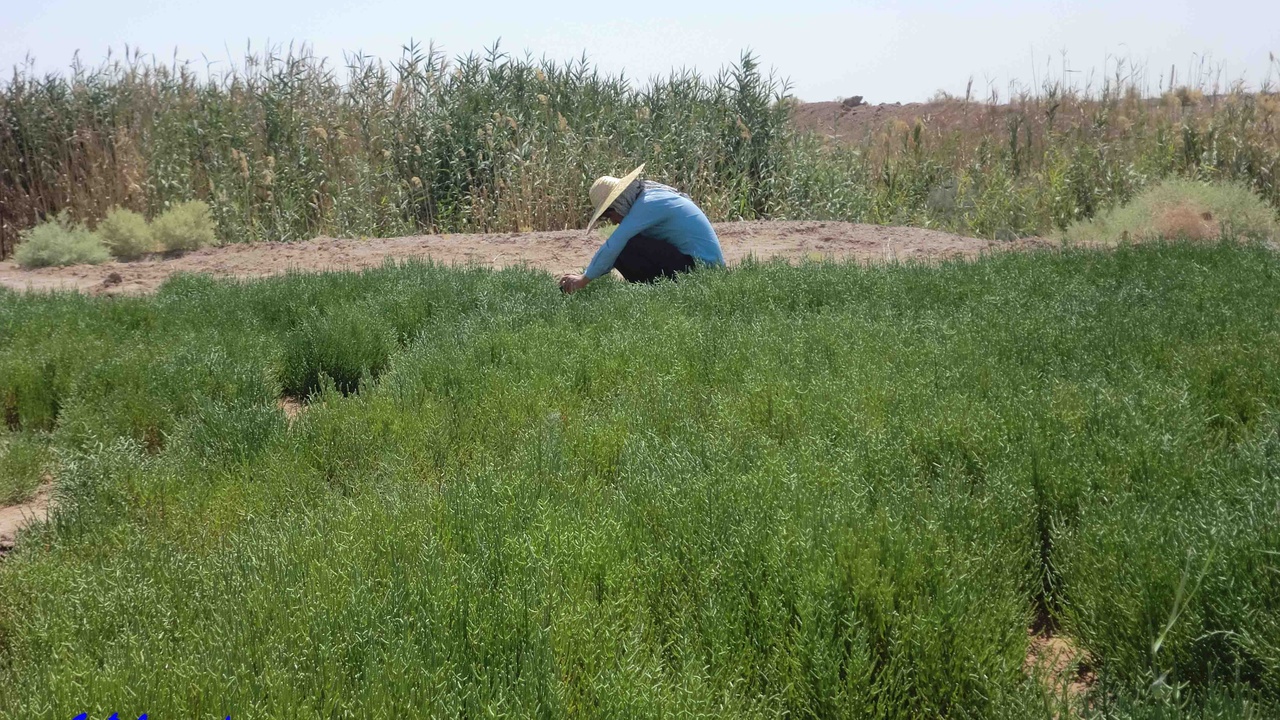
With freshwater limits and expanding saline soils, interest in halophytes for food, fodder, remediation, and bioenergy is rising. The following points link plant traits to practical projects, pilot yields, and the trade-offs of scaling saline agriculture.
7. Halophytes in saline agriculture and as novel crops
Salt-tolerant species are being trialed as alternative crops on marginal lands irrigated with brackish water or even seawater. Trials and small commercial operations show promise for niche products and for using land unsuitable for conventional crops.
Salicornia bigelovii, grown with seawater in pilot sites (notably in Israel and the UAE), has produced seed yields in some trials of about 1–2 tonnes per hectare and oil yields sufficient for specialty uses. Sea asparagus (Salicornia) is already a gourmet vegetable in some markets.
Saltbush (Atriplex) has been tested as forage on saline soils, offering moderate protein forage where nothing else grows. Challenges include domesticating wild species for uniform yields, building irrigation and processing infrastructure, and developing stable markets for novel crops.
8. Phytoremediation, bioenergy, and other technologies
Halophytes can extract salts and certain metals, stabilize contaminated sediments, and provide biomass for energy or materials. Constructed wetlands planted with halophytes treat saline wastewater from aquaculture and brine streams while producing usable biomass.
Pilot systems report annual aboveground yields ranging from roughly 5 to 20 tonnes dry matter per hectare depending on species and management; that biomass can be used for compost, animal bedding, or, with processing, bioenergy feedstock. Studies have explored Salicornia seed oils for biodiesel and Spartina biomass for combustion, though lifecycle and logistics issues remain.
Practically, harvesting logistics, salt-laden residues, and the energy balance of conversion are barriers to large-scale deployment. Still, constructed wetlands and targeted remediation are realistic near-term applications.
Summary
- Shared strategies — exclusion at the root, succulence, and secretion — let salt-tolerant plants survive and reduce cellular salt damage while conserving water.
- These traits translate into big ecosystem services: shorelines stabilized by Spartina and mangrove roots, nursery habitat for fish and birds, and notable blue carbon storage (sequestration often in the 2–6 t C·ha−1·yr−1 range).
- Practical uses include saline agriculture (Salicornia and Atriplex trials), phytoremediation and constructed wetlands, and experimental bioenergy routes — each with measurable pilot yields but real scaling challenges.
- Research and policy gaps remain: rigorous monitoring of carbon and sediments, economic pathways for novel halophytic crops, and technological fixes for harvesting salt-rich biomass.
- Understanding these characteristics of halophytic plants points to tangible next steps: visit a local marsh, support mangrove or saltmarsh restoration, or consult IPCC/UNEP briefs when considering blue carbon projects.