8 Facts About Hummingbird Feeding Habits
In 1898, naturalist John James Audubon popularized close-up studies of small birds, helping turn the public’s attention to the tiny, energetic hummingbirds that seemed to defy biological expectations.
Hummingbird feeding behavior matters because it links pollination, backyard wildlife enjoyment, and conservation: how these birds get energy affects garden design, feeder care, and the plants we protect. This piece lays out eight concrete, evidence-backed facts that explain the mechanisms of feeding (how they drink and catch food), the numbers behind daily fueling, ecological effects like pollination and insect control, and practical human steps for feeders and habitat. I’ll organize the facts into three broad categories so you can find what matters most: diet & energy, foraging behavior & mechanics, and migration & human interactions.
Nectar, Diet, and Energy Needs
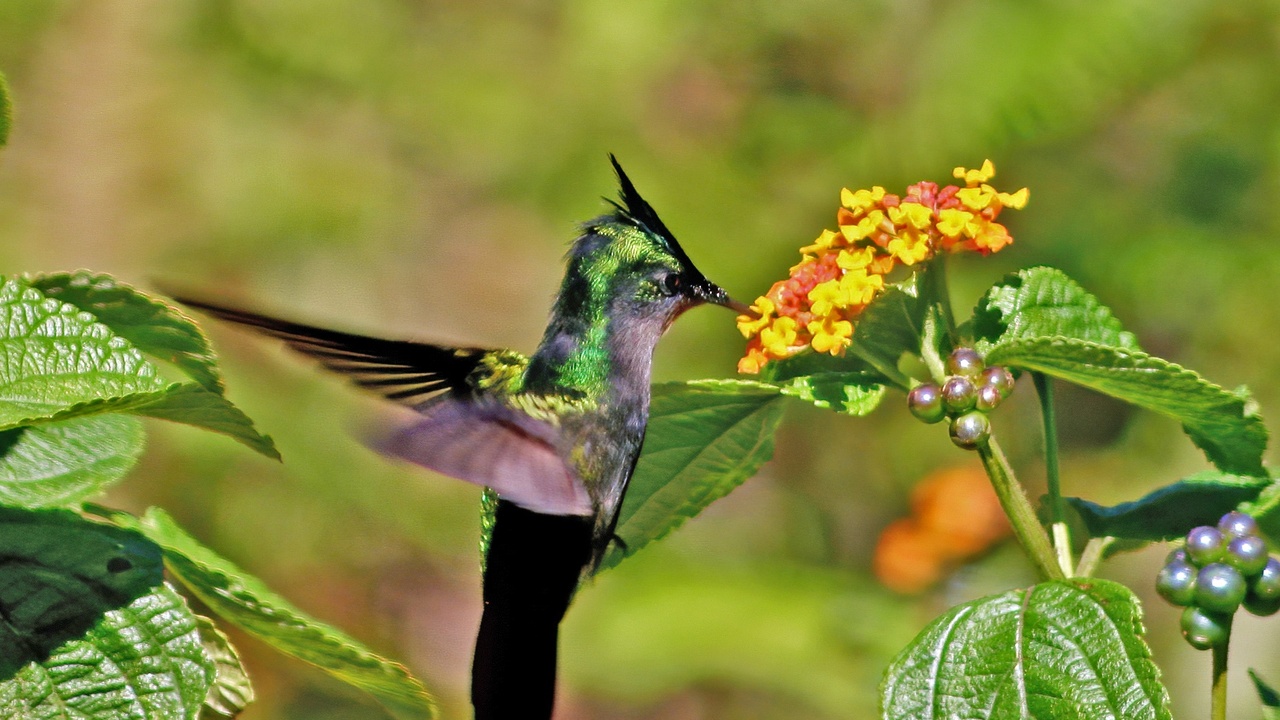
Hummingbirds run on a blend of sugary nectar and tiny arthropods; their extraordinary metabolisms make diet a daily, minute-by-minute concern.
1. High-energy diet: Nectar is the primary fuel
Nectar supplies most of a hummingbird’s immediate flight fuel, and natural flower nectar averages roughly 20%–25% sugar by weight. Backyard feeder guidance from the Cornell Lab of Ornithology and the National Audubon Society recommends a similar concentration — roughly a 1:4 ratio of white cane sugar to water (about a 20% solution).
Because each mouthful is small, individuals may visit hundreds and in some cases up to about 1,000 flowers a day (species and season dependent — ruby-throated hummingbirds are a common example). Practical takeaway: mix feeders at 1 part sugar to 4 parts water, skip red dye, and replace nectar every 3–5 days in warm weather to keep the solution fresh and safe.
2. Protein matters: insects and spiders supplement nectar
Nectar provides carbohydrates but very little protein, so hummingbirds regularly consume small insects and spiders for amino acids, fats, and micronutrients — especially during breeding and molt.
They catch prey two main ways: hawking (sallying out to snatch flying insects) and gleaning (picking tiny arthropods from leaves, bark, or spider webs). Anna’s and rufous hummingbirds are frequently observed gleaning small flies or gleaning from spider silk.
Gardeners can help by planting native flowers that host insect life and by avoiding broad-spectrum pesticides that reduce the tiny prey hummingbirds rely on.
3. Tiny bodies, huge metabolism: why fueling is constant
Most small hummingbirds weigh about 2–4 grams — many species average near 3 grams — yet they have one of the highest mass-specific metabolic rates among vertebrates.
Heart rates during flight can top 1,000–1,200 beats per minute, while resting rates drop considerably (resting rates around 200–300 bpm are commonly reported). To cope with overnight fasting, many temperate species use torpor, a state that sharply lowers metabolic rate and body temperature.
Behaviorally this means frequent daytime feeding (often returning to food sources every 10–15 minutes between active bouts) and a strong need for reliable nectar and insect supplies along migratory routes.
Feeding Behavior and Foraging Strategies
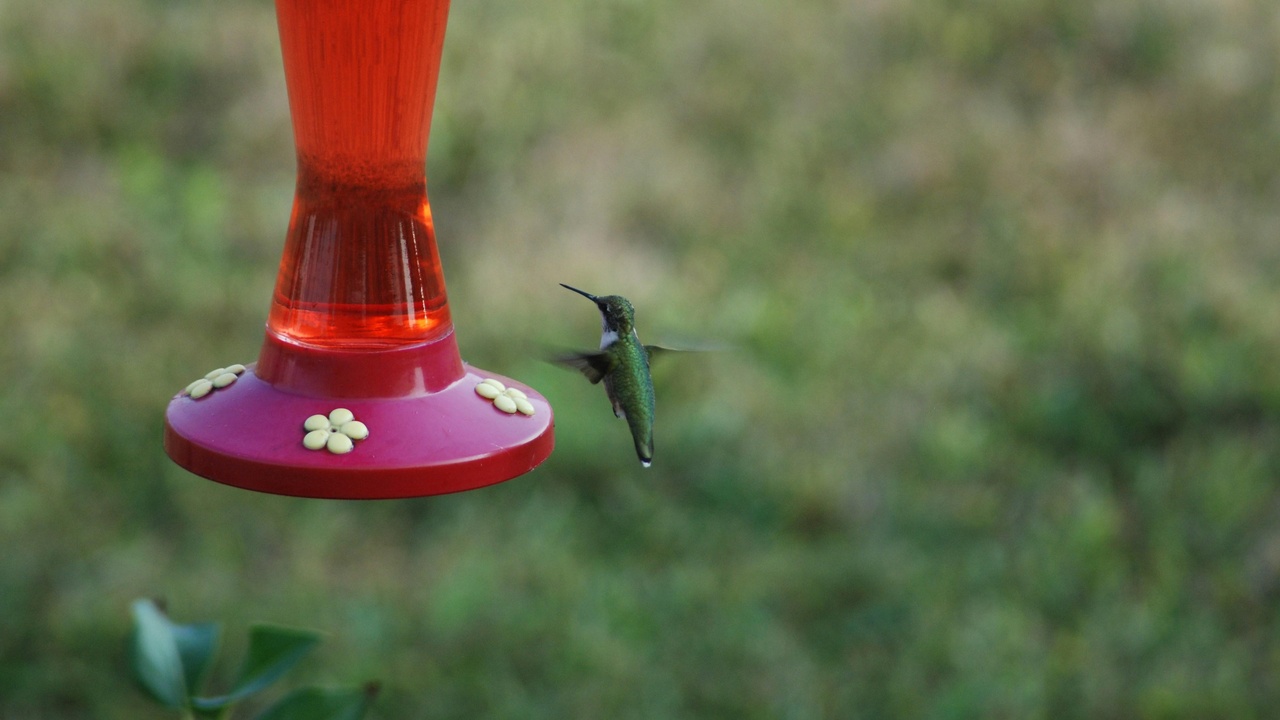
Taken together, these eight facts about hummingbird feeding habits show not only what they eat but how they find and defend it: memory, territoriality, and unique anatomy make their foraging highly efficient.
4. Territoriality: defending a good nectar source
Many species aggressively defend rich nectar patches and feeders. Rufous hummingbirds are famously feisty, and males of ruby-throated and Anna’s will chase intruders from a reliable patch.
For backyard hosts, a single feeder can lead to dominance by one bird. Reduce conflicts by providing multiple feeders and spreading nectar plants: 2–3 feeders spaced 10–20 feet apart helps more birds feed without constant chases.
Planting a variety of native nectar sources also spreads resources and lowers the payoff of aggressive defense.
5. Memory and foraging patterns: remembering rich flowers
Hummingbirds have excellent spatial memory and can remember which flowers they visited and when those blooms will refill, a type of time-place learning shown in controlled studies.
That memory supports traplining — repeatable foraging routes that make them dependable pollinators. Species such as the green hermit show classic traplining behavior in tropical forests.
Garden application: stagger bloom times with early-, mid-, and late-season nectar plants so returning individuals find food across the season.
6. Feeding mechanics: tongue, bill, and capillary action
Hummingbird feeding depends on specialized bills and tongues: the tongue is split into two grooved halves with fringed tips that form tubes to draw nectar via capillary action and rapid licking.
Researchers report lick rates commonly in the range of about 13–20 tongue movements per second depending on species and temperature. Bills often match flower shape — long, curved bills for tubular blooms — a coevolutionary pattern seen in many hummingbird–flower pairs.
For gardeners, choosing tubular flowers like trumpet honeysuckle or bee balm helps long-billed species access nectar efficiently.
Migration, Human Interaction, and Conservation
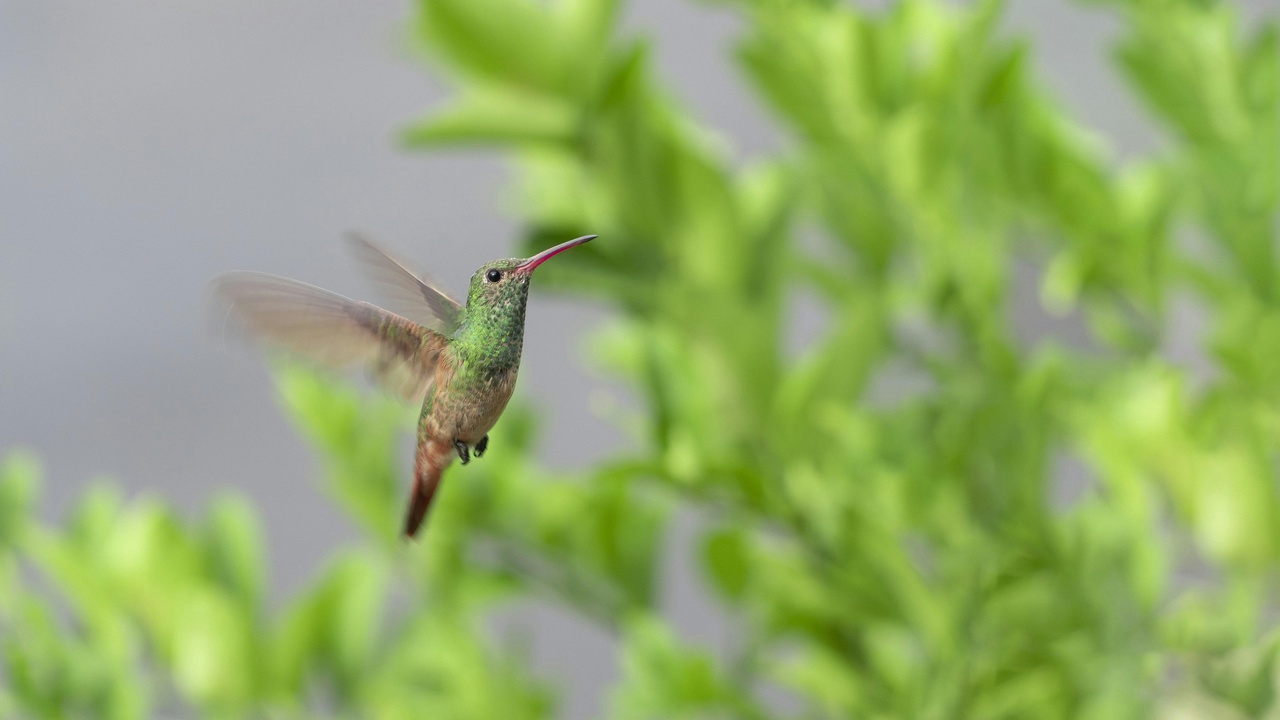
Seasonal life-history strategies and human behavior shape where and when hummingbirds find fuel; feeders can help but they don’t replace intact habitat.
7. Migration fueling: building fat and planning stopovers
Many hummingbirds undertake long migrations and must accumulate fat by increasing nectar intake before departure. The ruby-throated hummingbird famously makes roughly a 500-mile nonstop crossing of the Gulf of Mexico.
Rufous hummingbirds travel over 2,000 miles annually between breeding and wintering grounds. Successful migration depends on stopover sites rich in flowers and insects; timing of bloom affects whether birds find enough fuel.
Citizen-science programs like eBird help track migration timing and highlight important refueling locations for conservation planning.
8. Feeders, disease, and conservation best practices
Feeders are a popular way to enjoy hummingbirds and to supplement migrants, but they carry responsibilities to reduce disease risk and not to displace native plants.
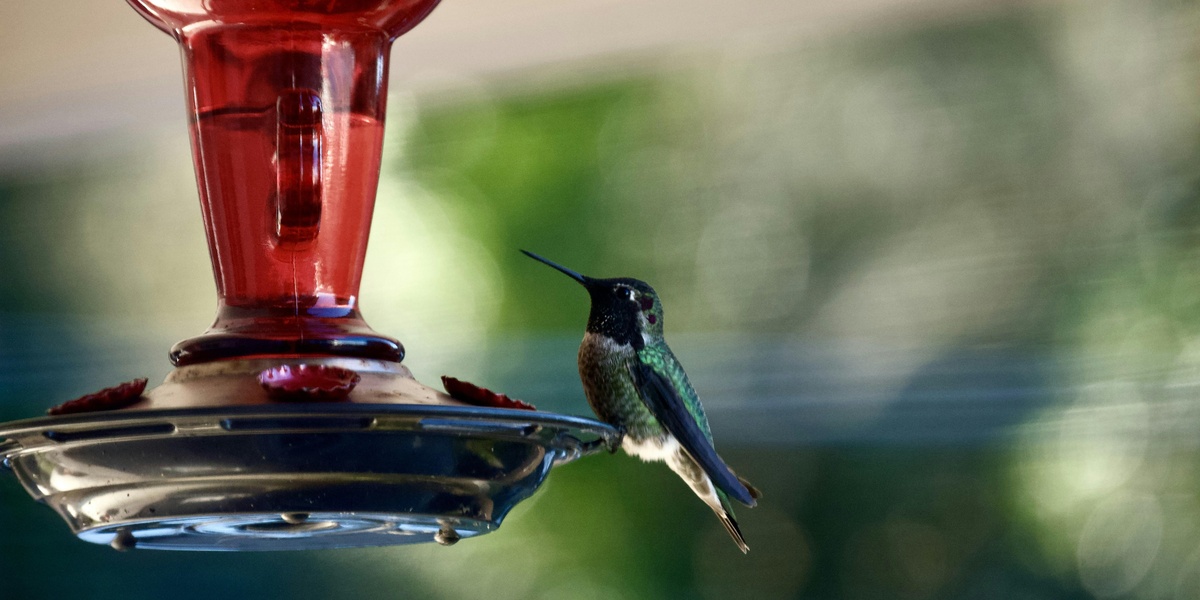
Best practices from the National Audubon Society and the Cornell Lab of Ornithology include: make a 1:4 white sugar-to-water solution (~20% sugar), never use red dye, change nectar every 3–5 days in warm weather (sooner above about 80°F), and wash feeders thoroughly with hot water and a bottle brush between refills (avoid bleach unless you rinse very well).
Regular cleaning cuts down on fungal growth and pathogen spread. Remember that feeders supplement — they don’t replace — native habitat, so plant nectar-rich native species like trumpet vine, bee balm (Monarda), and columbine to provide diverse resources year-round.
Summary
- Tiny size, massive demand: many hummingbirds weigh ~2–4 grams yet need near-constant feeding; nectar supplies fast carbohydrates and insects provide protein.
- Feeding mechanics and behavior matter: tongues act like capillary tubes (lick rates ≈13–20/s), birds remember flower refill times and often defend rich patches.
- Migration and conservation: species like the ruby-throated cross the Gulf (~500 miles) and rufous populations travel >2,000 miles; stopover flowers and feeders help if managed responsibly.
- Quick actions you can take: follow the 1:4 feeder recipe and cleaning schedule, avoid red dye and pesticides, plant native tubular and staggered-bloom species, and report sightings to eBird or support local Audubon chapters.