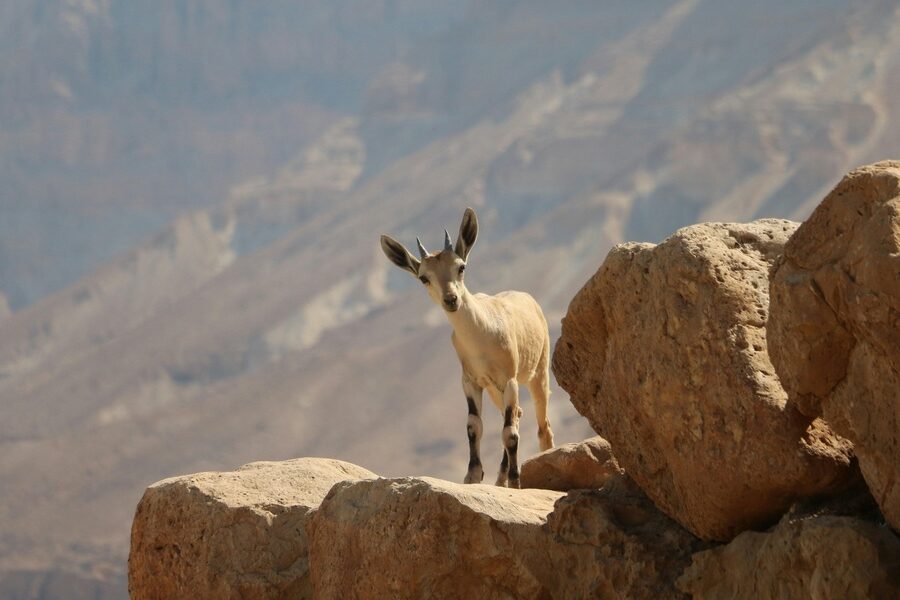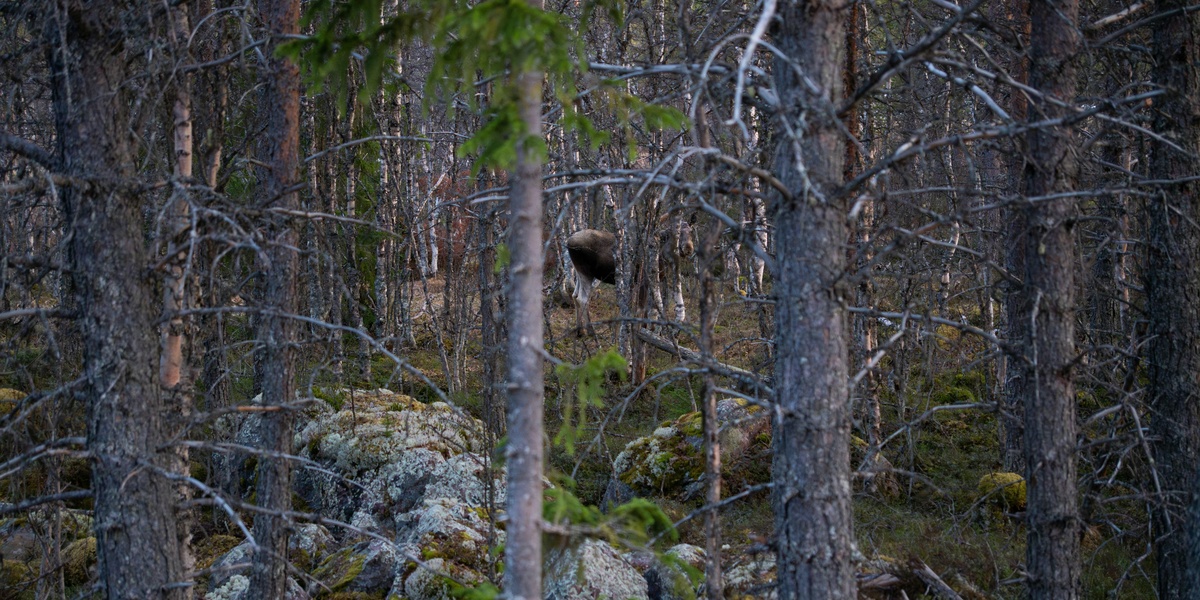
The boreal zone stretches across the northern latitudes as a band of coniferous forest, wetlands and tundra edges where winters are long and summers brief. Life here is shaped by cold, seasonal rhythms and a tight web of plants and animals adapted to those limits.
There are 33 boreal forest herbivores, ranging from Bank Vole to Wood Lemming. Data are organized as: Scientific name,Range / primary regions,Typical weight (kg),Primary diet — you’ll find below.
How do these herbivores influence boreal forest ecosystems?
Herbivores shape vegetation structure and nutrient cycling by selective feeding, seed dispersal, and creating browsing pressure that affects tree regeneration; small mammals like the Bank Vole and Wood Lemming can drive local plant community changes and support predators, so their abundance has cascading effects.
What are practical tips for identifying common boreal forest herbivores in the field?
Look for size, gait and feeding signs (bark stripping, clipped stems, grazed moss), habitat and seasonal activity; use tracks and droppings, compare to regional field guides or photos, and carry binoculars—early morning and dusk are often best for sightings.
Boreal Forest Herbivores
| Common name | Scientific name | Range / primary regions | Typical weight (kg) | Primary diet |
|---|---|---|---|---|
| Moose | Alces alces | Circumboreal (North America, Eurasia) | 300-700 | Aquatic plants, willow, birch, and aspen shoots. |
| Caribou / Reindeer | Rangifer tarandus | Circumboreal (North America, Eurasia) | 90-210 | Lichens (reindeer moss), sedges, grasses, and leaves. |
| Elk / Wapiti | Cervus canadensis | North America, East Asia | 230-450 | Grasses, forbs, and browse from shrubs and trees. |
| White-tailed Deer | Odocoileus virginianus | North America | 50-130 | Twigs, buds, leaves, and forbs. |
| Wood Bison | Bison bison athabascae | Northwestern North America | 400-900 | Sedges, grasses, and willow leaves. |
| Mule Deer | Odocoileus hemionus | Western North America | 55-150 | Shrubs, leaves, twigs, and grasses. |
| Roe Deer | Capreolus capreolus | Eurasia | 15-35 | Buds, leaves, and young shoots from trees and shrubs. |
| Siberian Musk Deer | Moschus moschiferus | Taiga of Siberia and East Asia | 7-17 | Lichens, mosses, and leaves. |
| Snowshoe Hare | Lepus americanus | North America | 1.2-2 | Twigs, bark, and buds in winter; grasses and forbs in summer. |
| Mountain Hare | Lepus timidus | Northern Eurasia | 2-4 | Heather, twigs, and bark in winter; grasses and forbs in summer. |
| North American Beaver | Castor canadensis | North America | 15-35 | Bark, cambium, and leaves of aspen, willow, and birch. |
| Eurasian Beaver | Castor fiber | Eurasia | 15-30 | Bark, leaves, and aquatic plants. |
| North American Porcupine | Erethizon dorsatum | North America | 5-14 | Tree bark, twigs, buds, and conifer needles. |
| Muskrat | Ondatra zibethicus | North America (introduced to Eurasia) | 0.7-1.8 | Cattails, water lilies, and other aquatic vegetation. |
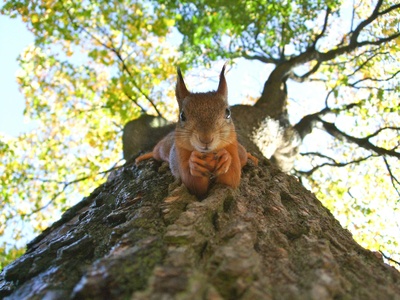
| Red Squirrel | Tamiasciurus hudsonicus | North America | 0.2-0.25 | Conifer seeds, fungi, nuts, and buds. |
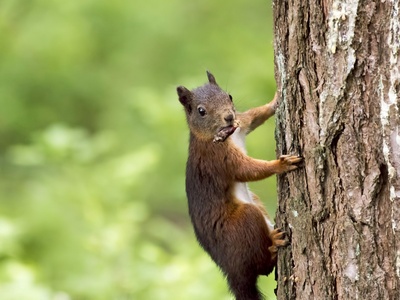
| Eurasian Red Squirrel | Sciurus vulgaris | Eurasia | 0.25-0.35 | Conifer seeds, nuts, fungi, and tree sap. |
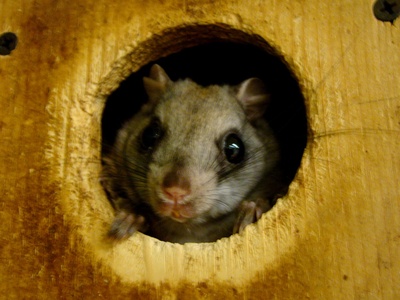
| Northern Flying Squirrel | Glaucomys sabrinus | North America | 0.1-0.18 | Fungi, lichens, nuts, and buds. |
| Siberian Flying Squirrel | Pteromys volans | Northern Eurasia (Finland to Siberia) | 0.09-0.17 | Catkins, buds, young leaves, and berries. |
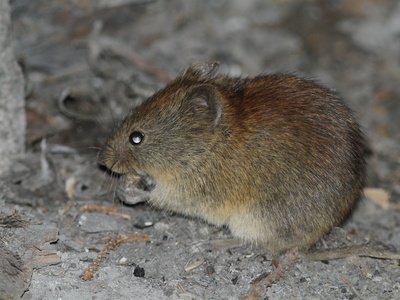
| Northern Red-backed Vole | Myodes rutilus | Circumboreal (North America, Eurasia) | 0.02-0.04 | Berries, seeds, fungi, and green vegetation. |
| Bank Vole | Myodes glareolus | Europe and Western Asia | 0.015-0.04 | Seeds, berries, roots, and green vegetation. |
| Wood Lemming | Myopus schisticolor | Northern Eurasia | 0.02-0.045 | Mosses (especially feather mosses and sphagnum). |
| Northern Bog Lemming | Synaptomys borealis | North America | 0.02-0.04 | Sedges, grasses, and mosses. |
| Spruce Grouse | Falcipennis canadensis | North America | 0.45-0.65 | Conifer needles (especially spruce and pine), buds, and berries. |
| Ruffed Grouse | Bonasa umbellus | North America | 0.45-0.75 | Buds, twigs, catkins, leaves, and fruits. |
| Willow Ptarmigan | Lagopus lagopus | Circumboreal | 0.4-0.7 | Willow buds, twigs, and leaves. |
| Western Capercaillie | Tetrao urogallus | Eurasia | 2.5-6.5 | Pine needles, buds, berries, and leaves. |
| Hazel Grouse | Tetrastes bonasia | Eurasia | 0.3-0.5 | Catkins, buds, seeds, and berries. |
| Black Grouse | Lyrurus tetrix | Eurasia | 0.7-1.8 | Birch buds, catkins, pine needles, and berries. |
| Sharp-tailed Grouse | Tympanuchus phasianellus | North America | 0.6-1 | Buds, catkins, seeds, and berries. |
| Pine Grosbeak | Pinicola enucleator | Circumboreal | 0.05-0.07 | Buds, seeds, and fruits (especially mountain ash berries). |
| White-winged Crossbill | Loxia leucoptera | Circumboreal | 0.025-0.04 | Conifer seeds, particularly from spruce and tamarack cones. |
| Red Crossbill | Loxia curvirostra | Circumboreal | 0.028-0.05 | Conifer seeds, especially from pines and spruces. |
| Common Redpoll | Acanthis flammea | Circumboreal | 0.01-0.02 | Small seeds, especially from birch and alder trees. |
Images and Descriptions
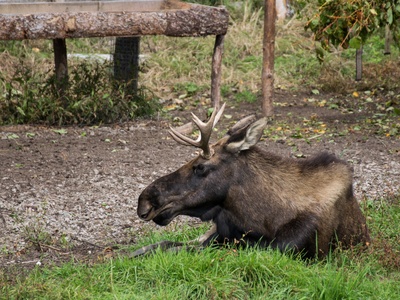
Moose
The world’s largest deer species, a keystone herbivore of the boreal forest. Its long legs are adapted for deep snow and wetlands, and males are known for their massive palmate antlers.
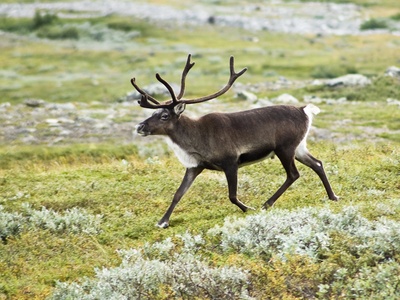
Caribou / Reindeer
Famous for its vast migrations, this is the only deer species where both males and females grow antlers. It is a crucial species for both tundra and boreal forest ecosystems.
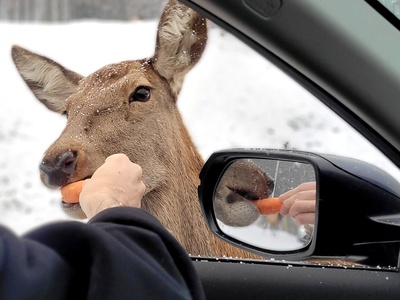
Elk / Wapiti
A large, social deer species inhabiting forests and edge habitats. Males are known for their loud, high-pitched bugling calls during the autumn mating season.
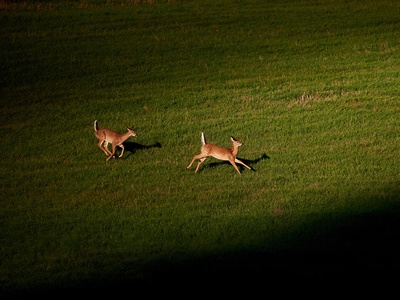
White-tailed Deer
An incredibly adaptable browser that is expanding its range northward into boreal regions. It is easily identified by the white underside of its tail, which it flashes as a warning.
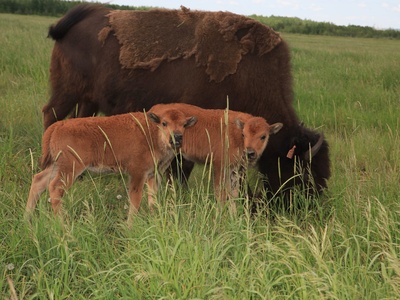
Wood Bison
The larger, darker subspecies of American bison adapted to northern parklands and boreal forests. This massive grazer plays a key role in shaping meadow and forest-edge habitats.
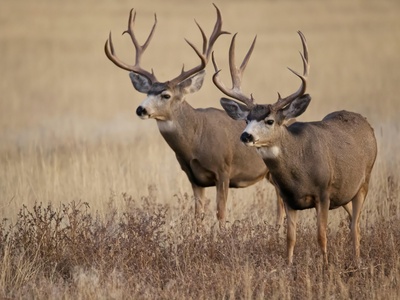
Mule Deer
Identified by its large, mule-like ears and black-tipped tail. It is well-adapted to rugged terrain and inhabits the western edges of the North American boreal forest.
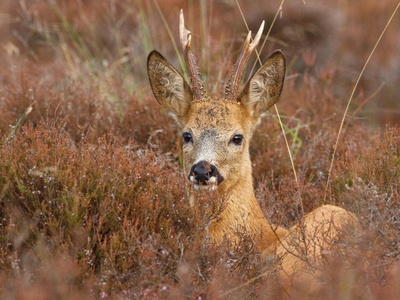
Roe Deer
A small, graceful deer common in European and Siberian boreal and mixed forests. It is known for its distinctive barking call when alarmed and its ability to thrive near human settlements.
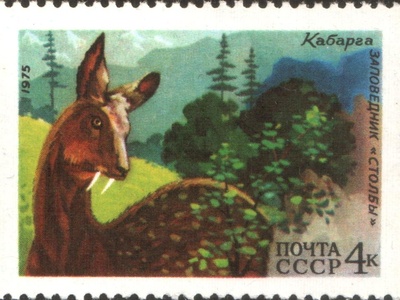
Siberian Musk Deer
A small, primitive deer-like animal lacking antlers but possessing long, tusk-like canine teeth in males. It is a solitary and elusive inhabitant of dense mountain taiga.
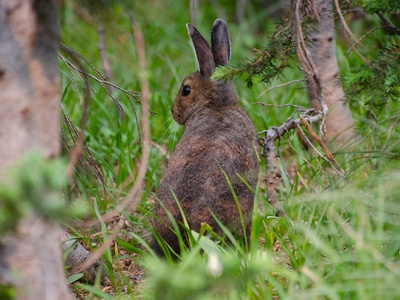
Snowshoe Hare
Famous for its large, snowshoe-like hind feet and its coat, which turns from brown in summer to white in winter for camouflage. Its population cycles famously influence predator numbers.
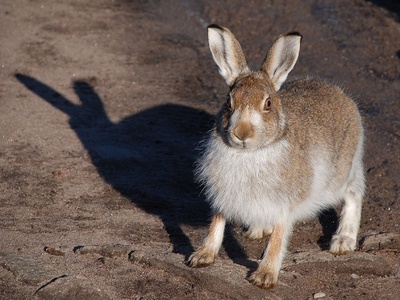
Mountain Hare
The Eurasian counterpart to the snowshoe hare, also changing its coat color seasonally from brown to white. It is well-adapted to cold, snowy environments across boreal forests and mountains.
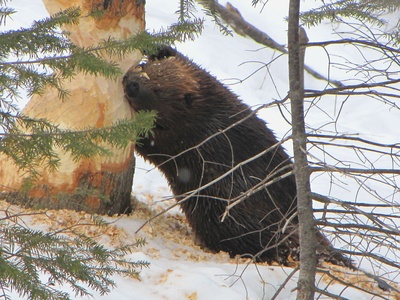
North American Beaver
A keystone ecosystem engineer, famous for building dams and lodges that create valuable wetland habitats for numerous other species. Its activity profoundly alters the boreal landscape.
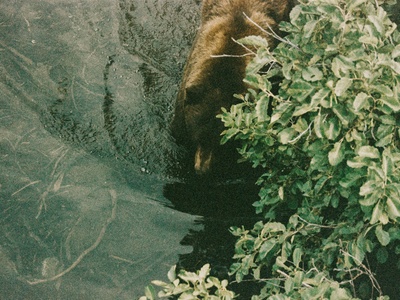
Eurasian Beaver
Similar to its North American cousin, this species was hunted to near extinction but is now recovering through reintroduction programs. It is a critical agent of wetland creation in Eurasia.
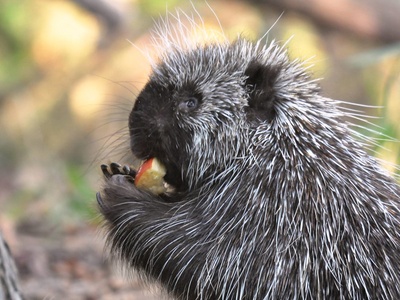
North American Porcupine
A large, slow-moving rodent covered in around 30,000 sharp quills for defense. It spends much of its time in trees, feeding on the inner bark (cambium) during winter.
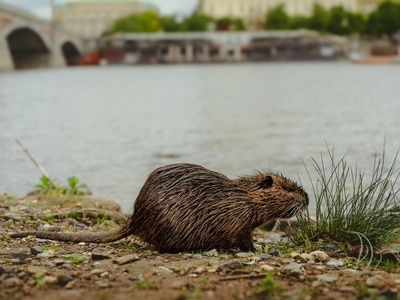
Muskrat
A semi-aquatic rodent that builds dome-shaped lodges in marshes and ponds. Valued for its thick, waterproof fur, it is an important part of boreal wetland ecosystems.
Red Squirrel
A highly energetic and fiercely territorial squirrel known for creating large stockpiles of cones, called middens, to survive the long boreal winter. Its chattering calls are a common forest sound.
Eurasian Red Squirrel
Recognized by its prominent ear tufts (especially in winter) and bushy tail. This agile climber is a key seed disperser in Eurasian boreal and mixed forests.
Northern Flying Squirrel
A nocturnal rodent that glides between trees using a furry membrane. It doesn’t truly fly but can travel long distances. It plays a key role in dispersing fungal spores beneficial to trees.

Siberian Flying Squirrel
A nocturnal glider with huge, dark eyes, characteristic of old-growth mixed forests. It is an indicator of healthy, mature boreal ecosystems with plenty of hollow trees for nesting.
Northern Red-backed Vole
A common small rodent of the boreal forest floor, distinguished by a reddish-brown stripe down its back. It is a vital prey item for many predators, from weasels to owls.
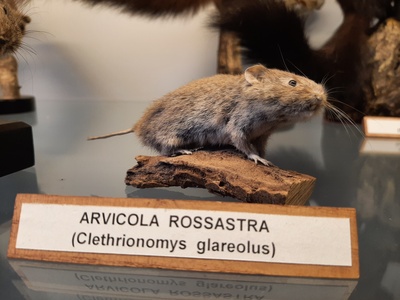
Bank Vole
A very common vole in European boreal and mixed forests. It is an agile climber and an important food source for a wide range of predators, supporting the forest food web.
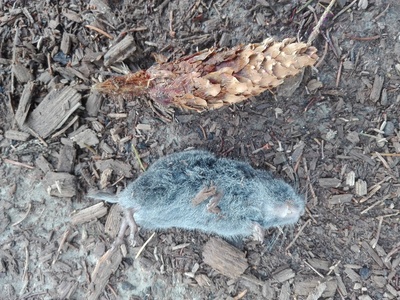
Wood Lemming
A unique small rodent with a diet consisting almost entirely of mosses. It has a skewed sex ratio with a high proportion of females and is an important prey species in its habitat.
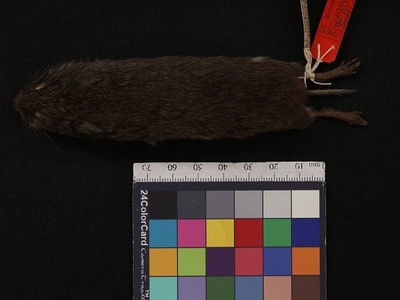
Northern Bog Lemming
A small, secretive rodent inhabiting sphagnum bogs and wet meadows within the boreal forest. It creates distinctive runways through vegetation and is rarely seen.
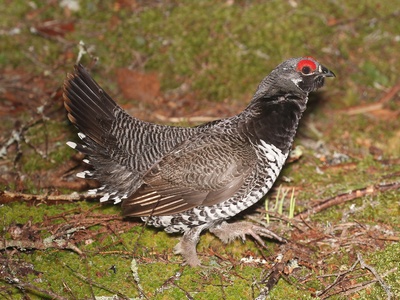
Spruce Grouse
A highly camouflaged and often tame bird of dense coniferous forests. Its specialized diet of conifer needles allows it to thrive year-round in the challenging boreal zone.
Ruffed Grouse
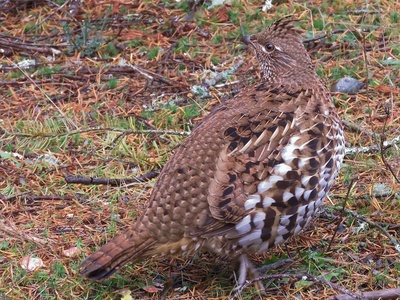
Known for the male’s percussive “drumming” display, created by beating his wings rapidly. It inhabits mixed-wood boreal forests and is a master of camouflage.
Willow Ptarmigan
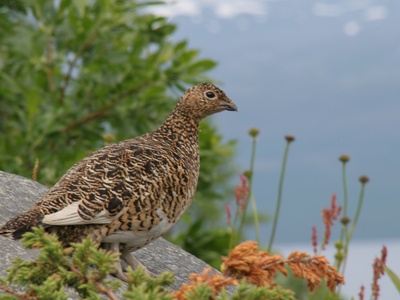
This hardy bird undergoes a dramatic seasonal color change, from mottled brown in summer to pure white in winter, providing excellent camouflage in snowy landscapes.
Western Capercaillie
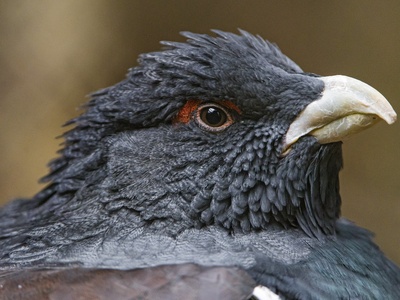
The world’s largest grouse species, famous for the male’s spectacular lekking display in mature coniferous forests. Its presence is an indicator of healthy old-growth taiga.
Hazel Grouse
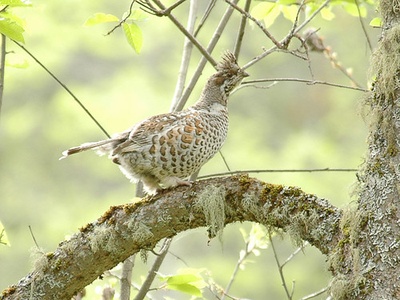
A small, secretive grouse of dense mixed or coniferous forests. It is monogamous, which is unusual for grouse, and communicates with a series of high-pitched whistles.
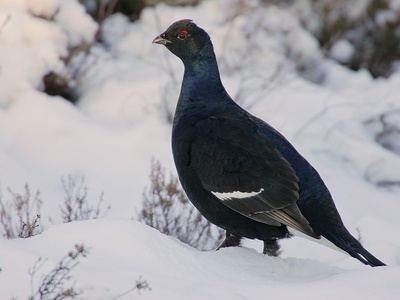
Black Grouse
Known for its spectacular communal courtship displays on leks at dawn. It inhabits the transition zone between boreal forest and open moorland, bogs, or clearings.
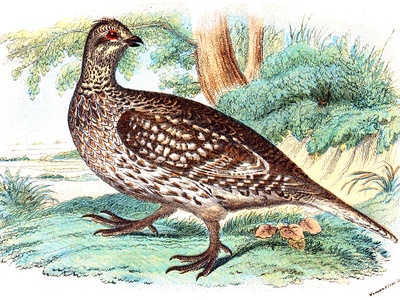
Sharp-tailed Grouse
A chicken-like bird of open boreal parklands and scrub. Males gather on communal dancing grounds called leks to perform elaborate, synchronized courtship displays.
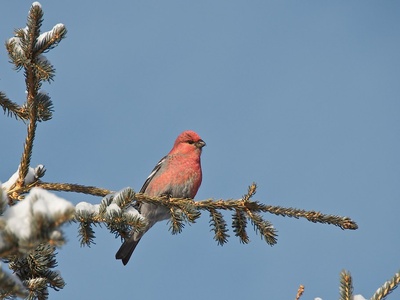
Pine Grosbeak
A large, slow-moving finch of the boreal forest, often described as tame or sluggish. Males are a striking rosy-red, while females are a duller olive-yellow.
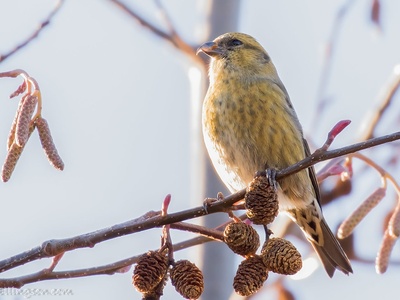
White-winged Crossbill
Named for its unique crossed bill tips, a specialized tool for prying open cone scales to extract seeds. Its movements are nomadic, tracking cone crop abundance across the taiga.
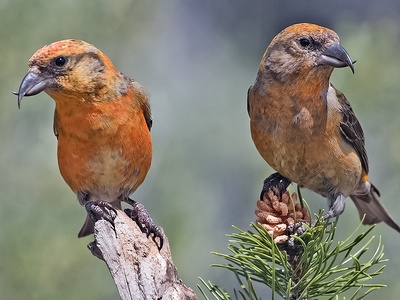
Red Crossbill
A nomadic finch whose bill shape varies among populations, each adapted to a specific type of conifer cone. It is a true specialist of the conifer-dominated boreal forest.
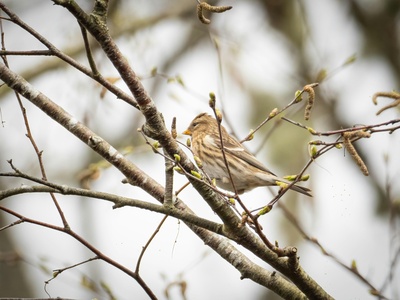
Common Redpoll
A small, streaky finch with a red cap, often forming large, active flocks in winter. It can survive extreme cold by burrowing into the snow for insulation.