In 1893, the explorer Sir Richard Burton described life around Sahara oases with an unexpected appreciation for the animals that survive there.
Those species have evolved remarkable traits that let them endure scorching days, bone-dry spells, and shifting sands. Desert wildlife matters not just because it’s fascinating — these creatures keep soils fertile, control pests, and even contribute to medicine and local livelihoods.
These ten species illustrate adaptations, ecological roles, and human connections: each account below gives clear facts, a real-world angle, and one surprising number to remember. Read on to meet ten notable desert inhabitants and learn why protecting them benefits people and place alike.
Extraordinary adaptations
Adaptation in arid environments means surviving heat, scarce water, and abrasive sand. Morphological traits (large ears, reflective hair) and physiological strategies (concentrated urine, metabolic water) let animals persist where daily temperature swings can exceed 30–40 °C.
These strategies also inspire human designs — from passive cooling panels to heat-reflective materials — so the natural engineers of deserts have lessons beyond biology (see National Geographic and IUCN for species notes).
1. Fennec Fox (Vulpes zerda)
The fennec fox is famous for its oversized ears, a dual tool for cooling and pinpointing prey under sand.
Those ears can reach about 15 cm (6 inches) and act as radiators, shedding body heat while giving an acute sense of sound for locating insects and rodents at night. Fennecs are nocturnal hunters across the Sahara and Arabian margins and use burrows to escape daytime heat.
Beyond natural history, engineers have studied ear-based passive cooling as a low-energy way to move heat in small devices and shelters (see profiles at National Geographic and museum pages).
Range: Sahara and Sinai deserts; conservation: currently listed as Least Concern by many sources but threatened locally by habitat loss and the pet trade.
2. Kangaroo Rat (Dipodomys spp.)
Kangaroo rats survive with almost no free water by relying on metabolic water and highly efficient kidneys.
Some species — including the banner-tailed kangaroo rat — are famous for completing life cycles without drinking liquid water, extracting moisture from seeds and producing urine so concentrated it minimizes water loss. Typical body mass ranges from about 30 to 70 g depending on species.
Behavior helps too: powerful hind legs allow rapid saltatory leaps to dodge predators, and deep burrows cut daytime heat and reduce evaporative loss. Physiologists study these rodents to inform drought-resilient crop strategies and medical understanding of renal concentration mechanisms.
Habitat: North American deserts; consult university research collections and desert museums for species-level details and conservation notes.
3. Sahara Silver Ant (Cataglyphis bombycina)
The Sahara silver ant is one of the few animals active during the hottest hours, timing short, frenzied foraging runs when most predators shelter.
These ants forage in brief bursts when surface temperatures exceed 50 °C, using dense, reflective hairs to lower heat gain and specialized gaits to minimize time in contact with hot sand. That combination buys them a tiny window to scavenge carcasses in open dunes.
Researchers (including teams reported in Smithsonian and peer-reviewed journals) have drawn on the ant’s reflective microstructures to design heat-managing materials and algorithms for rapid traversal of hot, granular surfaces.
Water and energy strategies
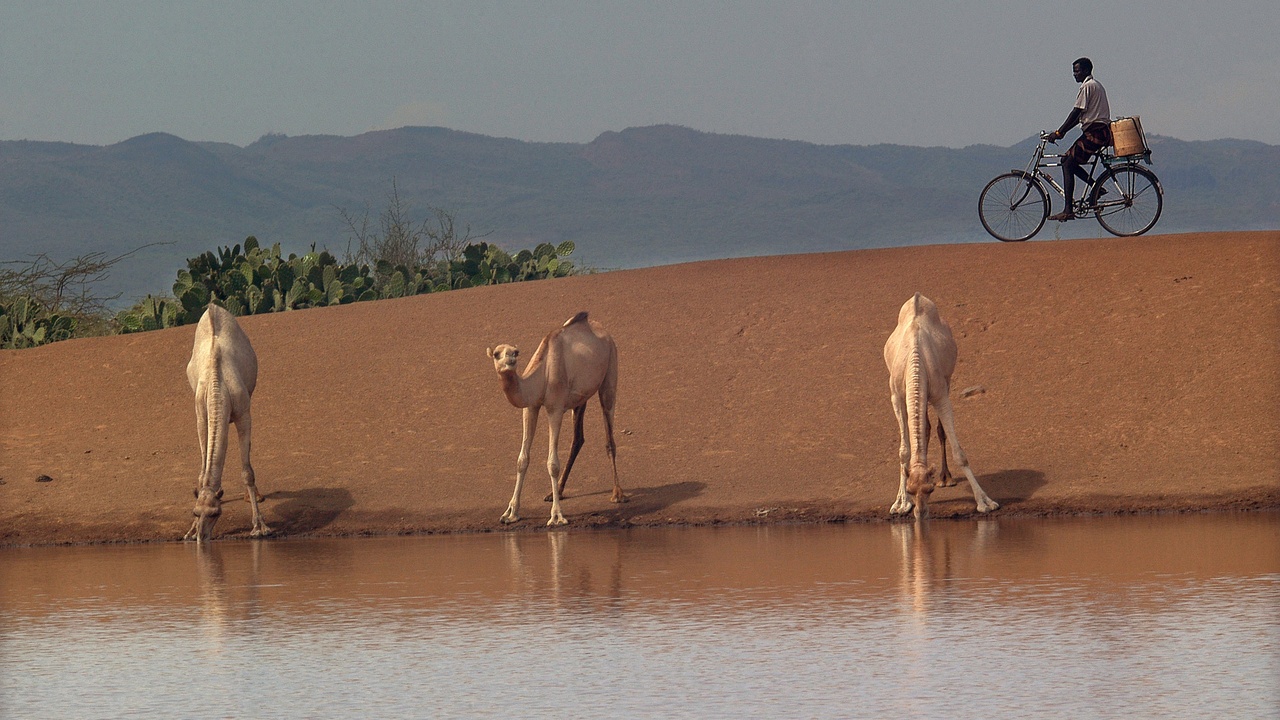
Some desert animals manage scarce water and limited energy through behavior, physiology, and clever body design. A striking capacity: a camel can rehydrate very rapidly after a long fast, commonly cited at up to about 150 liters in a single session (figures vary by study).
Strategies include burrowing, nocturnal activity, fat storage, and highly concentrated urine; investigators use National Geographic, IUCN, and regional desert research centers for reliable stats on these traits.
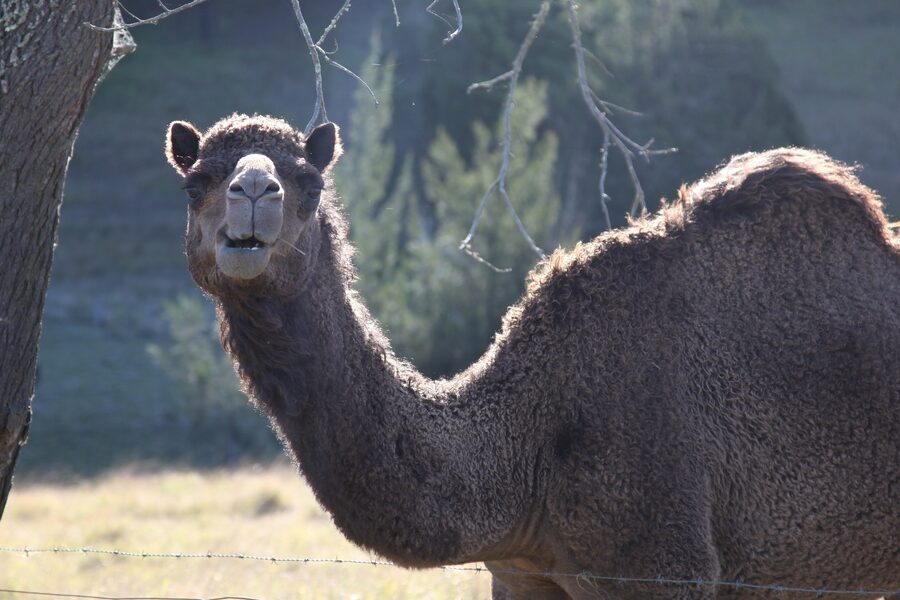
4. Dromedary Camel (Camelus dromedarius)
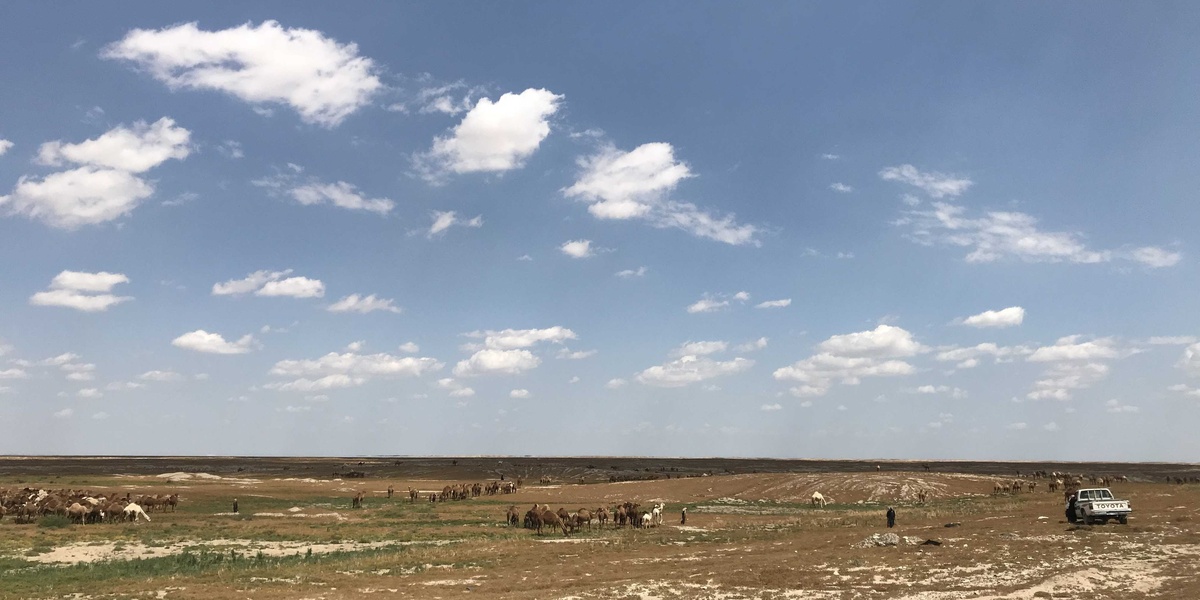
The dromedary camel is the archetypal desert transporter, adapted for long dry spells and heavy work in human landscapes.
Camels can rehydrate quickly after dehydration — commonly reported figures put single-session intakes near 40 gallons (≈150 liters), though estimates vary by condition and study. Their single hump stores fat (not water) that can be metabolized for energy and a small amount of metabolic water.
Physiologically camels tolerate wider body-temperature swings and concentrated urine to reduce water loss. Domestication has made them central to transport, milk production, and tourism across North Africa and the Middle East, supporting livelihoods and regional economies.
For cultural and dairy uses, see accounts from regional agricultural extensions and ethnographic studies documenting camel milk markets and caravan roles.
5. Desert Tortoise (Gopherus agassizii)
Desert tortoises survive long dry seasons through a slow life history and extensive burrowing that moderates temperature and humidity.
These tortoises commonly live several decades in the wild — often 50–80 years — and soak in seasonal rains, storing water in bladder tissues for use during dry spells. Their burrows create microhabitats used by rodents, reptiles, and invertebrates.
Because tortoise burrows buffer extreme conditions, the species acts as an ecosystem engineer. Conservation concerns include habitat fragmentation, disease, and road mortality; consult the U.S. Fish and Wildlife Service and IUCN for population trends and recovery plans.
6. Sidewinder Rattlesnake (Crotalus cerastes)
Sidewinders are masters of moving across loose sand, using a distinctive lateral-moving gait that cuts contact with hot ground.
Sidewinding reduces the amount of the body touching sand at any moment, lowering heat transfer and letting the snake cross surfaces that would overheat a crawling animal. They typically occupy small home ranges and use ambush tactics against rodents and lizards.
Engineers in robotics have modeled sidewinding to design machines that travel efficiently over granular media (see work by university robotics labs studying locomotion on sand).
Predators and ecological roles

Predators and social species structure arid food webs, controlling herbivore and insect numbers and creating opportunities for other organisms. Their presence can cascade through ecosystems, affecting plant growth, soil turnover, and even local microclimates.
Understanding these roles matters: removing a top predator or key engineer often reshapes communities in ways people notice downstream.
7. Scorpion (e.g., Arizona Bark Scorpion, Centruroides sculpturatus)
Scorpions are resilient nocturnal predators and a familiar part of many desert faunas.
They hunt at night for insects and small vertebrates, and some species live several years in the wild. The Arizona bark scorpion is medically notable in the southwestern U.S.; while most stings are not fatal, toxinology resources and state health departments provide incidence and treatment data.
Scorpion venom is also a promising source of biomedical compounds: peptide components are being investigated for pain management and antimicrobial leads, demonstrating how ecological knowledge feeds medical research.
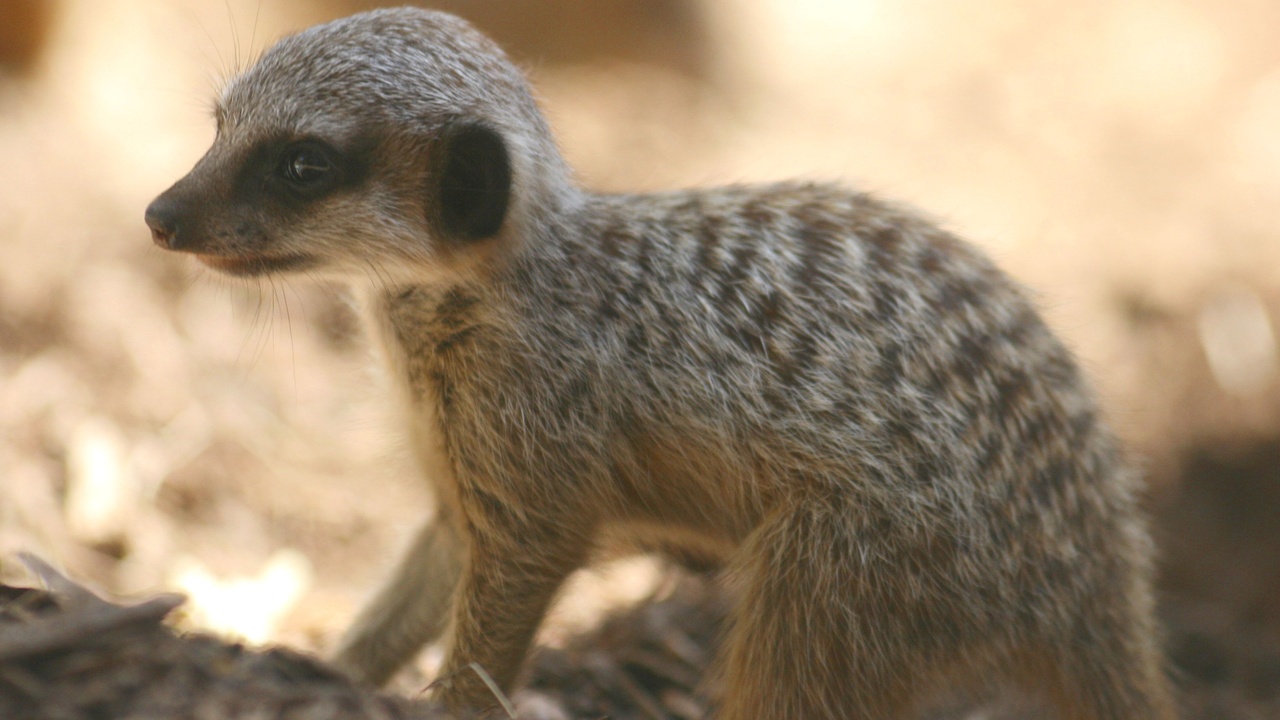
8. Meerkat (Suricata suricatta)
Meerkats are tightly social mammals from African arid zones that rely on cooperation to survive sharp environmental pressures.
Groups commonly number 10–30 individuals and use sentinel systems: one or more stand guard while others forage, reducing predation risk. Cooperative breeding and communal rearing are well documented at long-term field sites such as the Kalahari Meerkat Project.
Ecologically meerkats control invertebrate populations and transform soil through digging, affecting seedling establishment and microtopography in their neighborhoods.
9. Greater Roadrunner (Geococcyx californianus)
The Greater Roadrunner is a fast, opportunistic ground predator of the American Southwest and northern Mexico.
Roadrunners can reach speeds near 20 mph (≈32 km/h) when pursuing prey and take a mixed diet of insects, small reptiles, rodents, and scorpions. They help regulate populations of snakes and lizards and have strong cultural resonance in regional folklore and modern media.
For range maps and conservation status see groups such as Audubon or the Cornell Lab of Ornithology.
Unique chemistry and human connections

Certain desert species intersect directly with human health, culture, and science: venoms have yielded approved drugs, while iconic animals shape tourism and identity. Preserving biodiversity preserves future discoveries and cultural traditions.
Below is one clear biomedical example where an arid-adapted species contributed to modern medicine.
10. Gila Monster (Heloderma suspectum)
The Gila monster is one of the few venomous lizards and has a direct link to treatments for human disease.
Researchers isolated a peptide from Gila monster saliva that became the basis for exenatide, a drug approved in 1998 (marketed as Byetta) for type 2 diabetes; later extended-release formulations followed. That concrete medical outcome highlights the practical value of conserving unusual species.
Gila monsters store fat, endure seasonal droughts, and are slow-moving ambush feeders in the southwestern U.S. and northern Mexico. Their medicinal connection underscores conservation tensions: habitat loss and collection pressure threaten access to potential future compounds (see FDA and pharmacology literature for regulatory history).
Summary
Adaptations, ecological roles, and human connections weave together across arid systems: morphological and physiological tricks let species survive extremes; predators and social animals shape communities; and some organisms have delivered real benefits for people.
Protecting these systems keeps intact the services deserts provide — from pest control and soil engineering to potential medical breakthroughs.
- Specialized adaptations — big ears, reflective hairs, concentrated kidneys — allow survival under temperature swings of 30–40 °C or more.
- Some species perform outsized ecological work: tortoise burrows shelter dozens of other species, and predators keep prey populations in check.
- Desert life has practical payoffs for people — from camel dairies and transport to a diabetes drug (exenatide) derived from Gila monster peptide research.
- Supporting desert animals preserves cultural traditions, local economies, and future scientific discoveries; authoritative sources like IUCN and National Geographic are good starting points for learning more.
Take action locally or through conservation organizations to help protect these resilient but vulnerable species and the landscapes they define.