A traveler in the 18th century described northern landscapes as “forests that never undress”—a vivid image of trees holding their foliage through wind and snow.
Many people notice evergreens but don’t understand what allows some trees to keep leaves year-round and why that steady foliage matters for ecosystems and people. Evergreen traits arise from a mix of structure, physiology, and life-history strategy that together support continuous function across seasons.
Evergreen trees share a set of physical traits and ecological strategies that let them keep leaves year-round, survive extreme climates, and provide steady benefits to ecosystems and people. Below are eight defining characteristics grouped into three categories: physical/structural traits; ecophysiology and adaptations; and ecological and human benefits. Along the way you’ll see species examples and links to authoritative sources for numbers and management guidance.
Physical and Structural Traits
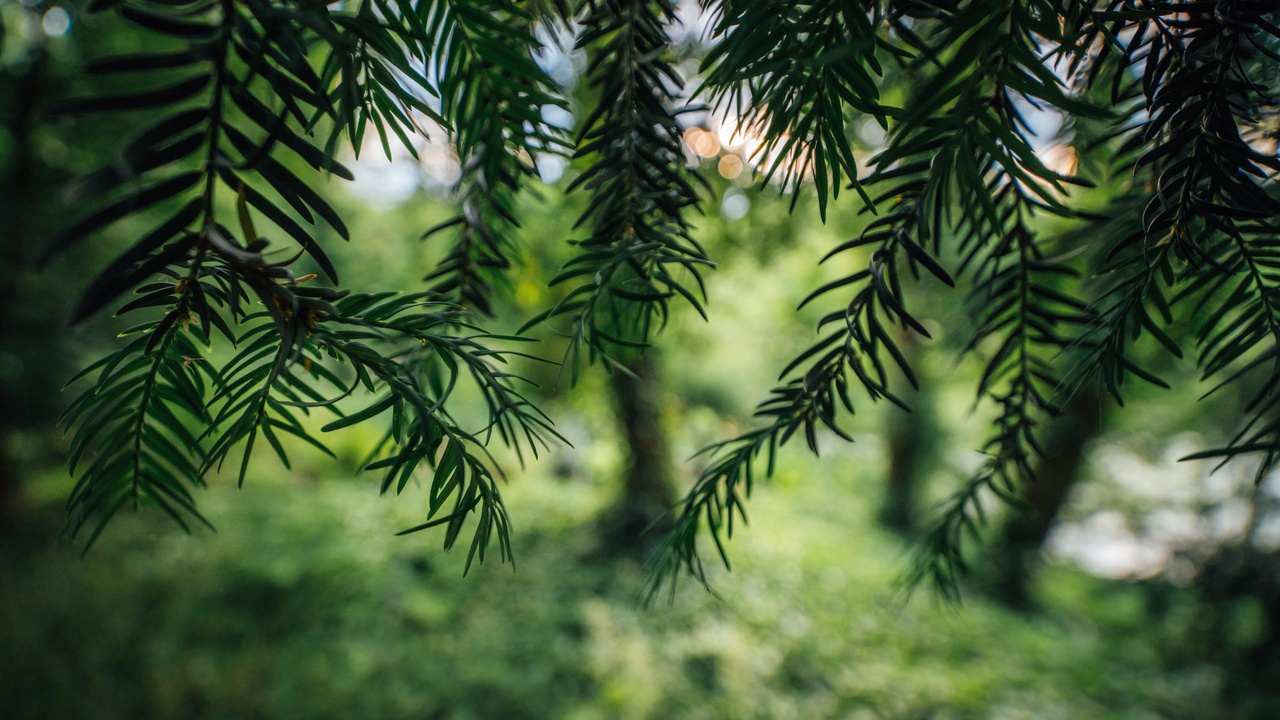
1. Retained foliage year-round (the evergreen habit)
Evergreens keep leaves or needles across seasons rather than shedding them all at once.
Needle and leaf lifespans vary by species: many conifers hold needles roughly 2–7 years, while many broadleaf evergreens replace leaves on a 1–4 year cycle (forestry and botanical sources document these ranges). That lifespan means the tree avoids the energetic cost of producing a whole new canopy every spring and can photosynthesize whenever conditions allow.
For landscaping and shelterbelts, that continuous cover is practical—plantings provide year-round screening and microclimate buffering. For example, Scots pine (Pinus sylvestris) typically retains needles about 2–5 years and makes an effective windbreak; Southern live oak (Quercus virginiana) keeps broad glossy leaves through mild winters in the southeastern U.S.
2. Leaf form and protective coatings (needles, waxy cuticles)
Many evergreens use narrow leaf shapes or thick, waxy surfaces to curb water loss.
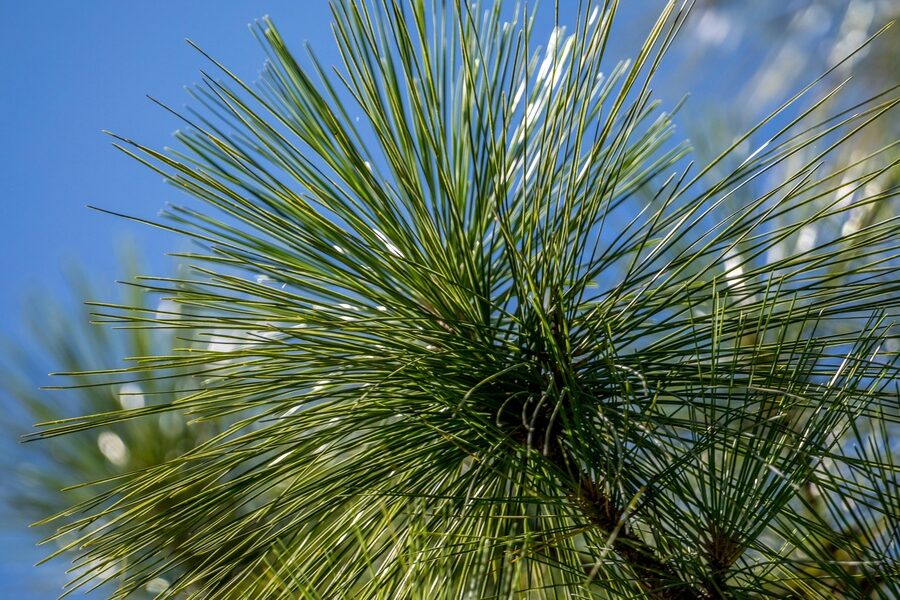
Needles reduce surface area per unit leaf mass and often have sunken stomata and a thick cuticle; some species pack mesophyll and resin ducts into compact cross-sections that limit transpiration and physical damage. Norway spruce (Picea abies) needles and leathery holm oak (Quercus ilex) leaves illustrate two different structural solutions to the same problem.
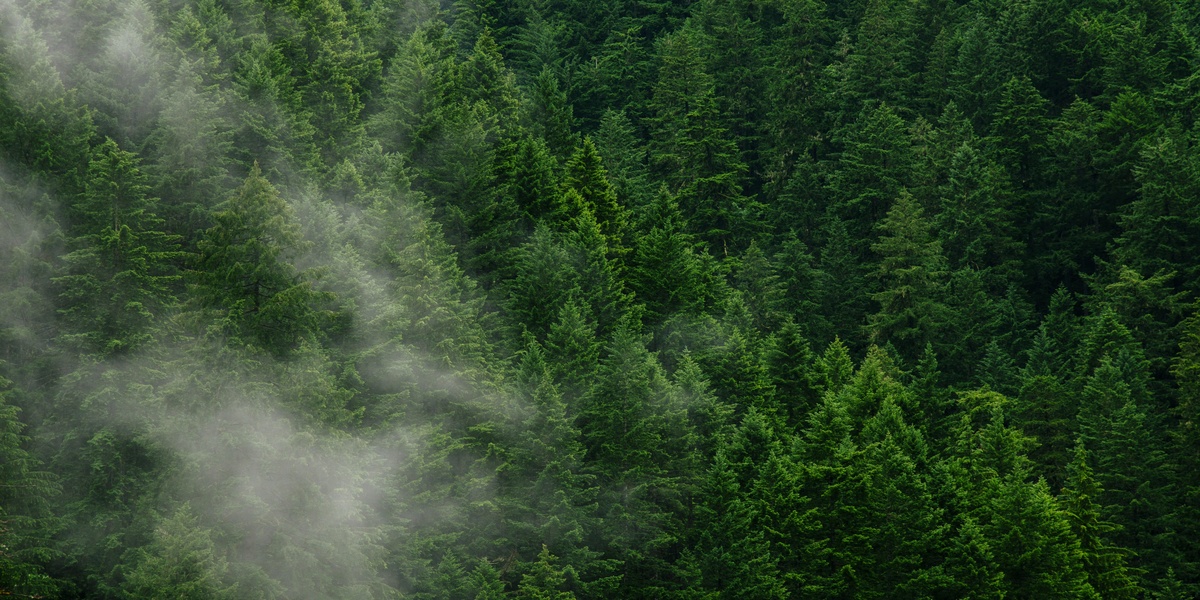
Those anatomical features let evergreens thrive where water is seasonally scarce or soils freeze—boreal conifers keep needles through long winters, while Mediterranean evergreens resist summer drought. Needle-dominated foliage also changes how a stand intercepts snow and light, which matters for identification and planting design.
3. Woody anatomy and bark suited to year-round exposure
Bark thickness, wood density, and branching architecture help evergreens endure continuous exposure and episodic stress.
Tough bark reduces winter desiccation and insect entry, while denser wood in species like Douglas fir (Pseudotsuga menziesii) contributes to structural value in timber markets. Branch angles and flexible twig structure also influence how trees shed snow and avoid branch breakage.
Practical implications run from forestry to fire management: Douglas fir is prized for construction because of its strength; Mediterranean pines often develop thick, fire-resistant bark that improves survival during periodic burns. Where available, consult regional forestry tables for wood density and bark-thickness figures when planning harvests or plantings.
Ecophysiology and Adaptations
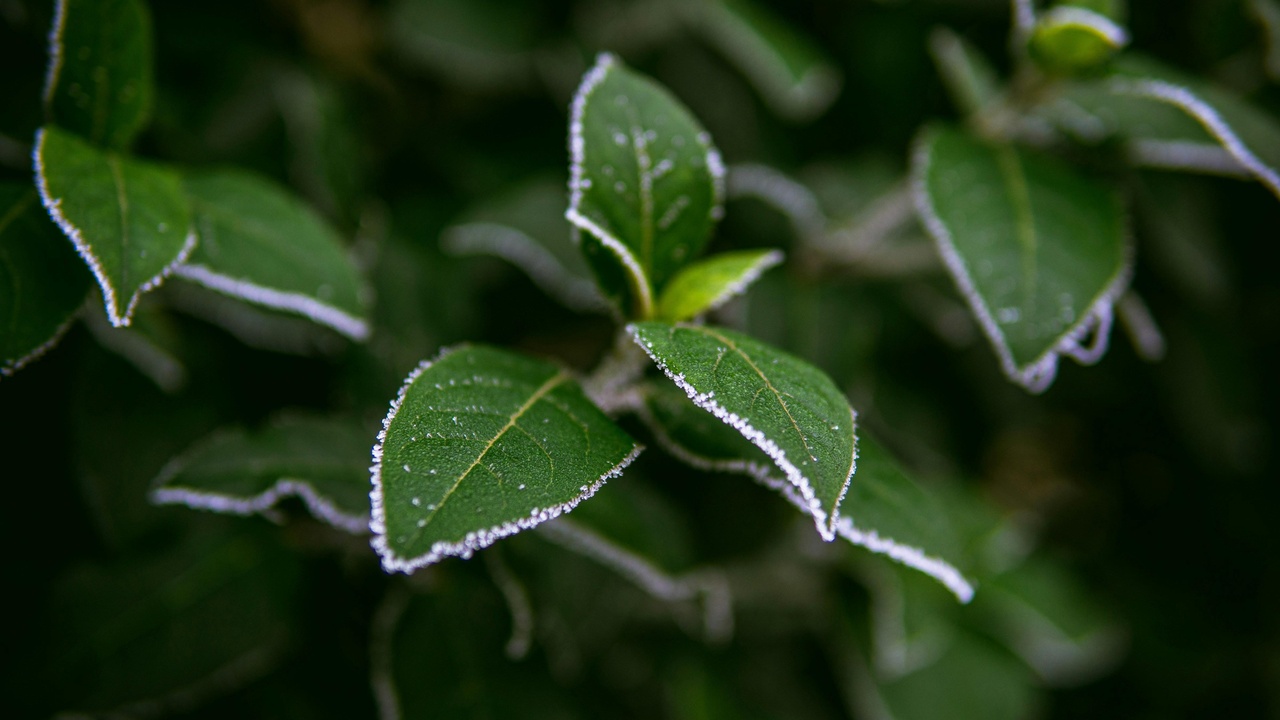
4. Photosynthetic flexibility and winter activity
Many evergreens can photosynthesize outside the warmest months, resuming activity quickly when conditions allow.
Needles retain chlorophyll year-round and can carry out low-rate photosynthesis during mild winter thaws or in cool, bright conditions; boreal conifers, for example, exploit brief warm spells in late winter and early spring. That shoulder-season carbon uptake can meaningfully contribute to a stand’s annual carbon budget—see regional studies for biome-specific percentages.
From a management perspective, that means evergreen stands can sequester carbon over a wider portion of the year than purely deciduous mixes. In cold regions such as the taiga, black spruce and other conifers are adapted to take advantage of short, intermittent photosynthetic opportunities.
5. Water-use strategies: drought and cold tolerance
Evergreens minimize water loss through reduced leaf area, tight stomatal control, and osmotic adjustment in tissues.
When soil freezes or summers are dry, those traits limit transpiration so the tree can survive prolonged low-water periods. Root systems vary—some pines develop deep taproots, others wide, shallow networks to exploit seasonal moisture—helping species like Mediterranean holm oak endure long summer droughts and boreal conifers cope with frozen soils.
For restoration and planting, choose species whose water strategy matches site conditions; for example, planting drought-adapted evergreens on shallow soils reduces mortality risk compared with water-demanding deciduous alternatives. Research on stomatal behavior and water potential measurements gives concrete guidance for species selection in harsh climates.
6. Nutrient retention and slow turnover
Evergreen leaves often contain lower nutrient concentrations and produce litter that decomposes more slowly than many deciduous leaves.
Waxy coatings and higher lignin content slow microbial breakdown; in peatland and boreal systems (for example, black spruce stands) that slow turnover contributes to organic matter accumulation and nutrient-poor soils. Comparisons in the literature commonly report substantially slower decomposition rates for evergreen litter—rates that managers must factor into fertilization and rotation planning.
In forestry or restoration, slower nutrient cycling means planning for longer nutrient retention on-site and, where necessary, supplementing fertility or using mixed-species plantings to maintain soil productivity over time.
Ecological and Human Benefits
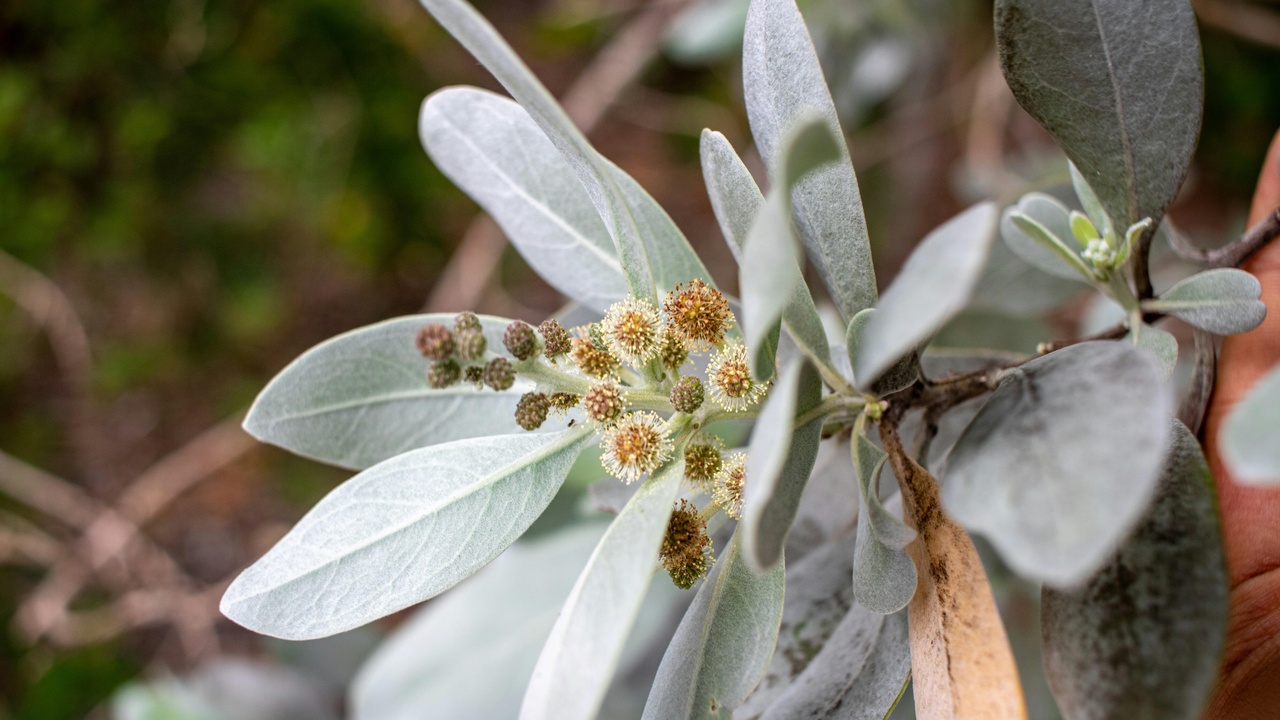
7. Year-round habitat and ecosystem services
Evergreens provide consistent shelter, nesting sites, and microclimate stabilization for wildlife across seasons.
Retained foliage offers thermal cover in winter and shade in summer; stands intercept snow, reducing drift and stabilizing soil on slopes. Birds such as crossbills and many grouse species depend on conifer stands for winter roosting and food. Urban planners and farmers use evergreen windbreaks to reduce wind speeds for adjacent fields, with field studies showing substantial microclimate benefits for crops and livestock.
When designing habitat corridors or shelterbelts, include evergreen species that match local climate and soil. For specific reduction figures and species lists, consult extension services and conservation reports that quantify windbreak performance and species associations.
8. Carbon storage, economic uses, and cultural value
The characteristics of evergreen trees make them important carbon reservoirs, sources of timber and specialty products, and symbols in culture and tourism.
Forests cover roughly 31% of global land area (FAO), and many evergreen-dominated systems—boreal conifer forests, Mediterranean woodlands, and cloud forests—store large amounts of carbon above and belowground. Commercially, Douglas fir and spruce species support major timber markets, while Norway spruce and Fraser fir fuel the Christmas-tree industry in parts of Europe and North America.
Evergreens also include some of the planet’s oldest living trees: Methuselah, a Great Basin bristlecone pine, is roughly 4,800 years old and draws scientific and cultural attention. Average carbon sequestration per tree varies widely by species, age, and site (a commonly cited desktop figure is around 22 kg CO₂ per mature tree per year, but check regional forestry sources for precise estimates).
Summary
- Evergreen habit: trees retain foliage for multiple years (needles commonly 2–7 years; broadleaf evergreens often 1–4 years), allowing year-round photosynthesis when conditions permit.
- Structural defenses: needle form, thick cuticles, and durable bark reduce water loss and physical damage, supporting survival in cold or dry climates and influencing timber and fire resilience.
- Physiological strategies: chlorophyll retention, flexible photosynthesis in shoulder seasons, stomatal control, and slow nutrient turnover shape ecosystem carbon and nutrient dynamics.
- Benefits to people and wildlife: evergreens supply year-round shelter and microclimate moderation, store carbon at landscape scales (forests cover ~31% of land; FAO), supply timber and specialty markets, and include ancient trees of cultural value.
- Notice and act: visit a local evergreen stand, prioritize native evergreen species for planting, and consult FAO, US Forest Service, or university extension resources when you need site-specific numbers for sequestration, wood properties, or planting guidance.