Global wildlife populations have fallen by an average of 69% since 1970, according to the WWF Living Planet Report 2022. Habitat loss and fragmentation remain primary drivers of that decline, and recent assessments (IPBES, 2019) estimate that around 1 million species face a heightened risk of extinction without urgent action.
Creating wildlife habitats—on farms, in cities, and across wildlands—delivers measurable wins for biodiversity, climate resilience, human health, education, and local economies. This is a practical, scalable response: small, well-placed patches and larger corridors both matter.
Below are eight concrete reasons to create wildlife habitats, grouped under three broad benefits: biodiversity and ecosystem health; climate resilience and natural risk reduction; and human well‑being, education and local economies. The first section looks at species and ecosystem function.
Biodiversity and Ecosystem Health

Local habitat creation helps species rebound and restores the ecological processes that support them. Fragmentation and conversion of native habitats have driven declines in pollinators, birds, and many mammals, reducing pollination, natural pest control, and nutrient cycling across landscapes.
Conservation science shows that targeted patches, hedgerows and restored riparian strips can increase functional diversity and ecosystem resilience. These interventions are often inexpensive and can be scaled from a backyard to a farm to regional networks.
The three core ecosystem reasons follow: species recovery, restored ecosystem services, and improved connectivity.
1. Supports species recovery and protects at-risk populations
Creating or restoring habitat gives threatened species places to feed, breed and hide, which directly boosts local population sizes and breeding success. The reintroduction of gray wolves to Yellowstone in 1995–1996 is a clear example: their return altered ungulate behavior and plant communities, producing measurable trophic cascades that benefited dozens of species.
Targeted interventions—nest boxes for cavity-nesters, bat roost boxes, milkweed plantings for monarchs, and restored spawning gravels in streams—have documented increases in local abundance and reproductive success. Monarch Waystation and milkweed corridor efforts in the U.S. Midwest show how host-plant restoration can raise breeding habitat at scale.
For conservation practitioners, local monitoring (nest counts, transects, mark–recapture) provides clear, measurable outcomes tied to habitat actions.
2. Restores and strengthens ecosystem services (pollination, water filtration, pest control)
Habitat features deliver services people and agriculture rely on: pollinators are essential to roughly 35% of global crop production (FAO), and wildflower strips, hedgerows and wetlands boost their abundance. On-farm flower margins in European agri‑environment schemes have increased pollinator and beneficial insect numbers, helping crop yields and reducing pesticide need.
Riparian buffers and restored wetlands act as natural filters, trapping sediments and absorbing nutrients before they reach streams and rivers. Urban rain gardens and bioswales reduce runoff and improve groundwater recharge, lowering treatment costs for municipalities.
Start small: add a hedgerow, a wetland pocket, or a wildflower strip and track changes in insect visits or water clarity to make a case for larger investments.
3. Reconnects fragmented landscapes and creates wildlife corridors
Fragmentation increases extinction risk by isolating populations and reducing gene flow; reconnecting patches lowers that risk. Creating stepping-stone habitats, hedgerows, roadside margins and riparian corridors enables movement for pollinators, small mammals and birds across agricultural and urban matrices.
Examples include the European Green Belt and countless local hedgerow networks that link remnant woodlands. Success can be measured with presence/absence surveys, camera traps, and genetic sampling to monitor connectivity over time.
Climate Resilience and Natural Risk Reduction
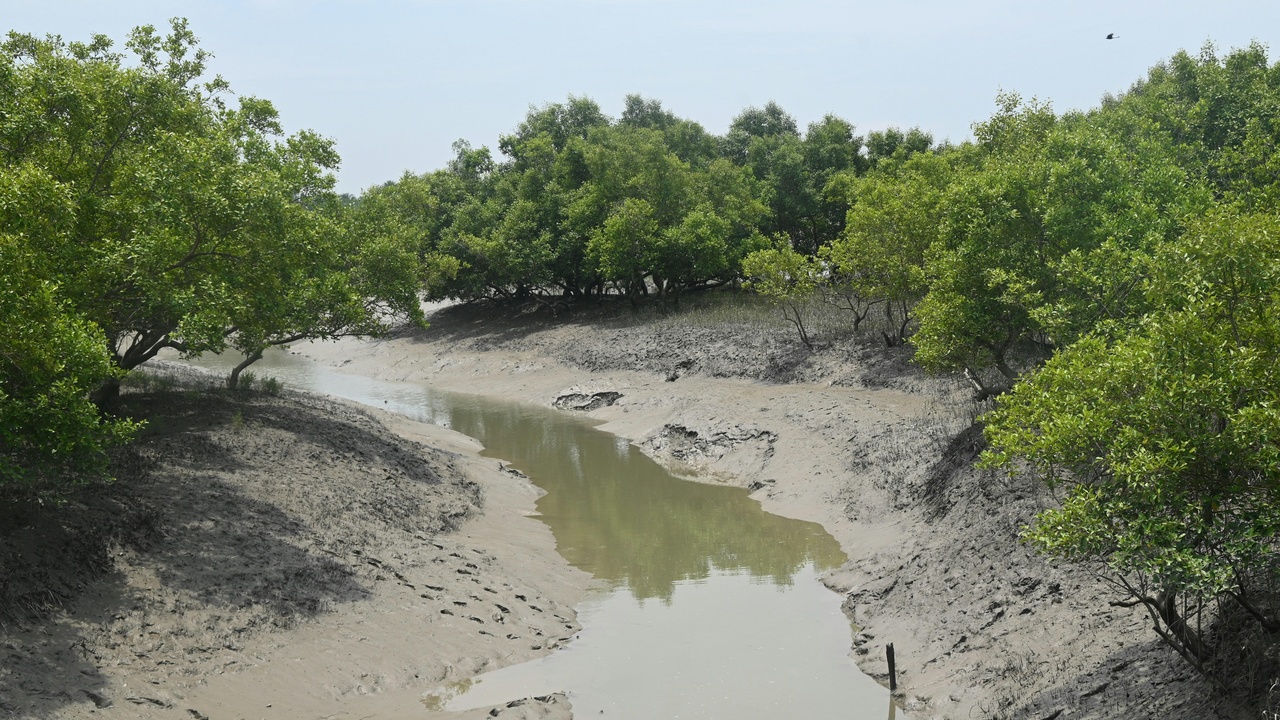
Habitats such as wetlands, mangroves, native forests and grasslands store carbon, buffer storms and reduce climate-related risks. Nature-based solutions are widely recognized by IPCC and UNEP as cost-effective ways to both mitigate and adapt to climate change—restoring ecosystems can deliver a significant portion of near-term mitigation (estimates often cite roughly 30% of required mitigation by 2030 from natural climate solutions).
Actions that expand habitat often deliver dual benefits: they sequester carbon while also protecting people and infrastructure from floods, erosion and heat. The next three reasons focus on carbon, risk reduction and refugia.
4. Sequesters carbon and contributes to climate mitigation
Restoring and protecting habitats stores carbon in soils and vegetation. Peatlands, mangroves and mature forests hold disproportionately high carbon per hectare compared with many other land uses, and safeguarding them prevents large carbon releases.
Community mangrove restoration projects (for example, in the Philippines) both rebuild coastal defenses and sequester carbon over decades. Riparian reforestation and peatland conservation are practical ways for local governments and landowners to contribute to mitigation while supporting livelihoods.
Policy and finance tools—carbon credits, PES schemes, and blended grants—can help align restoration with economic incentives for communities.
5. Reduces flood risk and erosion—natural defenses that save infrastructure costs
Wetlands, dunes and vegetated shorelines attenuate waves, trap sediment and store stormwater, lowering peak flows and downstream flood damages. Living shorelines and marsh restoration have been shown in regional studies to reduce storm surge impacts and save on hard-engineered defenses.
Concrete projects—such as living shoreline work in Louisiana or floodplain reconnection in parts of Europe and North America—translate into avoided repair costs and lower insurance claims for communities. Dune restoration in coastal towns similarly reduces erosion and property risk.
Municipalities that invest in habitat-based defenses often find long-term savings compared with repeated structural repairs.
6. Provides climate refugia for species under shifting conditions
As climates shift, small cooler or wetter microhabitats—microrefugia—allow species to persist locally. Protecting north-facing slopes, shaded riparian corridors and elevational gradients lets species move short distances rather than face immediate extirpation.
Mountain corridors and protected elevational gradients are practical examples; shaded stream buffers help cool water for sensitive fish and amphibians. Monitoring microclimate variables and species presence can track the effectiveness of refugia over time.
Human Well‑being, Education and Local Economies

Access to nearby wildlife habitats improves mental and physical health, creates hands-on learning opportunities, and supports local economies through tourism and green jobs. The World Health Organization and multiple meta-analyses link nature contact to reduced stress markers and lower blood pressure, while urban green spaces encourage activity and social cohesion.
Community gardens, schoolyard habitats and urban green roofs offer low-barrier ways to connect people with nature and build environmental knowledge. The final two reasons cover health/education and economics.
7. Improves mental and physical health—and creates hands-on learning opportunities
Nearby wildlife habitats reduce stress, improve mood and encourage outdoor exercise; several studies report measurable decreases in anxiety and cortisol among people who regularly use green spaces. School habitat projects and citizen science programs (for example, community bird counts and school pollinator gardens) offer practical STEM lessons and stewardship training.
Examples include school pollinator gardens used as curriculum modules and therapeutic community gardens that support mental health. Volunteer restoration days—planting a rain garden or building nest boxes—provide both skills and social connections.
8. Delivers economic benefits: jobs, tourism, and increased property values
Wildlife habitats generate local economic value through ecotourism, restoration jobs and higher nearby property values. Nature-based tourism contributes tens of billions of dollars globally (UNWTO/UNEP data), and local projects—from mangrove ecotourism that employs fishers to payment-for-ecosystem-services schemes in Costa Rica—show how conservation can support livelihoods.
Restoration contracts create short‑ and long‑term employment for community members, and cost‑sharing approaches (grants, corporate CSR, blended finance) can lower barriers to action for municipalities and landowners.
Design projects so benefits accrue locally: hire community labor, train monitors, and link restored places with small‑business opportunities such as guided walks or native-plant nurseries.
Summary
- Habitat creation yields multiple wins: it supports species recovery, restores ecosystem services like pollination and water filtration, and builds connectivity across fragmented landscapes.
- Nature-based actions—restoring mangroves, wetlands, forests and grasslands—also sequester carbon, reduce flood and erosion risk, and provide climate refugia for vulnerable species.
- Access to wildlife-friendly landscapes improves human health and education while generating local economic benefits through jobs and tourism.
- Small, local steps add up: plant native species, install a rain garden or pollinator patch, join a local restoration volunteer day, or support corridor and riparian projects in your community.