Global snakebite causes an estimated 81,000–138,000 deaths per year (WHO), yet a handful of species account for the deadliest envenomations.
Imagine a remote South Asian farmer laboring at dawn, feeling a searing sting on his ankle, or an Australian tracker suddenly facing an inland taipan in a sun-baked gully. Those moments show why knowing which species pose the greatest medical risk matters for triage, antivenom planning and conservation.
This guide profiles the 10 most venomous snakes in the world, grouped into three categories — elapids, vipers, and special-case sea/rear-fanged snakes — and notes scientific names, venom potency indicators (LD50 where available), geographic range, clinical effects and antivenom availability.
Elapids: Highly neurotoxic front-fanged snakes
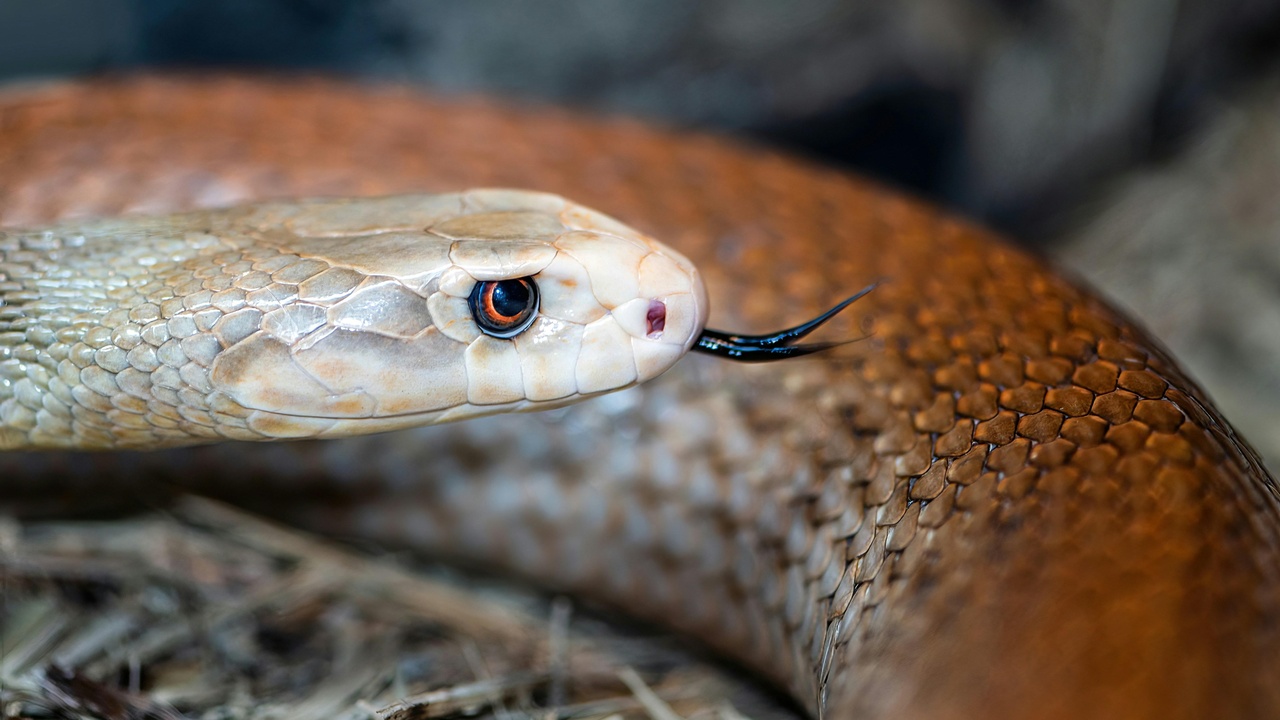
Elapids are front-fanged snakes whose venoms are dominated by neurotoxins that interfere with neuromuscular transmission and can cause rapid respiratory paralysis.
They tend to be fast and agile, and occur across Australia, Africa and Southeast Asia. Clinically, these bites are emergencies: airway support and prompt antivenom are often lifesaving. Antivenom development can be challenging for some species with geographically variable venoms, so rapid transfer to specialized centers matters.
Examples include Australia’s taipans (where CSL produces taipan antivenom) and African black mamba cases that frequently require mechanical ventilation in well-documented field reports.
1. Inland Taipan (Oxyuranus microlepidotus)
The inland taipan is often regarded as the most venomous snake by LD50 measures: a commonly cited mouse IV figure is ~0.025 mg/kg, though assay type and route change comparisons.
It lives in semi-arid central Australia and is reclusive, so human encounters are rare. Venom yield per bite varies; some studies report yields in the tens of milligrams range, enough to cause life-threatening envenomation.
Clinically, inland taipan venom contains potent presynaptic neurotoxins plus procoagulant factors that can produce paralysis and coagulopathy. Despite high toxicity, documented human fatalities are uncommon thanks to remote habitat and Australia’s ready access to specific antivenom (CSL taipan antivenom) and advanced care.
2. Black Mamba (Dendroaspis polylepis)
Black mambas are famous for speed and aggressive defensive displays when cornered. Their venom is highly neurotoxic and symptoms can appear rapidly; untreated bites may be fatal within hours.
Venom yield varies by individual, but bites often deliver enough toxin to cause profound neuromuscular blockade. Typical clinical signs include progressive ptosis, bulbar weakness, respiratory failure and cardiovascular instability.
Found across sub-Saharan Africa, black mamba bites most often affect rural agricultural workers. Survival depends on rapid antivenom administration and respiratory support; African referral centers report that mechanical ventilation plus polyvalent antivenom greatly improves outcomes.
3. King Cobra (Ophiophagus hannah)
The king cobra is the world’s longest venomous snake and delivers large venom volumes rather than having the single most toxic venom by weight.
Recorded venom yields commonly cited in the literature range around 200–400 mg, though individual variation is large and assay methods differ. Venom contains neurotoxins and components that can produce local tissue damage.
Distributed through South and Southeast Asia (and parts of India), king cobra bites occur in rural and agricultural settings. Large-volume envenomation can cause rapid systemic neurotoxicity; species-specific antivenoms are used regionally and rapid transport to specialty care is essential.
4. Coastal Taipan (Oxyuranus scutellatus)
The coastal taipan, native to northern and eastern Australia and New Guinea, is another highly venomous elapid with both neurotoxic and procoagulant effects.
LD50 values differ by test, but clinical practice shows coastal taipan bites produce rapid neurotoxicity and variable coagulopathy. Venom yields are sufficient to cause severe systemic illness in untreated patients.
Australian hospitals follow established protocols and use available antivenom with good survival when treatment is timely. The coastal taipan’s clinical picture overlaps with the inland taipan but it occupies coastal woodlands and lowlands rather than the remote interior.
Vipers: Hemotoxic and mixed-action killers
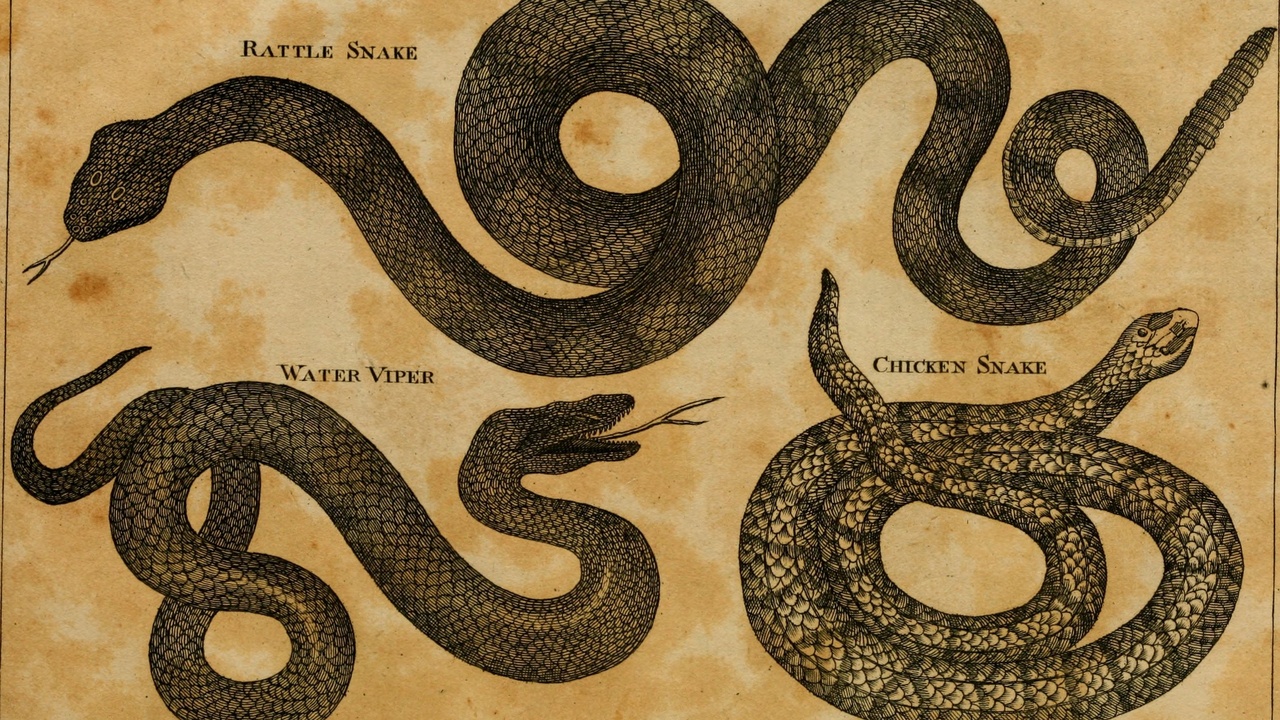
Vipers generally have venom dominated by hemotoxins and cytotoxins that cause tissue destruction, hemorrhage and coagulopathy. These snakes account for a large share of global snakebite morbidity because many species live in densely populated tropical regions.
Clinically, viper bites can require antivenom, blood products, surgical debridement and even dialysis. Public-health impact is high where antivenom supply and transport to care are limited.
This category includes several medically significant species responsible for many severe and fatal bites worldwide, especially across South Asia and Latin America.
5. Russell’s Viper (Daboia russelii)
Russell’s viper is a leading cause of snakebite deaths in South and Southeast Asia. It often inhabits agricultural fields, plantations and human-modified landscapes, bringing it into frequent contact with people.
Envenomation commonly produces severe coagulopathy, local swelling and, in many series, acute kidney injury sometimes requiring dialysis. Neurotoxic signs are reported in some locales due to venom variation.
Outcomes depend heavily on timely antivenom, availability of dialysis and supportive care. Hospital case series and WHO regional data highlight Russell’s viper as a major contributor to the global snakebite burden (WHO 2019 estimates: 81,000–138,000 deaths/year).
6. Saw-Scaled Viper (Echis spp.)
Saw-scaled vipers are small but deadly; their aggressive behavior and close proximity to human dwellings make them a frequent cause of fatal bites in parts of Africa, the Middle East and South Asia.
The clinical hallmark is severe consumptive coagulopathy with widespread bleeding. Even small bites can trigger life-threatening hemorrhage, especially where antivenom is scarce.
Regional reports describe envenomation clusters in Pakistan and West Africa, and public-health experts point to antivenom shortages and delayed transport as key drivers of mortality.
7. Eastern/Western Diamondback Rattlesnake (Crotalus adamanteus / Crotalus atrox)
Both the eastern and western diamondback rattlesnakes are among North America’s most medically significant crotalines. Their venoms include hemotoxins and myotoxins that cause swelling, tissue necrosis and coagulation disturbances.
Venom yield varies by species and size; modern U.S. hospital care and antivenom availability mean fatalities are now rare. Nevertheless, bites frequently require antivenom, wound care and sometimes reconstructive surgery.
Typical bite contexts include hikers, gardeners and residential encounters. Public education, protective footwear and quick transport to emergency care have reduced fatal outcomes substantially in the U.S.
8. Fer-de-Lance (Bothrops asper)
Bothrops asper, commonly called fer-de-lance, is a major cause of severe envenomation across Central America and parts of northern South America.
Its venom causes pronounced local tissue destruction, hemorrhage and systemic coagulopathy. High rates of soft-tissue loss and secondary infection lead to frequent surgical interventions and, in some cases, amputation.
Clinical management often requires antivenom plus timely surgical debridement and rehabilitation. Regional antivenom production efforts aim to reduce the heavy socioeconomic toll in rural communities.
Sea snakes and rear-fanged species: special cases
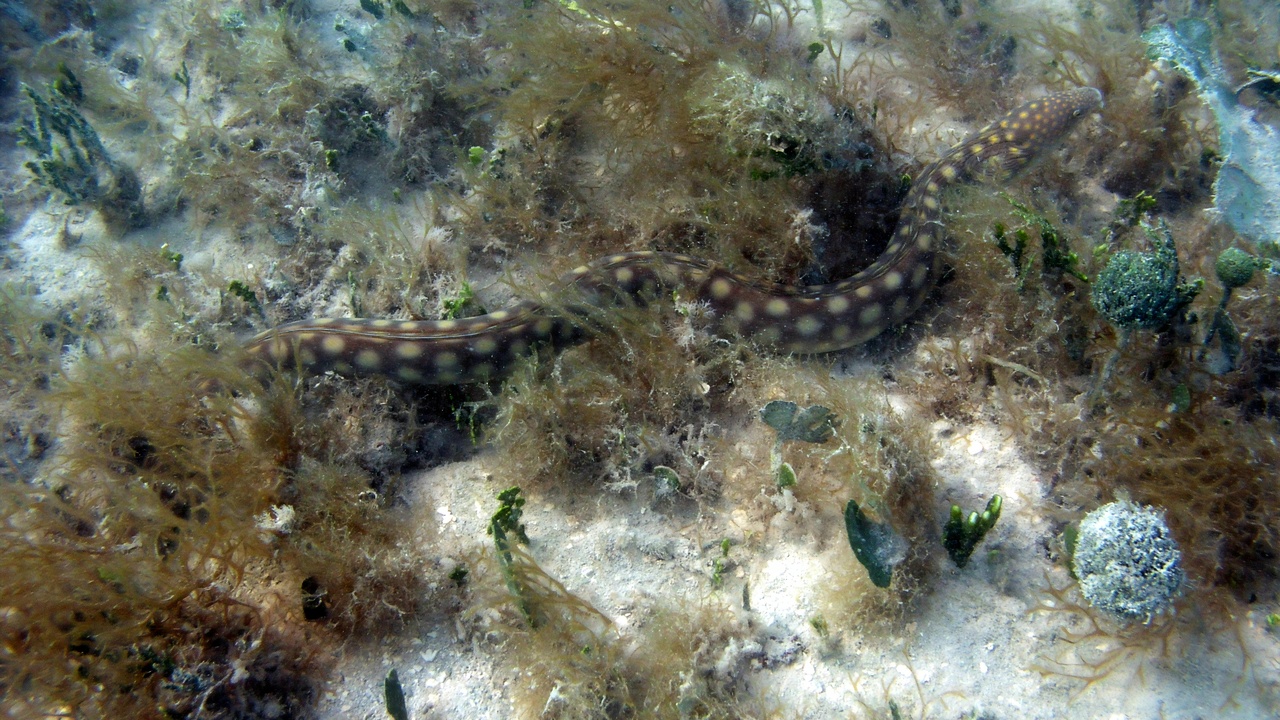
Sea snakes and some rear-fanged colubrids differ from typical elapids and vipers in ecology and human exposure. Sea snakes are often offshore and mainly affect fishermen, while rear-fanged species can deliver clinically significant venom despite grooved rather than tubular fangs.
Because bites are relatively uncommon, clinicians may see few cases — but when severe envenomation occurs, outcomes hinge on early recognition, appropriate antivenom and supportive care for complications such as rhabdomyolysis or coagulopathy.
Two special-case species illustrate the diversity of risk: a widely distributed sea snake and a rear-fanged African colubrid with a notorious historical fatality.
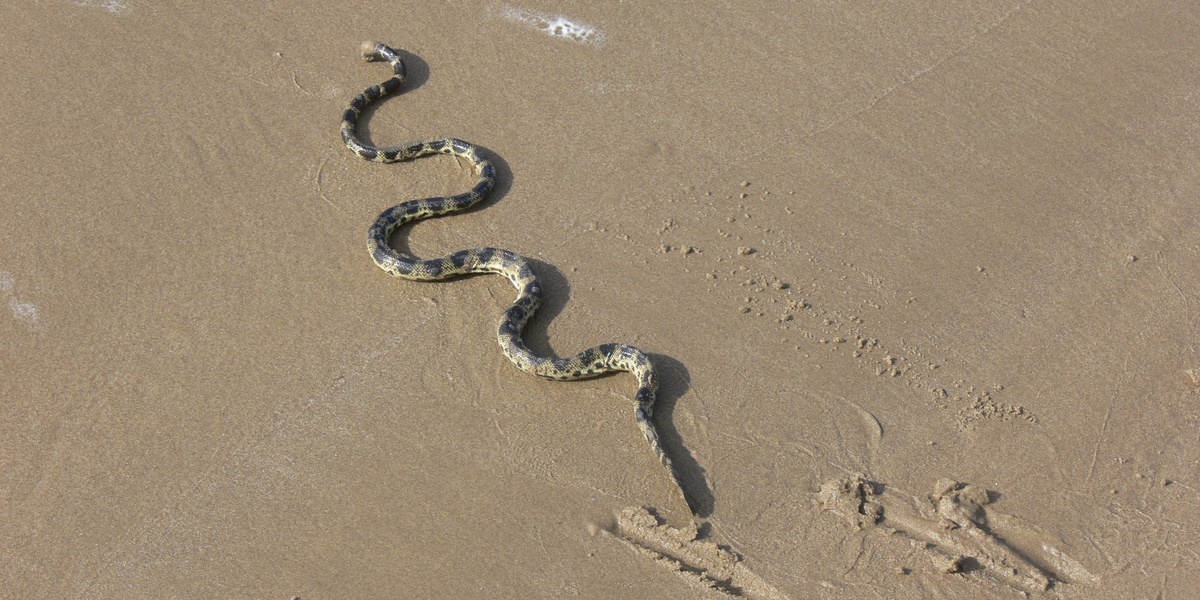
9. Yellow-bellied Sea Snake (Hydrophis platurus)
Hydrophis platurus is among the most widely distributed sea snakes, found in tropical and subtropical oceans worldwide. Fishermen handling nets or people rescuing entangled animals face the greatest exposure.
Venom is predominantly neurotoxic and myotoxic. Clinically, patients can develop muscle pain, progressive weakness, paralysis and myoglobinuria; severe cases risk acute kidney injury from muscle breakdown.
Although bites are less frequent than land-snake envenomations, clinicians treating marine injuries should monitor creatine kinase and renal function closely. Antivenom availability varies by country; early antivenom plus supportive care improves survival.
10. Boomslang (Dispholidus typus)
The boomslang is a rear-fanged African colubrid whose hemotoxic venom can cause fatal bleeding. Its grooved fangs deliver venom effectively in some bites, and the clinical picture is dominated by delayed coagulopathy.
A famous documented fatality is that of herpetologist Karl Patterson Schmidt in 1957, who developed progressive hemorrhage after an apparently minor bite. That case illustrates how patients may appear well initially but deteriorate as clotting fails.
Management requires serial coagulation studies and, where available, species-specific antivenom. Early recognition and laboratory monitoring are critical because the delayed onset of bleeding can mislead first responders.
Summary
- Venom potency alone doesn’t determine human risk — exposure patterns, venom yield and access to care shape outcomes.
- Timely airway support, antivenom and adjunctive care (dialysis, surgery, monitoring of CK/coagulation) dramatically reduce fatalities from the most venomous snakes in the world.
- Species like Russell’s viper, saw-scaled vipers and Bothrops asper drive much of the global bite burden because they live where people work and health systems are strained.
- Simple first aid helps: keep the patient calm, immobilize the bitten limb, avoid cutting or suction and seek definitive medical care rapidly — skip folk remedies.
- Support for regional antivenom programs, public education and improved transport to care can save thousands of lives (WHO estimates: 81,000–138,000 deaths annually).