Top 10 Cat Breeds for Therapy Companions
In the 1960s psychologist Boris Levinson noticed that pets could help children open up during therapy sessions, a discovery that seeded modern animal-assisted therapy and, over decades, expanded to include cats alongside dogs.
Many people assume only dogs make reliable therapy animals, but carefully chosen cats can deliver measurable emotional and physiological benefits in hospitals, schools, and eldercare; this piece identifies 10 breeds organized into three practical categories (temperament/affection, low-maintenance/adaptable, and specialized/hypoallergenic) and explains why each one works in real-world therapeutic settings.
Temperament and Affection Breeds

Some breeds are prized for a steady, affectionate temperament that eases stress and encourages interaction; these cats do particularly well in nursing homes, pediatric wards, and school reading programs. Breed tendencies are probabilistic, not guaranteed, so handlers should pair breed knowledge with socialization and basic handling training.
Organizations like Pet Partners set registration and standards for therapy animals, and peer-reviewed reviews of animal-assisted interventions report reduced anxiety and improved engagement across clinical settings—useful context when selecting breeds for patient-facing roles.
1. Ragdoll — The Velvety Lap Companion
Ragdolls are therapy-ready because they are very docile and often enjoy being held; many will go limp in a lap and purr for extended periods. They typically weigh 10–20 lbs, live around 12–15 years, and are known for being placid and people-oriented.
In assisted-living visits Ragdolls are a frequent pick for lap time and hand-stroking sessions—staff report that steady purring and gentle handling can lower residents’ stress and encourage conversation. Training should focus on carrier acclimation, vet-exam handling, and calm greetings to make a Ragdoll a reliable visitor.
Grooming is moderate: their semi-long coat needs weekly brushing and occasional baths, which handlers should incorporate into pre-visit routines so the cat is comfortable and presentable during visits.
2. Maine Coon — Gentle Giant with a Patient Temperament
Maine Coons combine large size with surprising gentleness, which some patients find physically reassuring. Average adults range from about 10–18+ lbs, and typical lifespans are roughly 9–13 years for many lines.
They adapt well to varied handling and tolerate noise better than many smaller breeds, so a calm Maine Coon can provide a grounding presence in a busy hospital waiting room or family-visit room. Volunteer programs sometimes schedule longer, sit-down visits when a patient responds well to a larger, steady cat.
Be clear about grooming and space needs: long coat care and room to stretch are part of responsible program planning, and handlers should brush and check for matting before visits.
3. Burmese — Affectionate and Attention-Focused
Burmese cats are highly social and bond strongly to people, traits that help build quick therapeutic rapport. Lifespans commonly range from 10–16 years, and they show moderate energy—often following handlers around and seeking interaction.
Because Burmese encourage engagement, they excel in interactive settings such as school reading programs or behavioral-therapy sessions where a cat’s presence helps coax reluctant participants into activity. Handlers can train them for gentle greetings and to sit calmly during short, structured activities.
Grooming is low-to-moderate with a short, glossy coat; routine play also helps channel their curiosity so they remain patient during visits.
4. Birman — Calm, Gentle, and Sociable
Birmans are gentle, people-oriented, and less likely to startle, which suits them to sensitive settings. They usually have a medium-to-long coat and a lifespan around 12–16 years.
In memory-care or hospice contexts, a steady Birman can sit quietly near residents, offering tactile comfort without demanding attention. Preparing a Birman for visits includes carrier training, gradual exposure to clinical sights and sounds, and a grooming routine so outings are low-stress.
Handlers should practice calm handling and short, predictable visits at first, building up to longer sessions as the cat becomes comfortable with the environment.
Low-Maintenance and Adaptable Breeds

Some therapy programs need cats that tolerate travel, have low grooming needs, and adapt to irregular schedules. Shorthaired, easy-going breeds lower barriers for volunteer handlers and shelter-based teams by reducing prep and recovery time.
Program logistics matter: transport, handling protocols, and routine health screening (up-to-date vaccines and clean bills of health) make adaptable breeds especially useful for pop-up therapy booths, school visits, and multi-shift outreach.
5. British Shorthair — Steady, Low-Drama Companion
British Shorthairs are calm, independent, and show low activity bursts, which helps them tolerate varied schedules. They’re robustly built, often live 12–17 years, and require minimal grooming thanks to a dense short coat.
Their independence means they can handle short, frequent visits and step back when they need breaks—useful in clinic waiting rooms or school reading corners where staff can rotate animals through the day. Handlers should socialize them to carriers and different rooms so the cat can move away quietly if overwhelmed.
6. American Shorthair — Adaptable and Healthy
American Shorthairs have a reputation for good health, steady temperament, and easy coat care. Lifespans often exceed 15 years, and their moderate size and hardy constitution suit long-term volunteer programs.
Historically working cats that adapted to many households, they translate well to multi-shift programs and community outreach events where durability matters. Temperament testing and focused socialization help prepare them for the unpredictability of public visits.
7. Exotic Shorthair — Plush Look, Easy Care
Exotic Shorthairs offer the plush appearance of a longhair in a short-maintenance coat, appealing for programs that want a soft, comforting aesthetic without daily heavy brushing. Typical lifespan is about 12–15 years, and many are calm and amenable to handling.
They work well in visual-therapy or office-based visits and quiet reading programs. Handlers should note brachycephalic (flat-faced) health considerations—some Exotics need special attention with breathing and heat—so vet checks are important before regular therapy work.
Specialized and Hypoallergenic Options
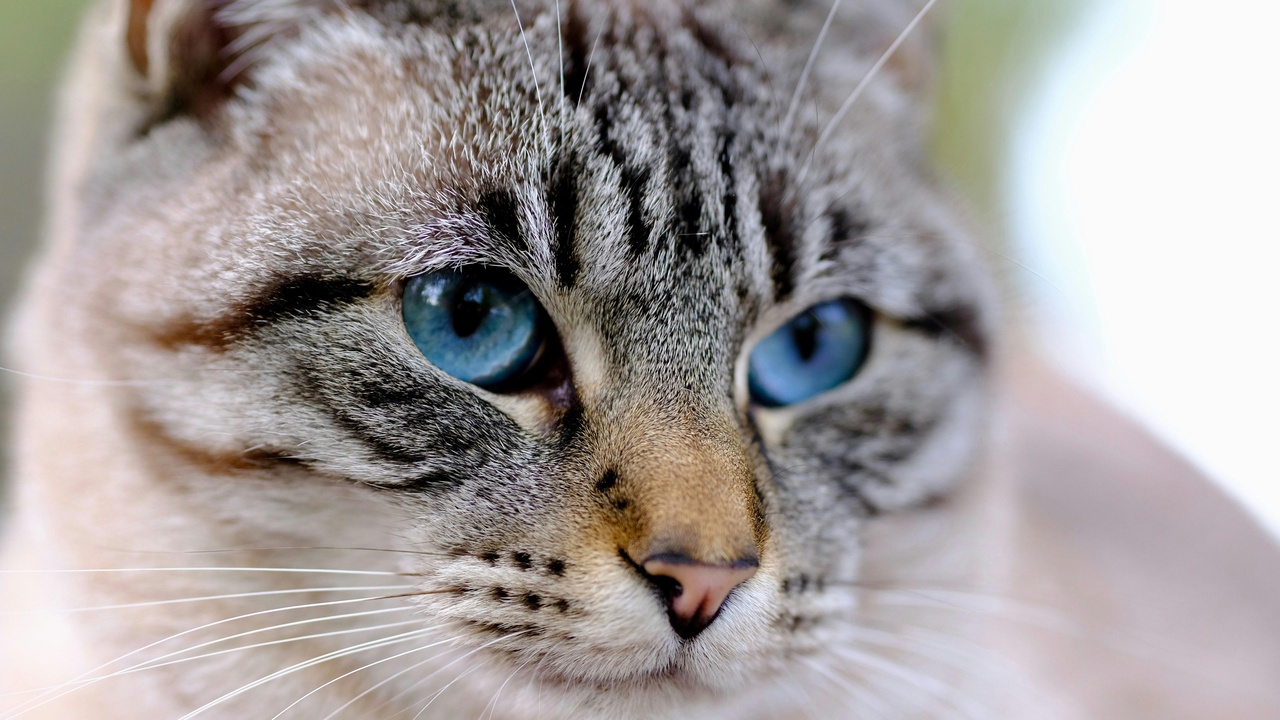
No cat is truly hypoallergenic for everyone, but some breeds shed less or appear to produce lower levels of the Fel d 1 protein; handlers should always run allergy checks with facilities and participants before scheduling visits. When allergy risk is a concern, controlled exposure trials and guidance from allergy organizations help manage expectations.
For facilities that must balance engagement with safety, considering specialized cat breeds for therapy companions can open opportunities—provided screening and gradual exposures are in place, and staff coordinate with veterinarians and allergy specialists.
8. Sphynx — Less Dander, Highly Social
Hairless Sphynx cats often produce less airborne hair, which can help some allergy-prone individuals, but they are not universally hypoallergenic. Lifespans are roughly 8–14 years, and they are famously social, seeking human contact and attention.
Sphynx require regular skin care—frequent baths to remove oils—and sun protection, so handlers must be prepared for a different care routine than for furred breeds. Use Sphynx in planned, pre-screened sessions with allergy-aware participants and follow stepwise exposure protocols.
9. Siberian — Lower Allergen Production (Some Evidence)
Some data and breeder reports suggest Siberians may produce lower amounts of Fel d 1 on average, but evidence is mixed and individual variation is large. Siberians are typically large, fluffy cats with lifespans around 11–15 years and moderate grooming needs.
Programs that have used Siberians stress the importance of on-site allergy trials—start with brief, supervised visits and monitor reactions before scheduling repeated sessions. If tolerated, a friendly Siberian can offer comforting presence in memory-care or family-visit settings.
10. Balinese — Long-Haired with Lower Allergen Reports
Balinese cats, a long-haired relative of the Siamese, are often reported anecdotally to be better tolerated by some allergy sufferers, though scientific confirmation is limited. They are slim, vocal, and very people-oriented, with lifespans commonly around 12–16 years.
When screened and tolerated, Balinese can be lively, engaging therapy cats in classroom or reading programs where an affectionate but graceful cat encourages participation. Regular grooming keeps their coat healthy and reduces loose hair before visits.
Summary
- Choose a cat for therapy work based on temperament and the specific program setting, not appearance alone.
- Always screen for allergies and run supervised, stepwise exposure trials with facilities and participants before scheduling visits.
- Work with reputable organizations (for example, Pet Partners) and prepare cats with socialization, carrier training, and grooming routines.
- Account for practical needs—grooming time, vet checks, and transport logistics—so handlers can sustain visits over the long term.