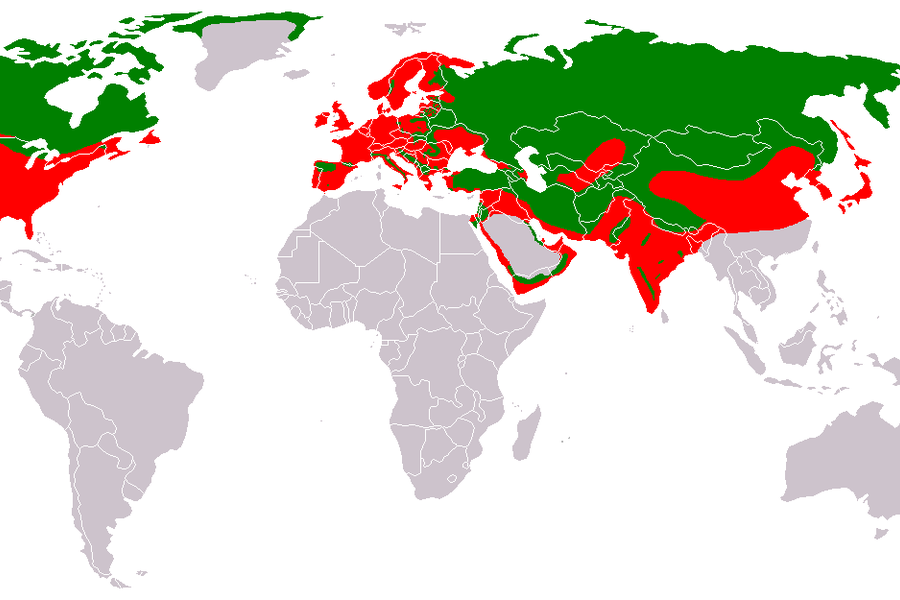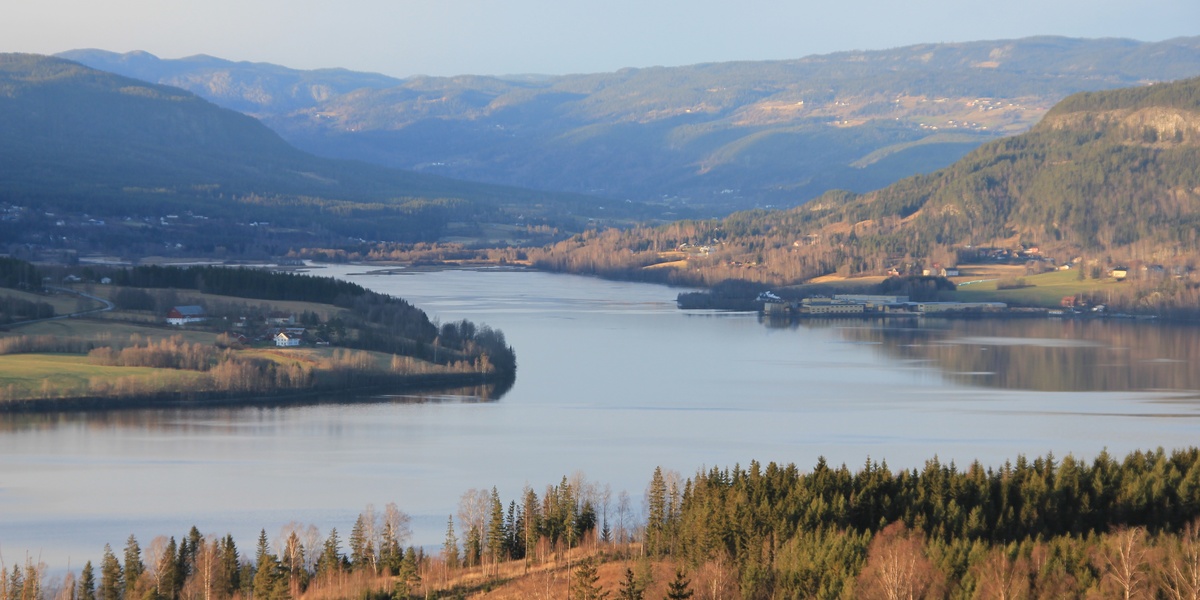
The taiga — the planet’s vast boreal forest belt — stretches across North America, Europe and Asia, shaped by long winters, short summers and stands of spruce and pine. Snow, thaw and fire set the seasonal tempo that determines which animals thrive and where.
There are 39 taiga mammals, ranging from American black bear to Wolverine. For each species you’ll find below Scientific name, Typical weight (kg), Primary range so you can quickly compare identity, size and distribution across the biome.
How do taiga mammals survive long, harsh winters?
Many rely on physical and behavioral adaptations: thick insulating fur or fat layers, hibernation or torpor, seasonal food caches, migration for the species that can move, and timing reproduction for short summers. These strategies let animals maintain energy balance when food is scarce and temperatures drop.
Which taiga mammals are most vulnerable to environmental change?
Species tied to cold, continuous forest and deep snow—wide-ranging predators and specialists—are often most at risk as warming shifts ranges and fragments habitat. Monitoring range changes, protecting corridors and reducing other stressors (like logging) help those populations persist.
Taiga Mammals
| Common name | Scientific name | Typical weight (kg) | Primary range |
|---|---|---|---|
| Moose | Alces alces | 200-600 | Eurasia, North America: Russia, Scandinavia, Canada, Alaska |
| Reindeer (Caribou) | Rangifer tarandus | 80-200 | Circumpolar: Scandinavia, Russia, Canada, Alaska |
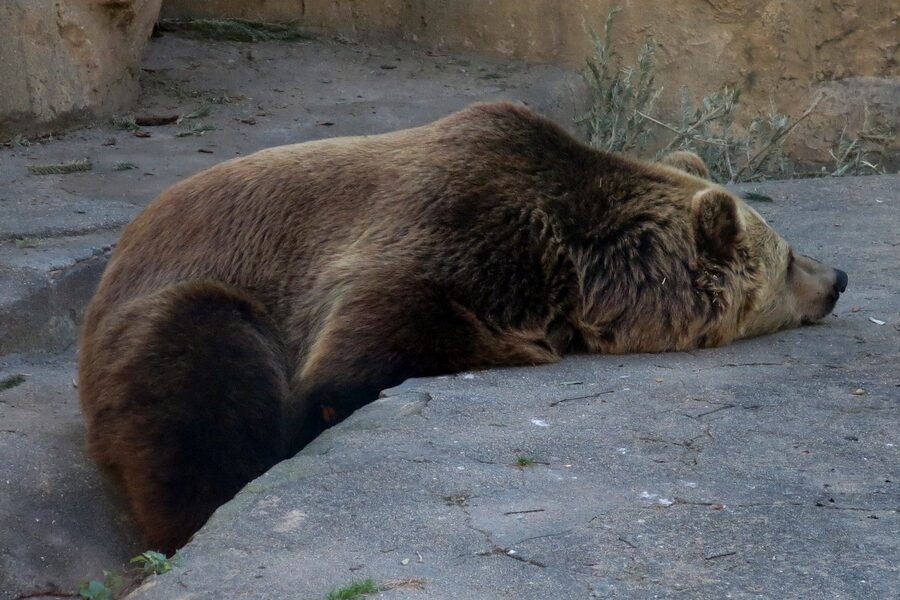
| Brown bear | Ursus arctos | 80-300 | Eurasia, North America: Russia, Scandinavia, Canada, Alaska |
| American black bear | Ursus americanus | 40-250 | North America: Canada, Alaska, northern USA |
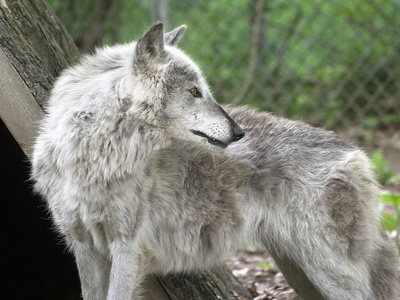
| Gray wolf | Canis lupus | 30-50 | Circumpolar: Russia, Scandinavia, Canada, Alaska |
| Red fox | Vulpes vulpes | 3-14 | Circumpolar: Eurasia, North America including taiga regions |
| Canada lynx | Lynx canadensis | 8-12 | North America: Canada, Alaska, northern USA |
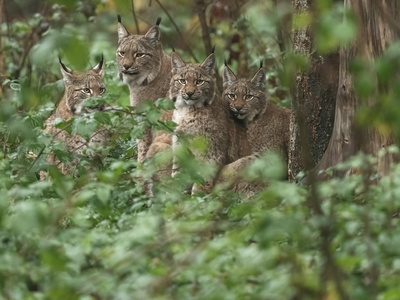
| Eurasian lynx | Lynx lynx | 18-30 | Eurasia: Scandinavia, Russia, eastern Europe |
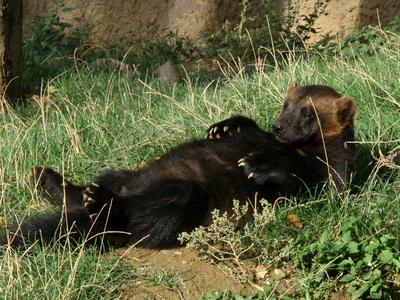
| Wolverine | Gulo gulo | 9-18 | Circumpolar: Russia, Scandinavia, Canada, Alaska |
| Sable | Martes zibellina | 0.70-2.20 | Eurasia: Russian taiga, Siberia |
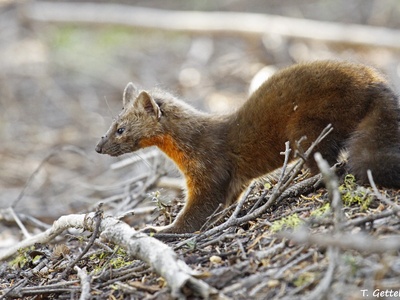
| American marten | Martes americana | 0.70-2.20 | North America: Canada, Alaska, northern USA |
| Pine marten | Martes martes | 0.80-1.80 | Eurasia: Scandinavia, Russia, Baltic states |
| Ermine (Stoat) | Mustela erminea | 0.10-0.40 | Circumpolar: Eurasia, North America in taiga zones |
| Least weasel | Mustela nivalis | 0.03-0.20 | Circumpolar: taiga regions in Eurasia and North America |
| American mink | Neogale vison | 0.50-1.50 | North America: Canada, Alaska; introduced to parts of Eurasia |
| North American river otter | Lontra canadensis | 5-14 | North America: Canada, Alaska, northern USA |
| Eurasian otter | Lutra lutra | 7-12 | Eurasia: Scandinavia, Russia, parts of Europe |
| North American beaver | Castor canadensis | 11-32 | North America: Canada, Alaska, northern USA |
| Eurasian beaver | Castor fiber | 11-32 | Eurasia: Russia, Scandinavia, parts of Europe |
| North American porcupine | Erethizon dorsatum | 5-14 | North America: Canada, Alaska, boreal forests |
| Siberian musk deer | Moschus moschiferus | 7-17 | Asia: Siberia, Russian Far East, parts of Mongolia and China |
| Snowshoe hare | Lepus americanus | 1.00-4.50 | North America: Canada, Alaska, boreal forests |
| Mountain hare | Lepus timidus | 2.00-5.00 | Eurasia: Scandinavia, Siberia, northern Europe |
| Norway lemming | Lemmus lemmus | 0.05-0.15 | Northern Europe: Fennoscandia taiga and tundra edges |
| Northern red-backed vole | Myodes rutilus | 0.02-0.05 | Circumpolar: Russia, Scandinavia, Canada, Alaska |
| Meadow vole | Microtus pennsylvanicus | 0.02-0.08 | North America: widespread including boreal meadows and wetlands |
| Root vole | Microtus oeconomus | 0.02-0.07 | Circumpolar: boreal wetlands across Eurasia and North America |
| Eurasian red squirrel | Sciurus vulgaris | 0.20-0.30 | Eurasia: Scandinavia, Russia, parts of European taiga |
| American red squirrel | Tamiasciurus hudsonicus | 0.15-0.25 | North America: Canada, Alaska, northern USA taiga |
| Northern flying squirrel | Glaucomys sabrinus | 0.06-0.14 | North America: boreal forests across Canada and Alaska |
| Siberian flying squirrel | Pteromys volans | 0.08-0.15 | Eurasia: Russian taiga, Finland, Baltics |
| Muskrat | Ondatra zibethicus | 0.60-1.50 | North America: widespread in boreal wetlands; introduced elsewhere |
| Masked shrew | Sorex cinereus | 0.003-0.006 | North America: boreal forests across Canada and Alaska |
| Common shrew | Sorex araneus | 0.01-0.02 | Eurasia: boreal forests from Britain to Siberia |
| Northern bat | Eptesicus nilssonii | 0.007-0.015 | Eurasia, parts of North America: boreal forests and wetlands |
| Little brown bat | Myotis lucifugus | 0.005-0.012 | North America: boreal forests, caves and buildings in summer |
| Brandt’s bat | Myotis brandtii | 0.004-0.009 | Eurasia: taiga and mixed forests across Russia and Scandinavia |
| Siberian roe deer | Capreolus pygargus | 20-35 | Asia: Russian taiga, Mongolia, northern China |
| European pine vole | Microtus subterraneus | 0.03-0.06 | Eurasia: southern taiga margins and mixed woodlands |
Images and Descriptions

Moose
Huge, long-legged deer of the taiga that browses willow and birch. Solitary browsers, they can wade wetlands and break ice to feed. Major winter adaptations include insulating fur and fat; IUCN: Least Concern.
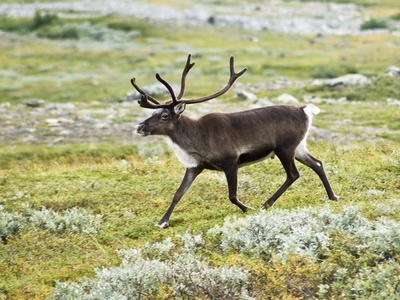
Reindeer (Caribou)
Nomadic herds graze lichens, grasses and shrubs across taiga and tundra. Adapted to cold with hollow hair and wide hooves for snow and bogs. Many populations are declining; overall IUCN: Vulnerable.
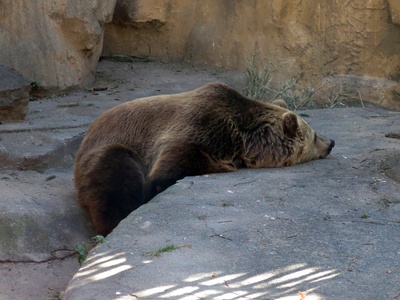
Brown bear
Large omnivore that uses taiga for foraging on berries, roots, fish and mammals, then dens for winter hibernation. Strong, fat-storing physiology and diverse diet; IUCN: Least Concern.

American black bear
Common boreal omnivore feeding on berries, nuts, insects and small mammals. Climbs trees, caches fat for winter torpor, and thrives in mixed taiga woodlands; IUCN: Least Concern.
Gray wolf
Pack predator of moose, deer and smaller mammals across the taiga. Highly social, territorial hunters with endurance for long chases; key regulator of boreal ecosystems; IUCN: Least Concern.

Red fox
Versatile omnivore hunting rodents, birds and scavenging fruit in taiga edges and clearings. Adaptable, with seasonal coat changes and keen hearing to locate prey beneath snow; IUCN: Least Concern.

Canada lynx
Taiga specialist that preys mainly on snowshoe hares. Large paws act like snowshoes for deep-snow hunting; populations closely track hare cycles; IUCN: Least Concern.
Eurasian lynx
Solitary ambush predator in mature boreal forests, taking deer and smaller mammals. Stealthy, with tufted ears and padded paws for snowy terrain; IUCN: Least Concern.
Wolverine
Powerful scavenger and predator adapted to cold, wide-ranging in taiga and mountains. Strong jaws for frozen carcasses and large home ranges; low densities make it sensitive to disturbance; IUCN: Least Concern.

Sable
Famous fur-bearing marten of the Russian taiga, hunting small mammals and birds. Arboreal and agile, with dense winter fur and seasonal food caching; IUCN: Least Concern.
American marten
Forest-dwelling carnivore feeding on squirrels, voles and birds. Excellent climber that favors mature coniferous stands and uses hollow trees for dens; IUCN: Least Concern.

Pine marten
Arboreal taiga mustelid eating small mammals, fruit and eggs. Agile climber with semi-retractile claws, reliant on mature forests and cavities for denning; IUCN: Least Concern.
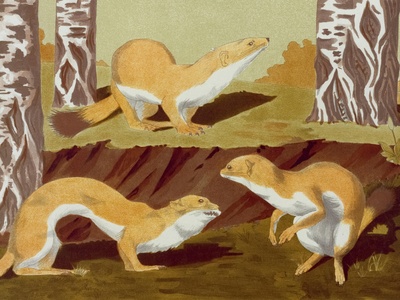
Ermine (Stoat)
Small, fierce predator of rodents and birds; changes to white winter coat in colder taiga regions for camouflage. High metabolic rate and hunting agility; IUCN: Least Concern.

Least weasel
Tiny carnivore that takes voles and mice within taiga undergrowth. Extremely agile, capable of following prey into burrows; some populations show seasonal color change; IUCN: Least Concern.
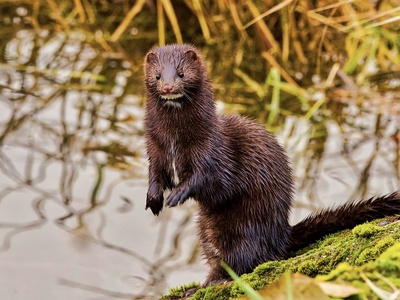
American mink
Semi-aquatic predator of fish, frogs and small mammals along taiga rivers and wetlands. Dense waterproof fur and strong swimmers, often den in riverbanks; IUCN: Least Concern.
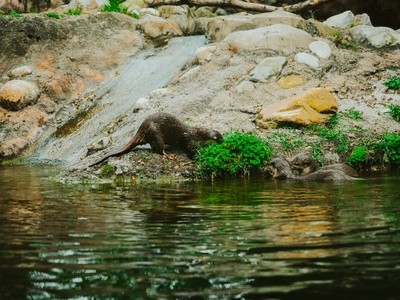
North American river otter
Playful, fish-eating mustelid found in taiga rivers and lakes. Streamlined body, webbed feet and dense fur allow efficient aquatic hunting year-round; IUCN: Least Concern.
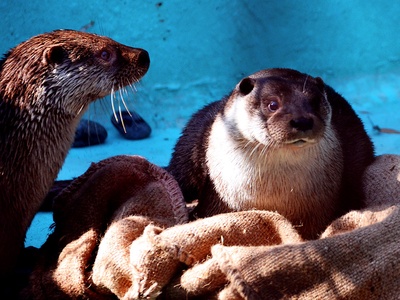
Eurasian otter
Riparian predator of fish and crustaceans in boreal waterways. Requires clean rivers and dense riparian cover; conservation status varies regionally but globally Near Threatened in some assessments.
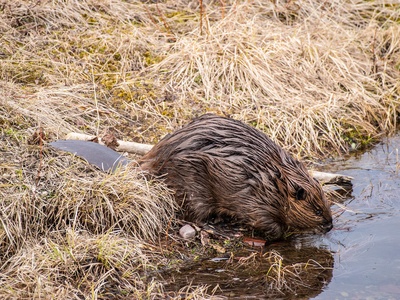
North American beaver
Iconic ecosystem engineer building dams and lodges in taiga streams. Herbivorous on bark and aquatic plants; modifies habitats, creating wetlands that boost biodiversity; IUCN: Least Concern.

Eurasian beaver
Reintroduced or recovering in many taiga rivers; builds dams and lodges, felling trees for food and construction. Key habitat creator in boreal ecosystems; IUCN: Least Concern.

North American porcupine
Slow-moving arboreal herbivore feeding on bark, twigs and needles. Quills for defense and a digestive system adapted to tough conifer diets; IUCN: Least Concern.
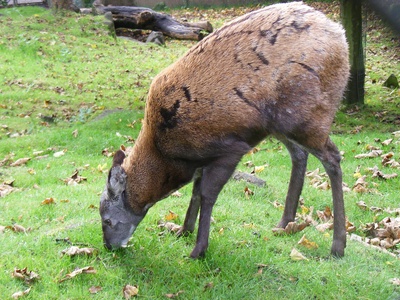
Siberian musk deer
Small, shy taiga deer browsing shrubs and mosses. Solitary, with musk glands prized by poachers; adapted to dense forest undergrowth. IUCN: Endangered due to hunting and habitat loss.
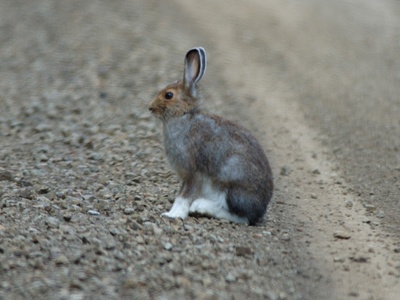
Snowshoe hare
Common taiga lagomorph eating twigs and buds; seasonal coat molts from brown to white for snow camouflage. Populations fluctuate with predator-prey cycles; IUCN: Least Concern.
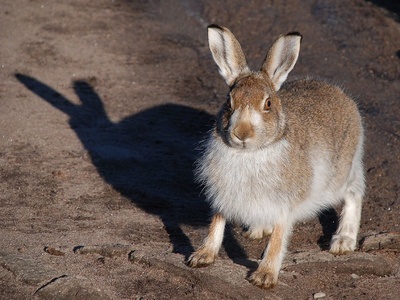
Mountain hare
Taiga and montane hare that feeds on woody shoots and grasses. Seasonal color change and large hind feet for deep-snow movement; IUCN: Least Concern.
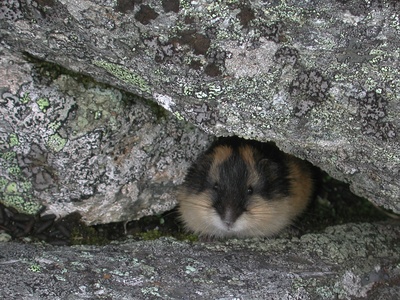
Norway lemming
Small, high-reproduction rodent famous for population cycles in boreal landscapes. Eats grasses and mosses, burrows under snow in winter; important prey for stoats and raptors; IUCN: Least Concern.
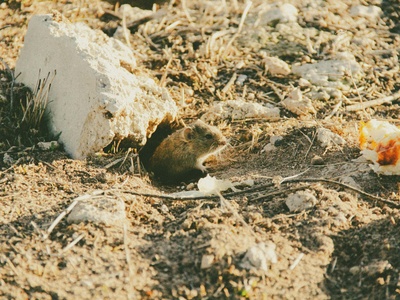
Northern red-backed vole
Common taiga rodent eating seeds, fungi and vegetation. Uses runways and surface tunnels under snow, disperses mycorrhizal fungi seeds; IUCN: Least Concern.
Meadow vole
Ground-dwelling herbivore of grasses and sedges in taiga clearings and bogs. High reproductive rate, key prey for many predators; IUCN: Least Concern.
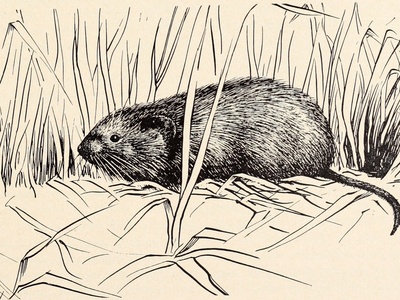
Root vole
Semi-aquatic vole favoring marshes and wet meadows within the taiga. Eats grasses and roots; populations can fluctuate with wetland conditions; IUCN: Least Concern.

Eurasian red squirrel
Arboreal seed eater specializing on conifer cones. Caches food, has seasonal coat changes and depends on mature conifer stands for nesting; IUCN: Least Concern.
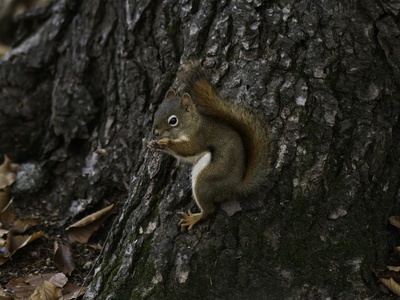
American red squirrel
Territorial tree squirrel that defends cone caches and feeds on seeds and fungi. Important seed disperser in boreal forests; IUCN: Least Concern.
Northern flying squirrel
Nocturnal gliding squirrel that nests in tree cavities and feeds on fungi, lichens and seeds. Specialized gliding membrane helps travel between trees in dense taiga; IUCN: Least Concern.
Siberian flying squirrel
Gliding nocturnal rodent of old-growth taiga that eats buds, buds and fungi. Depends on forest continuity and tree cavities for nesting; IUCN: Near Threatened in parts of its range.
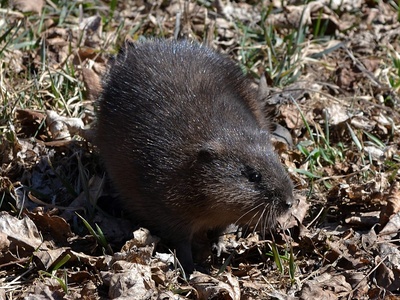
Muskrat
Semi-aquatic rodent that builds lodges and feeds on aquatic plants in taiga lakes and marshes. Influences wetland vegetation structure; IUCN: Least Concern.
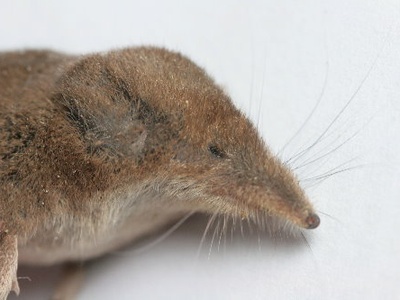
Masked shrew
Tiny insectivorous shrew hunting in leaf litter and under snowpack. Fast metabolism and venomous saliva help subdue prey; critical prey item for many taiga predators; IUCN: Least Concern.
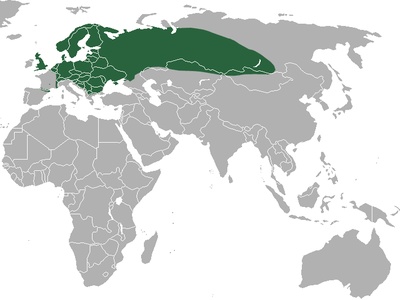
Common shrew
Widespread insectivore of taiga undergrowth. High-energy lifestyle, uses nesting sites in moss and logs; important small-prey species in boreal food webs; IUCN: Least Concern.
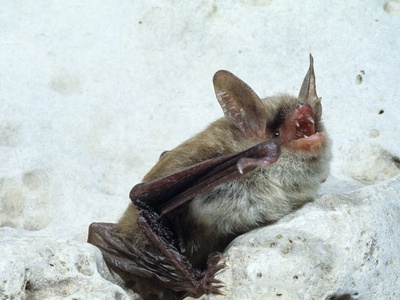
Northern bat
Common boreal bat that forages over water and forest edges in summer. Hibernates in tree cavities and underground sites; adapted to short northern summers; IUCN: Least Concern.

Little brown bat
Widespread insectivorous bat using taiga waterways and forest clearings for foraging. Suffered regional declines from white-nose syndrome; notable for summer roosting and insect control.
Brandt’s bat
Small insect-eating bat roosting in tree cavities and buildings during boreal summers. Forages low over water and in forest gaps; adapted to cold climates; IUCN: Least Concern.

Siberian roe deer
Smaller deer that browses shrubs and young trees along taiga edges and clearings. Agile and secretive, tolerates cold forests; regionally important prey for wolves and lynx; IUCN: Least Concern.
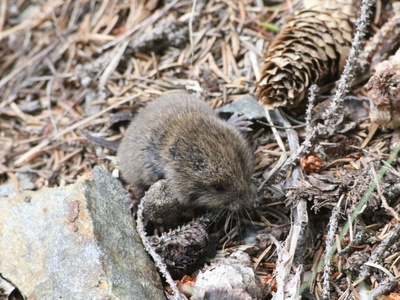
European pine vole
Small subterranean vole feeding on roots and bulbs in forest clearings. Creates runways underground and is important prey for small mustelids; IUCN: Least Concern