Tropical rainforests are living libraries of plant diversity, where layers of vegetation create complex habitats from the forest floor to the canopy. This list highlights species you might encounter across different rainforest regions, organized for quick comparison.
There are 37 rainforest flora, ranging from Agarwood to Wollemi pine. For each species you’ll find below entries organized by Scientific name,Height (m),Range to help you compare taxonomy, typical size, and geographic distribution — you’ll find below.
How were these 37 species chosen?
They were selected to represent a mix of well-known, ecologically important, and conservation-relevant plants across tropical and temperate rainforests; the aim was breadth rather than completeness, so the list includes species that illustrate different families, growth forms, and ranges.
How can I use the Scientific name,Height (m),Range columns in the field?
Use the Scientific name to avoid confusion from common names, the Height (m) to narrow down likely candidates by size, and the Range to confirm whether a species occurs in your area; together they make quick, practical checks before consulting photos or local field guides.
Rainforest Flora
| Name | Scientific name | Height (m) | Range |
|---|---|---|---|
| Brazil nut | Bertholletia excelsa | 40 | Amazon Basin (Brazil, Peru, Bolivia) |
| Kapok | Ceiba pentandra | 60 | Neotropics, West Africa, South Asia |
| Big-leaf mahogany | Swietenia macrophylla | 40 | Neotropics from Mexico to Bolivia |
| Rubber tree | Hevea brasiliensis | 30 | Amazon Basin (native) |
| Cacao | Theobroma cacao | 8 | Upper Amazon, Central America |
| Balsa | Ochroma pyramidale | 30 | Neotropics (Central & South America) |
| Strangler fig | Ficus spp. | 25 | Pantropical rainforests |
| Dipterocarp | Shorea spp. | 50 | Southeast Asian rainforests |
| Rattan | Calamus spp. | 30 | Southeast Asian rainforests |
| Sea heart liana | Entada gigas | 30–100 | Neotropics, Caribbean |
| Epiphytic orchid | Orchidaceae (epiphytic genera) | 0.5 | Pantropical rainforests |
| Tank bromeliad | Bromeliaceae (tank species) | 0.3 | Neotropical rainforests |
| Tree fern | Cyathea spp. | 8 | Pantropical and temperate rainforests |
| Cecropia | Cecropia spp. | 20 | Neotropical rainforests |
| Açaí palm | Euterpe oleracea | 25 | Amazon floodplain & várzea forests |
| Raphia palm | Raphia spp. | 20 | African and Madagascar rainforests |
| Heliconia | Heliconia spp. | 2 | Neotropical rainforests |
| Torch ginger | Etlingera elatior | 3 | Southeast Asian rainforests |
| Agarwood | Aquilaria malaccensis | 25 | Southeast Asian rainforests |
| Jackfruit | Artocarpus heterophyllus | 20 | South & Southeast Asian rainforests |
| Sitka spruce | Picea sitchensis | 70 | Pacific Northwest temperate rainforests |
| Western redcedar | Thuja plicata | 60 | Pacific Northwest temperate rainforests |
| Southern beeches | Nothofagus spp. | 30 | Southern temperate rainforests (Patagonia, NZ, Australia) |
| Kauri | Agathis australis | 50 | New Zealand temperate rainforests |
| Rafflesia | Rafflesia arnoldii | 0.5 | Southeast Asian lowland rainforests |
| Wollemi pine | Wollemia nobilis | 40 | Warm temperate rainforests, Australia (very restricted) |
| Guaraná | Paullinia cupana | 5 | Amazon Basin |
| Tropical pitcher plant | Nepenthes spp. | 1–3 | Southeast Asian rainforests |
| Sago palm | Metroxylon sagu | 10 | Southeast Asian peat and swamp rainforests |
| Tropical bamboo | Bambusa spp. | 15 | Pantropical rainforests (Asia, Americas) |
| Mangosteen | Garcinia mangostana | 20 | Sundaic rainforests (Indonesia, Malaysia) |
| Ebony | Diospyros ebenum | 25 | Sri Lanka, southern India, Southeast Asian rainforests |
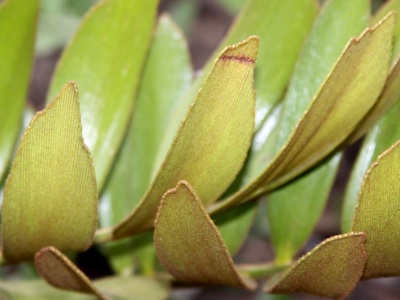
| Cycad (Zamia) | Zamia spp. | 1 | Neotropical rainforests |
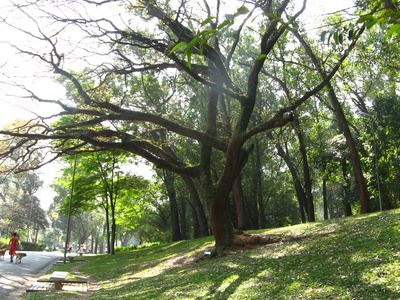
| Copaiba | Copaifera spp. | 30 | Amazon Basin and Central America |
| Andiroba | Carapa guianensis | 30 | Amazon Basin, Guianas |
| Brazilwood | Caesalpinia echinata | 20 | Atlantic Forest, Brazil |
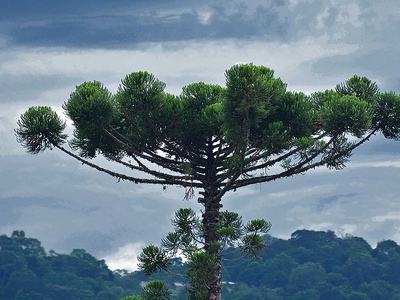
| Paraná pine | Araucaria angustifolia | 40 | Atlantic temperate rainforests (southern Brazil) |
Images and Descriptions
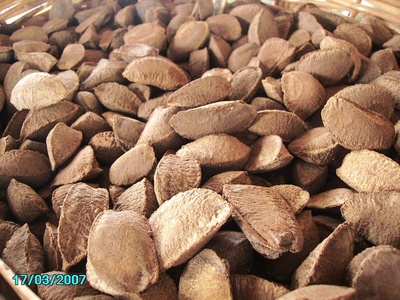
Brazil nut
Large emergent tree producing nutrient-rich nuts that are a keystone food source for Amazonian wildlife and an important income for local communities. It relies on intact forest and specific pollinators; habitat loss and overharvesting threaten genetic diversity and population stability.
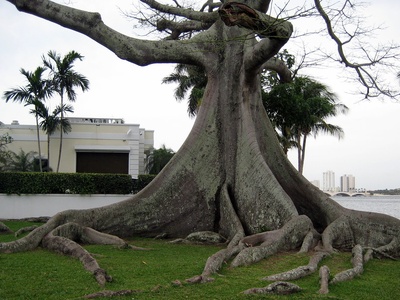
Kapok
Massive emergent with a buttressed trunk and cottony seed fibers that float through the canopy. Kapok provides structural habitat for epiphytes and birds; its fibers and lightweight timber have traditional uses, though trees are often vulnerable where forests are cleared.

Big-leaf mahogany
Iconic canopy tree prized for high-quality mahogany timber used in furniture and instruments. It supports diverse canopy fauna but has been heavily logged; wild populations are fragmented and subject to regulation and conservation efforts due to unsustainable harvest.
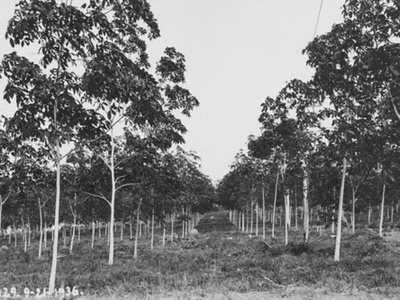
Rubber tree
Large rainforest tree historically tapped for natural rubber before plantation expansion. Wild rubber trees support complex forest ecosystems and genetic diversity important for disease resistance; deforestation and conversion to plantations have changed its ecological and economic role.
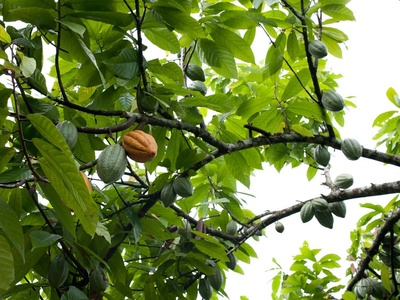
Cacao
Small understory tree producing cacao beans, the source of chocolate. Wild and semi-wild cacao depends on forest shade, specific pollinators, and soil conditions; conserving wild populations preserves genetic diversity that benefits agriculture and forest biodiversity.
Balsa
Fast-growing pioneer tree with exceptionally lightweight wood used for models, flotation, and crafts. Balsa colonizes disturbed gaps, providing rapid canopy cover and habitat for early-successional species; harvesting can be sustainable when forests are managed well.
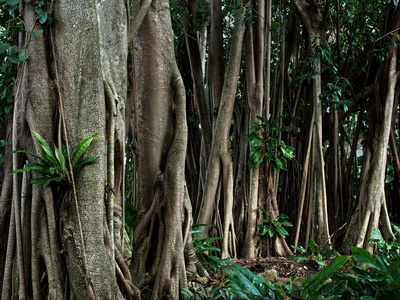
Strangler fig
Many hemi‑epiphytic Ficus begin life on other trees and later envelop hosts, becoming massive stranglers. Figs fruit year-round and are a keystone resource for birds, bats, and primates; they shape forest succession and provide critical food in lean seasons.
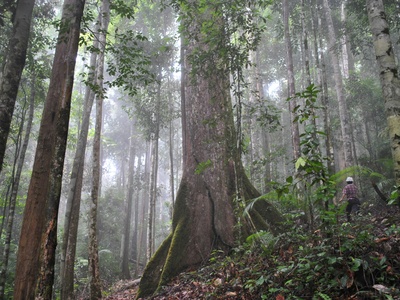
Dipterocarp
Dominant emergent canopy trees in SE Asian lowland rainforests that produce valuable timber and resin. Dipterocarps exhibit mast fruiting that structures animal populations; logging and land conversion have made many species conservation priorities in the region.

Rattan
Climbing palms providing flexible canes used for furniture, baskets, and livelihoods. Rattan grows across the understory and climbs into the canopy, connecting strata and supporting wildlife; unsustainable harvesting and forest loss have reduced wild stocks in many areas.
Sea heart liana
Gigantic woody vine that can span canopy gaps and send buoyant pods across oceans. Lianas like Entada connect tree crowns, create wildlife pathways, and compete with trees for light; they are ecologically important though sometimes increase after disturbance.
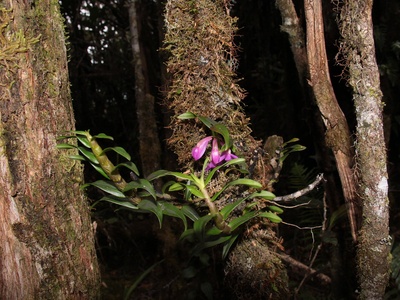
Epiphytic orchid
A diverse assemblage of showy, often fragrant plants growing on trunks and branches without harming hosts. Epiphytic orchids support specialized pollinators and add dramatic biodiversity to canopy microhabitats; many species are sensitive to habitat disturbance and collection pressure.
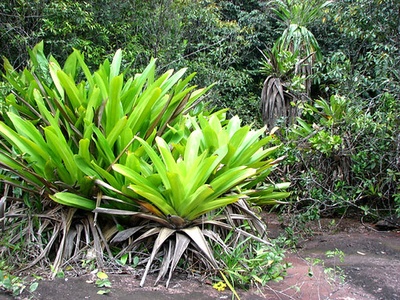
Tank bromeliad
Rosette-forming epiphytes that capture and store rainwater in leaf “tanks,” creating miniature aquatic habitats for frogs, insects, and microorganisms. These bromeliads recycle nutrients in the canopy and are important for many rainforest food webs.
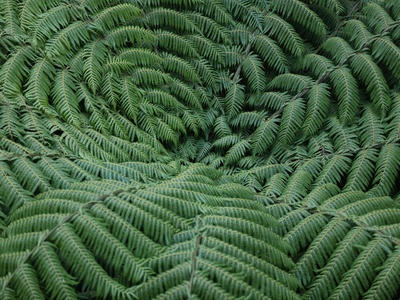
Tree fern
Tall, trunked ferns that create distinctive understory structure and microclimates in shaded forests. Tree ferns are ancient plants valued for their ecological role and cultural uses, and they are sensitive to logging, fire, and microclimate changes.
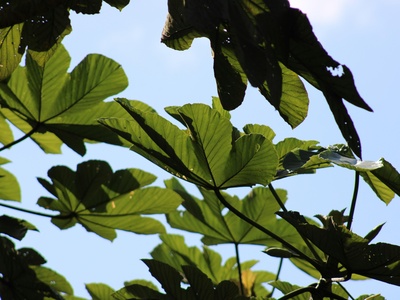
Cecropia
Fast-growing pioneer trees common in disturbed forest gaps that host mutualistic ants in hollow stems. Cecropia stabilizes soils, provides quick canopy cover and fruits for wildlife, and plays a major role in early successional stages after disturbance.
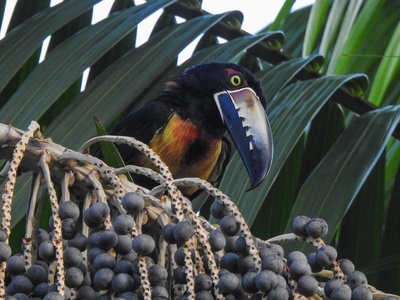
Açaí palm
Slender, clustering palm producing açaí berries that are economically important locally and globally. These palms form dense stands in floodplain forests, support floodplain ecology, and provide non-timber income streams to riverine communities.
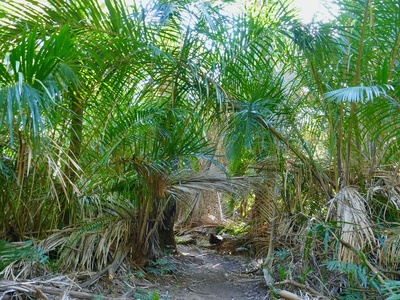
Raphia palm
Gigantic-leaved palms used for fiber, weaving, and thatching; some species dominate swampy rainforest zones. Raphia supports traditional livelihoods, provides habitat structure, and is culturally and economically significant in many African rainforest societies.

Heliconia
Striking understory herbs with colorful bracts that feed and attract hummingbirds and other pollinators. Heliconias are important nectar sources, often used as indicator plants for healthy understory communities and sometimes cultivated as ornamentals.
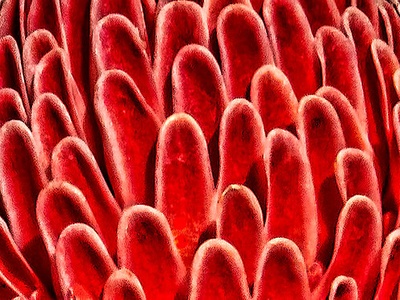
Torch ginger
Showy herb with large, edible inflorescences used in regional cuisines and rituals. Torch ginger thrives in humid understories, attracts pollinators like bees and birds, and contributes to cultural and culinary heritage while being sensitive to habitat alteration.
Agarwood
Tree that produces fragrant agarwood resin when infected by fungi; highly prized for incense and perfumery. Overharvesting for high-value resin has driven wild populations toward endangerment, prompting cultivation and conservation measures in native ranges.
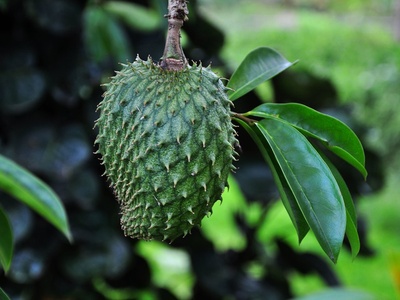
Jackfruit
Large fruit-bearing canopy tree native to humid rainforest margins, producing massive fruits eaten by people and wildlife. Jackfruit trees support agroforestry systems, cultural food traditions, and provide shade and structural habitat in forested landscapes.

Sitka spruce
Tall coastal conifer dominating many temperate rainforests of the North American Pacific coast. Sitka spruce supports rich old-growth ecosystems, provides nesting and shelter sites, and is a key timber species with conservation interest for intact forests.
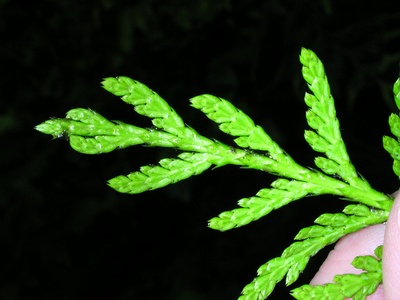
Western redcedar
Long-lived conifer central to Indigenous cultures for clothing, shelters, and canoes; its rot-resistant wood and ecological role in old-growth forests make living stands conservation priorities in temperate rainforest management.
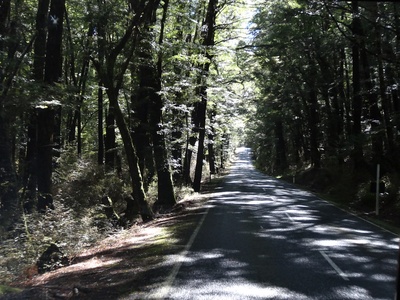
Southern beeches
Dominant canopy trees in many southern temperate rainforests that structure ecosystems and leaf litter processes. Nothofagus forests host unique understory communities and fungi and are critical for conserving southern hemisphere biodiversity patterns.
Kauri
Massive conifer endemic to New Zealand with deep ecological and cultural significance. Kauri trees form ancient canopy giants; their survival is threatened by kauri dieback disease, making conservation of remnant rainforest stands urgent.

Rafflesia
Parasitic plant known for producing the world’s largest single flowers that smell of carrion to attract pollinators. Rafflesia is highly specialized, rare, and vulnerable to habitat loss and collection, capturing public fascination while requiring forest protection.
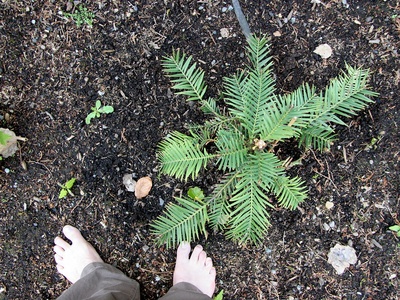
Wollemi pine
Living fossil conifer known from a tiny, hidden Australian rainforest population; critically important to conservation biology. Wollemi pine represents ancient rainforest lineages and is subject to strict protection due to its extreme rarity.
Guaraná
Climbing shrub producing caffeine-rich seeds used traditionally and commercially in beverages. Guaraná grows in shady understory habitats, contributes to local economies, and wild genetic diversity is important for cultivation resilience and rainforest conservation.
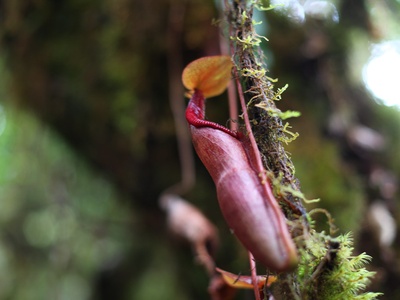
Tropical pitcher plant
Carnivorous climbing plants with pitfall traps that capture insects and sometimes small vertebrates, adapted to nutrient-poor soils. Nepenthes species form unique microhabitats, are often range-restricted, and face pressure from habitat loss and plant collecting.
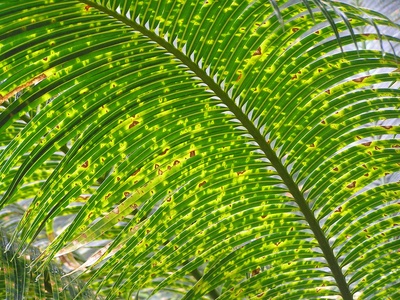
Sago palm
Staple starch source for many island and coastal communities, harvested from trunk pith; sago palms dominate swampy rainforest zones and are integral to local diets, culture, and wetland ecology where they grow.
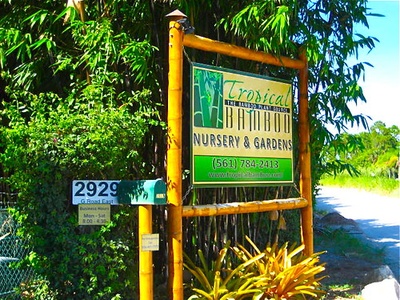
Tropical bamboo
Fast-growing woody grasses forming understory thickets or emergent clumps that provide rapid regrowth after disturbance. Tropical bamboos supply construction materials, habitat and food for wildlife, and are important in many traditional forest economies.
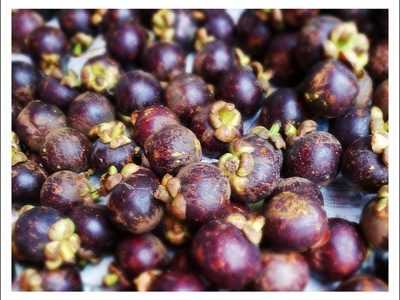
Mangosteen
Fruit tree native to humid rainforest understories producing prized mangosteen fruit. Wild populations are limited and tied to intact forest habitats; conserving native stands helps maintain genetic diversity and ecological interactions with seed dispersers.
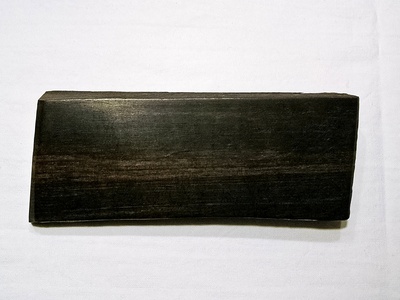
Ebony
Dense, dark hardwood historically overharvested for fine furniture and instruments. Ebony trees are slow-growing rainforest canopy species with restricted ranges; conservation focuses on protecting remnant forests and regulating timber extraction.
Cycad (Zamia)
Small, ancient gymnosperms producing starchy seeds and distinctive leaf crowns; some Zamia species occur in shaded rainforest understories. Many cycads are threatened by habitat loss and illegal collection, making in-situ habitat protection vital.
Copaiba
Canopy trees producing resin widely used in traditional medicine and modern industry for oils and anti-inflammatory extracts. Copaiba trees contribute to carbon storage and forest structure, and sustainable harvesting supports local economies while conserving stands.
Andiroba
Large wet-forest tree yielding bitter, neem-like seed oil used medicinally and as an insect repellent. Andiroba is a valuable non-timber forest product that encourages sustainable use of floodplain and terra firme rainforest resources.
Brazilwood
Historic source of red dye and the country’s namesake, once abundant in Atlantic rainforest but now highly reduced by logging and land conversion. Brazilwood is endangered in the wild and protected within remnant coastal rainforest fragments.
Paraná pine
Tall conifer formerly dominant in southern Brazilian mixed rainforests, producing edible seeds important to indigenous diets. Extensive logging and land-use change have made this species critically endangered, necessitating habitat restoration and protection.