In 1967 Dian Fossey began her fieldwork in Rwanda, and her decades of observation revealed gorillas as complex beings—far from the solitary brutes of early explorers’ tales. Since the 1960s, long-term studies in places like Virunga and Bwindi (and organizations such as the Dian Fossey Gorilla Fund) have reshaped public perception, showing animals that form tight bonds, communicate richly, and respond to changing landscapes. That shift matters: these apes are flagship animals for Africa’s tropical forests, indicators of ecosystem health, and important to many local cultures. Below are ten defining traits spanning anatomy, social life, and ecological challenges that explain what makes gorillas unique and why protecting them matters.
Physical traits
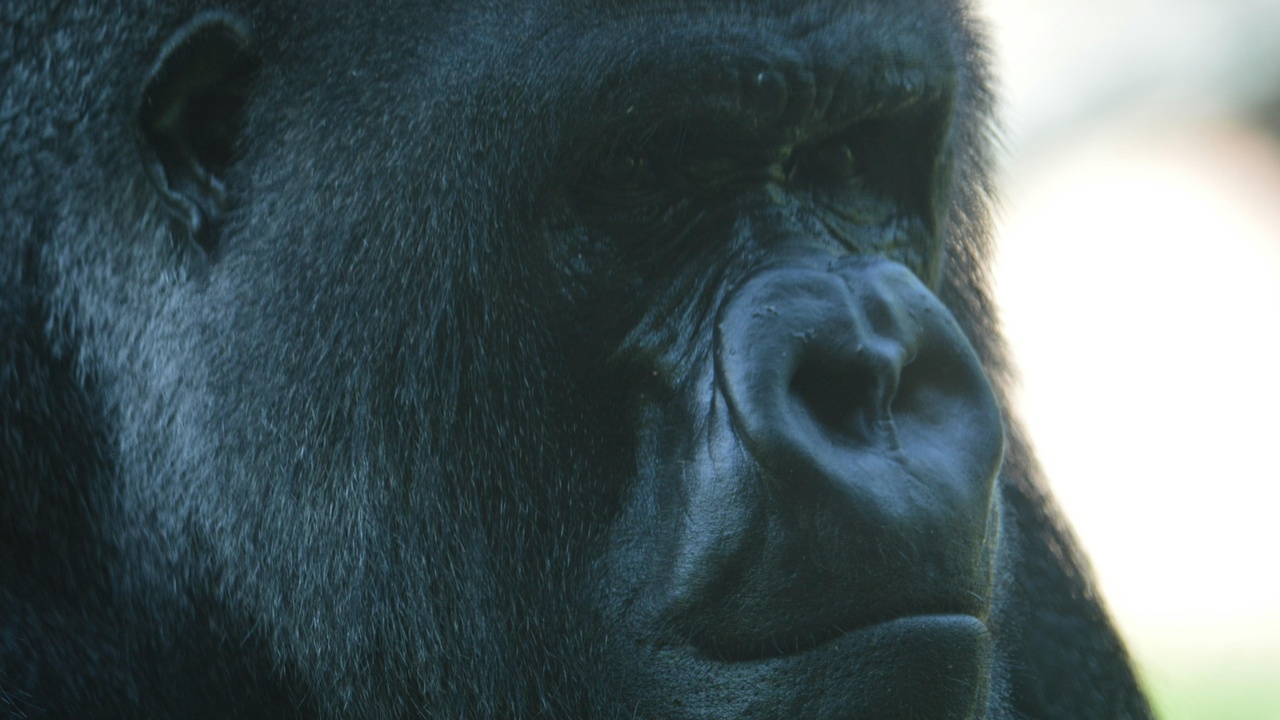
Gorillas are among the largest living primates, with anatomical features shaped by a terrestrial, mostly vegetarian lifestyle. This section covers body size, muscle distribution, skull and dental form, and the pronounced sexual differences that produce the iconic silverback.
1. Large size and strength
Gorillas are among the largest living primates, with adult males far heavier and taller than females. Adult male western lowland or mountain silverbacks commonly weigh between 300–430 lb (136–195 kg), while adult females typically weigh 150–220 lb (68–100 kg); standing height varies, with males often exceeding 5’5″ (165 cm) when upright (Smithsonian National Zoo, primatology records). That body mass supports powerful feeding—stripping stems and bending vegetation—permits forceful displays (pushing over plants) and underpins defensive actions when protecting the group.
2. Musculature and limb proportions
Their long arms, broad shoulders and heavy pectoral and back muscles are optimized for knuckle-walking and occasional bipedal posturing. Forelimbs typically exceed hindlimbs in length; an adult’s arm span often surpasses standing height by 10–20%, providing reach for climbing and manipulation. Field vets and zookeepers use body condition scoring—the visibility of muscle mass and limb tone—to assess health. In the wild, strong forelimbs let gorillas haul fruit, pull down branches, and climb to forage; in captivity, studies at accredited zoos document similar muscle use during enrichment and feeding exercises.
3. Dental and cranial features
Gorillas have robust skulls, pronounced sagittal crests in many males, and large jaws built for powerful chewing. Their dental formula mirrors other great apes (2.1.2.3 upper and lower), and canines—especially in males—can be several centimeters long, used mainly for display and occasional defense. Skull morphology provides broad surface area for chewing muscles to process fibrous leaves and stems. Researchers estimate age and diet composition from tooth wear patterns; for example, greater enamel abrasion often signals a leaf-heavy diet and older age in field studies.
4. Sexual dimorphism: the silverback
The term “silverback” describes mature males with silver or gray saddle hair on their backs, larger body mass, and more prominent cranial crests. Males may weigh roughly twice as much as females and show more pronounced skull ridge development. Behaviorally, silverbacks lead groups, mediate conflicts, and defend territory; dominance tenure can span many years depending on mortality and rival males. Because breeding opportunities center on dominant males, loss of a silverback can destabilize a group—an important consideration for targeted conservation efforts.
Behavior and social traits
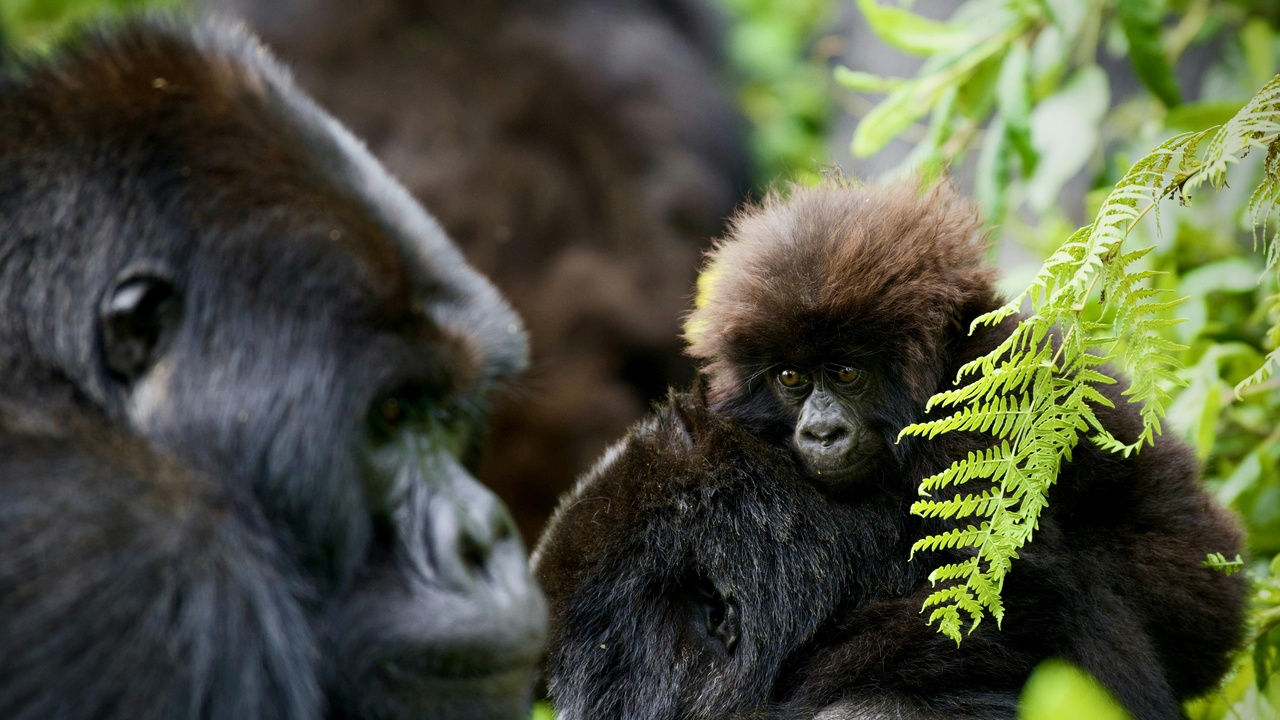
Gorillas live in cohesive social units with clear leadership, a rich set of communicative behaviors, and measurable cognitive skills. Below, learn how group structure, displays, and occasional tool use shape their daily lives and how researchers study those patterns.
5. Social structure and family groups
Most gorillas live in stable family groups led by a dominant silverback who directs movement, mediates disputes, and defends the troop. Typical group size ranges from about 5 to 30 individuals, commonly averaging around 10–15 members in long-term studies at Virunga and Bwindi. Groups usually contain one adult male, several adult females and their offspring, though multi-male groups occur. Understanding the characteristics of a gorilla in social terms helps rangers predict group responses during patrols and informs reintroduction strategies; for instance, documented group fusion events occur when solitary males join established groups or two groups merge after the loss of leaders, reshaping social bonds and breeding dynamics.
6. Communication and displays
Gorillas communicate with a mixture of vocal calls (hoots, grunts, belches), facial expressions, body postures and dramatic displays like chest-beating. Researchers have cataloged a variety of call types—some field studies note a dozen or more distinct vocal signals correlated with alarm, contact or play contexts. Scientists monitor vocal patterns to track group cohesion and stress; passive acoustic monitoring can reveal movement and population presence. A silverback’s chest-beat is a visual and acoustic threat display: rapid arm movements over the chest and resonant sounds produced by air expelled from the chest and amplified by body posture serve to intimidate rivals without direct conflict.
7. Intelligence and tool use
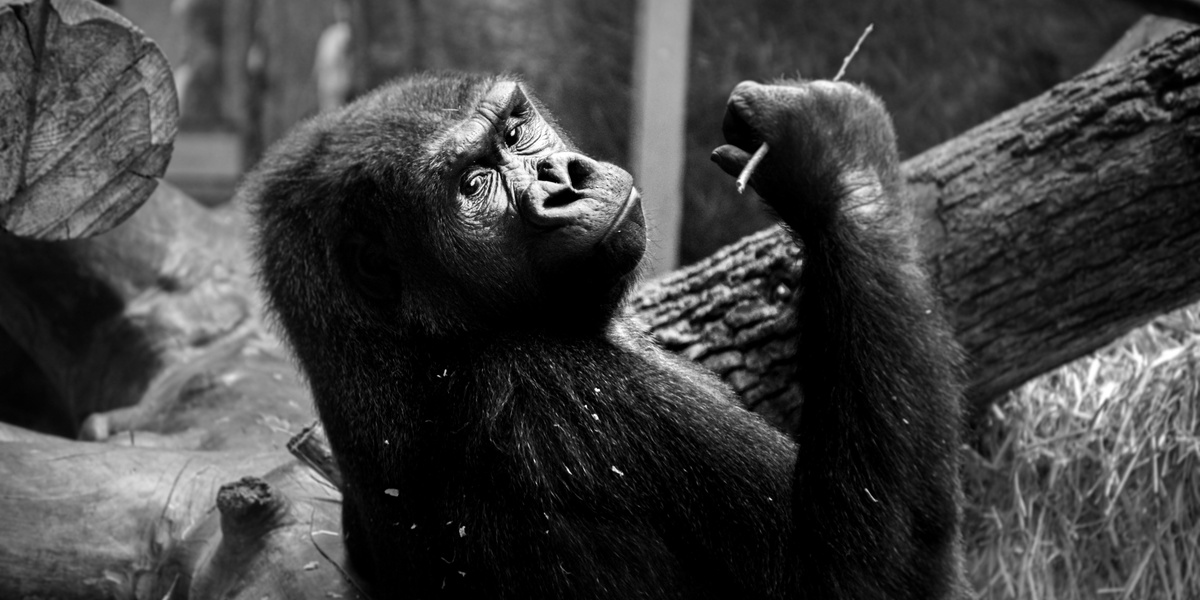
Gorillas show notable cognitive flexibility—problem-solving, social learning and occasional tool-assisted behavior. Field observers have recorded wild individuals using sticks to test water depth, folding leaves as insulating pads, or using vegetation to extract aquatic plants; captive cognition studies (for example at the Max Planck Institute and various accredited zoos) document object manipulation and puzzle-solving under enrichment protocols. These abilities inform enrichment programs in zoos and rehabilitation practices; knowing gorillas can learn tool techniques helps trainers design tasks that encourage natural behaviors. A well-documented field case describes a gorilla using a branch to help reach fruit in a swampy patch—an elegant, context-driven solution observed by researchers.
Ecology and conservation
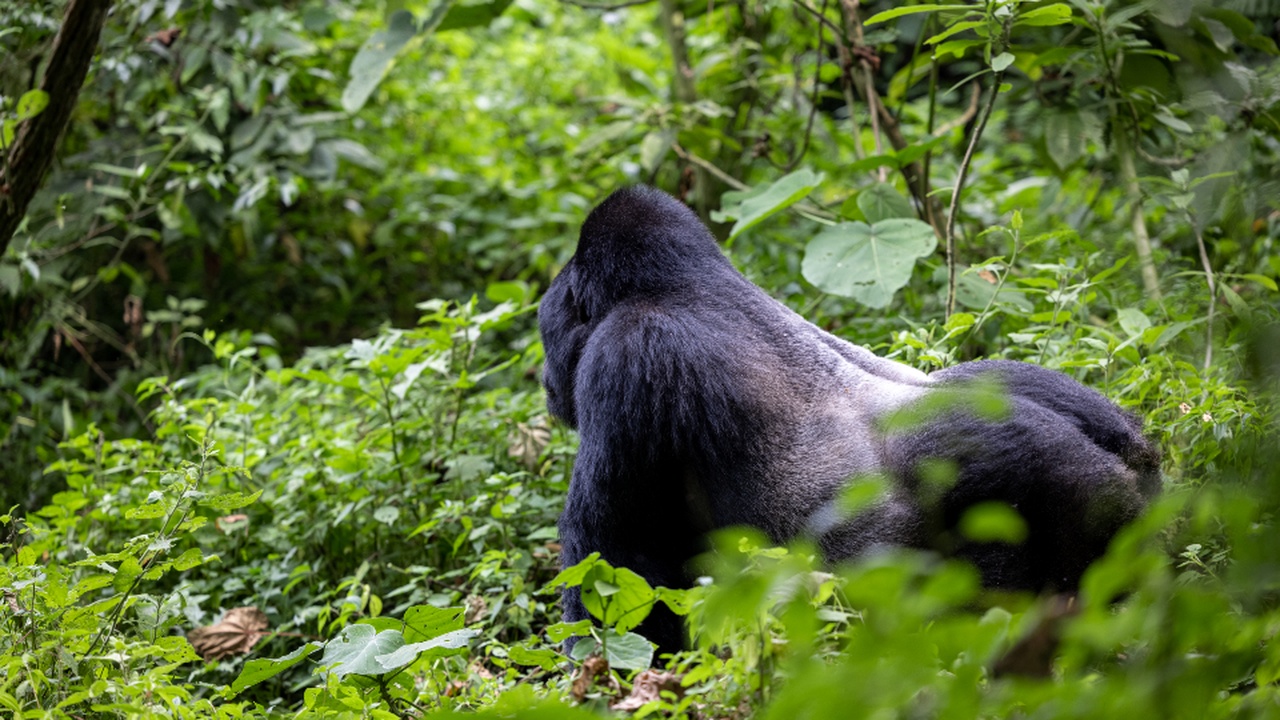
Gorillas depend on intact forest ecosystems; their diets, movement patterns and long-term survival tie directly to habitat quality and human pressures. The subsections below cover feeding ecology, geographic ranges, and conservation status—highlighting practical measures that help or harm populations.
8. Diet and foraging behavior
Gorillas are primarily herbivorous, but diet composition varies by subspecies and habitat. Mountain gorillas eat mostly leaves, stems and shoots, consuming up to 18–30 kg (40–66 lb) of vegetation per day, while western lowland gorillas include a higher proportion of fruit when available. Typical diet items include leaves, pith, fruit, bark and occasional insects. Seasonal fruit availability drives ranging behavior in fruit-reliant populations, prompting longer daily travel during peak fruiting. Park managers use knowledge of seasonal food patterns to predict movements and reduce human–wildlife conflict in buffer zones.
9. Habitat and range
Gorillas inhabit the tropical forests of central Africa, with Eastern and Western species occupying distinct ranges. Mountain gorillas live at higher elevations (about 2,200–4,300 m) in Virunga and Bwindi, while western lowland gorillas occupy lowland and swamp forests across multiple countries. Home-range sizes vary by food availability but commonly fall in tens to a few hundred square kilometers for multiple groups in a landscape. Habitat protection underpins ecotourism revenue—parks like Virunga, Bwindi and Kahuzi-Biega generate funds and jobs tied to responsible gorilla tourism, linking conservation with local economies.
10. Conservation status and threats
Several gorilla taxa face serious threats, even as targeted conservation has produced notable recoveries. There are two recognized gorilla species and four subspecies; mountain gorillas number roughly ~1,000 individuals following decades of protection, while other subspecies have much lower and more fragmented populations. Major threats include habitat loss, poaching, disease (notably Ebola in western populations), and human encroachment. Organizations such as IUCN, WWF, the Dian Fossey Gorilla Fund and Gorilla Doctors coordinate monitoring, veterinary intervention and community programs to reduce risk. The characteristics of a gorilla—slow reproduction, tight social bonds and habitat specificity—make recovery possible with sustained protection but fragile if interventions lapse.
Summary
Gorillas combine great physical strength with social sophistication and ecological sensitivity; their survival reflects both biology and human choices.
- Adult males can weigh over 300 lb, yet social bonds steer group survival and behavior.
- Groups commonly contain 5–30 individuals; silverbacks lead, protect, and mediate daily life.
- Diet varies: mountain gorillas eat mostly foliage; western lowland gorillas eat more fruit seasonally.
- Conservation gains exist (mountain gorilla recovery); threats like disease and habitat loss continue.
Support reputable groups—Dian Fossey Gorilla Fund, Gorilla Doctors, IUCN or park-based programs—or choose responsible gorilla tourism to help protect these apes and their forests.