An estimated 70% of surveyed people say they fear at least one wild animal—yet many of those fears are rooted in myths rather than data.
Misconceptions matter: they shape conservation funding, influence local and national policy, and can make coexisting with wildlife harder and riskier for both people and animals.
This piece debunks common myths about 10 of the most misunderstood animals, showing how each species plays vital ecological, cultural, or economic roles despite its bad reputation.
You’ll read short, evidence-based profiles across three categories—predators, small and overlooked species, and large iconic animals—and walk away with surprising facts, real-world examples, and practical steps individuals and communities can take.
First up: carnivores that attract the most emotion.
Predators and Carnivores Often Misjudged
Predators trigger strong emotions—fear, fascination, outrage—and media coverage often magnifies rare incidents. Yet apex and mesopredators regulate prey populations, influence vegetation and nutrient cycles, and help maintain biodiversity.
Story-driven coverage inflates perceived risk; practical coexistence tools—policy changes, technologies, and community programs—show how people and predators can both thrive.
1. Wolves: Ruthless killers or keystone species?
Wolves are often labeled bloodthirsty livestock killers, but the ecological record paints a fuller picture.
The Yellowstone wolf reintroduction (1995) produced measurable trophic cascades: altered elk behavior, vegetation rebound along riparian zones, and returning songbird and beaver activity (a classic example of predator-driven ecosystem change).
Livestock predation by wolves is real but often a small share of total losses; in many U.S. states, wolves account for roughly 1–2% of annual cattle losses, with most livestock mortality due to illness, birthing complications, and management issues.
Non-lethal tools—fladry fences, range riders, and guard animals—plus compensation programs in Montana and Idaho have reduced conflict and incentivized coexistence for ranchers.
Yellowstone’s experience and state-level compensation schemes illustrate that combining deterrents with fair payments can lower tensions and protect both livelihoods and wolf populations.
2. Sharks: Man-eating monsters or vulnerable predators?
Shark attacks dominate headlines, which fuels fear, but the numbers tell a different story: globally there are roughly 60–80 unprovoked shark bites per year.
Meanwhile, many shark populations have crashed: some groups show declines up to 70% since the 1970s due to overfishing and bycatch.
Sharks regulate marine food webs, supporting healthy fisheries and seagrass habitats. Economically, shark-diving operations—at places like Guadalupe Island and parts of South Africa—generate tourism revenue that often outweighs costs associated with living near sharks.
Protected areas and population monitoring (including Great White tagging programs) are practical conservation tools that also reduce risky interactions by keeping human use zones and critical shark habitat better managed.
3. Bats: Disease vectors and bloodsuckers?
Bats attract fear because of headlines about zoonoses and rabies, but those risks are concentrated in a tiny fraction of species and situations.
Bats are the second-largest order of mammals, with about 1,400 described species. Only a small percentage carry rabies at any given time.
Many bats provide huge benefits: insectivorous species eat hundreds to thousands of insects per night per bat, so large Mexican free-tailed colonies can remove vast pest loads over a season. Nectar-feeding bats pollinate agave and durian, and fruit bats disperse seeds that regenerate tropical forests.
Practical steps—installing bat boxes, following safe-handling guidelines, and supporting rehabilitation groups—protect people and preserve the pest-control and pollination services bats provide.
Small and Overlooked Species That Deserve Better

Small animals—rodents, birds, and arthropods—are often dismissed as pests, yet they deliver outsized ecosystem services such as seed dispersal, pest control, and nutrient cycling.
Better urban planning, sanitation, and humane management can reduce conflict while preserving the benefits these species provide to cities and farms.
4. Rats: Filthy disease spreaders or intelligent survivors?
Rats carry a reputation for filth and disease, but modern sanitation and integrated pest management (IPM) keep public-health risks much lower than in the past.
At the same time, rats have been indispensable in medical research for more than a century; millions of laboratory rats are used worldwide each year to advance treatments and basic science.
Rats also serve ecological roles such as seed dispersal in some systems. Urban solutions—improved refuse management, sealed food storage, and targeted, humane control—reduce harmful encounters. Cities like Singapore show how design and enforcement lower rodent contact and disease risk.
5. Pigeons: ‘Rats with wings’ or urban partners?
Pigeons get dismissed as “rats with wings,” but their long relationship with humans includes domestication, wartime messenger service, and cultural traditions.
Pigeons served as carrier birds in WWI and WWII—Cher Ami is one famous example—and modern urban ecology shows they consume discarded organic matter and form part of food webs in cities that host millions of birds worldwide.
Humane management—loft programs, contraceptive methods, and habitat modification—lets cities balance pigeon populations without wholesale eradication while preserving cultural practices like pigeon racing and heritage flocks.
6. Spiders: Dangerous predators or backyard pest managers?
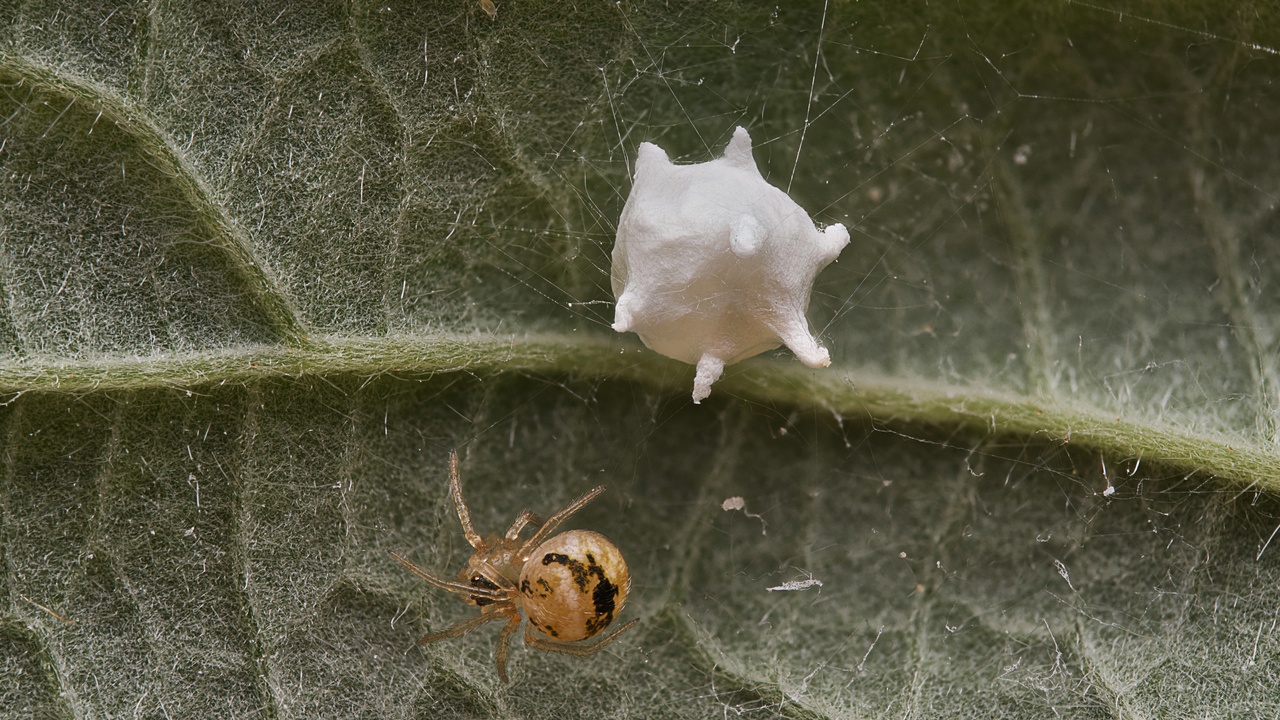
Many people fear spiders, but there are roughly 45,000 described species and only about 25 or so are considered medically significant to humans.
Most spiders are harmless and beneficial, eating insects that damage gardens and homes. Common house spiders reduce pest numbers without posing real danger to people.
Simple precautions—seal gaps, shake out shoes stored outside, and learn basic bite first-aid—limit negative encounters. Seek medical help if a bite produces severe symptoms, but remember most spider encounters are benign.
Large and Iconic Animals: Myths vs. Reality
Large animals draw intense narratives because they are visible, symbolically important, and sometimes involved in conflicts with people. The trade-offs are real: conservation benefits often clash with local livelihoods and safety concerns.
Most conflicts arise from habitat loss, changing land use, and human behavior—factors that can be mitigated through policy, technology, and community engagement.
7. Elephants: Gentle giants or agricultural pests?
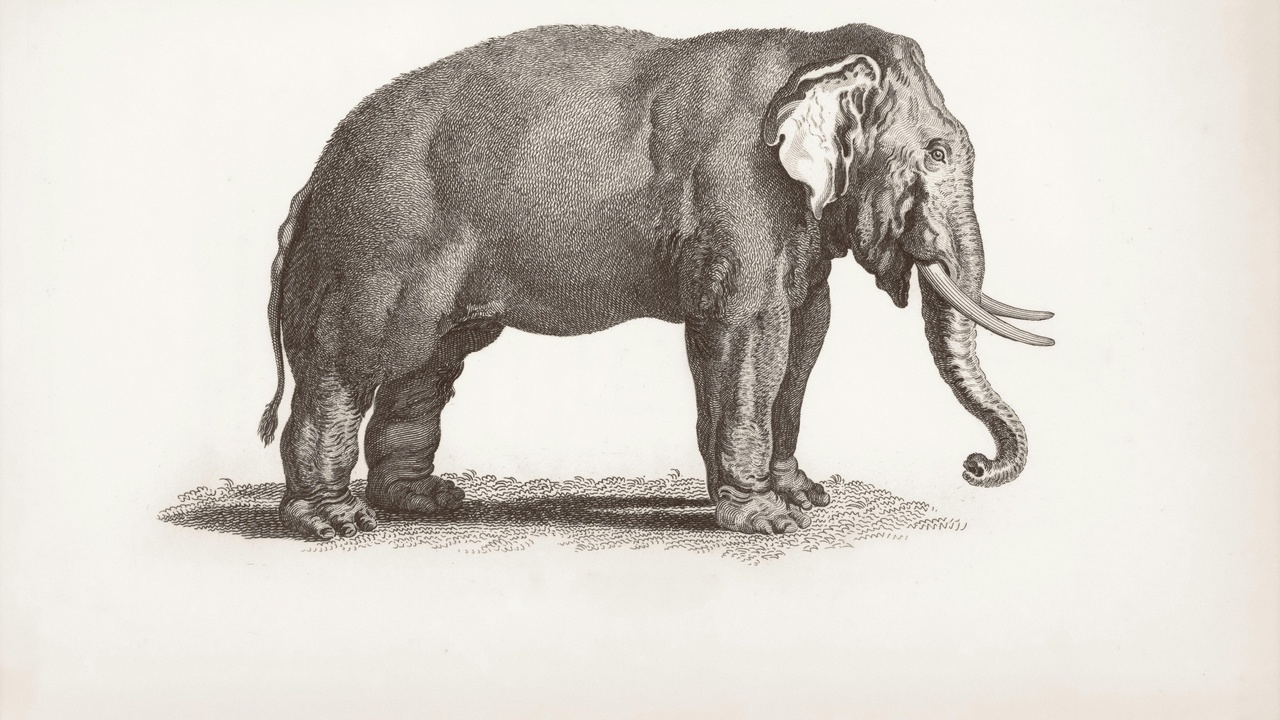
Elephants are celebrated for their intelligence and role as ecosystem engineers, but they also raid crops when ranges shrink and human agriculture expands.
Recent surveys place African savanna elephant numbers in the low hundreds of thousands (roughly 400,000–500,000 depending on region), while Asian elephants are far fewer, in the tens of thousands.
Conflict drivers include habitat fragmentation and shrinking corridors. Practical mitigation—beehive fences in Kenya, community early-warning systems, and compensation or insurance schemes—have reduced crop losses and retaliatory killings in places like parts of India and Botswana.
Eco-tourism revenues and well-managed corridors also provide economic incentives to keep elephant populations connected and reduce risky encounters.
8. Crocodiles: Cold-blooded killers or integral predators?
Crocodiles inspire fear, and attacks do occur—resulting in hundreds of human fatalities worldwide each year—but risk varies widely by region and activity.
Crocodilians shape aquatic ecosystems by controlling prey, creating nesting habitats, and even forming pools that benefit other species.
Many attacks are linked to risky human behaviors such as fishing at night or collecting water from the same sites used by crocodiles. Warning systems, secure water access points, and community education in affected regions have proven effective at reducing incidents.
9. Bears: Marauders or solitary foragers?
Bears are often painted as aggressive food-stealers, yet most bear species are omnivores that typically avoid people and only occasionally cause serious incidents.
Fatal bear attacks in North America are rare relative to the number of human-bear encounters. Food attractants—garbage, unsecured coolers, livestock feed—drive most conflicts.
Simple measures like bear-resistant containers, community education, and aversive conditioning for problem individuals have dramatically reduced incidents in parks and towns that adopt them.
10. Snakes: Aggressive killers or important pest controllers?
Snakes provoke strong fear, but of roughly 3,700 snake species worldwide only about 600 are considered venomous, and the public-health burden from snakebite is concentrated in rural tropical regions.
WHO estimates place snakebite deaths in the tens of thousands annually, underscoring a real health issue where access to antivenom and emergency care is limited.
Ecologically, snakes keep rodent populations in check, helping protect crops and reduce disease vectors. Community education, better habitat management around homes, and improved antivenom distribution are the most effective ways to reduce snakebite mortality.
Summary
- Misconceptions often outweigh data: many feared species perform essential ecological and economic roles.
- Actual risk is frequently lower than perceived—only a few spider, snake, and bat species pose widespread medical threats, and shark attacks are rare compared with conservation declines.
- Most conflicts stem from habitat loss or human behavior, and targeted solutions—beehive fences, bear-proof bins, safe water access, and non-lethal deterrents—work.
- Simple actions you can take: install wildlife-proof garbage, support local corridor or habitat projects, or learn safe handling and first-aid for local species.
- For reliable information and guidance on the most misunderstood animals and conservation priorities, consult the IUCN or your local wildlife agency.