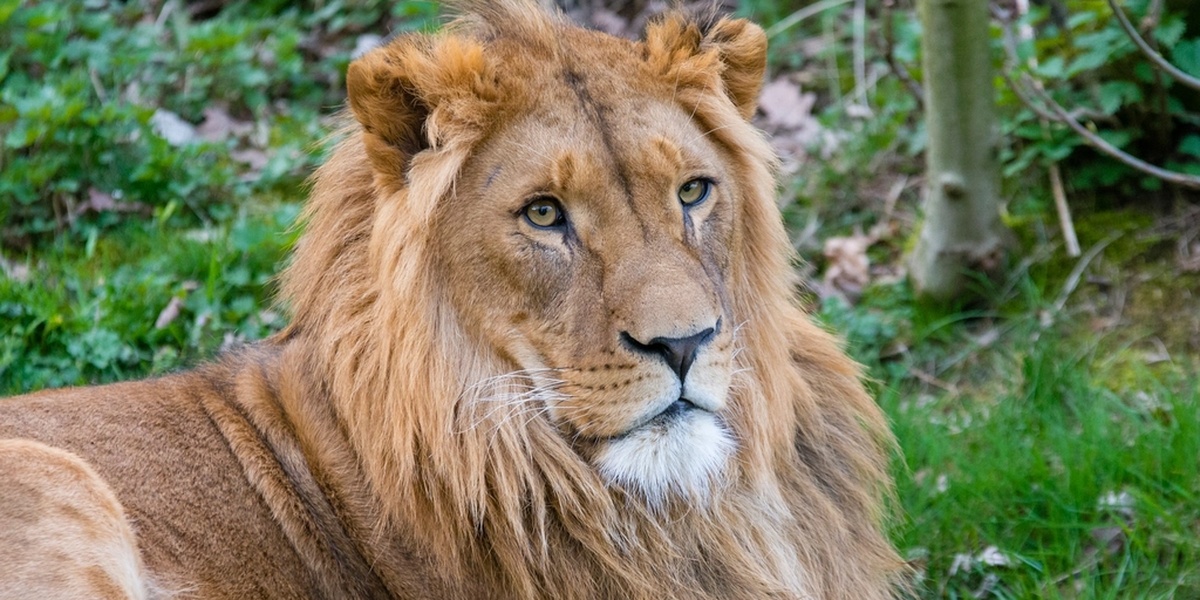
From rolling prairies to East African savannas, grasslands support a surprising variety of mammals, birds, and reptiles adapted to open terrain and seasonal change. Winds, grazing pressure, and patchy water shape who lives there and how they move, so the animals you encounter often rely on speed, group behavior, or migratory habits rather than hiding.
There are 20 Grassland Animals, ranging from African buffalo to Thomson’s gazelle. For each species I list the Scientific name, Size (cm), and Range — details you’ll find below.
How were the species on this list selected?
I chose species that are characteristic of grassland ecosystems across regions—common or ecologically important animals that illustrate the variety of forms and roles in those habitats—so the list balances large grazers, smaller prey, and typical predators to give a representative overview.
How should I use the Scientific name, Size (cm), and Range columns?
Use the Scientific name to avoid ambiguity, Size (cm) as a quick field reference (noting age and sex variation), and Range to check geographic relevance; together they help narrow ID options and give a practical starting point for field notes or basic research.
Grassland Animals
| Name | Scientific name | Size (cm) | Range |
|---|---|---|---|
| American bison | Bison bison | 250-350 | North America, Great Plains/prairie |
| Pronghorn | Antilocapra americana | 120-150 | North America, Great Plains/prairie |
| Black-tailed prairie dog | Cynomys ludovicianus | 30-45 | North America, shortgrass and mixed-grass prairie |
| Greater prairie-chicken | Tympanuchus cupido | 40-60 | North America, tallgrass and mixed prairies |
| Black-footed ferret | Mustela nigripes | 35-50 | North America, shortgrass prairie |
| Plains zebra | Equus quagga | 220-250 | Eastern and southern Africa, savanna |
| Blue wildebeest | Connochaetes taurinus | 170-240 | Eastern and southern Africa, savanna and floodplain grasslands |
| Thomson’s gazelle | Eudorcas thomsonii | 80-100 | East Africa, short grass savanna and plains |
| Saiga antelope | Saiga tatarica | 100-125 | Central Asia, steppe and semi-desert grasslands |
| African buffalo | Syncerus caffer | 220-300 | Sub-Saharan Africa, savanna and floodplain grasslands |
| Lion | Panthera leo | 170-250 | Sub-Saharan Africa, savanna and open grassland |
| Cheetah | Acinonyx jubatus | 110-140 | Sub-Saharan Africa and small parts of Iran, open savanna |
| Przewalski’s horse | Equus ferus przewalskii | 220-240 | Central Asia, Eurasian steppe (reintroduced populations) |
| Red kangaroo | Osphranter rufus | 120-200 | Australia, arid and semi-arid grasslands and open plains |
| Emu | Dromaius novaehollandiae | 150-190 | Australia, grasslands, savanna and open woodlands |
| Greater rhea | Rhea americana | 100-140 | South America, pampas and grasslands |
| Maned wolf | Chrysocyon brachyurus | 100-140 | South America, cerrado and grassland-savanna |
| Pampas deer | Ozotoceros bezoarticus | 100-130 | South America, pampas and grasslands |
| Guanaco | Lama guanicoe | 110-130 | South America, Patagonian steppe and puna grasslands |
| Steppe eagle | Aquila nipalensis | 72-85 | Eurasia, steppe and open grasslands (breeding) |
Images and Descriptions
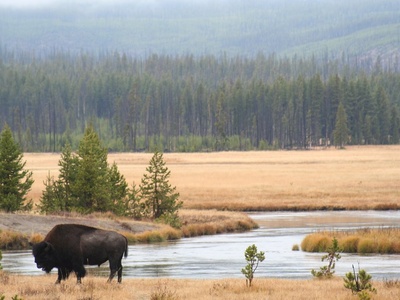
American bison
Massive grazer that shaped prairie ecosystems by grazing and wallowing; feeds on grasses and sedges, forms roaming herds, and rebounded from near-extirpation thanks to conservation efforts. IUCN status: Near Threatened.
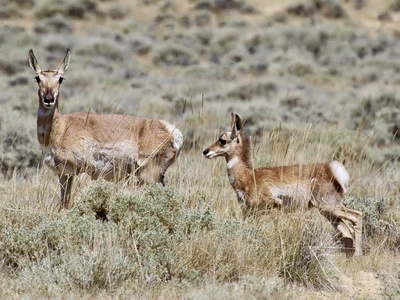
Pronghorn
Speedy grazer of North American prairies that eats grasses and forbs; noted for extraordinary sprinting speed, keen eyesight, endurance, and seasonal migrations across open plains in herds. IUCN status: Least Concern.
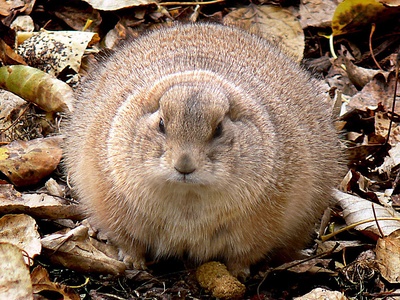
Black-tailed prairie dog
Small social rodent of Great Plains prairies that feeds on grasses, seeds, and roots; lives in vast communal burrows, creates prairie “towns” that boost biodiversity and is famous for alarm calls. IUCN status: Least Concern.
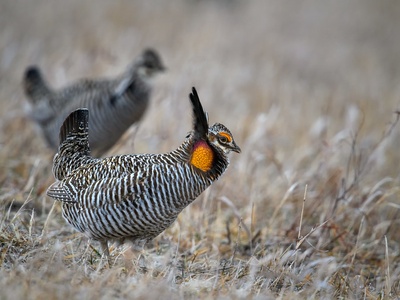
Greater prairie-chicken
Stocky grouse of tallgrass and mixed prairies whose males perform booming courtship displays and elaborate dances on leks; feeds on seeds, insects, and buds and is threatened by habitat loss. IUCN status: Vulnerable.
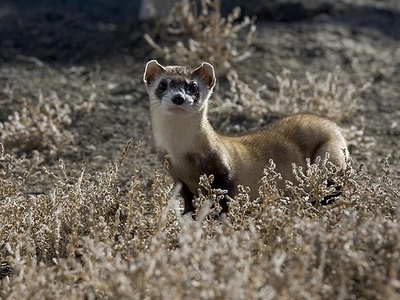
Black-footed ferret
Rare carnivore specialized on prairie dog colonies; largely nocturnal and hunts ground-dwelling prey, was once extinct in the wild and now survives via reintroduction and captive-breeding programs. IUCN status: Endangered.
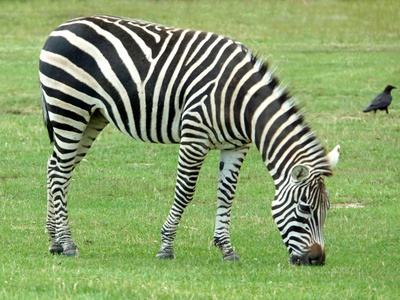
Plains zebra
Striped savanna grazer that feeds on short grasses; lives in social herds, uses stripes for camouflage and parasite deterrence, and undertakes long-distance movements across plains. IUCN status: Near Threatened.
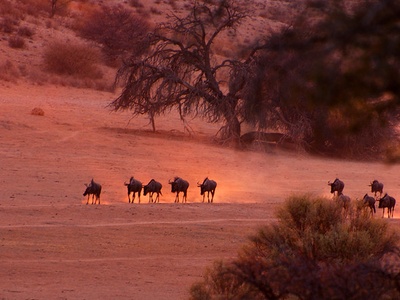
Blue wildebeest
Gregarious grazer that eats mostly grasses; famous for massive seasonal migrations and dramatic river crossings, forming huge herds that reshape grassland ecology and predator dynamics. IUCN status: Least Concern.
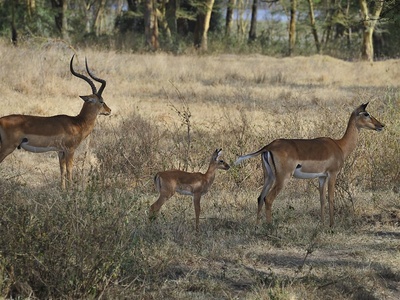
Thomson’s gazelle
Small, agile grazer common on East African plains; feeds on grasses and browse, escapes predators with high-speed zigzag sprints and quick turns during group movements. IUCN status: Near Threatened.
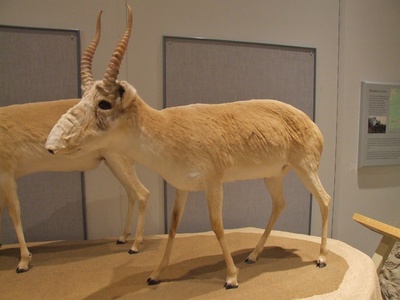
Saiga antelope
Distinctive nomadic antelope with a bulbous nose that filters dust; grazes steppe grasses and herbs, forms large migratory herds but has suffered catastrophic declines from disease and poaching. IUCN status: Critically Endangered.
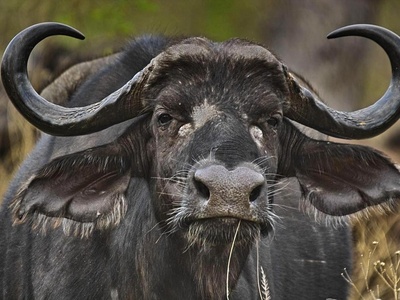
African buffalo
Robust grazer and browser found in savannas and floodplains; travels in protective herds, can be dangerous when threatened, and plays a big role in shaping grassland vegetation. IUCN status: Least Concern.
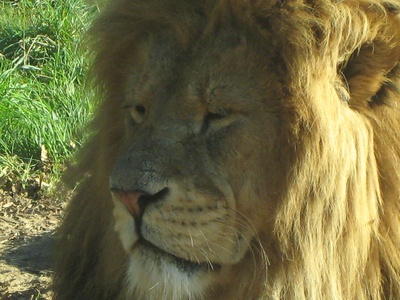
Lion
Top predator of many savanna systems that hunts large ungulates; lives in social prides, cooperates in hunts across open grasslands, and faces declines from habitat loss and conflict. IUCN status: Vulnerable.
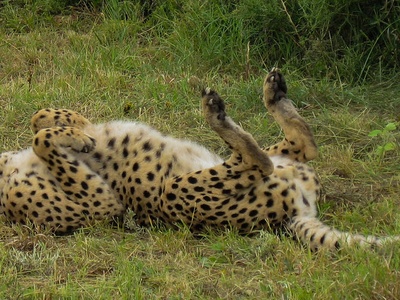
Cheetah
Lightweight, fast cursorial predator specialized for sprinting on open grasslands; feeds on antelopes and gazelles, relies on speed and stealth, and suffers from habitat fragmentation and conflict. IUCN status: Vulnerable.
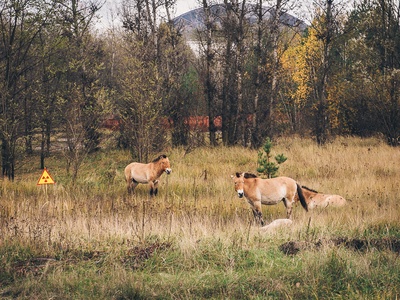
Przewalski’s horse
Wild horse native to steppes, a grazing specialist on grasses and sedges; extinct in the wild historically but reintroduced, notable for robust build and social bands. IUCN status: Endangered.
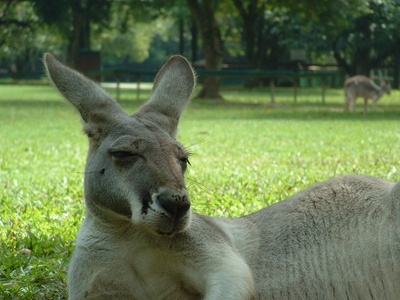
Red kangaroo
Largest marsupial and dominant grazer of Australian grasslands; primarily feeds on grasses, uses powerful hind legs to cover large distances and conserve water, and is abundant across open country. IUCN status: Least Concern.
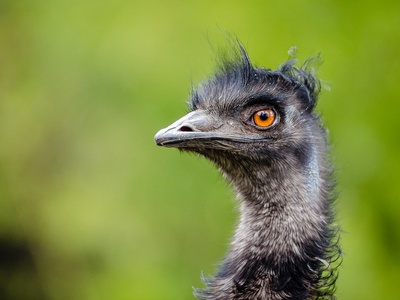
Emu
Large flightless bird of open grasslands that forages on seeds, fruits, and insects; capable of long-distance travel, disperses seeds, and nests on the ground in open habitat. IUCN status: Least Concern.
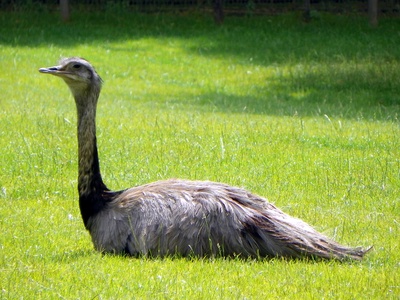
Greater rhea
Large, long-legged flightless bird of pampas and grasslands that grazes on plants and occasionally eats insects; notable for communal nesting behavior and fast running to escape predators. IUCN status: Near Threatened.
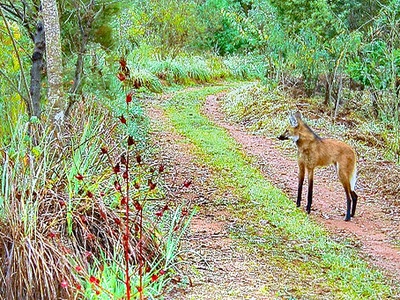
Maned wolf
Tall, long-legged canid of South American savanna and cerrado that eats fruits, small mammals, and insects; uses scent marking and is notable for its solitary, crepuscular habits. IUCN status: Near Threatened.
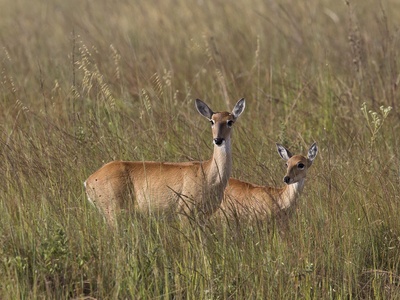
Pampas deer
Slender grazer of South American pampas feeding on grasses and herbs; secretive and local, threatened by habitat conversion and fragmentation across its range. IUCN status: Near Threatened.
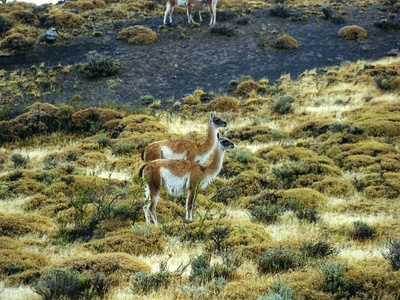
Guanaco
Wild camelid that grazes native grasses and shrubs across Andean plateaus and steppe; forms family groups and is an important herbivore of high-altitude grasslands. IUCN status: Least Concern.
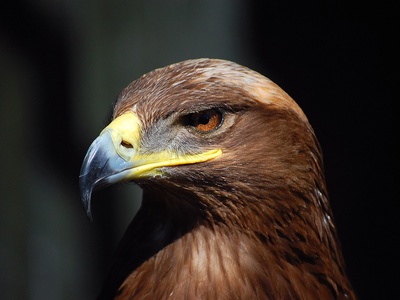
Steppe eagle
Large raptor of steppes that feeds on small mammals, carrion, and reptiles; nests on open ground or low cliffs and migrates long distances but faces rapid population declines. IUCN status: Endangered.