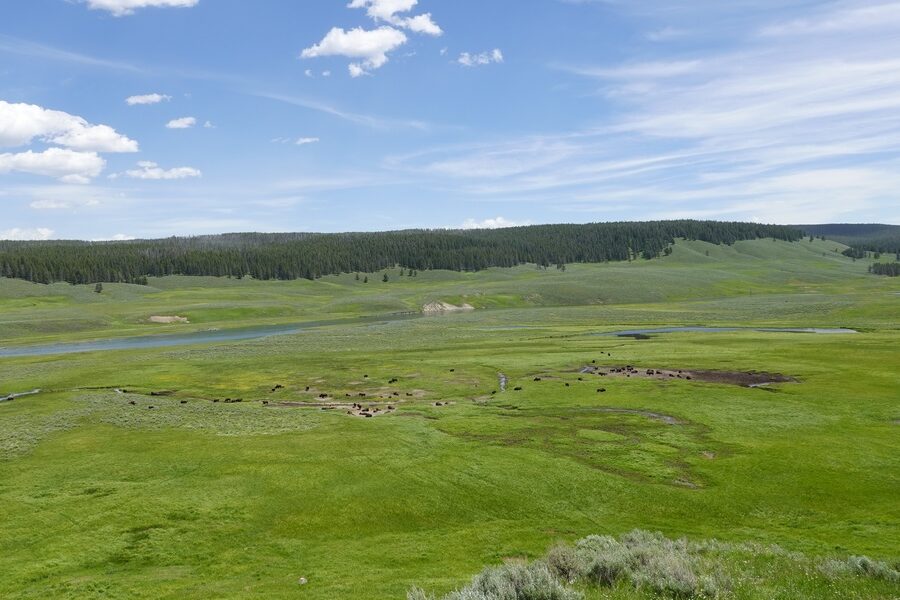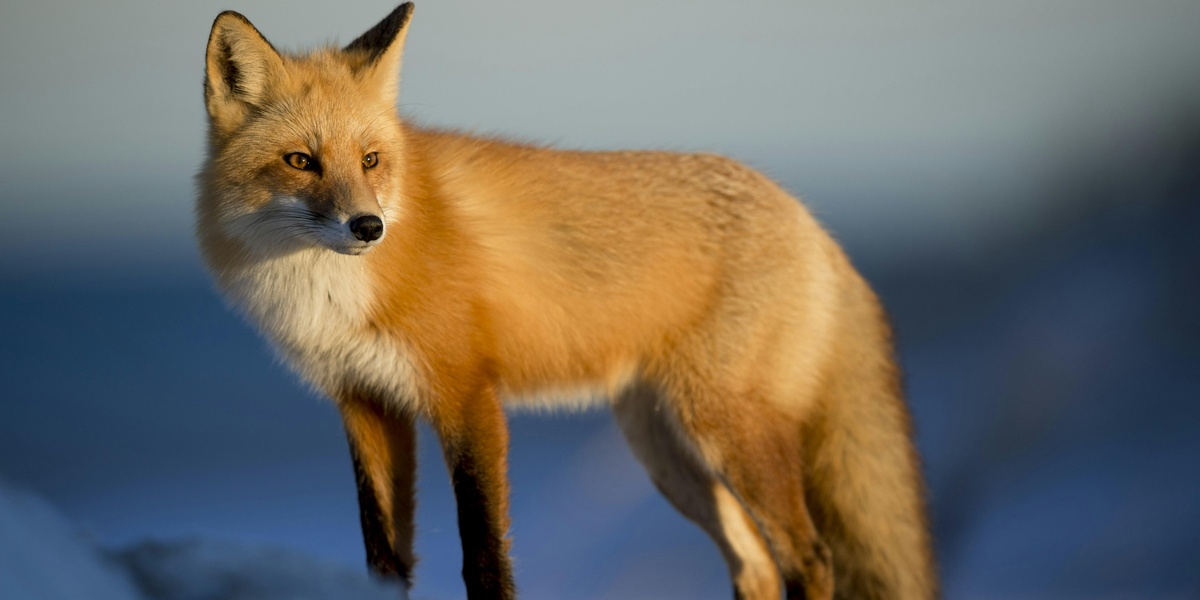
Temperate grasslands stretch across continents from North America to Eurasia, shaped by seasonal rains and fires and hosting a mix of grasses, scattered shrubs, and open skies. These landscapes support a wide range of animal strategies, and watching the interactions between species gives a quick view into how the ecosystem functions.
There are 29 Temperate Grasslands Omnivores, ranging from the American crow to the Western meadowlark. For each species, data are organized as Scientific name,Average weight (kg),Diet (summary), which you’ll find below.
Which omnivores am I most likely to see on a walk in a temperate grassland?
Look for versatile birds and small mammals: crows and meadowlarks are common in many areas, while foxes, skunks, and opportunistic rodents or passerines may appear depending on nearby water, shelter and human presence. Time of day, season, and local land use (grazing, crops) influence which omnivores are active and visible.
How do omnivores affect grassland health and management?
Omnivores help control insect and small vertebrate populations, disperse seeds, and recycle nutrients by consuming varied foods. Their flexible diets make them resilient to change, so understanding where they feed and nest can inform grazing, restoration, and pest-management decisions.
Temperate Grasslands Omnivores
| Common name | Scientific name | Average weight (kg) | Diet (summary) |
|---|---|---|---|
| Coyote | Canis latrans | 13.00 | Small mammals, insects, fruits, seeds; seasonal fruit consumption |
| Red fox | Vulpes vulpes | 6.50 | Rodents, birds, invertebrates, berries; seasonal plant intake |
| Swift fox | Vulpes velox | 2.50 | Insects, small mammals, fruits, seeds seasonally |
| Striped skunk | Mephitis mephitis | 2.50 | Insects, small vertebrates, fruits, seeds seasonally |
| European badger | Meles meles | 10.00 | Earthworms, insects, small mammals, cereals, fruits |
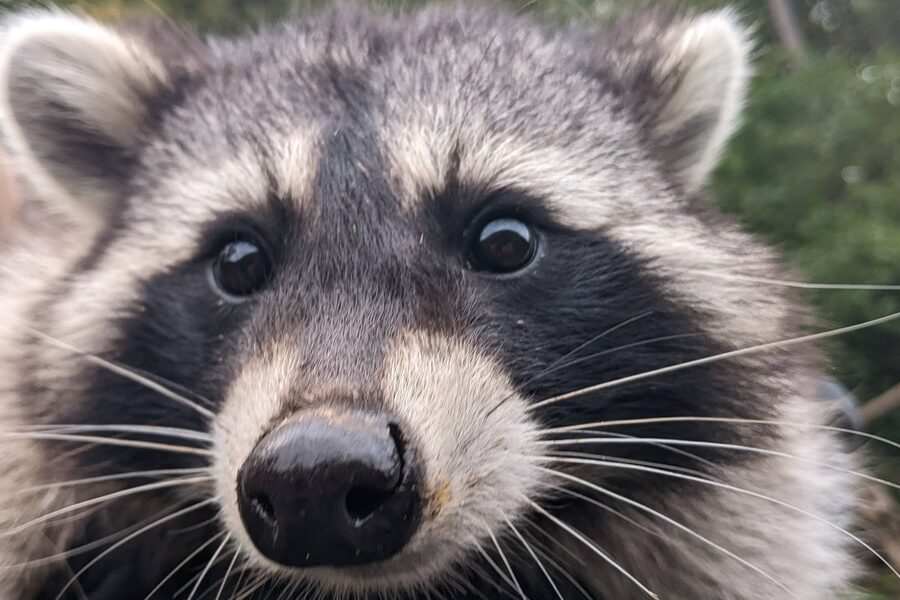
| Raccoon | Procyon lotor | 7.00 | Invertebrates, small vertebrates, fruits, seeds; flexible diet |
| Virginia opossum | Didelphis virginiana | 3.50 | Insects, small vertebrates, fruits, carrion occasionally |
| Pampas fox | Lycalopex gymnocercus | 4.00 | Rodents, insects, fruits, eggs seasonally |
| Patagonian fox | Lycalopex griseus | 3.50 | Small mammals, insects, fruits, carrion occasionally |
| Golden jackal | Canis aureus | 10.00 | Rodents, insects, fruits, birds; opportunistic plant intake |
| Black-backed jackal | Canis mesomelas | 7.00 | Small mammals, insects, fruits, scavenged items |
| Deer mouse | Peromyscus maniculatus | 0.03 | Seeds, berries, insects, spiders seasonally |
| Thirteen-lined ground squirrel | Ictidomys tridecemlineatus | 0.25 | Seeds, grasses, insects; seasonal insect peaks |
| American crow | Corvus brachyrhynchos | 0.45 | Invertebrates, small vertebrates, grains, fruits; very flexible |
| Common raven | Corvus corax | 1.10 | Small animals, insects, fruits, grains; opportunistic omnivore |
| European starling | Sturnus vulgaris | 0.07 | Insects, fruits, seeds; forages in flocks seasonally |
| Western meadowlark | Sturnella neglecta | 0.09 | Insects, seeds, berries seasonally |
| Eastern meadowlark | Sturnella magna | 0.10 | Insects, seeds, berries; seasonal shifts |
| Northern bobwhite | Colinus virginianus | 0.25 | Seeds, insects, berries; chicks heavily insectivorous |
| Ring-necked pheasant | Phasianus colchicus | 1.20 | Seeds, grains, insects, small vertebrates occasionally |
| Great-tailed grackle | Quiscalus mexicanus | 0.17 | Insects, small vertebrates, fruits, grains; opportunistic |
| Black-billed magpie | Pica hudsonia | 0.22 | Insects, small vertebrates, seeds, fruits seasonally |
| Eurasian magpie | Pica pica | 0.22 | Invertebrates, small vertebrates, seeds, fruits |
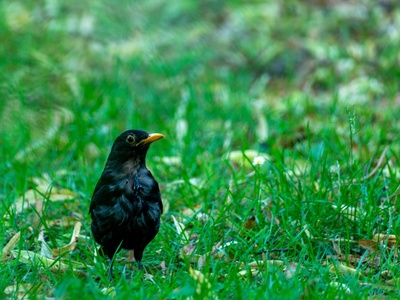
| Common blackbird | Turdus merula | 0.10 | Earthworms, insects, berries, fruits seasonally |
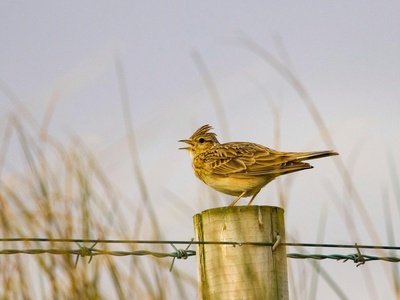
| Skylark | Alauda arvensis | 0.04 | Insects, spiders, seeds; variable by season |
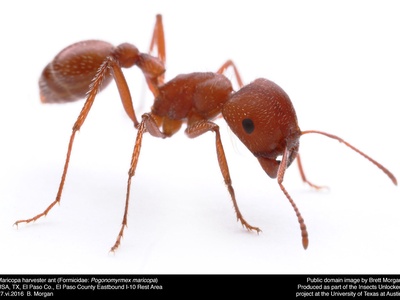
| Harvester ant | Pogonomyrmex spp. | 0.00 | Seeds, collected plant material, arthropods; mixed diet |
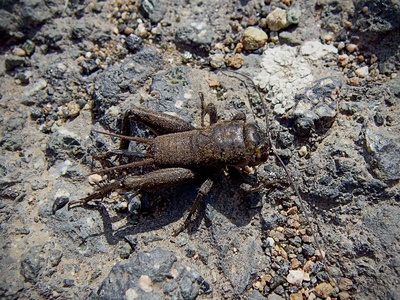
| Field cricket | Gryllus campestris | 0.02 | Plant material, seeds, decaying matter, small invertebrates |
| Black garden ant | Lasius niger | 0.00 | Honeydew, seeds, small invertebrates; opportunistic |
| Darkling beetle (omnivorous species) | Tenebrionidae spp. | 0.00 | Detritus, seeds, fungi, small invertebrates seasonally |
Images and Descriptions
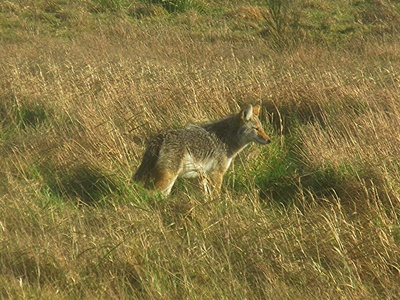
Coyote
Widespread across North American prairies and steppes, coyotes are adaptable omnivores that control rodent populations and eat fruits seasonally; they scavenge and hunt alone or in pairs, shaping grassland food webs.
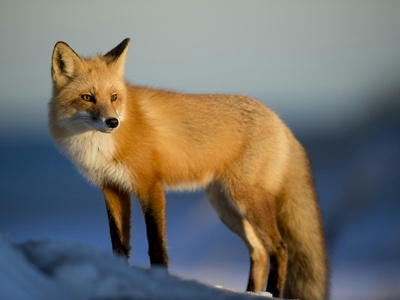
Red fox
Found across Eurasian steppes and temperate North American grasslands, red foxes mix hunting with scavenging and berry-eating, reducing pest rodents and dispersing seeds while using grassland edges for dens.
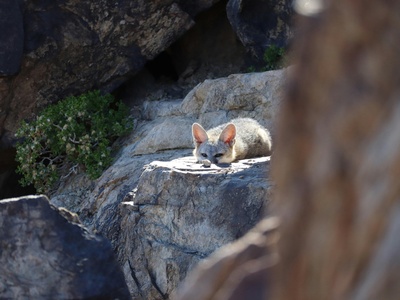
Swift fox
Native to shortgrass prairies of North America, swift foxes take insects and rodents, eat fruits when available, and help regulate insect and small mammal numbers while using burrows for shelter.
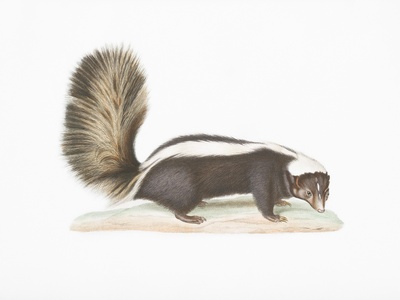
Striped skunk
Common in temperate grasslands and agricultural edges of North America, skunks forage at night for insects and small animals and eat berries; they reduce insect pests and disperse seeds.
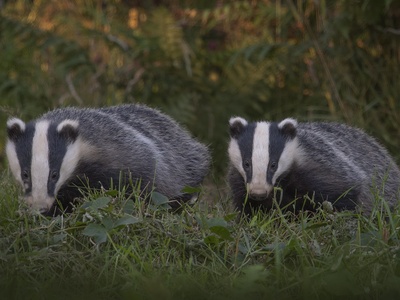
European badger
In European pastures and steppes, badgers dig for earthworms and consume crops and fruits; they aerate soils with digging, influence rodent populations, and forage communally at setts.
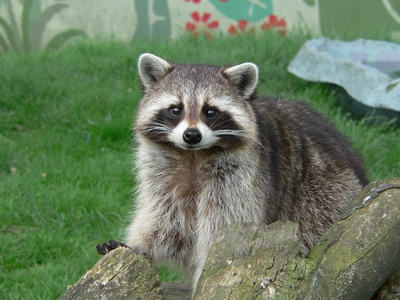
Raccoon
Adaptable in North American grasslands and riparian zones, raccoons forage nocturnally for aquatic prey, insects and fruits, affecting amphibian and invertebrate communities and spreading seeds.
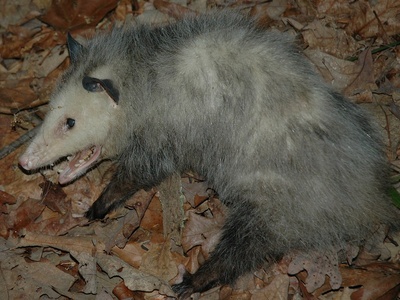
Virginia opossum
Opossums occupy grassland edges across North America, consuming insects and fruits regularly; they control ticks and invertebrates and use brushy cover to shelter and rear young.
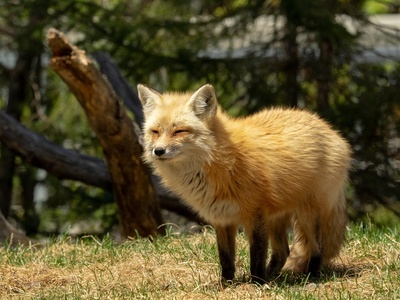
Pampas fox
Native to South American pampas, this fox preys on small mammals and insects and eats fruits, contributing to seed dispersal and controlling pest populations across open grasslands.
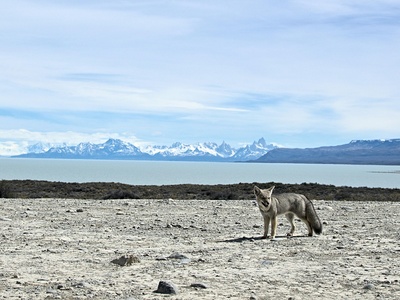
Patagonian fox
In Patagonian steppe and grasslands this fox hunts rodents and invertebrates while taking fruits seasonally; it influences prey populations and exploits diverse food resources across arid grasslands.
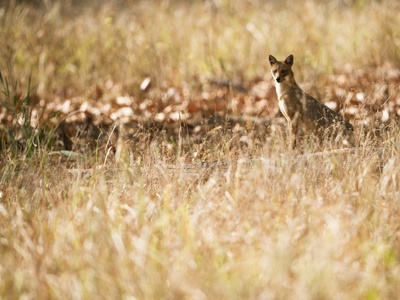
Golden jackal
Found in Eurasian steppes and grasslands, golden jackals eat small prey and fruits, adaptively shifting diet with seasons, controlling rodents and scavenging where needed.
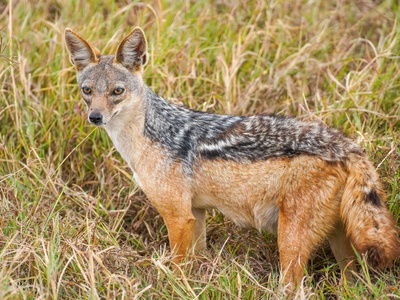
Black-backed jackal
In southern African temperate grasslands, jackals hunt rodents and insects and consume fruits; they help regulate mesopredator dynamics and exploit varied food sources in open country.
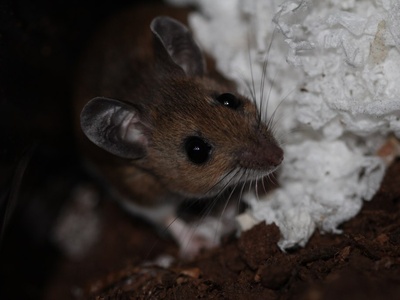
Deer mouse
Common across North American grasslands, deer mice eat seeds and invertebrates, acting as important seed predators and prey for raptors and carnivores; they vary diet seasonally.
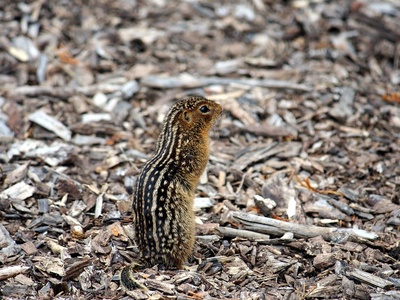
Thirteen-lined ground squirrel
In North American prairies, these ground squirrels cache seeds and eat insects in summer, serving as prey for raptors and carnivores and affecting plant community dynamics through feeding and burrowing.
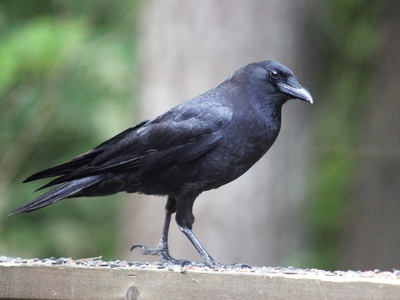
American crow
Common in temperate grasslands and agricultural lands across North America, crows exploit insects, grains and fruits, clean up carrion, and use intelligence to access diverse food sources.
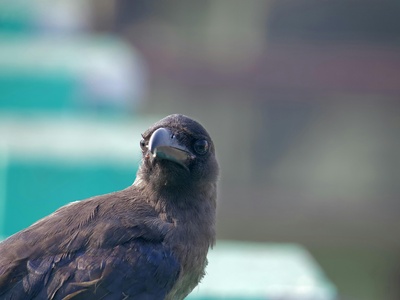
Common raven
Ravens inhabit open steppe and grassland margins across the Northern Hemisphere, foraging on carrion, prey and plant foods; they influence carrion turnover and disperse seeds.
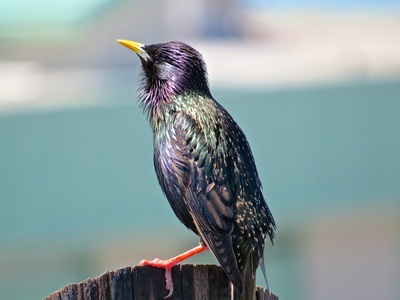
European starling
Introduced to many temperate grasslands worldwide, starlings eat insects and seeds, often in large flocks; they can reduce pest insects but compete with native species.
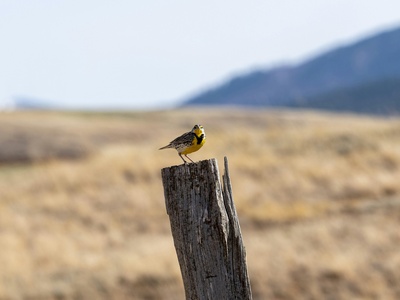
Western meadowlark
A characteristic songbird of North American grasslands, meadowlarks glean insects and take seeds, helping control invertebrates and disperse plant seeds while nesting on the ground.
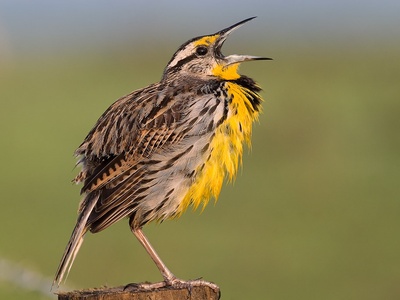
Eastern meadowlark
Found in eastern North American grasslands, eastern meadowlarks feed heavily on insects during breeding and eat seeds in winter, influencing insect populations and seed fate.
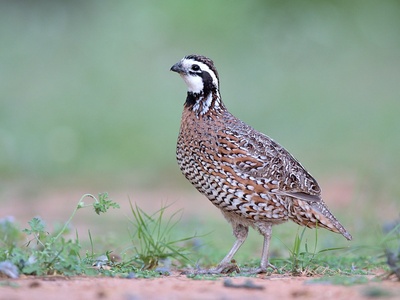
Northern bobwhite
Occupying grassland and scrub in North America, bobwhites eat seeds and fruits while chicks rely on insects; they affect seed predation and serve as prey for predators.
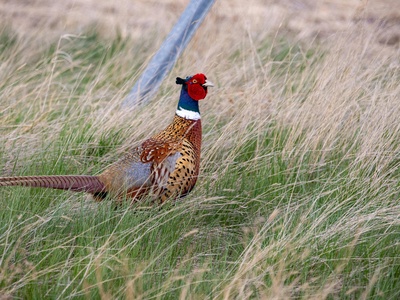
Ring-necked pheasant
Introduced species found in temperate farmlands and grasslands worldwide, pheasants eat seeds and large insects, influencing crop seed predation and providing game bird ecology.
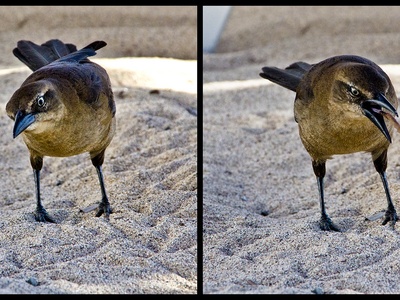
Great-tailed grackle
In open grasslands and agricultural areas of North America, grackles forage on insects and grains and take fruit, often forming large communal feeding groups.
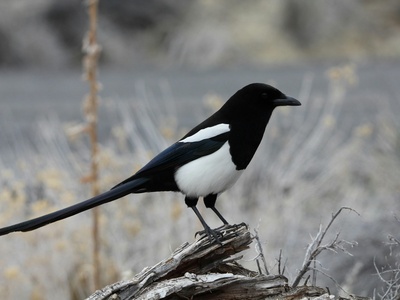
Black-billed magpie
Common in North American grasslands and shrub-steppe, magpies cache food, eat insects and fruits, and help control small prey while dispersing some seeds.
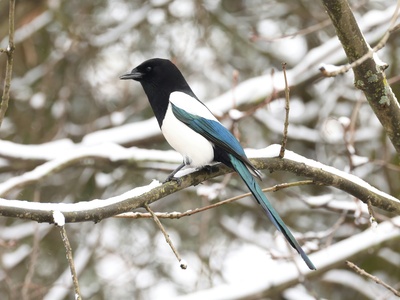
Eurasian magpie
Across European steppes and temperate fields, magpies are bold omnivores that hunt insects and small animals and take fruits, affecting prey populations and scavenging opportunities.
Common blackbird
Found at grassland edges and farmland across Eurasia, blackbirds forage for invertebrates and berries, aiding pest control and seed dispersal in temperate grassland mosaics.
Skylark
Skylarks inhabit open temperate grasslands and farmlands across Eurasia, feeding on insects in summer and seeds in winter, contributing to invertebrate control and plant seed turnover.
Harvester ant
Common in North American shortgrass and mixed-grass prairies, harvester ants collect seeds and take arthropods, shaping seed bank dynamics and nutrient cycling through intense foraging.
Field cricket
Present in temperate grasslands of Europe and Asia, field crickets eat plants and other invertebrates, recycling detritus and serving as prey for birds and small mammals.
Black garden ant
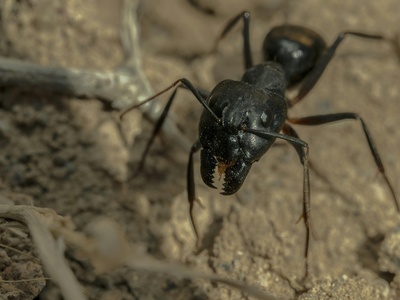
Common in Eurasian grasslands and meadows, these ants tend aphids for honeydew and scavenge insects and seeds, affecting plant–insect interactions and soil processes.
Darkling beetle (omnivorous species)
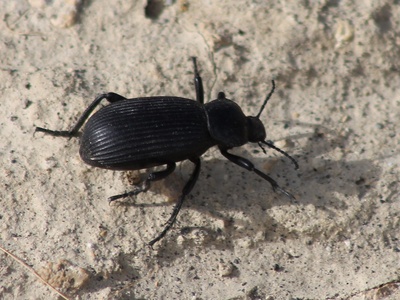
Many tenebrionid beetles in temperate grasslands scavenge plant debris and consume fungi or small prey, aiding decomposition, nutrient cycling, and providing prey for vertebrates.