Top 10 Dog Breeds for First-Time Owners
More than 63 million U.S. households own a dog, and roughly 1 in 3 dog owners report their pet was their first-ever dog.
Still learning the breeds? Our dog breed quiz starts on Easy and tells you what to look for after each photo.
Choosing a dog that matches your lifestyle is the single best step a first-time owner can take — this list highlights 10 breeds that tend to be forgiving, trainable, and well-suited to newcomers.
Breed choice matters because temperament, health risks, exercise needs, grooming time, and ongoing costs all affect daily life. A mismatch can lead to problems; for example, leaving a high-energy working breed alone can lead to destructive behaviors.
Practical guides like this focus on the best dogs for new owners by grouping breeds into three useful categories: small/apartment-friendly, low-maintenance & generally healthy, and friendly, trainable family dogs.
Plan to budget for the first year (ASPCA estimates roughly $1,200–$2,000 depending on region) and to take a short beginner obedience course to make the transition smoother (ASPCA).
Small & Apartment-Friendly Breeds

Smaller, lower-exercise breeds suit many first-time owners because they fit tighter living spaces and usually need less daily mileage. Many urban apartments measure under 800 sq ft, so indoor activity often substitutes for long walks.
Trade-offs exist: small dogs can need more frequent dental care, some have high grooming demands, and many develop separation anxiety if left alone for long stretches.
Good fits here offer manageable exercise needs, lower food and gear costs, and friendly temperaments. Use crate and housetraining to set routines and a simple dental/grooming plan to prevent early vet bills.
Quick tips: start crate/housetraining with short, consistent sessions; brush teeth several times weekly; join local small-breed rescues when possible (many areas have Cavalier, Bichon, and Shih Tzu rescue groups).
1. Cavalier King Charles Spaniel
Cavaliers suit first-time owners because they are affectionate, adaptable, and have moderate exercise needs.
They weigh about 13–18 lbs and typically live 12–15 years, and they score highly for companion temperament in breed profiles (American Kennel Club).
Real-world care: daily 20–30 minute walks, weekly brushing, and periodic heart checks to screen for mitral valve disease.
Starter gear: a soft harness, a MidWest iCrate 30″ for housetraining, and interactive toys such as a KONG Classic for mental stimulation.
2. Pug
Pugs are popular first-dog picks thanks to their friendly, comical temperaments and compact size.
Average weight is 14–18 lbs with a lifespan of about 12–15 years.
Health trade-offs matter: brachycephalic airway issues, heat sensitivity, and a tendency toward obesity are common. Limit strenuous activity in hot weather and monitor weight closely.
Training works best in short, reward-based sessions. Use a front-clip harness (e.g., Ruffwear Front Range) and plan daily low-impact walks of 10–30 minutes.
3. Shih Tzu
Shih Tzus are steady, affectionate companions with low to moderate exercise needs.
They usually weigh 9–16 lbs and may live 10–16 years.
Grooming choices shape maintenance time: a show coat needs daily brushing, while a “puppy cut” reduces upkeep. If kept long, brush 3–4 times weekly; a trim every 6–8 weeks helps beginners.
Short daily walks (15–25 minutes), regular ear checks, and annual dental exams keep small-breed issues manageable for new owners.
4. Bichon Frise
The Bichon is cheerful, trainable, and often suitable for owners with mild allergies due to its coat.
Typical weight runs 12–18 lbs with a lifespan of roughly 12–15 years.
Grooming is regular: brush 3–4 times weekly or schedule professional grooming every 4–8 weeks. Positive-reinforcement training and early socialization work well.
These dogs do well in apartments if you commit to scheduled play and training, and local Bichon rescues often have well-socialized adults ready for adoption.
Low-Maintenance & Generally Healthy Breeds

“Low-maintenance” can mean a short coat, fewer inherited health problems, or modest daily exercise needs. Keep in mind that no dog is maintenance-free; routine vet care, good nutrition, and annual checkups are essential.
Reference breed health notes from the American Kennel Club and schedule yearly exams to catch common issues early.
These breeds often balance independence with affection, making them a forgiving choice for first-timers who want less grooming or simpler care routines.
5. Greyhound
Retired Greyhounds often surprise new owners because they are calm in the home despite their racing background.
Adults typically weigh 60–70 lbs and live about 10–13 years.
They enjoy short, intense bursts of exercise and then relax for long periods. One daily fenced run or a 30–45 minute mix of walks and play usually suffices.
Greyhounds have short coats and low grooming needs. Consider adoption from retirement groups and ensure secure fencing and traffic-awareness training because they can sprint unexpectedly.
6. Beagle
Beagles are friendly, hardy, and a classic family dog with clear, manageable needs.
Average weight is 20–25 lbs and lifespan 12–15 years.
They stay generally healthy and require moderate grooming. Their strong scent drive can challenge off-leash reliability, so a secure yard and consistent leash training help a lot.
Use scent games or nose-work classes to channel instincts and plan daily activity totaling 45–60 minutes to prevent boredom-related behaviors.
7. Boston Terrier
Boston Terriers are compact, adaptable, and balance low maintenance with a friendly nature.
They weigh around 12–25 lbs and live about 11–13 years.
Pros: short coat, easy grooming, affectionate with children. Cons: some have brachycephalic issues, so watch for heat stress.
Short daily walks plus play (20–40 minutes) and a front-clip harness for training make them good small-home companions. Breed clubs and local rescues often offer behavioral support for new owners.
Friendly, Trainable & Family-Oriented Breeds

These breeds combine patience, predictability, and easy responses to positive training methods. Trainable dogs reduce frustration for new owners because they usually follow simple cues and enjoy learning.
For many people choosing dog breeds for first-time owners, trainability and a social temperament top the priority list.
Note the American Kennel Club’s popularity ranks as one sign of consistent temperament and broad social appeal for some breeds.
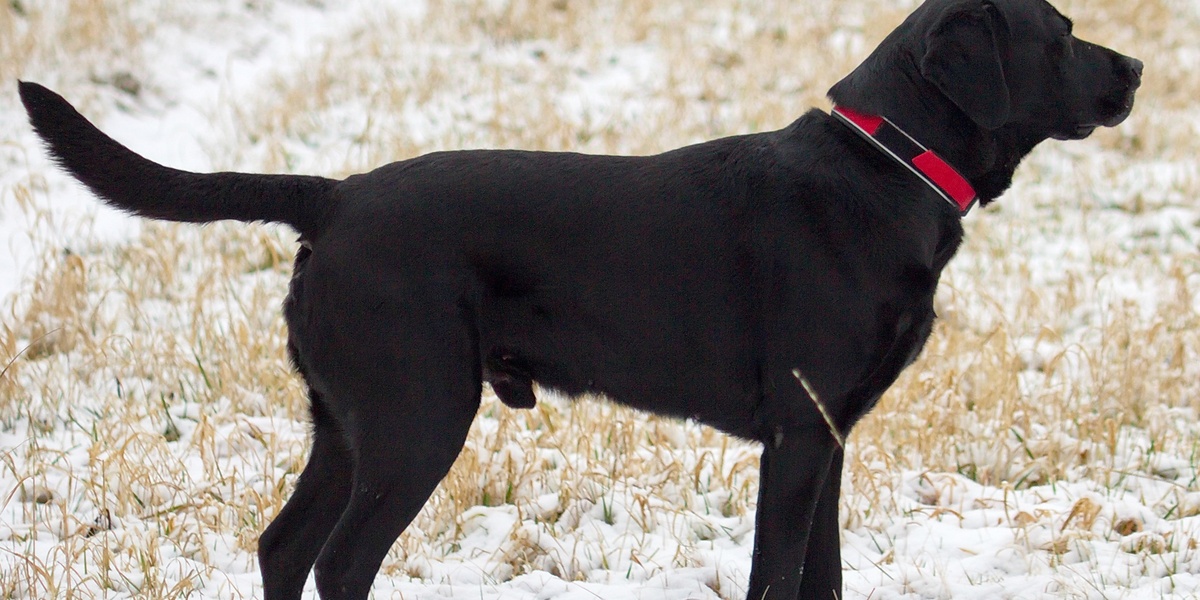
8. Labrador Retriever
Labradors are often recommended for first-time owners due to their steady temperament, eagerness to please, and adaptability.
Adults typically weigh 55–75 lbs and live about 10–12 years. Historically, Labs have ranked #1 in the American Kennel Club’s popularity lists for many years.
Expect higher exercise needs—many adults require 60+ minutes of activity daily—plus regular brushing for shedding. Screen for hip and elbow dysplasia and schedule eye exams when getting a puppy from a breeder.
Starter supplies: a mid-weight leash, sturdy chew toys like a KONG Extreme, and a MidWest iCrate sized 36″–42″. Budget for first-year costs in the $1,200–$2,000 range (ASPCA estimates vary by region).
9. Golden Retriever
Golden Retrievers are famed for patience, trainability, and an excellent temperament with children.
They weigh about 55–75 lbs and typically live around 10–12 years.
Grooming is moderate: weekly brushing with heavier shedding in seasonal molts. Exercise needs usually run 45–60 minutes daily with play and walks.
Health concerns such as hip dysplasia and certain cancers make health screening important when acquiring from a breeder or adoption group. They excel in therapy work and respond well to food-reward recall training.
10. French Bulldog
French Bulldogs attract first-time owners with their compact size, low exercise needs, and affectionate demeanor.
Average weight is 16–28 lbs and lifespan about 10–12 years; the breed’s popularity has risen rapidly in recent decades (American Kennel Club).
Be candid about trade-offs: brachycephalic airway syndrome, heat sensitivity, and potential for costly veterinary care are common. Budget for vet expenses and choose reputable breeders or consider rescue organizations to reduce genetic risk.
They work well for city dwellers who want a low-energy companion; plan short daily walks and indoor play, and monitor breathing during exertion or hot weather.
Summary
- Match a dog’s size and daily energy to your living space and schedule; small breeds fit apartments while retrievers need more active homes.
- Prioritize health screening and choose reputable breeders or rescues to reduce inherited risks; budget $1,200–$2,000 for the first year (ASPCA estimate).
- Start training and socialization early—positive-reinforcement classes and short daily sessions prevent most common behavior problems.
- Use practical starter gear: a properly sized crate, a front-clip harness for short-nosed breeds, durable toys (KONG Classic/Extreme), and routine grooming plans.
- Meet local dogs via shelters and breed rescues and take a single 6–8 week beginner obedience course before committing to a long-term match.