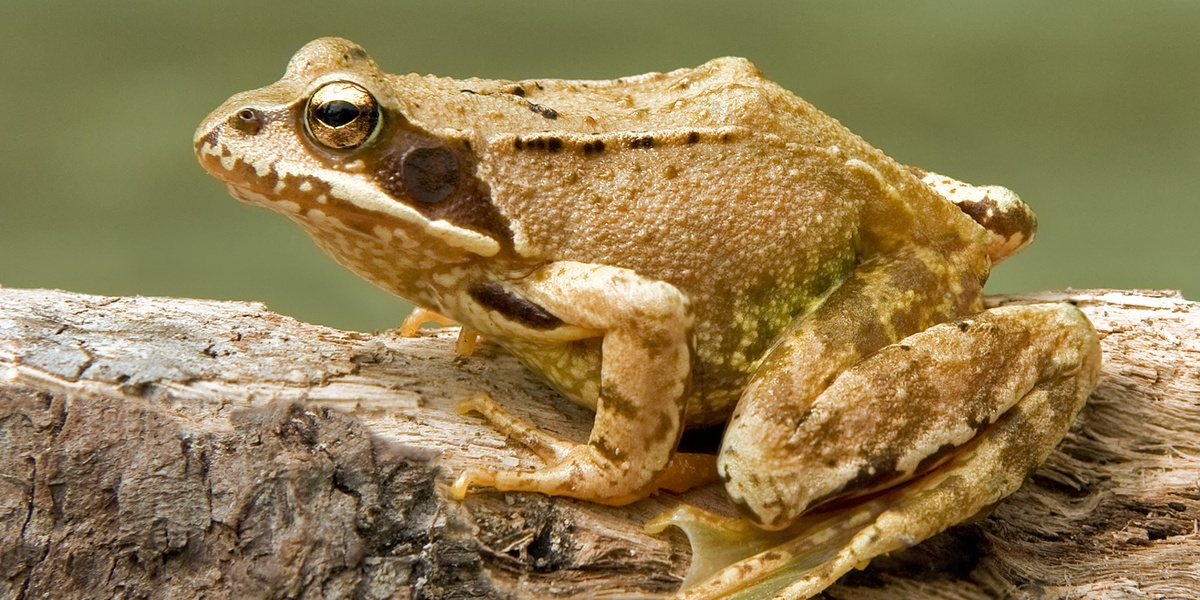
Europe’s ponds, forests and riverbanks are home to a surprising variety of cold-blooded life. From high alpine streams to coastal wetlands, amphibians are important indicators of habitat health and show up in unexpected urban and rural spots alike.
There are 25 Amphibians of Europe, ranging from Agile frog to Smooth newt. Each species is listed with clear columns — Scientific name,Range (countries),IUCN status — so you can quickly check taxonomy, distribution and conservation at a glance; you’ll find below.
How can I identify common European amphibians?
Look for skin texture (smooth vs. warty), limb shape, body size and habitat: frogs and toads are usually more terrestrial, salamanders and newts retain tails and prefer moist covers. Seasonal calls, breeding sites (ponds vs. streams) and egg types also help narrow ID; field guides and local apps are useful for confirmation.
Are any European amphibians endangered and what can I do to help?
Yes — several species face habitat loss, pollution and disease (like chytrid fungus). Check the IUCN status in the list to see which are threatened. You can help by protecting wetlands, avoiding pesticides, supporting habitat restoration and reporting sightings to citizen-science projects.
Amphibians of Europe
| Common name | Scientific name | Range (countries) | IUCN status |
|---|---|---|---|
| Common frog | Rana temporaria | UK,Ireland,Scandinavia,France,Germany,Spain,Italy,Poland,Balkans | LC |
| Moor frog | Rana arvalis | Scandinavia,Baltics,Poland,Germany,Finland,Russia | LC |
| Agile frog | Rana dalmatina | France,Germany,Italy,Czech Republic,Austria,Balkans | LC |
| Common toad | Bufo bufo | Widespread Europe:UK,France,Germany,Scandinavia,Spain,Italy,Poland | LC |
| Natterjack toad | Epidalea calamita | UK,Netherlands,France,Spain,Portugal,Germany,Scandinavia (limited) | LC |
| Green toad | Bufotes viridis | Central Europe,Hungary,Austria,Germany,Balkans,Russia | LC |
| Pool frog | Pelophylax lessonae | Baltic states,Poland,Germany,Sweden,Belarus,Lithuania | LC |
| Marsh frog | Pelophylax ridibundus | Eastern Europe,Balkans,Russia,Ukraine,Hungary | LC |
| Iberian waterfrog | Pelophylax perezi | Spain,Portugal | LC |
| Edible frog | Pelophylax esculentus | Western and Central Europe:France,Germany,Netherlands,UK (locally) | LC |
| European tree frog | Hyla arborea | France,Germany,Poland,Italy,Balkans,South Scandinavia | LC |
| Mediterranean tree frog | Hyla meridionalis | Spain,Portugal,South France,Italy | LC |
| Smooth newt | Lissotriton vulgaris | Widespread Europe:UK,Scandinavia,France,Germany,Poland | LC |
| Palmate newt | Lissotriton helveticus | UK,France,Spain,Portugal,Belgium | LC |
| Alpine newt | Ichthyosaura alpestris | Alps,Carpathians,Germany,Poland,Italy,France | LC |
| Great crested newt | Triturus cristatus | UK,France,Germany,Poland,Balkans,Scandinavia (southern) | LC |
| Marbled newt | Triturus marmoratus | Spain,Portugal,SW France | LC |
| Danube crested newt | Triturus dobrogicus | Danube basin:Romania,Hungary,Serbia,Bulgaria | NT |
| Fire salamander | Salamandra salamandra | Spain,France,Germany,Italy,Balkans,Central Europe | LC |
| Alpine salamander | Salamandra atra | Alps:Italy,Austria,Switzerland,Slovenia | LC |
| Iberian ribbed newt | Pleurodeles waltl | Spain,Portugal,Madeira (introduced) | LC |
| Italian crested newt | Triturus carnifex | Italy,Slovenia,Croatia,Balkans | LC |
| Northern spectacled salamander | Salamandrina perspicillata | Italy (central,northern) | LC |
| Pyrenean brook salamander | Calotriton asper | Pyrenees of Spain,France | NT |
| Montseny brook newt | Calotriton arnoldi | Spain (Montseny Massif) | CR |
Images and Descriptions
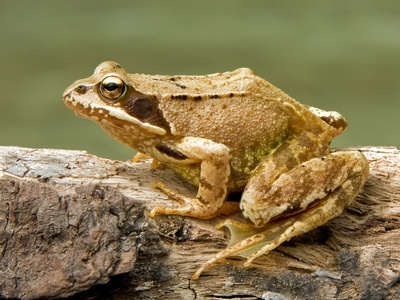
Common frog
A widespread brown or green frog with a rounded snout and variable dorsal pattern. Found in woodlands, gardens and ponds across most of Europe; tolerates cold climates and breeds early in spring, often in ephemeral pools.
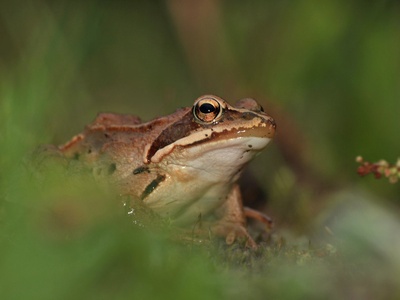
Moor frog
A slender frog with bronze to brown colouring and a distinctive breeding-time blue belly in males. Lives in wetlands and damp meadows in northern and central Europe and is notable for cold-tolerant breeding strategies.
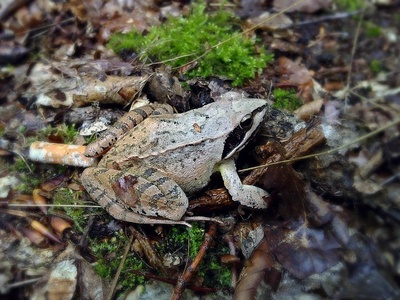
Agile frog
A long-legged, jumping frog with a pointed snout and olive-brown colour. Prefers warm deciduous woodlands and pond edges in western and central Europe; active early in the year and quick on the hop.
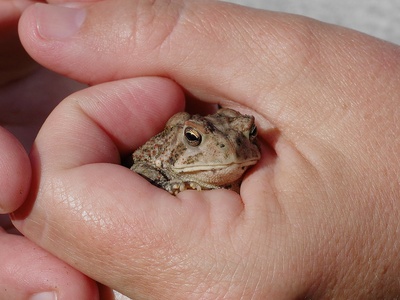
Common toad
A stocky, warty-bodied amphibian with parotoid glands and a slow, waddling gait. Common in gardens, forests and farmland across Europe; breeds in ponds and undertakes notable seasonal migrations.
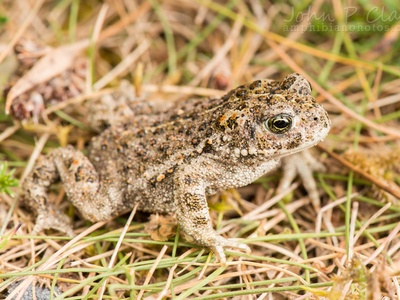
Natterjack toad
A small toad with a distinct dorsal yellow stripe and loud, rasping call. Prefers open sandy habitats and coastal dunes; populations can be patchy but are recognizable by their fast night-time movement.
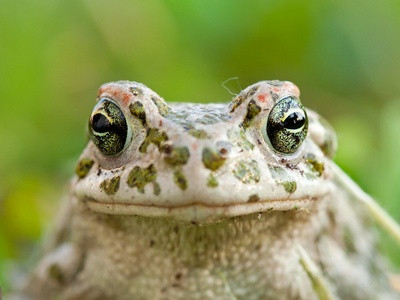
Green toad
A medium-sized toad often with green patches on a pale background. Lives in steppes, arable land and urban areas; tolerant of dry habitats and creating explosive breeding events after rains.
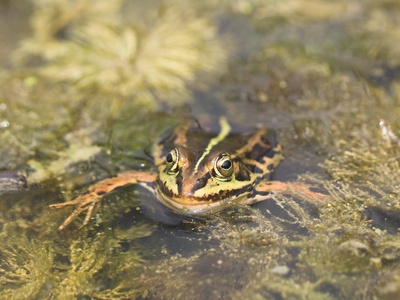
Pool frog
A smooth greenish frog with dark spots and a pale dorsal stripe. Inhabits slow waters and marshes in northern and eastern Europe; historically locally extinct in places but subject to reintroduction projects.
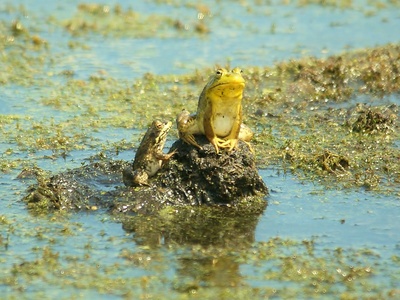
Marsh frog
Europe’s largest frog, plain green or brown with large parotoid glands and strong legs. Favors large ponds and slow rivers; often dominant where present and introduced in parts of western Europe.
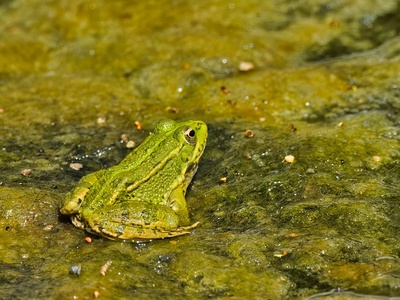
Iberian waterfrog
A robust green frog common across the Iberian Peninsula, with a dorsal ridge and variable spotting. Occupies ponds, rice fields and irrigation channels; highly adaptable and often abundant.
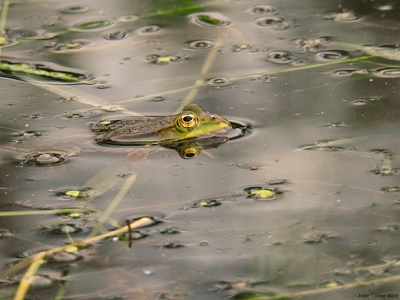
Edible frog
A hybrid-origin green frog frequently found in hybrid complexes with related species. Common in garden ponds and wetlands; recognizable by its variable appearance and frequent vocal choruses in spring.
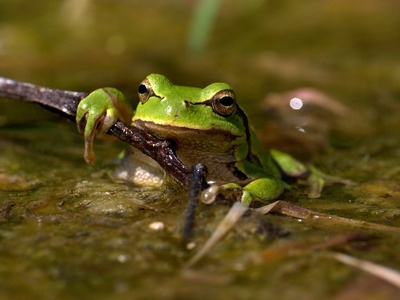
European tree frog
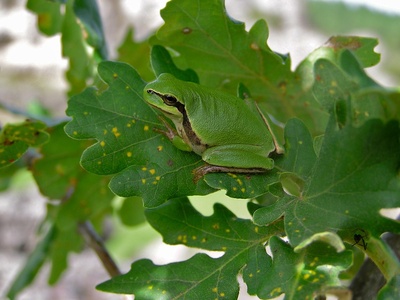
A small bright-green tree frog with suction toe pads and a rounded snout. Lives in shrubs and reedbeds near water; its metallic trilling call is a classic summer sound across much of Europe.
Mediterranean tree frog
A larger tree frog than H. arborea with a broader head and pale flank stripe. Prefers warm, lowland Mediterranean habitats including gardens and orchards; strong climber active in evening.
Smooth newt
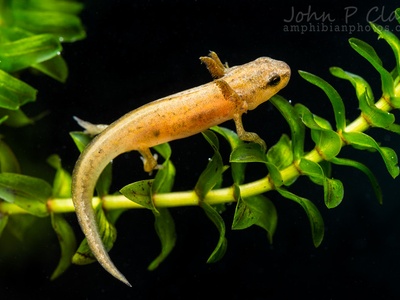
A small newt with a delicate body and often orange-bellied breeding males with a wavy crest. Common in garden ponds, ponds and ditches; capable of long-distance dispersal on damp nights.
Palmate newt
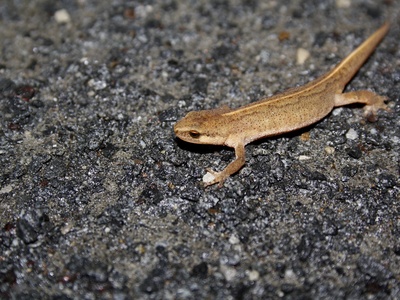
A compact newt with a narrow tail and males showing a low filament-like crest in breeding season. Occupies ponds and woodland pools in western Europe and is tolerant of acidic waters.
Alpine newt
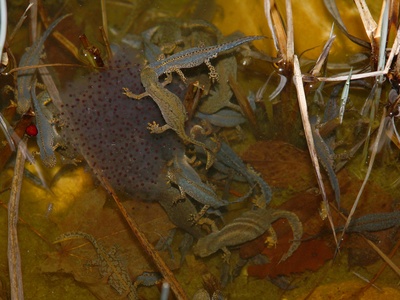
A colorful newt often orange-bellied with blueish flanks in males during breeding. Occurs in mountain lakes and ponds; adults use terrestrial habitats outside the breeding season and tolerate cold climates.
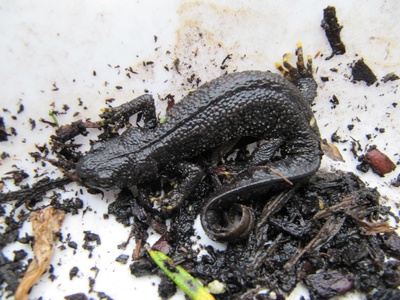
Great crested newt
A striking newt with a jagged dorsal crest in breeding males and spotted belly. Prefers large ponds with good aquatic vegetation; protected in many countries due to habitat loss and legal protection statuses.
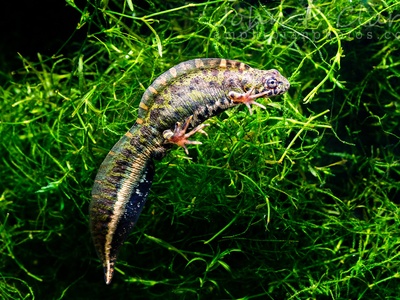
Marbled newt
A dark newt with marbled greenish blotches and a smooth skin. Inhabits slow-flowing streams, ponds and wooded areas of the western Iberian peninsula and nearby French regions.
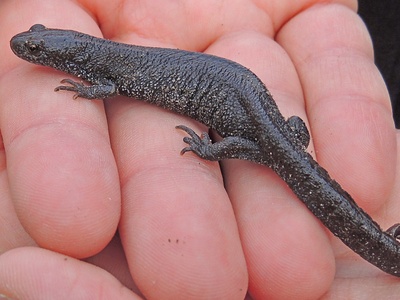
Danube crested newt
A slender, yellow-spotted crested newt of lowland wetlands and floodplain ponds in the Danube basin. Populations are sensitive to river regulation and wetland drainage; conservation attention varies regionally.
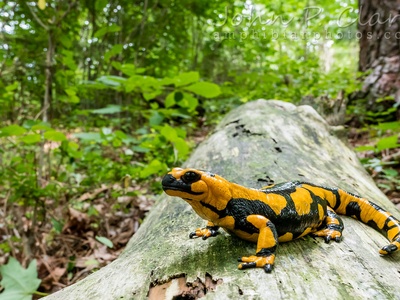
Fire salamander
A glossy black salamander with bright yellow or orange markings. Terrestrial and secretive, found in moist woodlands near streams; carries toxic skin secretions used in defense and popular in folklore.
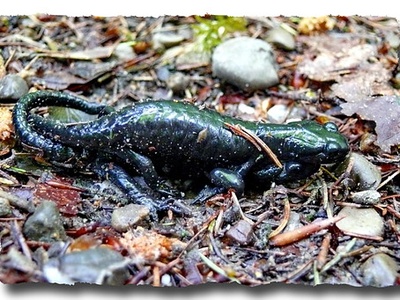
Alpine salamander
A jet-black, lung-breathing salamander that gives birth to fully formed young and lives at high elevations. Found in cool, moist alpine forests and grasslands, often under stones and logs.
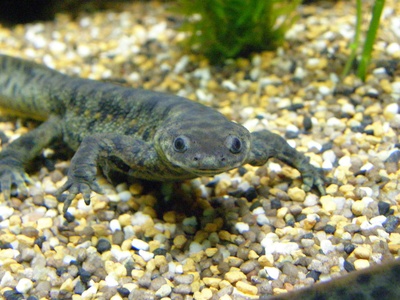
Iberian ribbed newt
A sturdy newt with a broad head and the famous rib-protrusion defense (can push ribs through skin as a toxin delivery system). Found in ponds and slow waters in the Iberian Peninsula.

Italian crested newt
A medium-sized crested newt with variable dark patterning and a tall breeding crest in males. Common in northern Italian wetlands and lowland ponds; often found with other salamander species.
Northern spectacled salamander
A small, slender salamander with a light “spectacle” pattern around the eyes. Endemic to Italy’s central regions, it prefers humid woodlands and is notable for its distinctive facial markings.
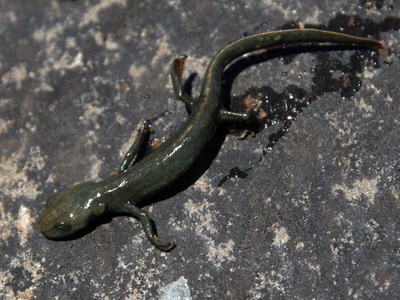
Pyrenean brook salamander
A flattened, brownish salamander adapted to cold, fast mountain streams. Endemic to the Pyrenees, it lacks lungs and is restricted to high-elevation aquatic habitats, making it vulnerable to habitat change.
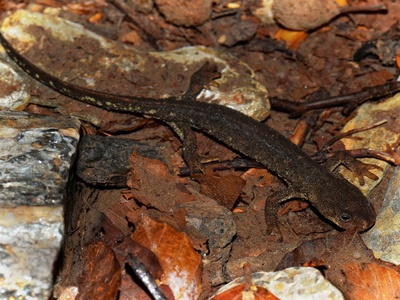
Montseny brook newt
A tiny, lungless salamander restricted to the Montseny Massif near Barcelona. Critically endangered due to its tiny range, habitat loss and water pollution; a conservation flagship for localized endemics.