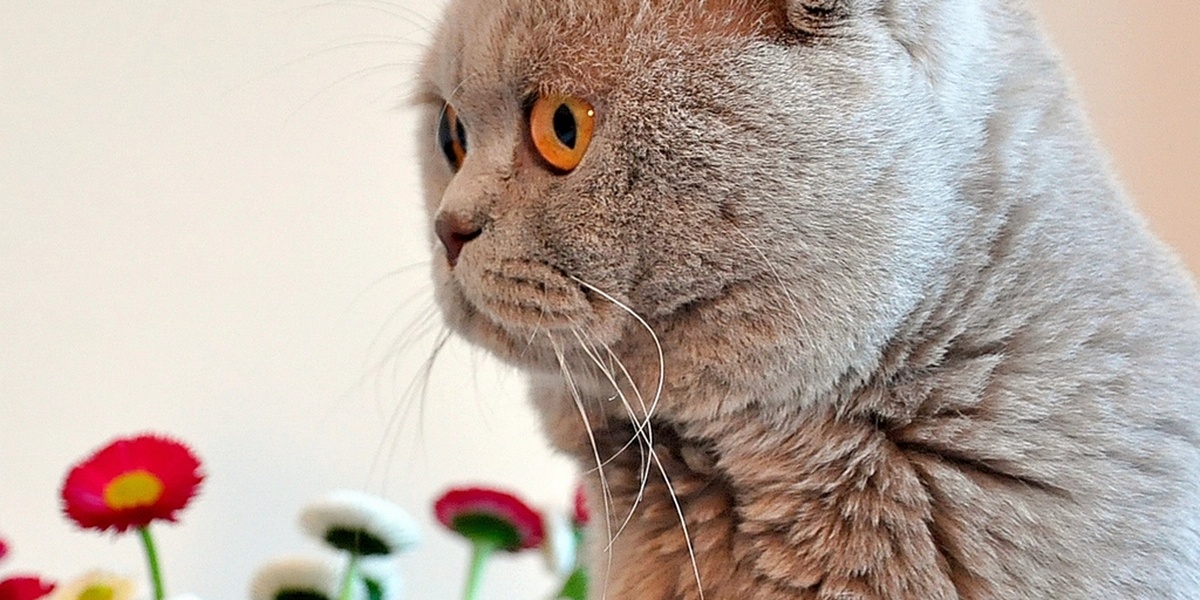
Across city apartments and country homes, big grey cats stand out for their presence and often easygoing demeanour. Their size, coat and temperament affect grooming, exercise and the kind of space they need, so knowing the common options helps when you’re browsing breeds or considering adoption.
There are 12 large grey cat breeds, ranging from American Bobtail to Siberian. For each breed you’ll find the Scientific name,weight (kg),Origin & coat listed to help compare size, background and fur type — you’ll find below.
How do I choose the right large grey cat breed for my home?
Think about space, activity level and grooming: some large grey breeds are playful and need room and interaction, others are laid-back and adapt to smaller spaces. Look at the listed weight ranges and coat types to estimate maintenance, and meet individual cats when possible since personality varies within breeds.
Are large grey cat breeds prone to specific health issues?
Some larger breeds can face joint or weight-related concerns and a few have breed-specific conditions; the table’s scientific names can help you research inherited risks. Regular vet checkups, proper diet and responsible breeders who screen for genetic problems reduce many common risks.
Large Grey Cat Breeds
| Name | Scientific name | weight (kg) | Origin & coat |
|---|---|---|---|
| Maine Coon | Maine Coon (MCO) | 5.50–11.00 | USA; large, long blue/grey solids and tabbies |
| British Shorthair | British Shorthair (BSH) | 4.50–8.50 | UK; dense ‘British Blue’ short, plush grey coat |
| British Longhair | British Longhair (BLH) | 4.50–8.50 | UK; long, dense blue/grey solid coats |
| Chartreux | Chartreux (CRT) | 4.50–7.00 | France; woolly blue-grey solid coat |
| Norwegian Forest Cat | Norwegian Forest (NFO) | 4.50–9.00 | Scandinavia; semi-long water-resistant blue/grey coat with ruff |
| Siberian | Siberian (SBI) | 4.50–8.00 | Russia; dense triple blue/grey coat |
| Selkirk Rex | Selkirk Rex (SRX) | 4.50–7.50 | USA; curly long/short blue/grey solids and patches |
| Ragamuffin | Ragamuffin (RAG) | 5.00–9.00 | USA; long, plush blue/grey and various solids |
| American Shorthair | American Shorthair (ASH) | 4.50–7.00 | USA; short, dense blue/grey tabby and solids |
| American Bobtail | American Bobtail (ABO) | 4.50–9.00 | USA; short/medium blue/grey solids and tabbies |
| Cymric | Cymric (Cym) | 4.50–8.00 | Isle of Man; longhaired Manx, blue/grey solids allowed |
| Kurilian Bobtail | Kurilian Bobtail (KBL) | 4.50–8.00 | Russia/Kurils; dense, water-resistant blue/grey coats |
Images and Descriptions

Maine Coon
Huge, friendly and doglike, the Maine Coon commonly appears in blue/grey solids or tabby. Males often exceed 6 kg. Gentle, playful, requires regular grooming for its dense coat and enjoys interactive play and vertical space.
British Shorthair
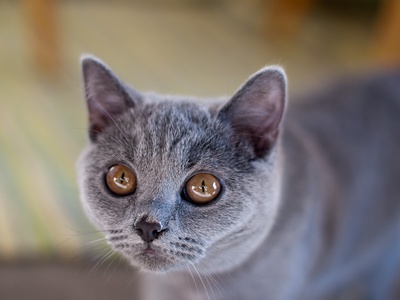
Stocky, calm and easygoing, British Shorthairs include the classic “British Blue” grey. They have dense plush coats and sturdy builds. Moderate activity, affectionate but independent; weekly brushing and weight management keep them healthy and comfortable.
British Longhair
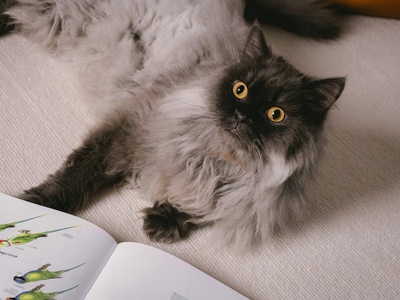
A longhaired version of the British type, often solid blue/grey. Equally placid and broad-chested but with a longer coat requiring more grooming. Loyal, low-energy; regular brushing and routine vet checks prevent matting and weight gain.
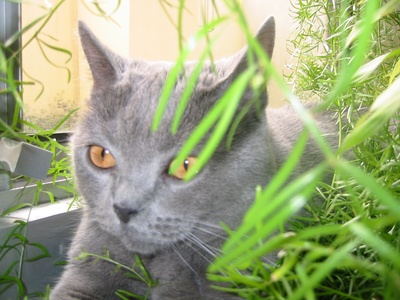
Chartreux
Ancient French breed known for its dense, woolly blue-grey coat and strong muscular build. Quiet, intelligent and affectionate, Chartreux enjoy interactive play but adapt well to calm homes. Regular brushing and dental care keep them in top condition.
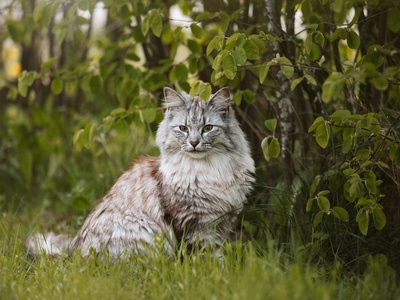
Norwegian Forest Cat
Large, semi-longhaired Nordic cat with a water-resistant blue/grey coat and prominent ruff. Active, affectionate, and adapted to outdoor activity; needs seasonal heavy grooming, a high-protein diet, and environmental enrichment like climbing spaces and play.
Siberian
Russian natural breed with a dense triple coat that often appears in blue/grey. Robust and athletic yet people-oriented, Siberians are playful and sometimes considered hypoallergenic. Regular grooming and interactive play suit their energetic, strong-boned nature.
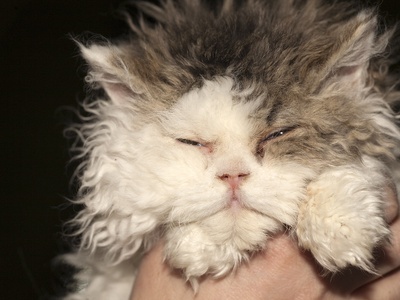
Selkirk Rex
Large, heavy-boned cat with a distinctive curly coat that appears in blue/grey solids and patches. Friendly, patient and people-loving, Selkirk Rex require grooming for loose curls and routine checks to manage weight and coat health.
Ragamuffin
Very large, soft-coated companion breed available in many colors including solid blue/grey. Exceptionally gentle and affectionate, Ragamuffins need moderate grooming, a robust diet to support their size, and plenty of lap time and social interaction.
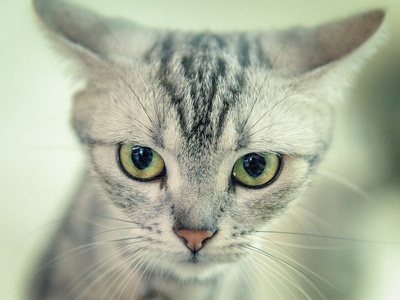
American Shorthair
Muscular, balanced American breed with common blue/grey tabby and solid variants. Hardy, adaptable and great family pets; moderate exercise, high-quality diet and occasional brushing keep their weight and coat in check.
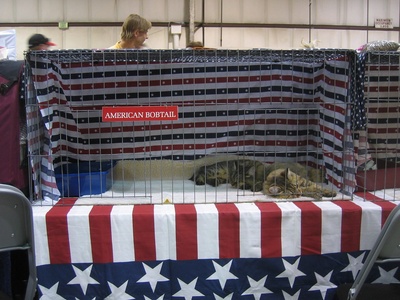
American Bobtail
Naturally bobtailed, robust American breed found in blue/grey colors. Energetic, playful and dog-like, American Bobtails need interactive play, sturdy climbing spaces and regular grooming to manage their dense coats and outdoor curiosity.
Cymric
Longhaired Manx variety, heavily boned and often larger than many domestic breeds; blue/grey colors occur. Friendly, playful and tailless or short-tailed; needs regular grooming, litter-box adaptations and joint monitoring due to Manx-related spinal considerations.
Kurilian Bobtail
Powerful, muscular Russian–Kuril island breed with dense waterproof blue/grey coats and a distinctive pom-pom bobtail. Energetic, intelligent and excellent hunters; requires activity, seasonal grooming for shedding and a firm diet to support muscle mass.