Coastal waters and reef edges are full of crabs, shrimp and lobsters that show up in markets and on plates worldwide. Most are safe, but a few carry toxins you should know about before handling or eating them.
There are 10 Poisonous Crustaceans, ranging from Brown crab to Zosimus aeneus. For each entry we list Scientific name,Toxin / mechanism,Range (regions) so you can quickly check identification, how the toxin works and where the species occurs — you’ll find below.
How can I tell if a crustacean is poisonous?
You usually can’t tell just by looking; many toxic crustaceans resemble harmless ones. Rely on species identification, local advisories, and trusted guides: if a species is listed in medical or seafood safety sources as toxin-bearing, avoid eating or handling it raw and seek local guidance before consumption.
What precautions should I take when collecting or eating crustaceans?
Treat unfamiliar crustaceans with caution: wear gloves when handling wild specimens, cook seafood thoroughly (though some toxins resist heat), and follow regional seafood warnings—if symptoms like numbness, tingling or gastrointestinal distress occur after exposure, get medical help right away.
Poisonous Crustaceans
| Name | Scientific name | Toxin / mechanism | Range (regions) |
|---|---|---|---|
| Toxic xanthid crabs | Xanthidae (e.g., Zosimus,Atergatis,Demania,Platypodia) | Tetrodotoxin and saxitoxin (bacterial origin) | Tropical Indo-Pacific reefs |
| Coconut crab | Birgus latro | Ciguatoxin accumulation; sometimes tetrodotoxin | Indo-Pacific islands, terrestrial coastal |
| Spiny lobster (general) | Panulirus spp. | Ciguatoxin accumulation (ciguatera) | Caribbean and tropical Indo-Pacific reefs |
| Brown crab | Cancer pagurus | Paralytic shellfish toxins (PSP) accumulation | Northeast Atlantic, European coasts |
| Dungeness crab | Metacarcinus magister | Domoic acid and PSP accumulation during blooms | Northeast Pacific coasts |
| King crab | Paralithodes camtschaticus | Paralytic and amnesic toxin accumulation possible | North Pacific,Bering Sea |
| Snow crab | Chionoecetes opilio | PSP and domoic acid accumulation potential | Arctic and sub-Arctic northern oceans |
| Rock lobster | Jasus spp. | Ciguatoxin accumulation (ciguatera) in some regions | Southern hemisphere reefs, Australasia |
| Crabs feeding on toxic bivalves (general) | Various crabs (e.g., Cancer,Liocarcinus) | PSP/ASP/DA accumulation via prey | Worldwide coasts with harmful algal blooms |
| Zosimus aeneus | Zosimus aeneus | Tetrodotoxin and saxitoxin (bacterial) | Indo-Pacific coral reefs |
Images and Descriptions

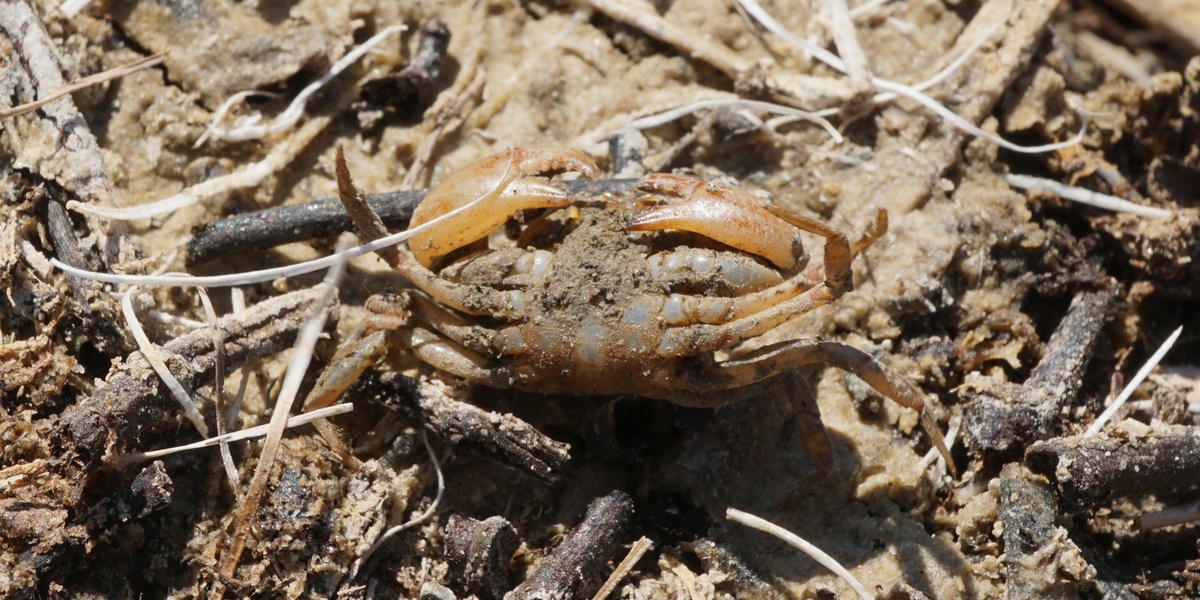
Toxic xanthid crabs
Group of reef crabs whose flesh and viscera concentrate tetrodotoxin and saxitoxin produced by bacterial symbionts. Eating them has caused documented paralysis and deaths across the Indo-Pacific; local fishers avoid them. Poisoning onset is rapid; no antidote, supportive care required.
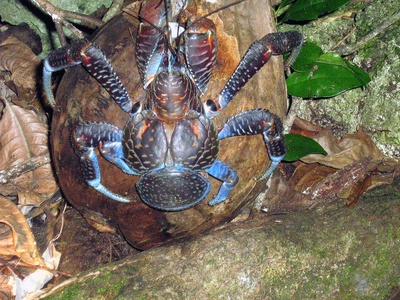
Coconut crab
Very large terrestrial crustacean whose diet can concentrate ciguatoxins and other marine toxins. Eating coconut crab meat has produced ciguatera-like illness in Pacific islanders. Known for strong claws and long life; some islands restrict consumption after outbreaks.
Spiny lobster (general)
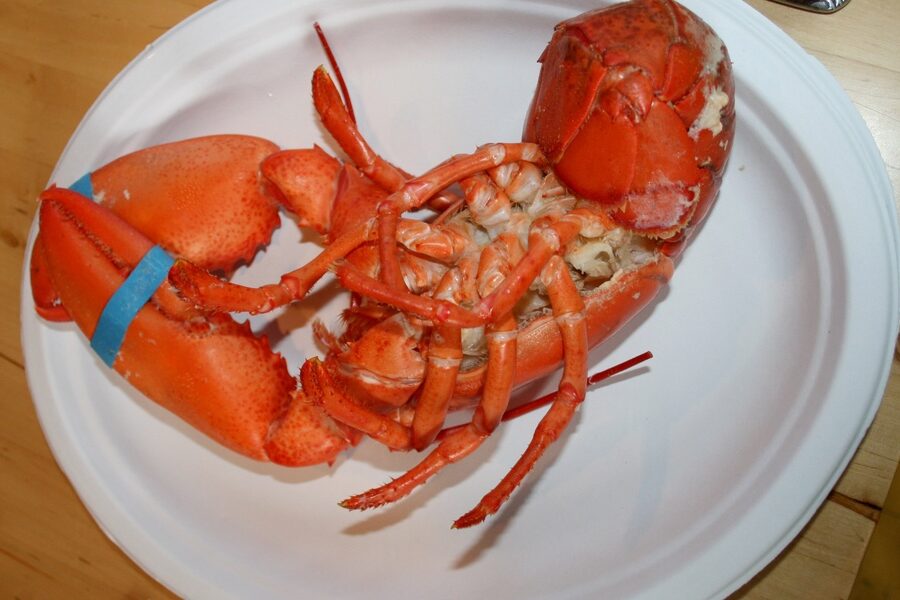
Spiny lobsters can bioaccumulate ciguatoxins from reef food webs; Caribbean Panulirus argus is a known ciguatera vector. Symptoms mimic ciguatera fish poisoning—gastrointestinal and neurological signs including temperature reversal—and outbreaks are a recurring food-safety issue.
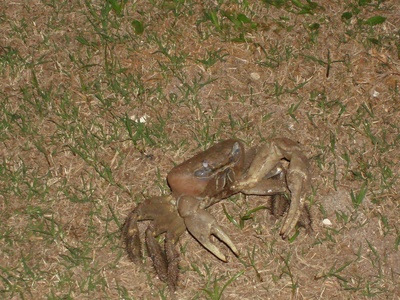
Brown crab
Edible brown crabs may concentrate paralytic shellfish toxins in viscera after algal blooms; fishery closures and human illnesses have followed consumption of contaminated parts. Muscle meat is less often toxic but authorities often restrict harvests when toxins are detected.
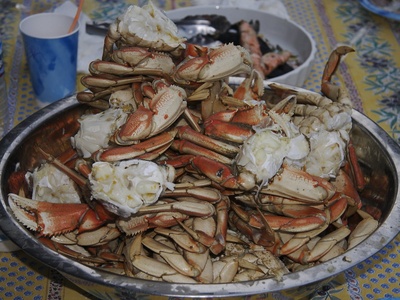
Dungeness crab
Dungeness crabs can carry domoic acid and paralytic toxins in their guts after harmful algal blooms, prompting fishery closures and documented human poisonings when contaminated parts are eaten. Heat does not destroy these heat-stable toxins.
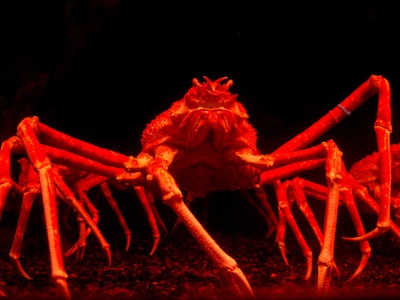
King crab
Red king crabs have been shown to retain paralytic and amnesic shellfish toxins in tissues during algal bloom events. Commercial fisheries monitor toxin levels and sometimes close harvesting to prevent human poisonings; viscera are highest risk.
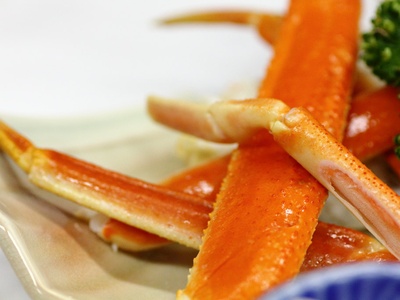
Snow crab
Snow crabs can concentrate algal neurotoxins in viscera during harmful blooms. Documented contamination events lead to fishery closures; eating whole animals or viscera during bloom advisories increases risk even when muscle appears safe.
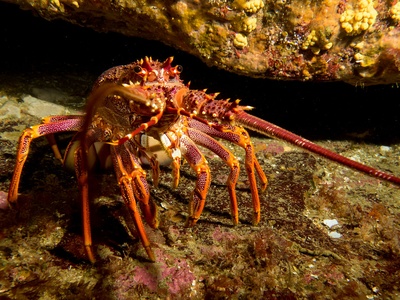
Rock lobster
Rock lobsters in certain areas bioaccumulate ciguatoxins and have caused ciguatera outbreaks. Risk varies by region and individual diet; local advisories often follow confirmed toxin detections to protect consumers.
Crabs feeding on toxic bivalves (general)
Many crabs become secondary toxin vectors when they eat toxic bivalves or algae, concentrating paralytic or amnesic shellfish toxins in viscera. Human cases have occurred after eating contaminated crab parts; avoid viscera during bloom advisories.
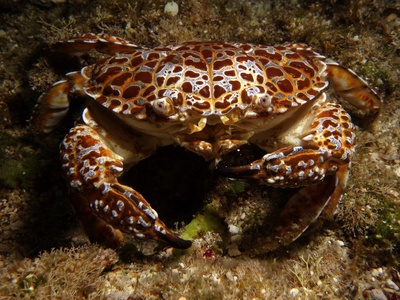
Zosimus aeneus
Small reef crab notorious for highly toxic flesh and viscera; multiple fatal human poisonings documented after consumption in Pacific islands. Toxins are heat-stable so cooking does not render meat safe. Often brightly patterned—avoid eating.