A single bad pruning cut can shorten a tree’s productive life by years; proper pruning decisions—made at the right age and time—often determine whether a tree thrives or declines. A municipal street maple that split during a windstorm last year left a parked car smashed and a neighborhood shaken; the failure started with an untreated rubbing limb and a missed formative pruning cycle. Homeowners and property managers should care because good pruning reduces hazards, protects property value, and extends a tree’s useful life while improving fruit and landscape yields.
Pruning isn’t just cosmetic — done properly, it improves tree health, reduces hazards, and boosts fruit and landscape value; this article lays out 10 practical, evidence-based ways to prune trees properly.
Below you’ll find ten straightforward actions grouped into three goals: health, safety/structure, and aesthetics/productivity, with clear examples, numerical rules of thumb, and pointers to ISA and extension guidance when you need more depth.
Pruning for Tree Health
Good health pruning focuses on cuts that limit pathogen entry, improve internal light and airflow, and prevent structural defects that invite decay. Correct technique and timing cut maintenance costs over the tree’s lifetime and reduce pest and fungal problems; follow International Society of Arboriculture (ISA) and local extension recommendations for specific schedules and species advice.
1. Remove Dead, Diseased, and Dying Wood
Removing dead or clearly diseased wood lowers fungal colonization and shrinks habitat for wood-boring insects, which in turn reduces the risk of decay pockets and storm-damaged limbs. Extension publications and ISA guidance emphasize cutting back into sound wood and not leaving jagged stubs.
Cut back to the branch collar when possible and avoid flush cuts that remove the collar tissue. For practical triage, remove branches with more than 50% dieback or any limb that is brittle, discolored, or hosts visible cankers (for example, cutting a cankered limb from an apple tree during dormancy).
Deadwood can be removed year-round, but act immediately if disease is active. Removing a dead 4-inch scaffold on an urban maple or pruning out cankered fruit-tree limbs in winter both reduce long-term decay and lower the chance of sudden failures in storms.
2. Thin the Crown to Improve Airflow and Light
Selective thinning opens the canopy to sunlight and circulation, lowering foliar disease pressure and encouraging healthy inner growth. University extension studies show that increased airflow reduces fungal disease incidence and improves fruit coloration in orchards.
When thinning, target inward-facing, crossing, or congesting branches and remove only the amount needed to restore light—generally no more than 25–30% of the live crown in a single season. For example, thinning 10–20% of inner shoots on a dense apple or London plane tree over two seasons preserves vigor while improving canopy function.
Spread major thinning across years for large trees to avoid shock and epicormic sprouting. Avoid topping or lion-tailing (removing interior branches while leaving heavy outer limbs) because that creates weakness and sunscalded wood.
3. Remove Crossing or Rubbing Branches
Branches that rub create open wounds and ideal entry points for decay organisms and insects. Regularly inspect young shade and orchard trees and remove the poorer-placed member of any rubbing pair to prevent chronic damage.
Choose the branch to remove based on long-term structure: preserve the better-placed scaffold and retain branches that are wider-angled and better spaced radially. On maples or cherries, remove the smaller rubbing branch, making a clean cut just outside the branch bark ridge and collar.
Early intervention on rubbing limbs prevents larger corrective cuts later and reduces the chance of decay pockets forming at wound sites.
4. Make Proper Heading and Reduction Cuts
Heading and reduction cuts serve different purposes: use reduction cuts to shorten a branch while keeping a natural form, and reserve heading cuts when you want to stimulate denser growth in small shrubs or control size carefully.
Follow ANSI A300/ISA standards: make reduction cuts back to a lateral at least one-third the diameter of the cut branch, avoid leaving stubs, and use the three-cut method for large limbs to prevent bark tearing. For a 6-inch limb removal, start with an undercut, then a top cut a short distance out, and finish by trimming the remaining stub at the collar.
Remember, heading cuts often provoke vigorous sprouting; use them sparingly on trees and more on smaller ornamentals where a compact form is desired.
Pruning for Safety and Structure
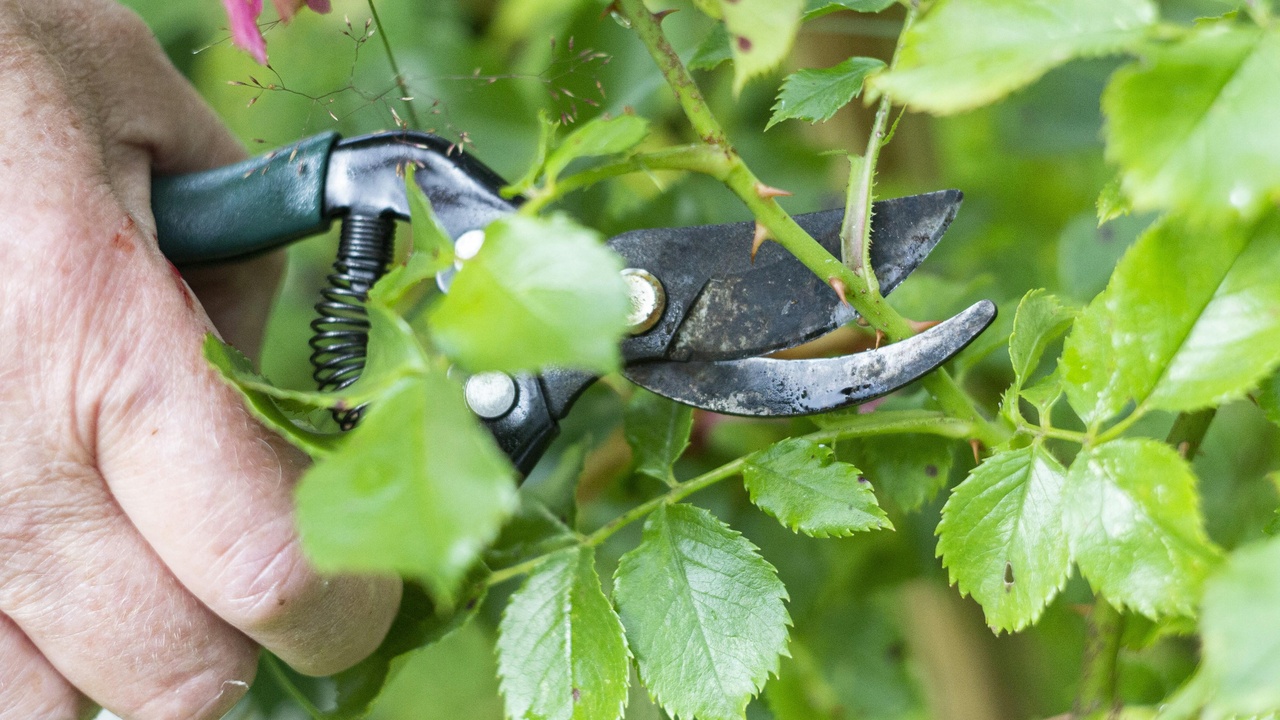
Safety-focused pruning reduces risk to people and property, establishes durable scaffold branches, and helps trees resist wind and ice. Doing formative pruning early—during the first 3–5 years—cuts emergency costs later and prevents structural failures.
5. Eliminate Low Branches and Maintain Clearances
Clearance pruning keeps sidewalks, driveways, and roadways safe and functional. Common industry targets are about 8 feet over sidewalks and roughly 14 feet over streets, but always verify your local codes before trimming.
Raise canopies on street trees to maintain sightlines at driveways and to allow vehicle clearance—an urban oak lifted to provide 10–12 feet over a driveway is a typical example. Never attempt to prune branches touching power lines yourself; contact the utility or a crew approved to work near energized lines.
6. Remove Competing Leaders and Encourage Strong Scaffold Branches
Many species benefit from one strong central leader and 3–5 well-spaced scaffold branches to resist wind and ice loads. Formative pruning in the first 3–5 years shapes that architecture and reduces the need for large corrective cuts later.
On a newly planted maple, train a single leader over several seasons and select scaffold branches that are vertically and radially spaced. Remove co-dominant stems with included bark while they’re small—this prevents weak unions and costly removals as the tree matures.
7. Address Weak Unions and Included Bark
Included bark and narrow, V-shaped crotches create weak attachments that often fail under load because the bark prevents proper wood-to-wood contact. Inspect trees for these defects and correct them early.
Remove the smaller of a weakly attached pair while the tree is young, or consult an ISA-certified arborist for large trees that may need bracing or partial canopy reduction. For example, remove a competing leader on a 6-year-old elm rather than waiting until the union fails.
Pruning for Aesthetics, Productivity, and Longevity
Pruning can enhance landscape form, raise fruit quality, and extend a tree’s useful life when timed and executed for the species and the owner’s goals. Match the pruning system—open-center or central-leader—to the tree type and follow seasonal and tool-care best practices to get predictable results.
8. Prune Fruit Trees to Boost Yield and Fruit Quality
Opening canopies to light balances vegetative and reproductive growth, which typically increases fruit size, color, and quality. Extension trials have documented measurable improvements in fruit size and reduced disease when orchards maintain good light penetration.
Choose an appropriate training system—open-center for peaches, central-leader for apples—and stick to annual or biennial maintenance to avoid heavy corrective cuts. For example, training an apple like Honeycrisp to 6–8 scaffold branches and pruning yearly helps reduce biennial bearing and improves fruit color.
Thin fruit when necessary (reduce crop load) to improve size, and prune to expose spurs and light on bearing wood. Small, consistent cuts beat large, infrequent surgery for orchard health and yield.
9. Time Pruning to Species and Goals (Dormant vs. Summer Pruning)
Timing matters: most structural pruning is best done in dormancy (late winter to early spring) because wounds are less likely to interfere with active growth, bud selection is easier, and insect activity is lower. For temperate climates, February–March is a common window for many deciduous species.
Summer pruning can be useful to slow vigorous growth, reduce size, or remove wayward shoots after leaf expansion. Avoid late-winter pruning on species that bleed heavily, such as maples and birches, unless the slight sap flow is acceptable for your goals.
Do major structural work in dormancy and use light, corrective pruning in summer when you want to check vigor without removing stored carbohydrate reserves.
10. Use the Right Tools and Aftercare (Sanitation, Wound Management)
Matching tools to branch diameter makes cleaner cuts and reduces tissue damage: bypass pruners for under 1 inch, loppers for 1–2 inches, and pruning saws for anything over 2 inches. For large limbs, a chainsaw from a brand like Stihl or Husqvarna might be necessary for professionals.
Disinfect tools between cuts when working on diseased wood—use a 10% bleach solution or 70% isopropyl alcohol, rinse, and dry tools afterward. For example, mix one part household bleach to nine parts water to clean pruners after removing a canker, then rinse metal to prevent corrosion.
Avoid wound paints and dressings; instead make correct cuts (outside the collar, close to the branch bark ridge) and let the tree compartmentalize naturally. Wear PPE—eye protection, gloves, and a helmet when using chainsaws—and consider hiring a pro for limbs over 6–8 inches in diameter or for hazardous removals.
Summary
- Remove dead or diseased wood promptly and cut back to sound wood; avoid flush cuts and stubs.
- Don’t remove more than about 25–30% of the live crown in a single season; thin selectively to improve light and airflow.
- Formative pruning in the first 3–5 years matters: establish a single leader on many species and 3–5 well-spaced scaffold branches.
- Sterilize tools when cutting diseased tissue (10% bleach or 70% alcohol), match tools to branch size, and avoid wound paints—let trees compartmentalize naturally.
- Inspect one favorite tree this season for deadwood, rubbing branches, or low clearances; call an ISA-certified arborist for large-diameter removals or any utility conflicts.