From street markets to home pantries, spices with purple hues add a surprising splash of color and subtle flavor to many cuisines. Whether used for teas, sweets, or savory dishes, these ingredients often signal floral or berry-like notes that can change with heat or acidity.
There are 12 purple spices, ranging from Butterfly pea flower to Violet. For each one, you’ll find below entries organized with Scientific name,Color notes,Flavor and common culinary uses — a compact way to compare appearance and practical uses you’ll find below.
How can I use purple spices in everyday cooking?
Purple spices work well steeped for teas and syrups, stirred into yogurt or ice cream, or added to batters for cakes and pancakes. Use small amounts at first (their color is often more striking than their flavor), pair floral notes with citrus or honey, and experiment with cocktails and rice dishes to showcase both color and taste.
Are purple spices safe to eat and will they keep their color when cooked?
Most purple spices are edible and used traditionally, but buy food-grade sources and check for allergies. Color stability varies: anthocyanin-rich ingredients can shift with heat and pH (acid can brighten or change tones), so add them late in cooking or use acidic finishes to preserve vivid hues.
Purple Spices
| Name | Scientific name | Color notes | Flavor and common culinary uses |
|---|---|---|---|
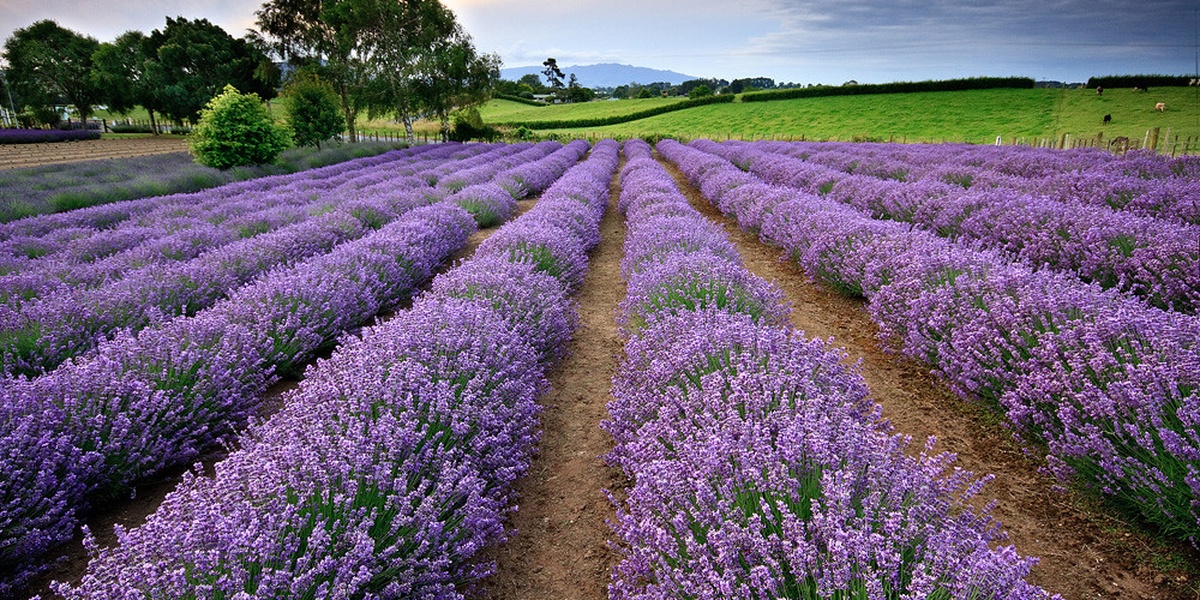
| Lavender | Lavandula angustifolia | Pale to deep purple flower buds (dried) | Floral, sweet, slightly herbal; baking, rubs, teas |
| Hibiscus (Roselle) | Hibiscus sabdariffa | Deep magenta–purple calyces (dried) | Tart, cranberry-like; teas, syrups, sauces, spice blends |
| Sumac | Rhus coriaria | Crimson to purplish-red dried berries/powder | Tangy, lemony; salads, meat rubs, za’atar |
| Red shiso (Perilla) | Perilla frutescens | Deep crimson–purple leaves (fresh or dried) | Herbaceous, minty, slight anise; pickling, garnishes, umeboshi |
| Butterfly pea flower | Clitoria ternatea | Intense indigo-blue petals that turn purple with acid | Mild, earthy; teas, cocktails, rice coloring |
| Rose petals | Rosa damascena | Pink to mauve-purple petals (dried or preserved) | Aromatic, perfumed; desserts, teas, rose water |
| Cornflower petals | Centaurea cyanus | Royal blue to violet-purple petals (dried) | Mildly sweet, slightly clove-like; garnishes, tea blends |
| Violet | Viola odorata | Soft purple petals (fresh or candied) | Sweet, floral; candied, syrups, desserts, teas |
| Hyssop | Hyssopus officinalis | Blue–purple flower spikes (dried) | Minty, slightly bitter; liqueurs, soups, Mediterranean dishes |
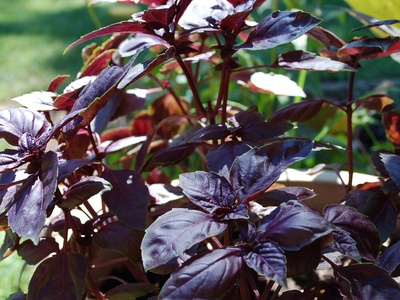
| Purple basil | Ocimum basilicum | Deep purple to burgundy leaves (fresh) | Peppery, clove-like; pesto, salads, garnishes, sauces |
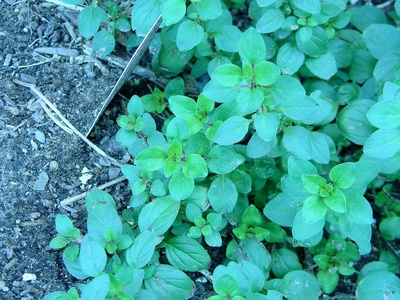
| Purple oregano | Origanum vulgare | Purple-tinged leaves and blooms when flowering | Warm, oregano; pizzas, tomato sauces, grilled meats |
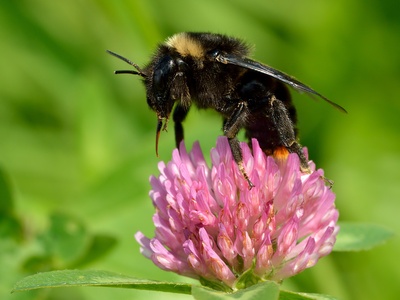
| Red clover | Trifolium pratense | Pinkish-purple flower heads (dried) | Mild, grassy; herbal teas, garnishes, infused syrups |
Images and Descriptions
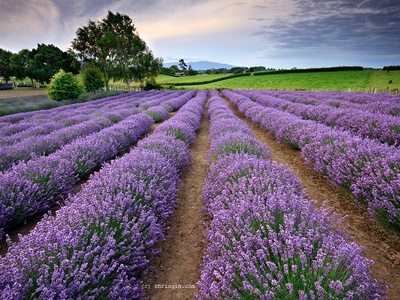
Lavender
A fragrant herb native to the Mediterranean, widely sold dried or as buds. Used in desserts, sachets, herbes de Provence and teas. Readily available; substitutes include rosemary or lemon balm. Notable for fragrant oil and subtle purple bloom.
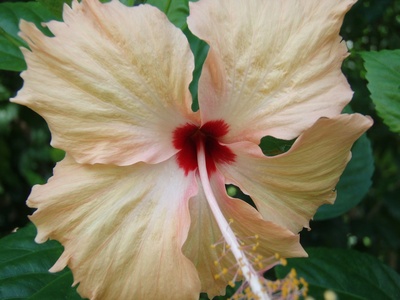
Hibiscus (Roselle)
Originating in Africa and Asia, dried roselle calyces give a vivid magenta-purple infusion used for beverages, sauces and condiments. Easy to source dried; used as a souring agent. Substitutes: tamarind or cranberry for tartness and color.
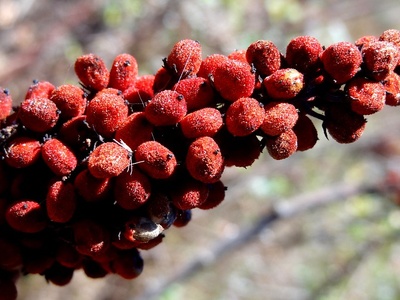
Sumac
A staple of Middle Eastern cuisine made from dried ground berries with a maroon–purple hue. Adds bright acidity to salads, grilled meats and spice blends. Commonly available ground; lemon zest or citric acid can substitute.

Red shiso (Perilla)
Used across East Asia, red shiso has purple-red leaves used for pickling, coloring and flavoring. Available fresh in Asian markets or dried; imparts distinctive color and aroma. Substitute: regular shiso, basil or mint in a pinch.
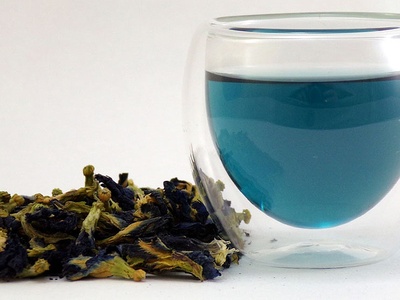
Butterfly pea flower
Southeast Asian edible flower sold dried for vibrant blue infusions that shift to purple with citrus. Popular in cocktails and rice dishes as a natural colorant. Substitute: none exact; use blue spirulina or food-safe colorants.
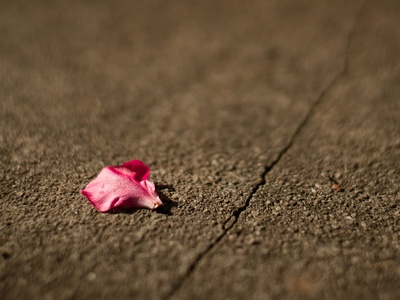
Rose petals
Damask and other roses produce fragrant petals used dried or as rose water in Middle Eastern and European cooking. Often available from specialty suppliers; lavender or orange blossom can substitute aromatic floral notes.
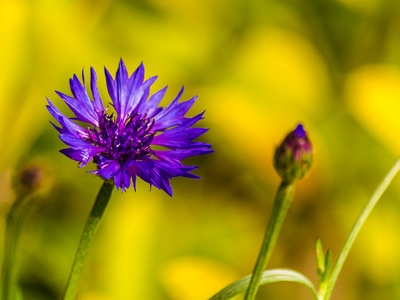
Cornflower petals
An edible flower native to Europe, dried cornflower adds blue–purple flecks to salads, tea blends and decorations. Sold by herb suppliers and bakers; subtle flavor, suitable substitute with calendula or borage for color contrast.
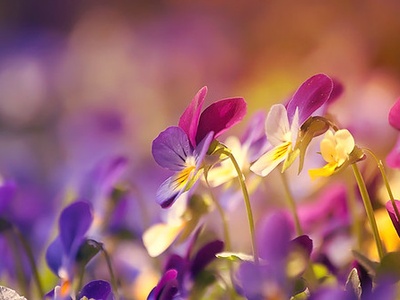
Violet
Sweet-scented violet flowers have long been candied or infused into syrups and teas in Europe and Asia. Dried or crystallized petals are specialty items; rose or orange blossom can mimic floral sweetness when unavailable.
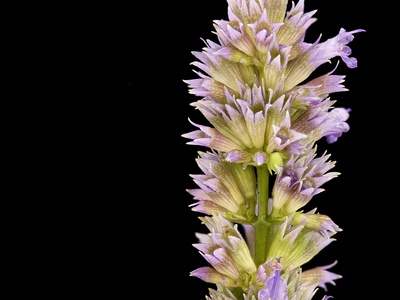
Hyssop
A Mediterranean herb with purple blooms used sparingly as a seasoning and in liqueurs. Dried hyssop is available from herb suppliers; it contributes minty-bitter notes. Substitute: mint with a touch of oregano or thyme.
Purple basil
A purple-leaved cultivar of common basil, used fresh for color and aromatic flavor in Mediterranean and Southeast Asian dishes. Sold at nurseries and farmers’ markets; green basil or shiso can substitute both flavor and texture.
Purple oregano
A variety of oregano showing purple flowers or leaves during bloom, used like common oregano in Mediterranean cooking. Widely available as dried herb; substitute with common oregano or marjoram if color not required.
Red clover
A meadow herb with purple flower heads used in herbal teas and as edible garnish. Dried blossoms are sold by herbalists and specialty stores. Offers mild sweetness; chamomile or lavender can be used as floral substitutes.