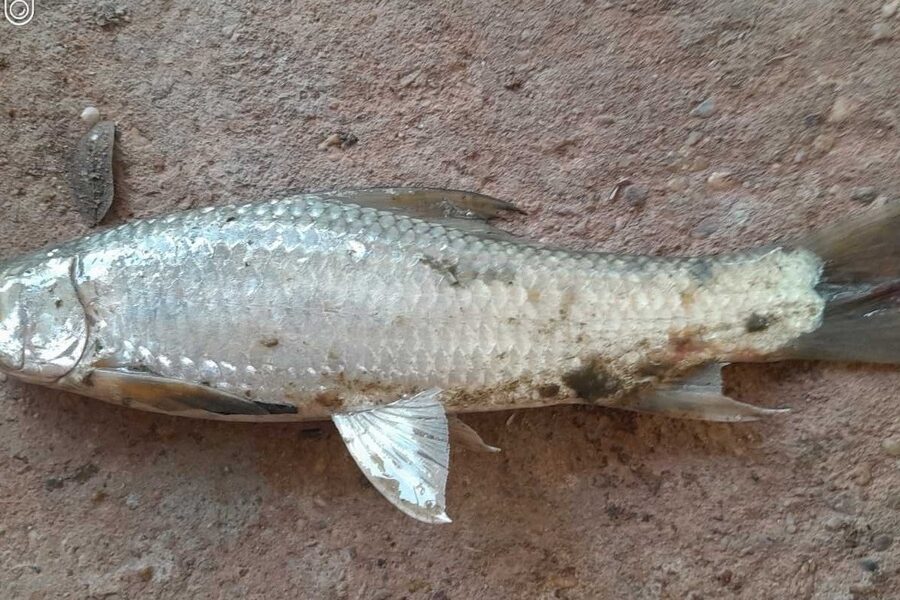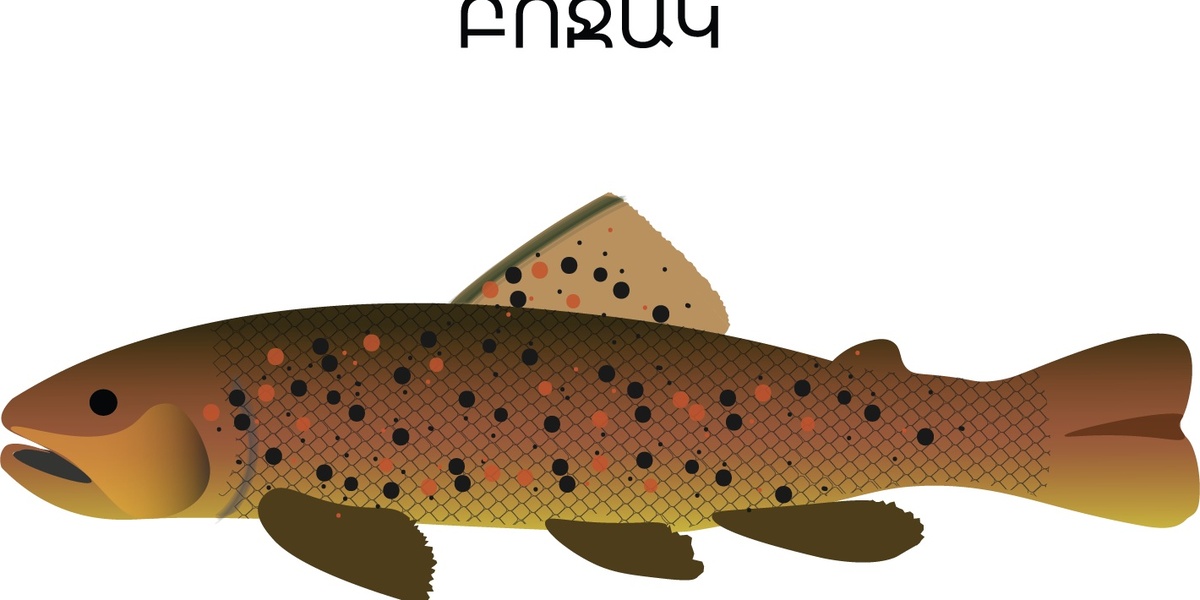
Armenia’s highland lakes, slow-moving rivers and mountain streams support a varied freshwater fauna shaped by elevation, climate and human use. Local anglers and naturalists often notice how species change with habitat, from shoaling fish in plains waters to solitary predators in deeper lakes.
There are 18 Fish of Armenia, ranging from Bleak to Zander (pike-perch). For each species the list gives Scientific name,Armenian name,Max length (cm) to help with identification and size comparison — you’ll find below.
Which Armenian waters are best for seeing these species in the wild?
Lake Sevan, the Aras (Araks) River and several reservoirs host the widest range, while upland streams tend to hold smaller, more cold-water adapted species. Visit in spring and early summer for active feeding, and check local regulations and access points before you go.
Are any of the listed species threatened or protected in Armenia?
Some species face pressure from habitat change, pollution and introduced competitors, and a few are subject to local protections or catch limits. For up-to-date status consult Armenia’s environmental authorities or IUCN listings and local conservation groups for guidance.
Fish of Armenia
| Common name | Scientific name | Armenian name | Max length (cm) |
|---|---|---|---|
| Sevan trout | Salmo ischchan | Sevani ishkhan | 100 |
| Sevan whitefish | Coregonus lavaretus (sevanicus) | Sevani koghak | 60 |
| Brown trout | Salmo trutta | Ishkhan (darchnaguyn) | 80 |
| Common carp | Cyprinus carpio | Karp | 100 |
| Prussian (gibel) carp | Carassius gibelio | Gibel karp | 40 |
| Wels catfish | Silurus glanis | Silur | 200 |
| Northern pike | Esox lucius | Shchuka | 120 |
| Zander (pike-perch) | Sander lucioperca | Zander | 100 |
| European perch | Perca fluviatilis | Perch | 50 |
| Common bream | Abramis brama | Bream | 60 |
| Tench | Tinca tinca | Tinca | 50 |
| Roach | Rutilus rutilus | Roach | 35 |
| Bleak | Alburnus alburnus | Bleak | 20 |
| Gudgeon | Gobio gobio | Gudgeon | 15 |
| Common nase | Chondrostoma nasus | Nase | 60 |
| Kura barbel | Barbus cyri | Barbel | 70 |
| Spined loach | Cobitis taenia | Spined loach | 12 |
| Topmouth gudgeon | Pseudorasbora parva | Topmouth gudzhon | 12 |
Images and Descriptions
Sevan trout
Endemic trout of Lake Sevan historically abundant; now restricted after fisheries and hydrological change. Large, fast-growing salmonid found in Sevan and tributaries. Critically endangered regionally; conservation and restocking programs are in place.

Sevan whitefish
Cold-water whitefish native to Lake Sevan and its inflows. Distinct Sevan form once supported local fisheries; numbers declined with lake changes. Considered threatened regionally and subject to management and reintroduction efforts.
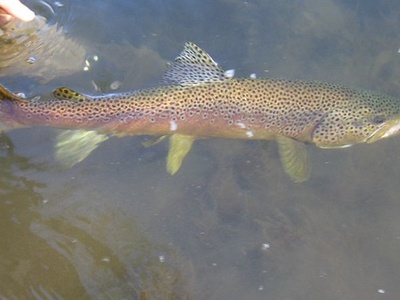
Brown trout
Native salmonid of Armenian rivers and highland streams (Hrazdan, Debed, Arpa). Anglers prize its wariness and size. Populations are widespread and mostly Least Concern, though some local stocks face habitat pressures.
Common carp
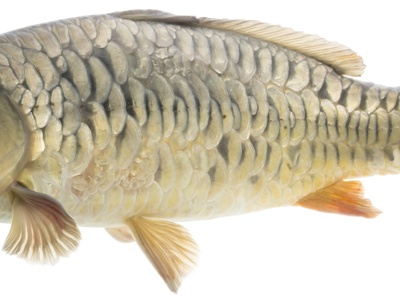
Widespread in rivers, lakes and reservoirs across Armenia from lowland Araks basin to reservoirs. Introduced/managed for aquaculture and fisheries; large, hardy omnivore. Wild carp lineages are vulnerable in places while farmed stocks are common.
Prussian (gibel) carp
Common in lowland rivers, lakes and impoundments; abundant and often invasive. Tolerant of poor conditions and reproduces quickly, competing with natives. Considered invasive in Armenian waters with local ecological impacts.
Wels catfish
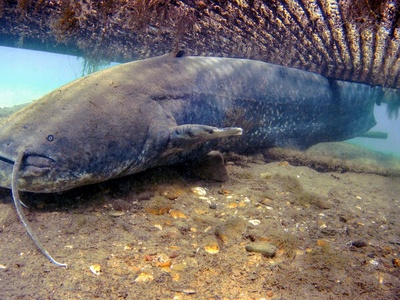
Large predatory catfish present in lowland rivers and some reservoirs (Araks basin). Powerful ambush predator reaching big sizes in warm waters. Generally Least Concern globally but locally important for fisheries and occasionally overfished.
Northern pike
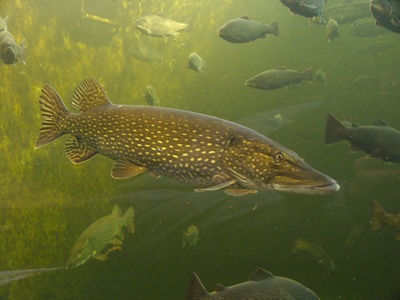
Ambush predator found in lakes and slow-flowing rivers and reservoirs throughout Armenia, including Sevan tributaries and lowland reservoirs. Introduced to some waters for sport fishing. Typically Least Concern but can impact small fish communities.
Zander (pike-perch)
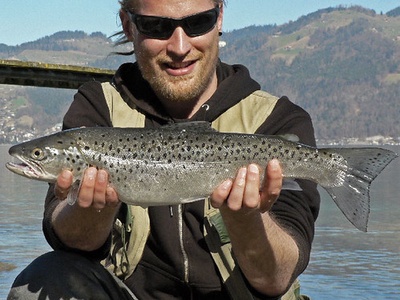
Introduced to reservoirs and larger rivers for fisheries; occupies open-water and deeper zones in reservoirs. A valued sport and commercial species now established in several Armenian impoundments. Considered Least Concern globally.
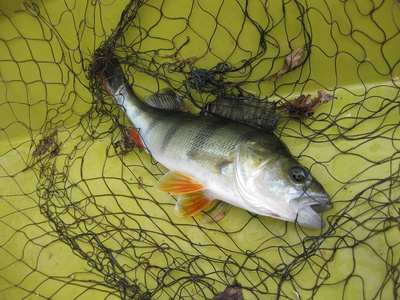
European perch
Widespread in cooler lakes, rivers and reservoirs, including upland and lowland systems. Aggressive small-to-medium predator important for angling. Populations generally stable (Least Concern), but local habitats face pollution and flow alteration.
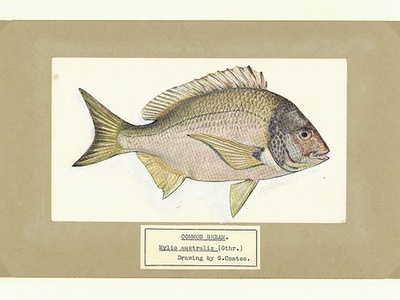
Common bream
Slow-moving, deep-water fish of rivers, lakes and reservoirs in Armenia’s lowlands. Often forms large shoals and supports coarse fisheries. Generally widespread and considered Least Concern, though eutrophication can affect local stocks.
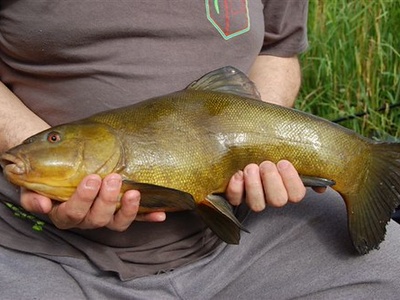
Tench
Bottom-oriented, secretive fish found in warm lowland lakes, oxbows and reservoirs. Tolerant of vegetation-rich and low-oxygen waters; used in coarse fisheries. Considered Least Concern but local wetlands loss can reduce populations.
Roach
Common small to medium cyprinid across Armenia in rivers, lakes and reservoirs. Shoaling omnivore that adapts to varied conditions. Typically Least Concern; forms a key prey species for predators and supports local fisheries.
Bleak
Surface-feeding cyprinid found in rivers and reservoirs of Armenia’s river basins. Small silvery fish forming large schools. Generally widespread and Least Concern; populations reflect water quality and flow regime.
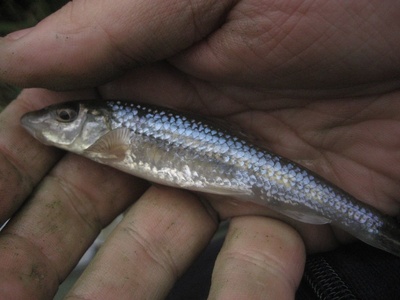
Gudgeon
Small bottom-dwelling fish of rivers and streams across Armenia, often in clean riffles and runs. Important food for larger predatory fish. Local populations are sensitive to sedimentation and pollution; generally Least Concern.
Common nase
Rheophilic cyprinid of faster-flowing rivers in the Kura-Araks basin and tributaries; grazes algae from stones. Valued in native river communities; locally affected by damming and habitat change though globally not highly threatened.
Kura barbel
Large endemic-region barbel in the Kura-Araks drainage including Armenian rivers. Bottom-dwelling, stone- and gravel-associated feeder. Regionally important; many barbel populations are impacted by flow alteration and fisheries pressure.
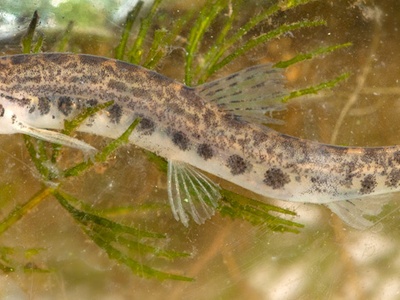
Spined loach
Small benthic loach in sandy and silty stretches of Armenian rivers and lowland wetlands. Secretive and often overlooked; habitat changes and pollution threaten local populations though species-level status is currently stable.
Topmouth gudgeon
Small invasive cyprinid recorded in Armenia’s lowland rivers and reservoirs. Highly fecund and competitive, it can displace native small fishes and alter food webs. Recognized as an invasive threat in managed waters.