Tiny white creatures show up in the most unexpected places — on leaf undersides, among pond algae, and along coastal wrack. Looking closely at these tiny species reveals a surprising variety of shapes and lifestyles, even when they share the same pale color.
There are 15 smallest white animals, ranging from Freshwater hydra to Woolly aphid. For each entry you’ll find below Scientific name,Size (mm),Habitat & range so you can compare tiny forms across environments and spot patterns in where they live and how small they get — you’ll find below.
How do scientists measure the size of these very small white animals?
Researchers typically measure body length in millimeters using microscopes or calibrated photos; measurements may include or exclude appendages depending on the group (e.g., insect legs vs. body only). Museum specimens and live observations both help confirm typical size ranges.
Should I be worried about tiny white species in my garden or home?
Most are harmless and play roles in food webs, but a few (like woolly aphids) can damage plants by sucking sap or spreading disease. Identification and targeted, gentle control (natural predators, pruning) are better than broad pesticides.
Smallest White Animals
| Name | Scientific name | Size (mm) | Habitat & range |
|---|---|---|---|
| Greenhouse whitefly | Trialeurodes vaporariorum | 1.50 | greenhouses and crops,worldwide |
| Silverleaf whitefly | Bemisia tabaci | 1.20 | tropical/subtropical crops,global |
| Mealybug | Planococcus citri | 4.00 | houseplants,orchards,global |
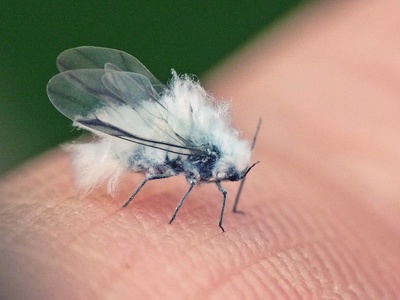
| Woolly aphid | Eriosoma lanigerum | 3.00 | apple and woody hosts,Europe,North America |
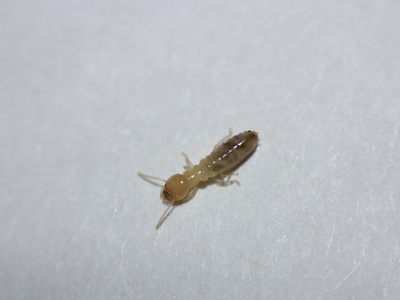
| Termite worker (eastern subterranean) | Reticulitermes flavipes | 4.50 | subterranean wood,North America |
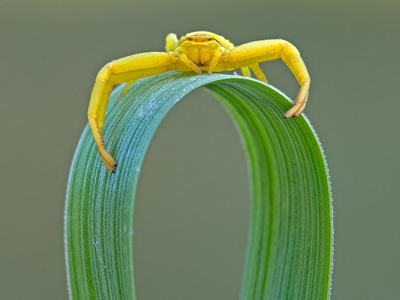
| Goldenrod crab spider | Misumena vatia | 8.00 | flowers,meadows,temperate Holarctic |
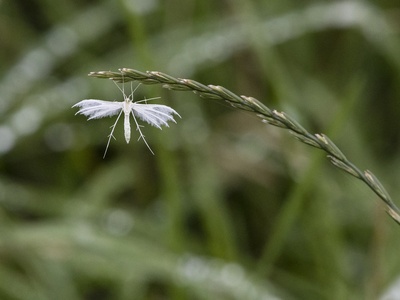
| White Plume Moth | Pterophorus pentadactyla | 12.00 | gardens,Europe and Asia |
| Small Ermine Moth | Yponomeuta evonymella | 10.00 | orchards,wood edges,Europe |
| Tardigrade (water bear) | Hypsibius exemplaris | 0.50 | mosses and lichens,worldwide |
| Rotifer | Philodina roseola | 0.30 | freshwater ponds and puddles,global |
| Microworm | Panagrellus redivivus | 0.80 | decaying organic matter,global |
| Sea slug (nudibranch) | Eubranchus exiguus | 4.00 | rocky shores,NE Atlantic |
| Freshwater hydra | Hydra vulgaris | 10.00 | ponds and slow streams,global |
| Planarian flatworm | Schmidtea mediterranea | 10.00 | freshwater streams and pools,Mediterranean and lab cultures |
| Nudibranch (sea slug) | Cumanotus beaumonti | 6.00 | rocky coasts,Northeast Atlantic |
Images and Descriptions
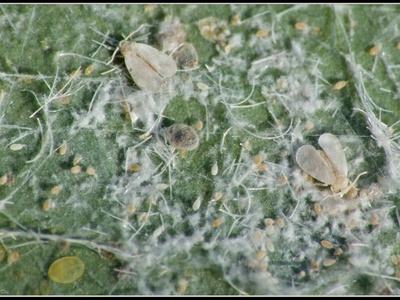
Greenhouse whitefly
Tiny adult fly with powdery white wings that stay white from waxy scales; commonly found on greenhouse plants. Appears white for camouflage and water repellence. Notable as a sap-sucking pest and vector of plant viruses.

Silverleaf whitefly
Very small white-winged insect coated in a powdery wax giving a pale appearance; adults are about a millimeter long. White coloration helps reflect sunlight and protect from desiccation. Important agricultural pest and virus transmitter.
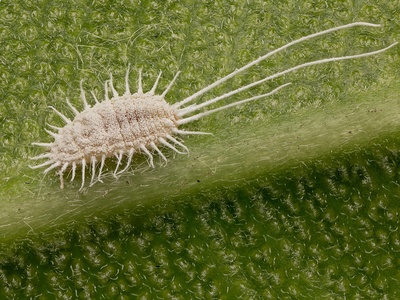
Mealybug
Soft-bodied insect covered in white wax filaments and powder, making adults look cottony. Wax aids camouflage and water loss prevention. Common on citrus and ornamentals; females can reproduce rapidly and damage roots and foliage.
Woolly aphid
Small aphid covered in white waxy filaments that form a woolly coat; adults appear distinctly white. Wax provides protection from predators and moisture loss. Known for producing galls and damaging apple trees.
Termite worker (eastern subterranean)
Worker caste pale creamy-white due to thin cuticle and lack of pigmentation; workers are common within colonies and in infested wood. Their whiteness aids life inside dark tunnels. Major timber pest and efficient cellulose feeders.
Goldenrod crab spider
Female often pure white for flower camouflage, sometimes yellow; body color matches bloom to ambush pollinators. About 7–10 mm long, they can change color slowly. Notable ambush predator capturing bees and flies.
White Plume Moth
Delicate moth with pristine white, deeply divided plume-like wings; adults are white as a species trait for camouflage on flowers and pale stems. Typically rests in distinctive T-shape. Larvae feed on bindweed and convolvulus.
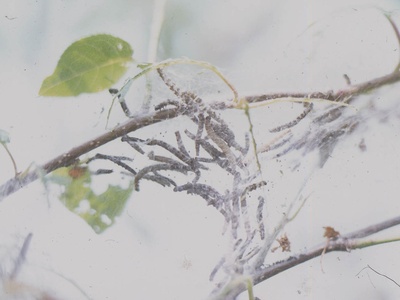
Small Ermine Moth
Slender moth with predominantly white forewings often dotted with black; the white coloration is normal adult patterning for concealment. Larvae live gregariously in conspicuous silk webs on host plants, sometimes defoliating shrubs.
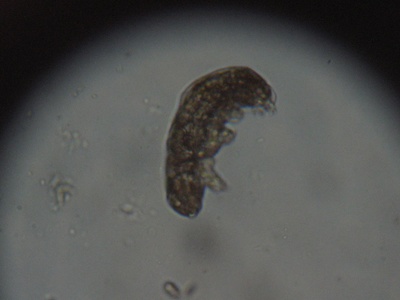
Tardigrade (water bear)
Microscopic, plump eight-legged animal often appearing milky-white or translucent; whiteness comes from internal tissues and lack of pigmentation. Famous for cryptobiosis and extreme survival—can survive desiccation, freezing, and radiation.
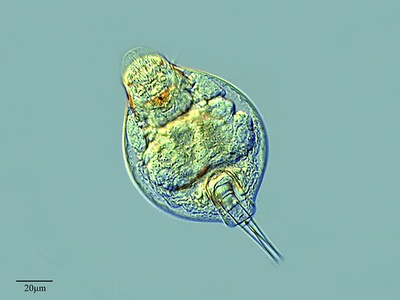
Rotifer
Tiny wheel-bearing micro-animal with soft, pale body that often appears white or opaque; whiteness reflects minimal pigmentation. Uses ciliated corona to feed. Can encyst and survive drying in fluctuating waters.
Microworm
Small free-living nematode with creamy-white body, common in moist decomposing substrates and used as live fish food. Pale color stems from translucent cuticle and little pigmentation. Fast-reproducing and easy to culture.
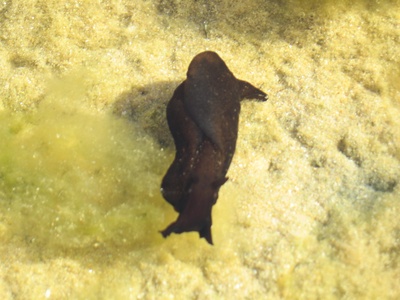
Sea slug (nudibranch)
Very small nudibranch species often translucent to pure white, with white cerata for camouflage among hydroids. Adult whiteness is normal pigmentation and may conceal it from predators. Feeds specifically on hydroid colonies.
Freshwater hydra
Small, tubular cnidarian often pale white when not hosting algae; body appears white due to lack of pigment. Uses stinging cells (nematocysts) to capture tiny prey. Can regenerate from small body fragments.
Planarian flatworm
Soft, pale to white flatworm with remarkable regeneration; adult coloration is typically creamy or translucent white. White appearance is due to unpigmented epidermis. Famous for regrowing heads and entire bodies from fragments.
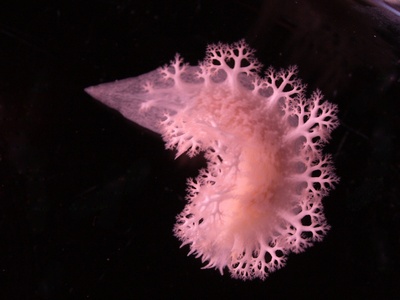
Nudibranch (sea slug)
Small nudibranch often slender and predominantly white; pigmentation helps blend with pale hydroid prey. Adults measure only a few millimeters. Notable for specialized diet on specific cnidarians and cryptic coloration.