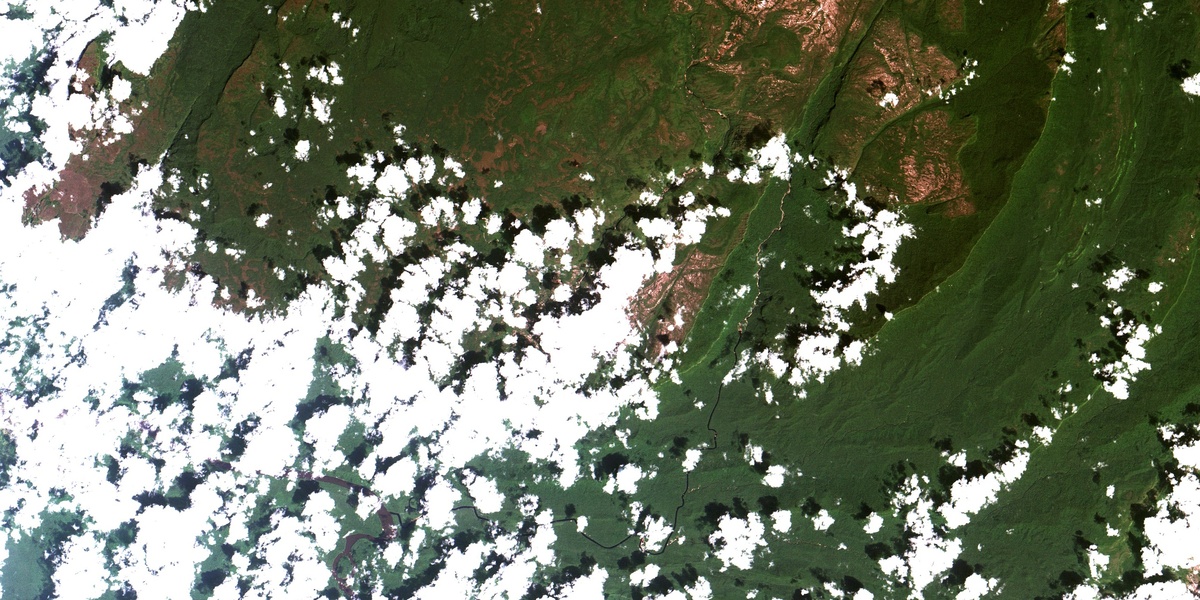
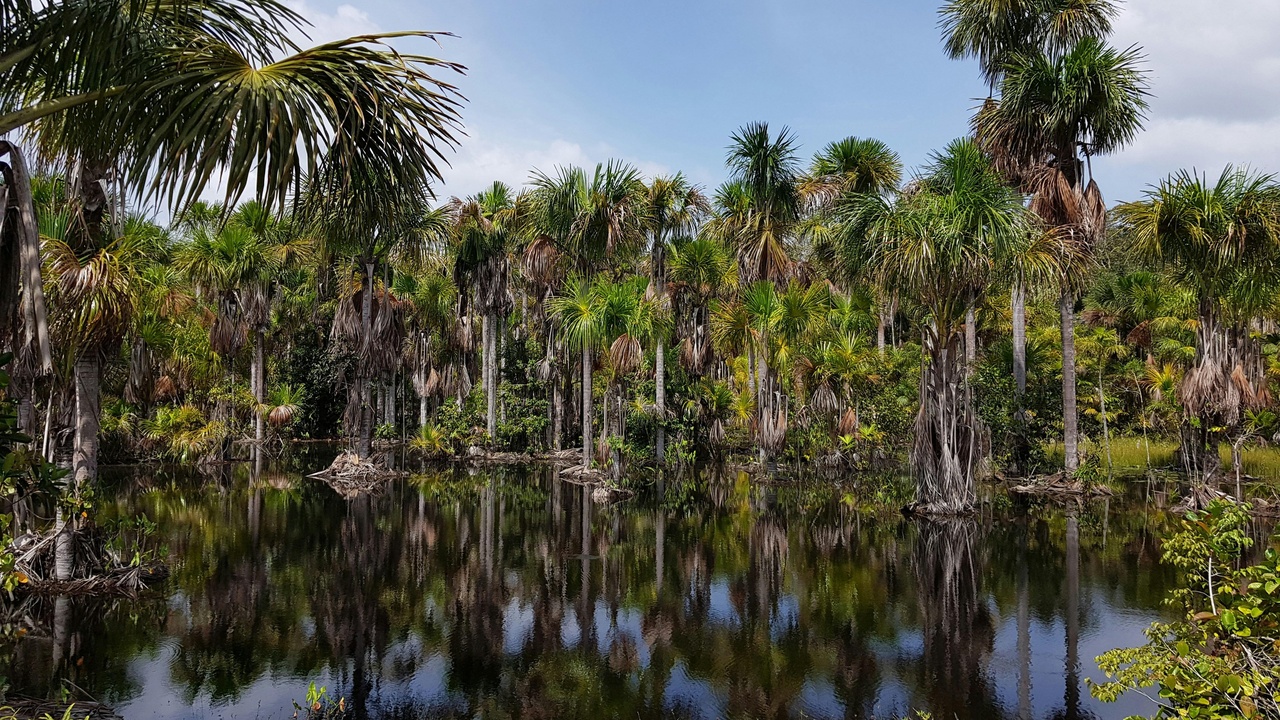
When Alexander von Humboldt and Aimé Bonpland explored parts of Venezuela between 1799 and 1804, they recorded plants that helped spark modern tropical botany. That expedition opened European eyes to landscapes that still feel elemental: lowland rainforests, coastal cacao groves, and the ancient table mountains of the Guiana Shield. Venezuela’s tropical plant life matters because it supports huge biological richness, underpins rural livelihoods (from smallholder cacao to non-timber forest products), and holds deep cultural meaning for Indigenous and coastal communities. The country’s humid lowlands and isolated tepui summits host species you won’t find anywhere else, and many of those have tight, vulnerable ranges. Below are 10 representative examples—big canopy trees, economically important crops, showy epiphytes, and tepui endemics—that illustrate why these plants are ecologically and culturally valuable, and why protecting them matters for people and wildlife alike. The flora of Venezuela is a tapestry worth knowing.
Iconic Trees and Canopy Species
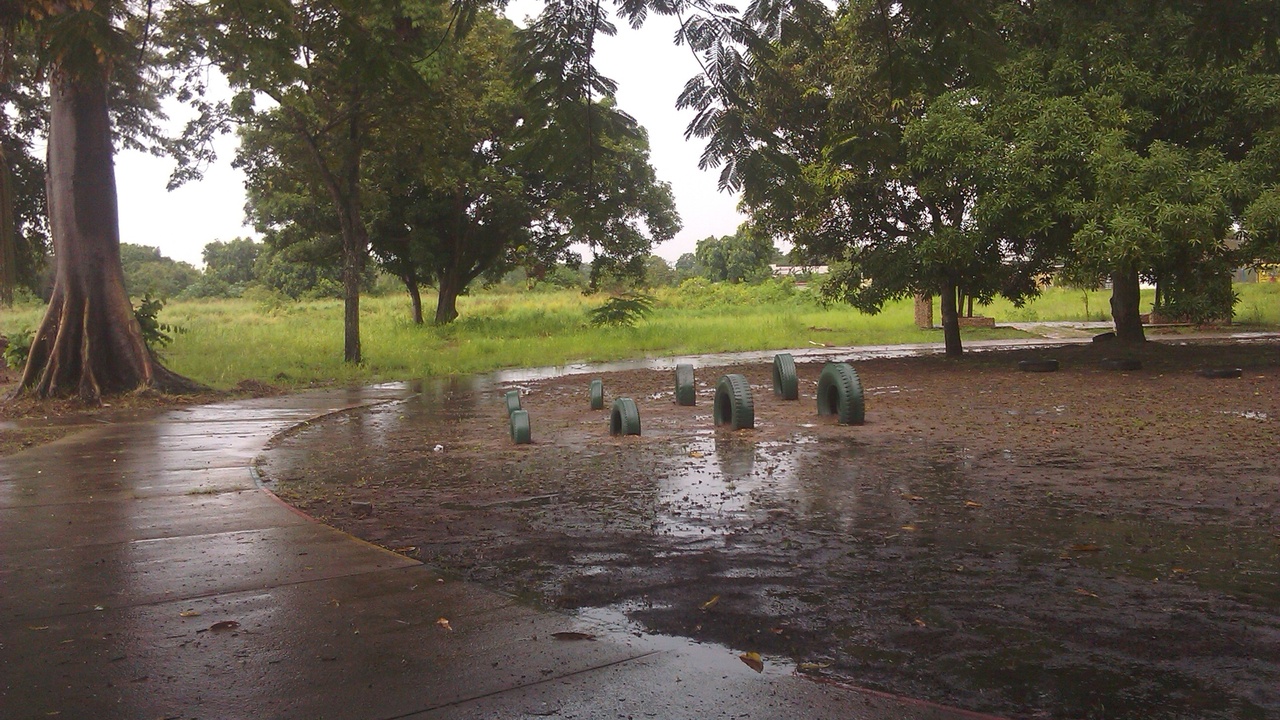
Large trees define tropical forest structure: they store carbon, shape microclimates, and provide food and cavities for animals. In Venezuela’s lowland and foothill forests, emergent giants and massive canopy trees create the layered habitat that birds, primates, and many epiphytes depend on. These species also carry cultural weight—used in ceremonies, construction, and local crafts—and they have driven regional economies through timber and non-timber products.
Yet selective logging and land‑use change have thinned many forests. Some timber species are now regulated internationally (for example, bigleaf mahogany is listed under CITES Appendix II), and conservation measures that combine protected areas, community forestry, and certification are essential. Expect canopy trees to be tall: several emergent species commonly exceed 50 meters, with some individuals reaching 60–70 m.
1. Ceiba (kapok) — the emergent giant
Ceiba pentandra is one of the tallest emergent trees in Venezuelan lowland forests, with mature specimens often reaching 50–70 m. Its buttressed trunk and high crown make it a visible landmark in riverine and terra firme forest.
Locally, kapok has long cultural roles: Indigenous groups use the lightweight kapok fiber for flotation, bedding, and crafts, and large Ceiba trees appear in folklore and village sacred sites. Ecologically, the tree’s large cavities and flowering displays provide nesting and roosting sites for parrots, bats, and epiphytes during the dry and wet seasons.
Traditional uses persist alongside conservation interest; regional floras and botanic collections (e.g., Kew records and local ethnobotany studies) document both the species’ utility and the need to protect large trees that take decades to mature.
2. Mahogany — high-value timber and conservation concerns
Swietenia macrophylla (bigleaf mahogany) has long shaped regional timber economies because of its straight, valuable lumber. That demand led to intensive logging across its range, including parts of Venezuela, reducing old‑growth stands and complicating natural regeneration.
Mahogany is listed on CITES Appendix II, which regulates international trade to prevent unsustainable exploitation. Sustainable management—community forestry, reduced‑impact logging, and certification like FSC—offers real-world pathways to balance income and biodiversity protection in areas where mahogany still persists.
Some reserves and indigenous territories in Venezuelan Amazon and Guayana regions still harbor mahogany populations, but long-term recovery depends on protection and market incentives that favor legal, traceable timber (see CITES and FAO reports for trade trends).
3. Figs and keystone fruiting trees
Ficus species in Venezuelan forests—both strangler figs and free‑standing figs—behave like ecological keystones: they fruit asynchronously or year‑round, supplying critical food when other trees are not fruiting. This “fruit gap filling” supports flocks of frugivorous birds, primates, and bats.
Because figs attract seed dispersers, they indirectly support forest regeneration and plant diversity. Field observations often note large congregations of birds on fig trees outside peak fruiting seasons, and ecotourism outfits highlight fig hotspots for wildlife viewing—an example of how single tree species can boost both ecology and local tourism.
Medicinal and Economically Important Plants
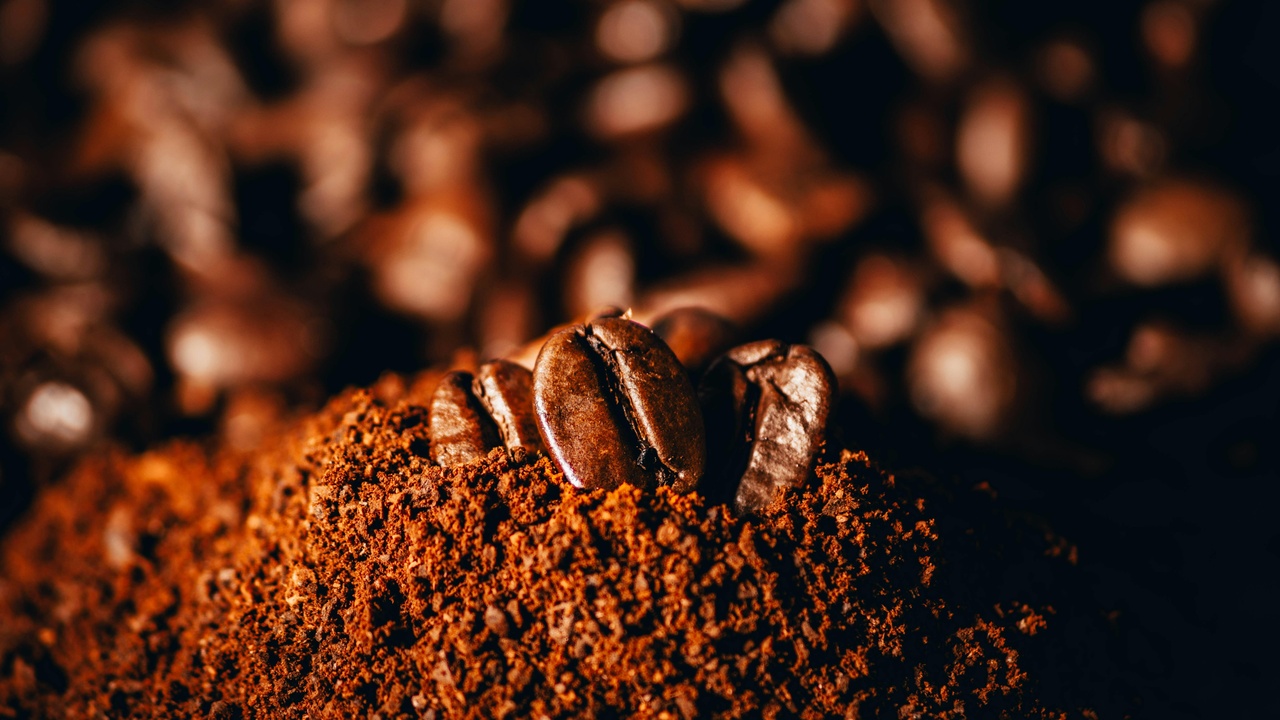
Venezuelan plants contribute to livelihoods and global markets in striking ways: boutique cacao and coffee, locally relied‑on medicinal species, and historical forest commodities like rubber have all influenced regional economies. Many of these plants carry deep cultural histories while also attracting premium international markets.
A good historical marker: the active compound quinine—extracted from Cinchona bark—was chemically isolated by Pelletier and Caventou in the 1820s, demonstrating how South American plants shaped modern pharmacology. Today, specialty agricultural products and non‑timber forest products remain vital to rural incomes, but they depend on sustainable harvest and fair supply chains.
4. Venezuelan cacao — Chuao and other fine-flavor beans
Venezuela produces small-area, fine‑flavor cocoa prized by chocolatiers. Varieties and regions such as Chuao, Porcelana, and Criollo have reputations for complex aromas and delicate flavor profiles that command premium prices.
The village of Chuao on the central coast is a historic cocoa‑producing community with centuries of cultivation and small, family‑run parcels that yield limited quantities—one reason the beans fetch high prices. Specialty cocoa supports niche exporters, cooperative projects, and agritourism such as cacao tours that link culture, landscape, and income.
5. Quinine and cinchona — a medicinal legacy
Cinchona bark supplied quinine, the first reliably effective antimalarial, and the compound was isolated chemically by Pierre‑Joseph Pelletier and Joseph Bienaimé Caventou in the 1820s. That discovery tied Andean and Amazonian botanical knowledge to global medicine.
While Cinchona species are more characteristic of Andean cloud forests than lowland jungle, the wider South American context shows how traditional medicines guided pharmaceutical advances. Botanical and pharmacological literature (herbaria, Kew, pharmacognosy texts) are good sources for distribution and historical detail.
6. Rubber and other commercial forest products
Hevea brasiliensis (rubber) and a variety of non‑timber forest products (resins, fibers, fruits) have historically shaped livelihoods. The Amazon rubber boom of the late 1800s–early 1900s is a stark historical example of how extractive commodity demand can reshape landscapes and societies.
Today, sustainable agroforestry, smallholder systems, and value‑added local processing offer alternatives that keep forest cover while providing income. FAO and regional agroforestry studies document how diversified forest products can reduce pressure on primary timber while supporting community resilience.
Orchids, Bromeliads, and Epiphytes
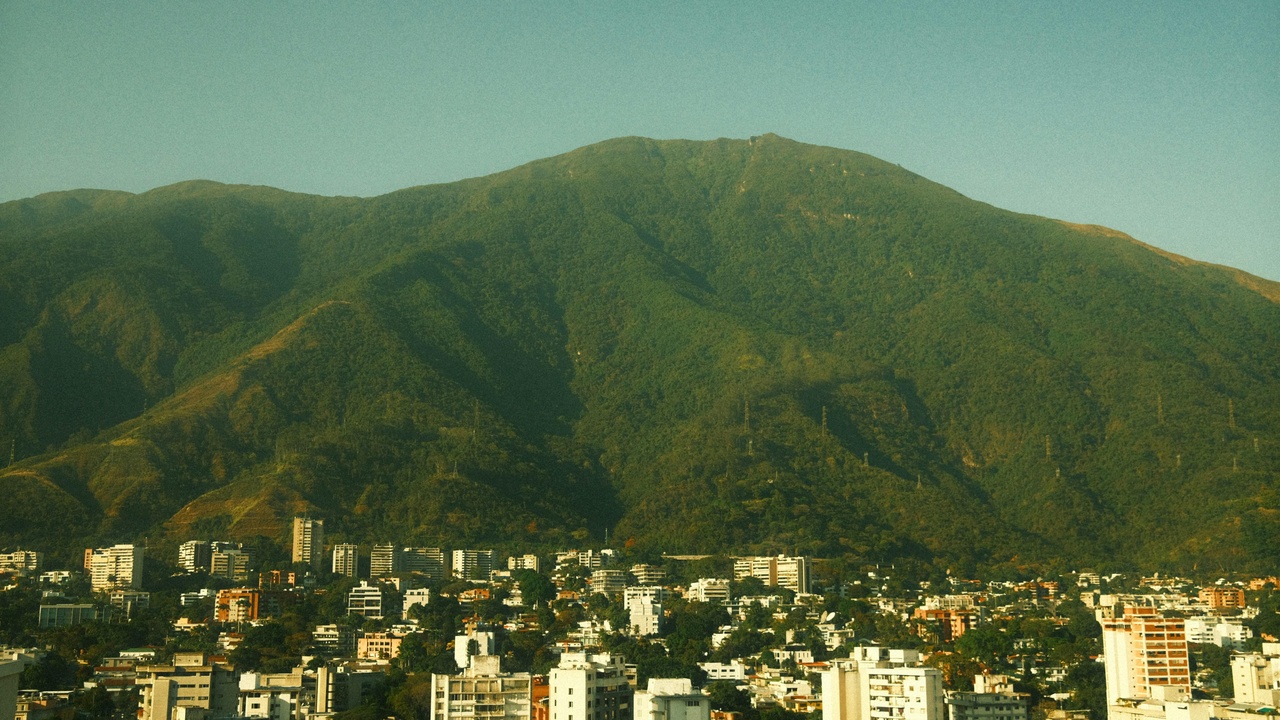
Venezuela’s humid forests and tepui slopes host extraordinary epiphyte diversity: orchids, bromeliads, and other air‑plants carpet branches and rock faces. These species create microhabitats, store water, and cycle nutrients, making them crucial for forest function and for many invertebrates and amphibians.
Orchids are also horticulturally important; some, like Cattleya mossiae, are cultural icons. But collecting, land conversion, and illegal trade threaten wild populations, so regulation and ex‑situ cultivation (botanic gardens, local growers) play a role in conservation.
7. Cattleya mossiae — Venezuela’s celebrated orchid
Cattleya mossiae is an emblematic Venezuelan orchid and has long been celebrated as a national symbol. Its large, fragrant blossoms feature in festivals and botanical displays and have a storied horticultural history among growers in the region.
Conservation measures include regulated trade, propagation programs, and exhibits in national botanical gardens. Local orchid societies and growers often partner with conservationists to reduce pressure on wild populations while keeping cultural traditions alive.
8. Bromeliads and tank epiphytes — miniature ecosystems
Many bromeliads (e.g., Tillandsia, Brocchinia) form tanks that catch rain and leaf litter, creating aquatic microhabitats that support insects, tadpoles, and other microfauna. Some larger tanks can hold up to several liters of water, sustaining tiny food webs.
Brocchinia reducta and other tepui bromeliads illustrate extreme adaptations to summit conditions, while Tillandsia species carpet trunks and branches in wet forests. These plants are important for nutrient cycling and are a draw for specialists and ecotourists alike, but overcollection and habitat loss remain concerns.
Tepui Specialists and Endemic Flora
Tepuis are dramatic tabletop mountains of the Guiana Shield—geologically ancient plateaus often dated to around 1.5 billion years—and their sheer cliffs isolate summit habitats. That isolation has produced very high endemism: many species occur only on one or a few tepui summits, adapted to cool, nutrient‑poor conditions.
Because ranges are tiny and climates on summits are narrow, tepui endemics are especially vulnerable to climate change and human disturbance. Protecting tepui flora safeguards unique evolutionary lineages and supports scientific study of isolation and speciation.
9. Heliamphora — carnivorous pitcher plants of the tepuis
Heliamphora species are classic tepui endemics: carnivorous pitchers adapted to nutrient‑poor summit soils. Species such as Heliamphora nutans occur on specific tepuis and capture insects to supplement poor soil nitrogen.
The pitchers’ morphology varies across species and sites, and scientists study Heliamphora for insights into adaptation and niche specialization. With many species restricted to single summits (e.g., Mount Roraima, Chimantá Massif), small population sizes make them conservation priorities (see Kew, GBIF for occurrence records).
10. Tepui shrubs and endemic herbs — the narrow-range specialists
Beyond carnivores, tepui summits support numerous endemic shrubs, herbs, and graminoids—genera like Bonnetia and Stegolepis include species known from only one or a handful of plateaus. Bonnetia roraimae, for example, is part of a distinct assemblage on Mount Roraima.
Some tepui complexes host dozens to hundreds of endemic vascular plants; these narrow‑range specialists are invaluable for evolutionary study and deserve high conservation status because a single severe storm or temperature shift could threaten entire species.
Summary
Together, these 10 examples show how Venezuela’s tropical plant communities—from emergent giants and mahogany to fine‑flavor cacao, orchids, bromeliads, and tepui endemics—are central to biodiversity, culture, and local economies. Canopy trees shape habitats and carbon storage; specialty crops support livelihoods and heritage; epiphytes engineer microhabitats; and tepui specialists reveal long histories of isolation and evolution. Many species face real threats—logging, illegal collection, land conversion, and climate shifts—so actions that support protected areas, community forestry, sustainable specialty markets, and reputable ecotourism make a difference.
Learn more from authoritative sources (Kew, GBIF, CITES, UNESCO) and consider supporting local conservation groups or choosing sustainably produced cocoa and forest products when you can. Protecting these plants is also protecting cultural traditions and future livelihoods.
- Large canopy trees store carbon and provide habitat for countless species.
- Specialty crops like Chuao cocoa link cultural heritage to premium markets.
- Orchids and bromeliads create microhabitats, but need regulated trade and habitat protection.
- Tepui endemics have tiny ranges and high conservation priority due to climate sensitivity.