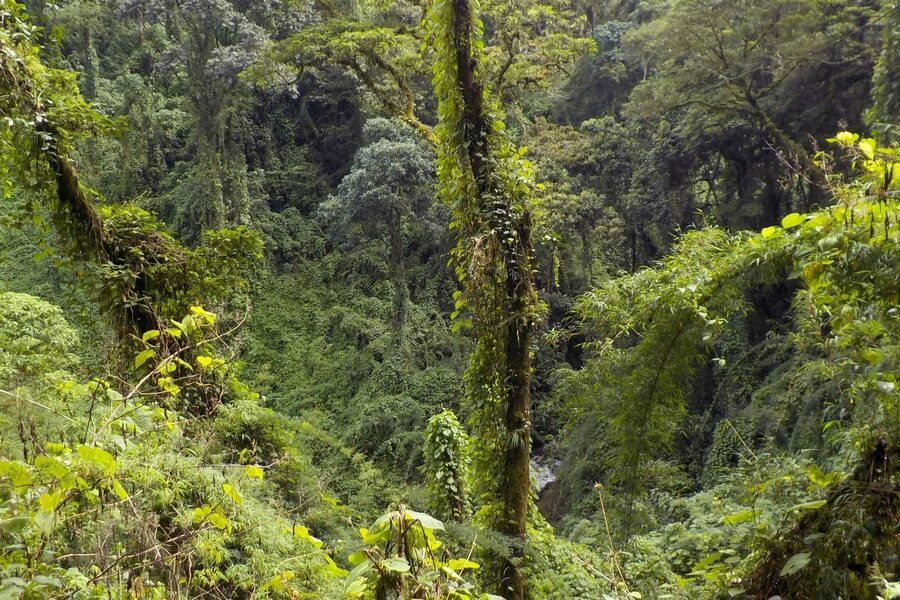
The Amazon basin is home to an incredible variety of plant life, from emergent canopy trees to small understory shrubs and fruit-bearing species that local people rely on. Walking its trails reveals a landscape where species richness and ecological roles overlap in every layer of the forest.
There are 37 amazon rainforest flora, ranging from Abiu to Virola; for each entry you’ll find below the Scientific name, Plant type, Height (m) to help you compare species and spot them in the field — you’ll find below.
How is the list organized and how can I use the columns?
Each row groups a species with its Scientific name for accurate identification, a short Plant type (tree, shrub, liana, etc.) and Height (m) to give a quick sense of its vertical position in the forest; use the combination to narrow searches, plan observations, or match what you see on walks.
Are any of these plants safe to eat or potentially harmful?
Some species like Abiu are known edible fruit trees, while genera such as Virola include species with toxic or psychoactive compounds; treat wild plants cautiously, consult local guides or ethnobotanical sources, and never eat or handle unknown species without expert advice.
Amazon Rainforest Flora
| Common name | Scientific name | Plant type | Height (m) |
|---|---|---|---|
| Brazil nut | Bertholletia excelsa | Tree | 40 |
| Rubber tree | Hevea brasiliensis | Tree | 30 |
| Kapok | Ceiba pentandra | Tree | 60 |
| Big-leaf mahogany | Swietenia macrophylla | Tree | 30 |
| Cacao | Theobroma cacao | Small tree | 5 |
| Cupuaçu | Theobroma grandiflorum | Tree | 10 |
| Açaí palm | Euterpe precatoria | Palm | 15 |
| Moriche palm | Mauritia flexuosa | Palm | 25 |
| Patawa palm | Oenocarpus bataua | Palm | 25 |
| Murumuru palm | Astrocaryum murumuru | Palm | 10 |
| Peach palm | Bactris gasipaes | Palm | 15 |
| Maripa palm | Attalea maripa | Palm | 20 |
| Sacha inchi | Plukenetia volubilis | Vine | variable |
| Guaraná | Paullinia cupana | Liana | variable |
| Ayahuasca vine | Banisteriopsis caapi | Liana | variable |
| Chacruna | Psychotria viridis | Shrub | 3 |
| Virola | Virola surinamensis | Tree | 30 |
| Rosewood (Brazilian) | Aniba rosaeodora | Tree | 20 |
| Curare vine | Strychnos toxifera | Liana | variable |
| Ice-cream-bean | Inga edulis | Tree | 10 |
| Trumpet tree | Ochroma pyramidale | Tree | 20 |
| Fig (wild fig) | Ficus insipida | Tree | 30 |
| Abiu | Pouteria caimito | Tree | 20 |
| Monkey-pot | Lecythis pisonis | Tree | 30 |
| Cow tree | Brosimum utile | Tree | 30 |
| Heliconia | Heliconia bihai | Herb | 2 |
| Calathea | Calathea lutea | Herb | 2 |
| Bromeliad | Aechmea magdalenae | Epiphyte/terrestrial | 1 |
| Araçá (lorety) | Eschweilera coriacea | Tree | 30 |
| Sakrete (jacaranda) | Jacaranda copaia | Tree | 15 |
| Money tree | Pachira aquatica | Tree | 20 |
| Jatoba (courbaril) | Hymenaea courbaril | Tree | 25 |
| Giant water lily | Victoria amazonica | Aquatic herb | variable |
| Lecythidaceous beauty | Gustavia superba | Tree | 8 |
| Sandbox tree | Hura crepitans | Tree | 30 |
| Matico pepper | Piper aduncum | Shrub | 2 |
| Coral tree | Erythrina poeppigiana | Tree | 15 |
Images and Descriptions

Brazil nut
Massive canopy tree of the Amazon Basin (Brazil, Peru, Bolivia, Colombia), reaching tall emergent crowns; produces nutritious hard-shelled nuts gathered by locals, wildlife-dispersed by agoutis, and economically vital; vulnerable to overharvest and deforestation, often found on well-drained terra firme forests.
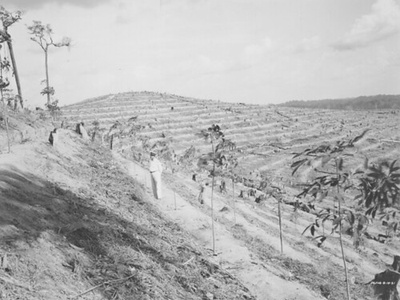
Rubber tree
Native to western Amazon (Brazil, Peru, Colombia), medium to large canopy tree that makes milky latex tapped for natural rubber; typical in terra firme and riverine forests, historically central to rubber boom and now widely cultivated, conservation ties to native forest protection.
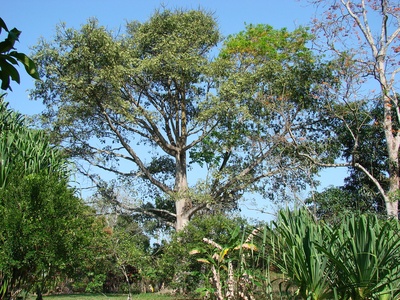
Kapok
Tall emergent tree across the Amazon Basin (Brazil, Ecuador, Peru, Colombia) with buttressed trunk and fluffy seed fiber; grows on riverbanks and terra firme, culturally sacred to many Indigenous peoples; kapok fiber used for stuffing and wildlife rely on its flowers and seeds.
Big-leaf mahogany
Large canopy tree native to Amazon regions of Brazil, Peru and Bolivia prized for valuable timber; occurs in terra firme forests, supports local economies but has suffered heavy overlogging and is now regulated; slow to regenerate, conservation important for forest diversity.
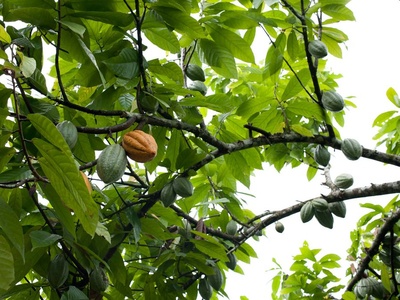
Cacao
Understory tree native to Amazonian lowlands (Peru, Ecuador, Brazil), source of cacao beans used to make chocolate; found in shaded forest margins and small-scale agroforestry, culturally and economically important, many wild populations persist in humid tropical forest.
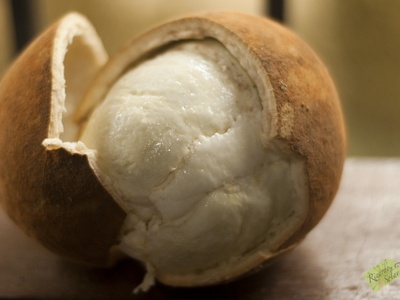
Cupuaçu
Related to cacao and native to Amazonian Brazil, Colombia and Peru; medium understory tree with large fragrant fruits used for juices, sweets and cosmetics; grows in moist forests and floodplains, increasingly cultivated but wild trees remain culturally significant.
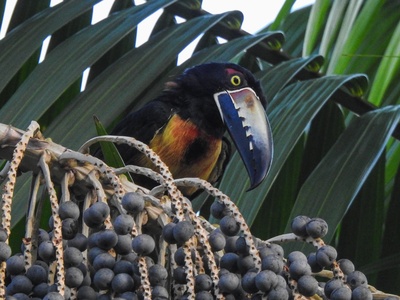
Açaí palm
Slender, single-stemmed palm widespread across Amazonian Brazil, Peru and Colombia; produces small dark berries eaten fresh or as a popular smoothie ingredient, grows in varzea and terra firme forests, important for local diets and sustainable harvest economies.
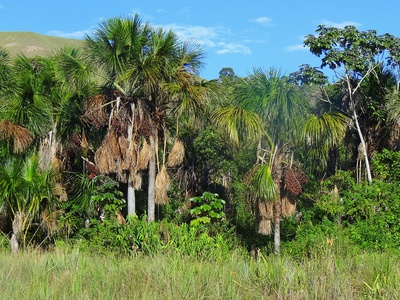
Moriche palm
Dominant swamp and floodplain palm across Amazonian wetlands (Brazil, Peru, Bolivia), with dense clusters of fronds and orange fruit; provides habitat, food for wildlife, oil and fiber for people; locally abundant but sensitive to hydrological alteration.
Patawa palm
Widespread Amazon palm (Brazil, Peru, Colombia, Ecuador) with clustering stems and oil-rich fruits; common in terra firme and flooded forests; fruit is processed for edible oil and local markets, supports wildlife and traditional livelihoods.
Murumuru palm
Spiny, stout palm native to western and central Amazon regions, produces fatty seeds used to make moisturizing butter for cosmetics; found in terra firme and swampy soils, seeds also consumed locally and palm supports forest fauna.
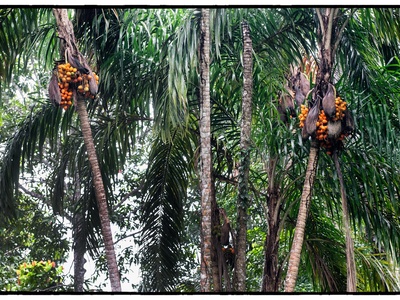
Peach palm
Domesticated and wild forms native to Amazonia, medium palm cultivated for starchy fruits and hearts-of-palm; occurs in disturbed forest and agroforestry plots, important food source historically and today for Indigenous and rural communities.
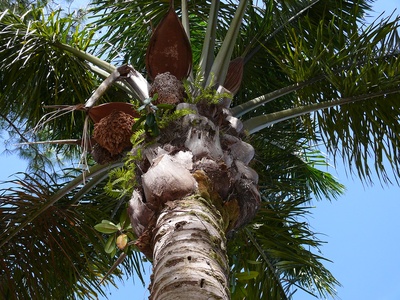
Maripa palm
Large solitary-stemmed palm across Amazon Basin producing big edible fruits and seeds; common in terra firme and riverine forests, harvested for oil and food, contributes to local economies and wildlife diets, sometimes called “seje.”
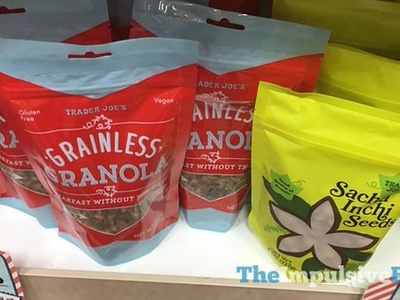
Sacha inchi
Climbing vine native to western Amazon (Peru, Ecuador, Colombia) with star-shaped seed pods rich in omega-3 oils; grows in disturbed edges and secondary forests, seeds pressed for edible oil and health products, cultivated increasingly but also wild-harvested.
Guaraná
Woody climbing vine native to the Amazon (Brazil, especially Amazonas state), produces caffeine-rich seeds used traditionally and in energy drinks; common in terra firme forest and secondary growth, culturally important and economically valuable.
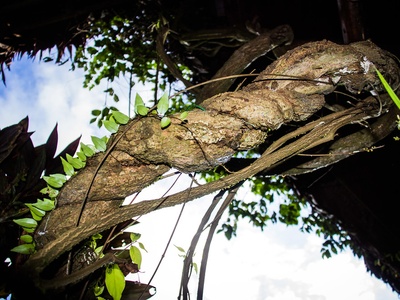
Ayahuasca vine
Large woody vine native to Amazonian lowland forests (Peru, Brazil, Colombia), key ingredient in traditional ayahuasca brews used in spiritual and medicinal practices; grows in shaded understory and forest edges, culturally protected with conservation concerns over wild harvest.
Chacruna
Small understory shrub native to Amazonia (Peru, Brazil, Colombia) whose leaves contain DMT and are used in ayahuasca preparations; occurs in humid terra firme and riverine forests, culturally significant to Indigenous medicine and ritual.
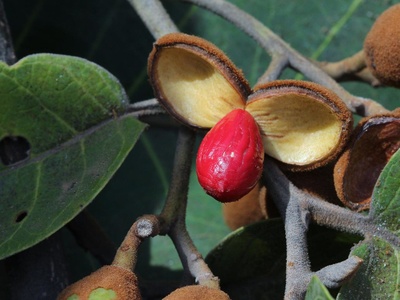
Virola
Tall canopy tree found in Amazon Basin (Suriname, Brazil, Colombia, Peru), with smooth trunk and resinous seeds used traditionally for hallucinogenic snuffs; common along rivers and floodplains, timber used locally though some species face exploitation pressures.
Rosewood (Brazilian)
Aromatic Amazonian canopy tree (Brazil, Peru, Ecuador) historically harvested for rosewood oil (linalool) used in perfumery; grows in terra firme and flooded forests, overexploitation has made wild populations vulnerable and spurred conservation measures.
Curare vine
Woody vine native to Amazonian forests (Brazil, Colombia, Peru) that yields alkaloids used in traditional curare arrow poisons; grows in terra firme and disturbed areas, culturally important for Indigenous hunting and studied for medical research.
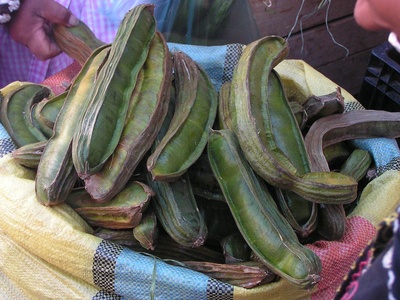
Ice-cream-bean
Widespread Amazonian tree (Peru, Brazil, Ecuador) in riverine and secondary forests, recognizable by long pods of sweet, cottony pulp eaten fresh; nitrogen-fixing legume valued in agroforestry and as shade tree for cacao and coffee.
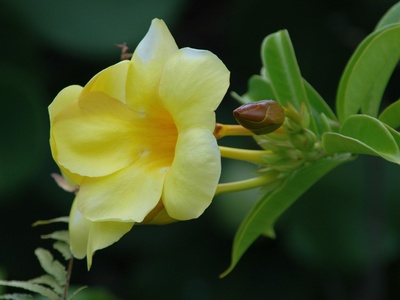
Trumpet tree
Fast-growing pioneer “balsa” tree across Amazon Basin and Neotropics, lightweight wood used for models and crafts; colonizes disturbed areas and riverbanks, supports rapid forest recovery though overharvest reduces local regeneration.
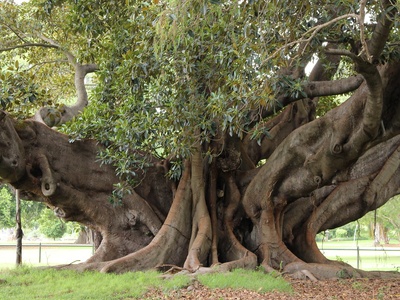
Fig (wild fig)
Large, fast-growing fig in Amazon riverside and terra firme forests (Colombia, Peru, Brazil) with abundant figs eaten by birds and mammals; often a keystone species for wildlife feeding year-round, sometimes a strangler habit, culturally significant.
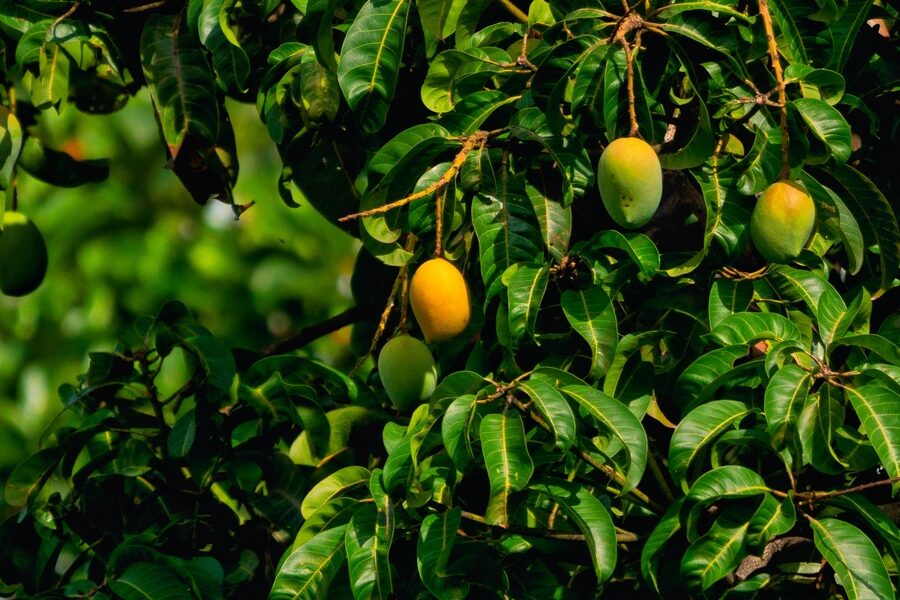
Abiu
Tropical fruit tree native to parts of Amazonia (Brazil, Peru), medium-sized with glossy leaves and sweet yellow fruits; inhabits terra firme and riverine forest edges, fruits eaten locally and sold, some wild populations impacted by land-use change.
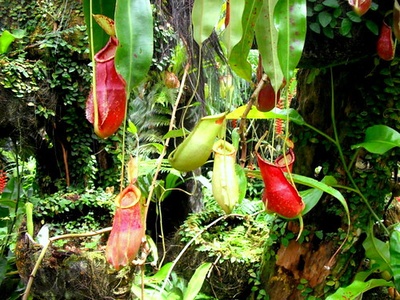
Monkey-pot
Large Lecythidaceae canopy tree in Amazonia (Brazil, Peru, Guyana) producing woody pot-like fruits filled with edible seeds; common in terra firme forests, seeds and timber used locally, important for wildlife and seed dispersers.
Cow tree
Also called “milk tree,” native to Amazon Basin, large shade tree producing a sweet milky latex once drunk by Indigenous peoples; found in terra firme forests, used for timber and traditional uses, sometimes cultivated in agroforestry.
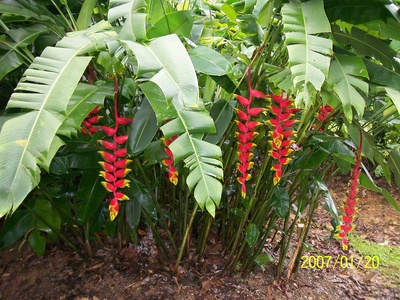
Heliconia
Showy understory herb native to Amazonian rainforests (Guianas, Brazil), with bright hanging bracts that attract hummingbirds; grows in shaded moist sites and forest edges, widely appreciated as ornamental and important for pollinators.
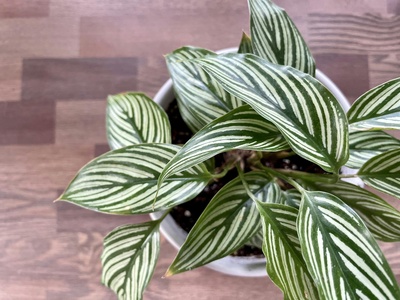
Calathea
Large-leaved understory herb occurring in Amazonia (Brazil, Peru, Colombia), used traditionally for wrapping food and craft; thrives in humid shaded areas, recognized for striking foliage and local utilitarian uses rather than timber.
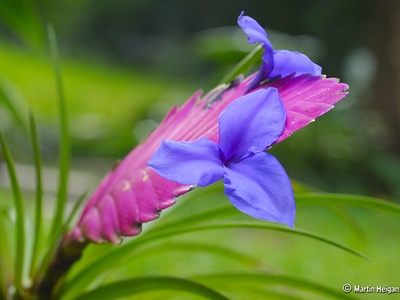
Bromeliad
Tough bromeliad native to Central and South American wetlands including parts of the Amazon, forms rosettes that hold water and provide habitat for frogs and insects; leaves yield fibers and some species used locally for weaving.
Araçá (lorety)
Common canopy tree in Amazon terra firme forests (Brazil, Peru, Colombia) from the Lecythidaceae family, with heavy, durable wood and nut-like fruits; important for forest structure and timber, fruits eaten by wildlife and occasionally by people.
Sakrete (jacaranda)
Medium canopy tree across Amazonian lowlands (Brazil, Guyana, Peru) found in secondary and mature forests; lightweight timber used locally and flowers attract pollinators, a common pioneer species in disturbed areas.

Money tree
Swamp-tolerant Amazonian tree (Brazil, Colombia, Peru) with large edible nuts often eaten roasted; inhabits seasonally flooded forests and river margins, seeds and nuts used locally and sometimes cultivated ornamentally worldwide.
Jatoba (courbaril)
Hardwood tree of Amazonia (Brazil, Peru, Guyana) producing large fragrant pods with sweet pulp and durable timber known as jatobá; resin historically used as copal, fruit eaten, and tree valued commercially yet reliant on sustainable harvest.
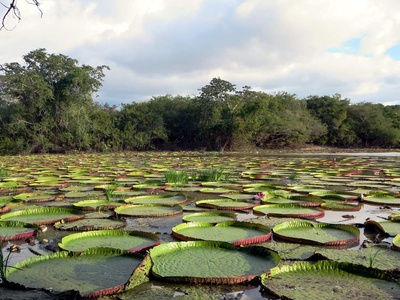
Giant water lily
Iconic floating plant of Amazon floodplains and oxbow lakes (Brazil, Bolivia, Peru) with enormous circular leaves and showy night-blooming flowers; admired in cultural contexts and grown in botanical collections, provides microhabitats for aquatic creatures.
Lecythidaceous beauty
Small ornamental canopy or subcanopy tree native to Amazonian understories (Brazil, Peru, Colombia), with large, showy white flowers and fleshy fruits; attracts bats and bees, locally used for fruit and as an attractive forest species.
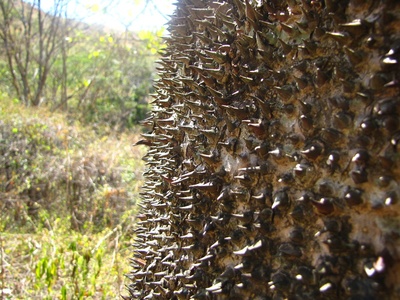
Sandbox tree
Striking and often solitary tall tree native to Amazon Basin, notable for explosive seed pods and toxic sap; occurs in riverine and disturbed areas, historically used as a marker species and handled with caution due to irritant properties.
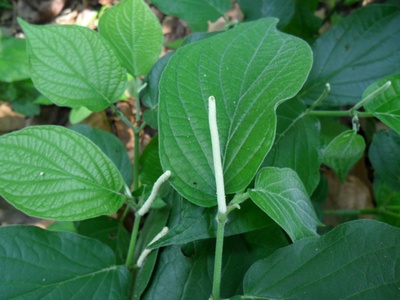
Matico pepper
Common undergrowth shrub across Amazonia and neighboring regions, aromatic leaves used traditionally for medicinal purposes and as insect repellent; thrives in disturbed sites and secondary forests, sometimes considered invasive where introduced.
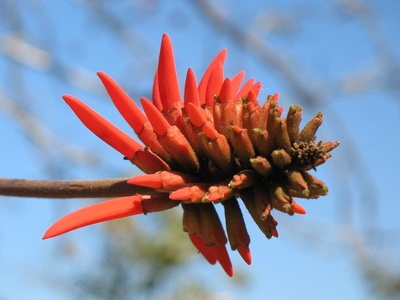
Coral tree
Fast-growing leguminous tree native to parts of Amazonia used as living fence and shade for crops; bright red flowers attract hummingbirds, fixes nitrogen improving soils, widely planted in agroforestry though native stands support local biodiversity.