The taiga stretches across the high latitudes of North America and Eurasia, a band of conifer forests, bogs and frozen ground where short summers drive intense bursts of ecological activity. Insects here have life cycles tuned to cold seasons, playing key roles in pollination, nutrient cycling and as food for birds and mammals.
There are 39 taiga insects, ranging from Arctic fritillary to Woolly bear moth (Lapland). For each species, you’ll find below entries organized as Scientific name,Size (mm),Range — you’ll find the full list and data below.
How can I tell similar taiga insects apart?
Focus on a few quick field cues: wing shape and pattern, body size and antennae, habitat (bog, conifer stand, meadow) and flight season. Photograph multiple angles, note behavior and host plants, and compare with regional field guides or online databases to narrow IDs.
When is the best time and place to observe taiga insects?
Late spring through midsummer is prime—warm spells trigger adult activity. Look on sunny afternoons at flower patches, forest edges, bog margins and low shrubs; check under bark or in leaf litter for larvae. Short surveys during peak warmth yield the most species.
Taiga Insects
| Name | Scientific name | Size (mm) | Range |
|---|---|---|---|
| Mosquito (boreal mosquito) | Aedes communis | 4–7 mm | Northern pools, bogs across boreal North America and Eurasia |
| Black fly | Simulium decorum | 3–6 mm | Fast streams and riparian zones in taiga |
| Biting midge | Culicoides impunctatus | 1–3 mm | Peatlands and boggy taiga in northern Europe |
| Non‑biting midge | Chironomus plumosus | 6–12 mm | Lakes, ponds and slow waters in boreal regions |
| Mayfly (common mayfly) | Baetis rhodani | 8–11 mm | Cold streams and rivers across boreal zones |
| Northern emerald dragonfly | Somatochlora sahlbergi | 40–55 mm | Bogs and small pools across circumpolar taiga |
| Common hawker dragonfly | Aeshna juncea | 70–80 mm | Boreal peatlands, ponds and lakes |
| Red wood ant | Formica rufa | 6–9 mm | Conifer clearings and drier taiga soils (Eurasia) |
| European pine weevil | Hylobius abietis | 8–12 mm | Stumps and seedlings in managed and natural taiga |
| Eurasian spruce bark beetle | Ips typographus | 3–6 mm | Standing and weakened spruce in boreal Europe |
| Spruce beetle (North America) | Dendroctonus rufipennis | 5–10 mm | Mature spruce forests across boreal North America |
| Striped ambrosia beetle | Trypodendron lineatum | 3–5 mm | Windthrown conifers and logging debris in taiga |
| Spruce budworm | Choristoneura fumiferana | 18–25 mm (adult moth) | Spruce and fir forests in boreal North America |
| Autumnal moth | Epirrita autumnata | 20–25 mm | Birch and mixed stands in Eurasian taiga |
| Green spruce aphid | Elatobium abietinum | 1.5–2.5 mm | Spruce needles in temperate–boreal Europe |
| Fire-loving jewel beetle | Melanophila acuminata | 8–12 mm | Recently burned pine stands in boreal forests |
| Garden tiger moth | Arctia caja | 30–45 mm | Open taiga edges, meadows and clearings |
| Forest tent caterpillar | Malacosoma disstria | 25–35 mm (adult moth) | Mixedwood and riparian belts in boreal North America |
| European pine sawfly | Neodiprion sertifer | 10–15 mm | Pine stands across Eurasian boreal forests |
| Deer ked (louse fly) | Lipoptena cervi | 4–6 mm | Moose and deer habitats in Eurasian taiga |
| Polar bumblebee | Bombus polaris | 12–18 mm | Boggy, flower-rich sites in northern taiga and tundra edge |
| White-tailed bumblebee | Bombus lucorum | 10–18 mm | Flowering shrubs and forest edges in Eurasian taiga |
| Lapland mining bee | Andrena lapponica | 8–12 mm | Sandy clearings and south-facing slopes in taiga |
| Common hoverfly | Syrphus ribesii | 8–12 mm | Woodland edges and flowering shrubs in taiga |
| Ground beetle (Eurasian) | Carabus granulatus | 15–25 mm | Leaf litter and mossy ground of boreal forests |
| Hummingbird hawk‑moth | Hemaris fuciformis | 35–45 mm | Flower-rich clearings and edges in Eurasian taiga |
| Arctic fritillary | Boloria chariclea | 25–35 mm | Bogs, damp meadows and clearings across circumpolar taiga |
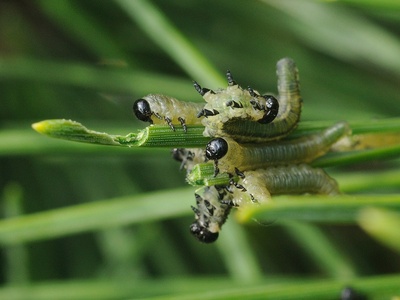
| Pine sawfly (European) | Diprion pini | 8–12 mm | Scots pine stands in Eurasian boreal forests |
| Large pine aphid | Cinara piceae | 2–4 mm | Twigs and shoots of spruce in boreal forests |
| Striped spruce bark beetle (Eurasian) | Hylurgops palliatus | 3–4 mm | Windthrown and dead spruce in boreal forests |
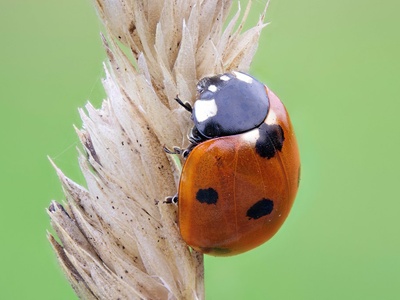
| Seven‑spot ladybird | Coccinella septempunctata | 5–8 mm | Shrubs and understory across boreal woodlands |
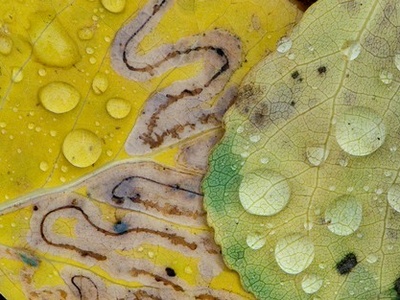
| Birch miner moth | Eriocrania semipurpurella | 6–8 mm | Birch stands and mixed taiga in Eurasia |
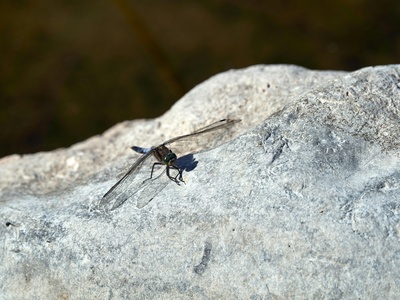
| Ground stonefly | Leuctra fusca | 8–12 mm | Cold headwater streams and seeps in taiga |
| Caddisfly (case‑builder) | Limnephilus lunatus | 10–15 mm | Ponds, lakes and slow streams in boreal forest |
| Eyed hawk‑moth | Smerinthus ocellata | 70–85 mm | Wooded edges and poplar stands in Eurasian taiga |
| Woodland mosquito (amphibian‑feeding) | Culex territans | 4–7 mm | Bogs, ephemeral pools and forest ponds in taiga |
| Crane fly | Tipula paludosa | 20–30 mm | Wet meadows, bog margins and forest edges in taiga |
| Woolly bear moth (Lapland) | Arctia lapponica | 20–30 mm | Boreal clearings and tundra-edge habitats |
| Tipulid crane fly (bog specialist) | Nephrotoma appendiculata? (representative) | 18–28 mm | Sedge bogs and moist hollows in boreal forests |
Images and Descriptions
Mosquito (boreal mosquito)
Small, dark mosquito with patterned legs; peaks late spring–early summer around standing water. Females bite mammals, are persistent blood-feeders and important food for swifts and dragonflies; common nuisance in wet taiga clearings.

Black fly
Tiny, hump-backed fly often in swarms over streams in late spring–summer. Bites humans and mammals to blood-feed; larvae anchor to stones in currents and filter-feed, important in stream food webs and indicators of flowing-water health.
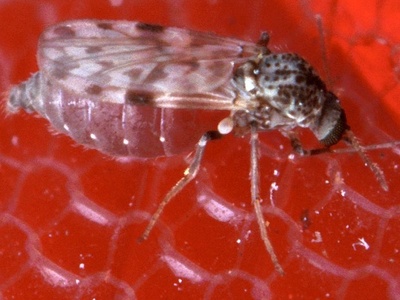
Biting midge
Very small, mottled fly active in dawn/dusk swarms. Females deliver itchy bites to people and animals; larvae develop in wet peat and decaying plant matter, serving as key prey for insectivores.
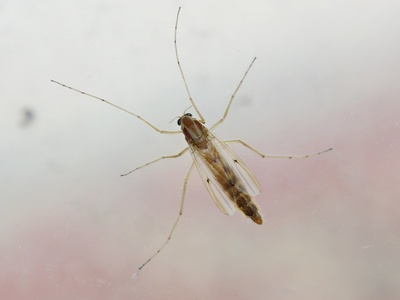
Non‑biting midge
Mosquito-like but harmless to humans; mass summer swarms over water. Larvae (“bloodworms”) live in sediment and provide crucial fish food; useful indicator of lake productivity.
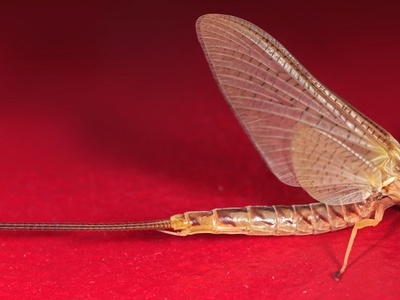
Mayfly (common mayfly)
Slender, gray mayfly seen in swarms in summer; short-lived adults, adults do not bite. Nymphs live in clean, oxygen-rich streams and are vital fish prey and water-quality indicators.
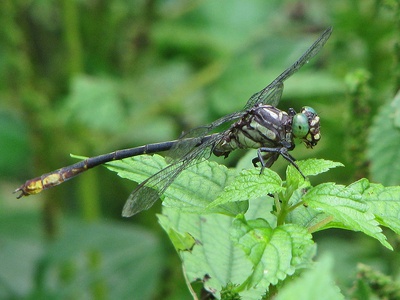
Northern emerald dragonfly
Slim, dark metallic dragonfly of northern peatlands. Flies in cool weather, perches on low vegetation; adults are efficient predators of midges and mosquitoes and do not bite people.
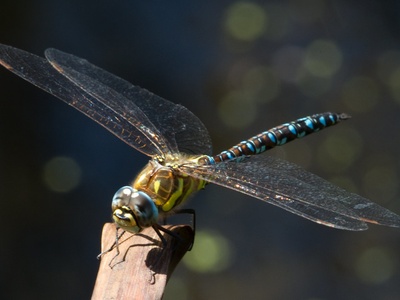
Common hawker dragonfly
Large blue-and-brown hawker active summer afternoons. Strong flyer and fish-food predator; adults hunt other insects, do not bite people but can nip if handled.
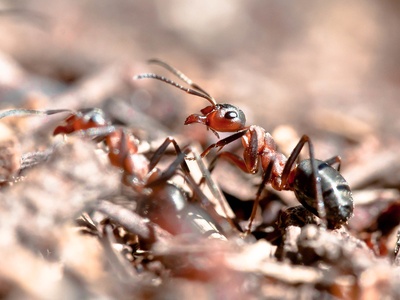
Red wood ant
Large mound-building ant with reddish-black body. Visible mid-summer, farms aphids and tends large colonies, crucial for nutrient cycling and predation in boreal understory; can bite and spray formic acid when threatened.
European pine weevil
Dark, long-snouted weevil found on freshly felled conifers. Adults chew bark on seedlings and roots, major pest in reforestation; does not bite humans but damages young trees.
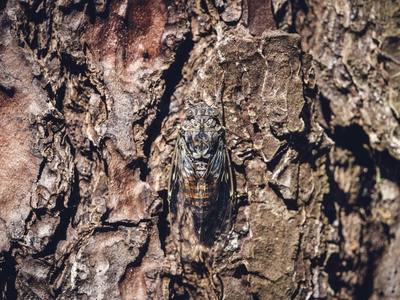
Eurasian spruce bark beetle
Small cylindrical beetle beneath spruce bark; galleries and pitch tubes indicate infestation. Mass outbreaks kill mature spruce stands, symbiotic with fungi, not harmful to people.
Spruce beetle (North America)
Bark beetle that attacks large spruce trunks; causes widespread mortality during warm-spell outbreaks. Larvae feed under bark, aiding forest turnover; does not bite people.
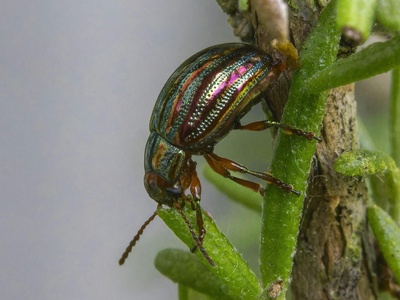
Striped ambrosia beetle
Small ambrosia beetle with striped elytra; bores into dead wood, farms symbiotic fungi to feed larvae. Common in recently fallen timber, contributes to decomposition, harmless to humans.
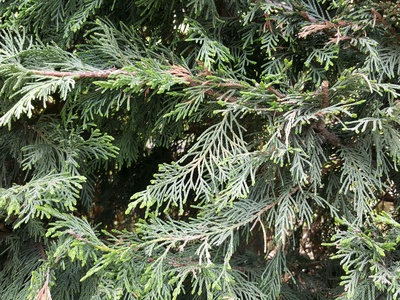
Spruce budworm
Moth whose caterpillars defoliate spruce and fir in cyclical outbreaks. Look for chewed buds and silk tents in spring; major forest pest impacting timber and wildlife habitat; does not bite people.
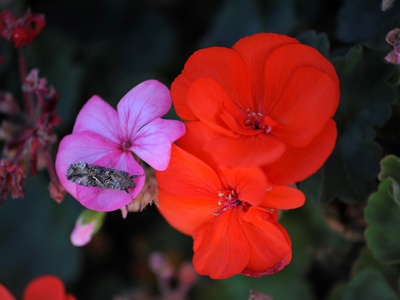
Autumnal moth
Brown geometrid moth; caterpillars feed on birch leaves in spring and can cause large-scale defoliation. Adults fly in late summer–autumn; harmless to humans but important herbivore in boreal food webs.
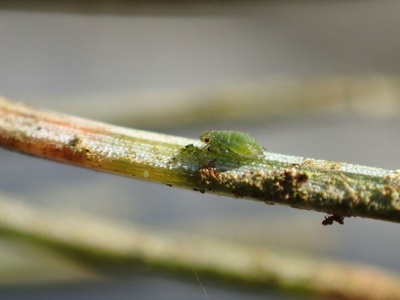
Green spruce aphid
Small, green sap‑sucking aphid on spruce shoots; often abundant in cool seasons. Causes needle yellowing and reduced growth, tends ants, and does not bite people.
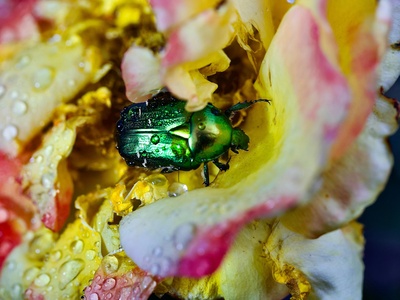
Fire-loving jewel beetle
Metallic black beetle attracted to smoky chemicals and burned wood. Adults quickly colonize charred trees to lay eggs; larvae develop in deadwood, accelerating nutrient cycling; harmless to people.
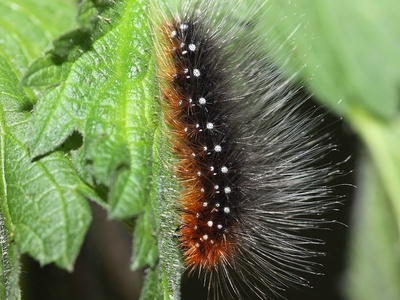
Garden tiger moth
Bold patterned moth with hairy caterpillars feeding on herbs. Adults fly nights in mid-summer; caterpillars common on low vegetation, chemically defended; do not bite people.
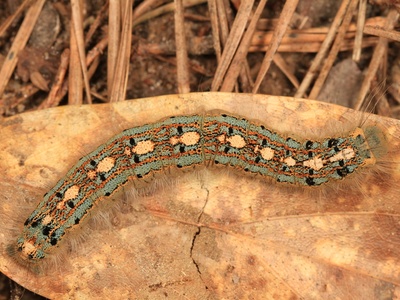
Forest tent caterpillar
Moth whose caterpillars form communal silk mats and defoliate birch, poplar, and aspen in outbreaks. Active late spring–summer; no bite to humans but major herbivore affecting forest dynamics.
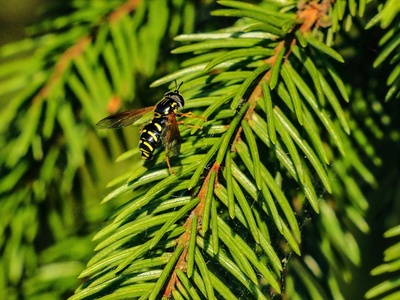
European pine sawfly
Sawfly with orange/black larvae resembling caterpillars; larvae feed in clusters on pine needles in spring, can defoliate young stands; adults do not sting or bite people.
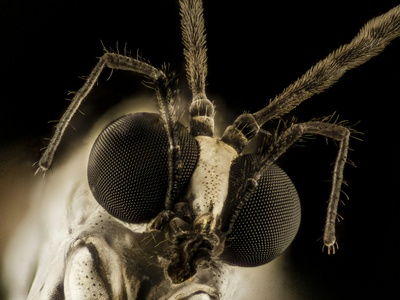
Deer ked (louse fly)
Flattened, brown fly that loses wings on hosts; parasitic on cervids and will bite humans occasionally. Adults cling to fur, larvae pupate in leaf litter; nuisance and potential vector for pathogens.
Polar bumblebee
Stout, pale bumblebee adapted to cold; active short summer season, important pollinator of bog and shrub flowers. Non-aggressive but can sting if handled.
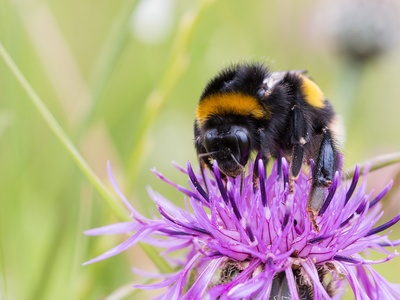
White-tailed bumblebee
Common medium-sized bumblebee seen mid-summer visiting blossoms. Efficient pollinator of understorey plants; solitary feeders do not bite people but can sting if provoked.
Lapland mining bee
Solitary ground‑nesting bee emerging early spring to pollinate willows and flowers. Stocky, hairy and non-aggressive; females provision brood cells with pollen and nectar.
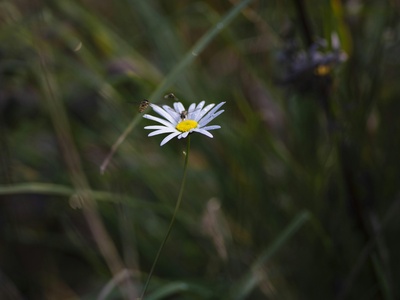
Common hoverfly
Yellow-and-black hoverfly that hovers over flowers; adults pollinate, larvae consume aphids on understory plants. Active mid‑summer; harmless to people and beneficial in aphid control.
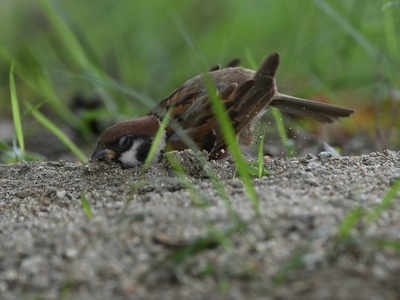
Ground beetle (Eurasian)
Large, shiny black ground beetle active at night hunting slugs and other invertebrates. Found under logs and stones; important predator in soil communities, non-biting to humans.
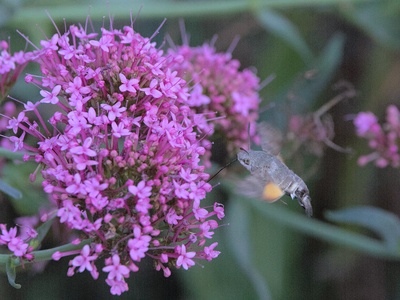
Hummingbird hawk‑moth
Day-flying sphinx moth that hovers like a bee at flowers. Fast wingbeat and clear wings make it distinctive; pollinator of honeysuckle and nectar-rich plants, harmless to people.
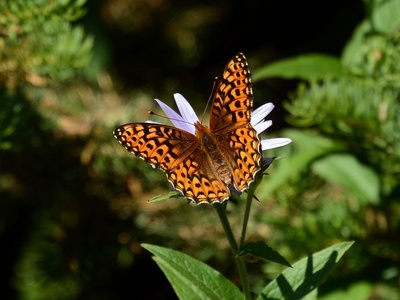
Arctic fritillary
Small orange-and-brown fritillary butterfly; larvae feed on low violets and plants. Flies during short summer, important pollinator and prey for birds; harmless to people.
Pine sawfly (European)
Sawfly whose caterpillars skeletonize pine needles in spring; congregate on branches and can defoliate young trees. Adults are non-stinging; larvae are significant forestry pests.
Large pine aphid
Relatively large, brown aphid on spruce twigs and shoots. Heavy infestations cause needle loss and reduced growth; tended by ants, not harmful to people.
Striped spruce bark beetle (Eurasian)
Small bark beetle colonizing weakened or fallen spruce. Contributes to wood decay and nutrient cycling; often part of diverse bark‑beetle community and not dangerous to humans.
Seven‑spot ladybird
Bright red ladybird with seven black spots; voracious aphid predator in summer. Common on willows and birch saplings, beneficial for controlling pests; harmless to people.
Birch miner moth
Small metallic moth whose larvae create blotch mines in young birch leaves in spring. Early‑flight species; harmless to humans and important leaf‑miner in boreal birch ecology.
Ground stonefly
Dark stonefly found near clean, oxygenated headwaters. Nymphs live under stones and indicate high water quality; adults short‑lived, do not bite, and are vital prey for trout.
Caddisfly (case‑builder)
Mottled caddisfly whose larvae build cases from plant debris; common in summer and important fish food. Adults fly at dusk; do not bite and aid nutrient cycling in aquatic habitats.
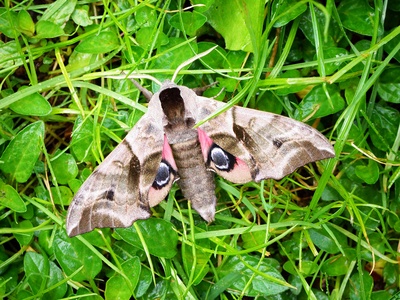
Eyed hawk‑moth
Large, cryptic sphinx moth with eye spots on hindwings. Adults are crepuscular; caterpillars feed on willow/poplar in summer. Harmless to humans and notable nocturnal pollinator.
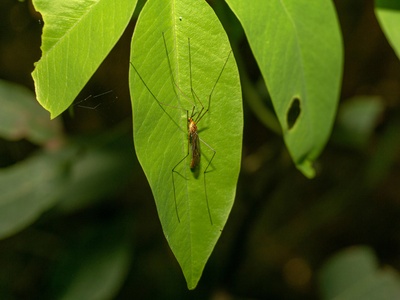
Woodland mosquito (amphibian‑feeding)
Mosquito species that preferentially feeds on amphibians; active at dusk around water. Females can bite frogs and occasionally humans; larvae develop in shallow water habitats.
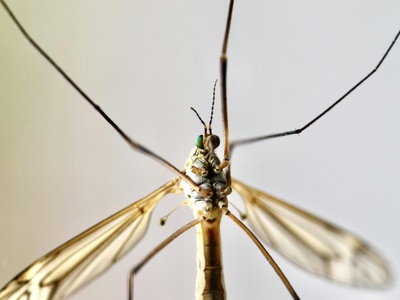
Crane fly
Stout, long-legged fly often mistaken for giant mosquito; adults do not bite. Larvae live in moist soil, feed on roots and decomposing matter, and are food for birds and amphibians.
Woolly bear moth (Lapland)
Fuzzy caterpillars and patterned adults; larvae feed on low shrubs and herbaceous plants in short northern summers. Adults fly mid-summer and are chemically defended; do not bite people.
Tipulid crane fly (bog specialist)
Large crane-fly‑type species common in soggy taiga habitats; adults harmless, larvae decompose organic matter and feed on roots, supporting soil food webs.