The blue whale can exceed 80–100 feet (24–30 meters) in length and weigh as much as 150 metric tons—larger than any animal that has ever lived on Earth. That single fact matters because size shapes how these animals move nutrients, influence food webs, and interact with people through tourism, fisheries, and shipping. This article lists 12 of the ocean’s largest animals grouped into three categories—giant whales; large fish, sharks, and rays; and invertebrates & reptiles—and for each entry I give size stats, ecological roles, and a concrete conservation or research note about the species, including where relevant sources like NOAA and the IUCN report on status.
Giant Whales: The Ocean’s Largest Mammals
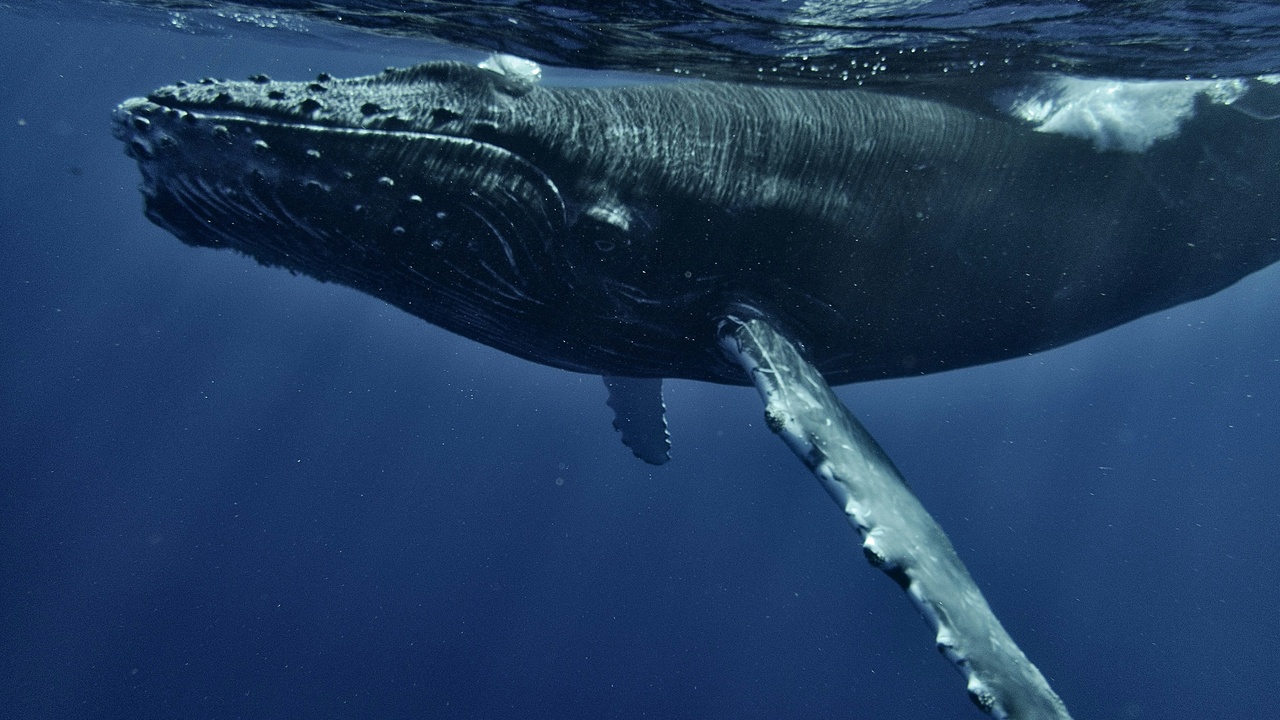
Whales include two broad feeding strategies: baleen whales that filter tiny prey through keratin plates, and toothed whales that hunt individual prey with echolocation and teeth. Both groups play outsized roles in nutrient cycling—baleen whales in particular move nitrogen and iron from deep feeding zones to the surface in a process often called the “whale pump,” which enhances plankton productivity. Commercial whaling in the 20th century drove many populations to historic lows, prompting international action such as the 1986 IWC moratorium; since then some populations have shown measurable recoveries in the 1980s and 1990s thanks to protection and coordinated surveys (see NOAA and IUCN assessments for regional trends).
1. Blue whale (Balaenoptera musculus)
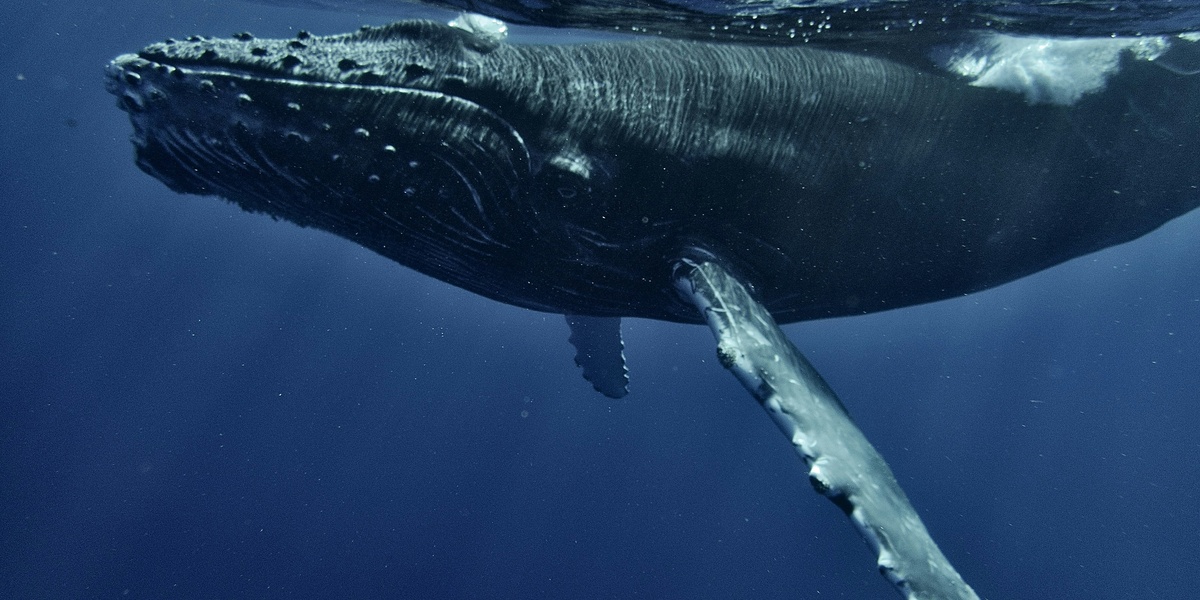
The blue whale is the largest animal known to have existed, typically reaching 24–30 m (80–100 ft) and weighing up to about 150 metric tons, with the largest well-documented individuals near the upper end of that range. As a filter feeder that eats krill, a single blue whale can consume several tonnes of food per day during feeding season, concentrating energy into massive bodies and then returning nutrients to surface waters via fecal plumes—an important contribution to carbon sequestration and plankton productivity. The species is listed as Endangered by the IUCN; current threats include ship strikes, fishing-gear entanglement, chronic noise, and climate-driven shifts in krill abundance. Ongoing NOAA population surveys (for example, North Pacific abundance estimates) and whale-watching economies in Iceland and California provide both data and local incentives for protection, and some Southern Hemisphere populations show signs of gradual recovery after commercial whaling subsided.
2. Fin whale (Balaenoptera physalus)
The fin whale is the second-largest baleen whale and one of the ocean’s fastest, reaching roughly 24–27 m (79–88 ft) and weighing up to about 80 metric tons. Fin whales undertake long migrations between high-latitude feeding grounds and lower-latitude breeding areas, and their streamlined bodies allow surprising burst speeds for a whale. Commercial whaling cut many populations dramatically in the 20th century, and the species remains listed as Vulnerable by the IUCN; researchers now use acoustic monitoring to track presence and to inform seasonal rerouting of shipping lanes in some regions to reduce collisions.
3. Sperm whale (Physeter macrocephalus)
The sperm whale is the largest toothed predator, with mature males up to about 20.5 m (67 ft) and weights approaching ~57 metric tons, and individuals routinely dive well beyond 1,000 m to hunt large squid. Sperm whales have complex social structures, a massive spermaceti organ used in sound production and buoyancy control, and highly developed echolocation for deep hunting. They have been central to studies of deep-sea ecology using multi-year tagging programs that recorded repeated 1,000+ meter dives, and their interactions with giant and colossal squid have long tied them to both scientific inquiry and cultural lore (Moby‑Dick is a notable nineteenth-century cultural reference to sperm whale hunting).
4. Bowhead whale (Balaena mysticetus)
The bowhead is an Arctic specialist, reaching about 18 m (59 ft) and weighing many tons, and is remarkable for its thick blubber and exceptional longevity—some individuals are estimated to exceed 200 years of age. Historical commercial whaling devastated bowhead numbers, but protection and close monitoring have enabled recovery in some populations; age estimates have even been corroborated by old harpoon points recovered from carcasses. Bowheads are culturally and nutritionally important to Indigenous Arctic communities, and modern research often partners with those communities on telemetry and aerial surveys to track shifts in range as sea ice patterns change.
Giant Fish, Sharks, and Rays
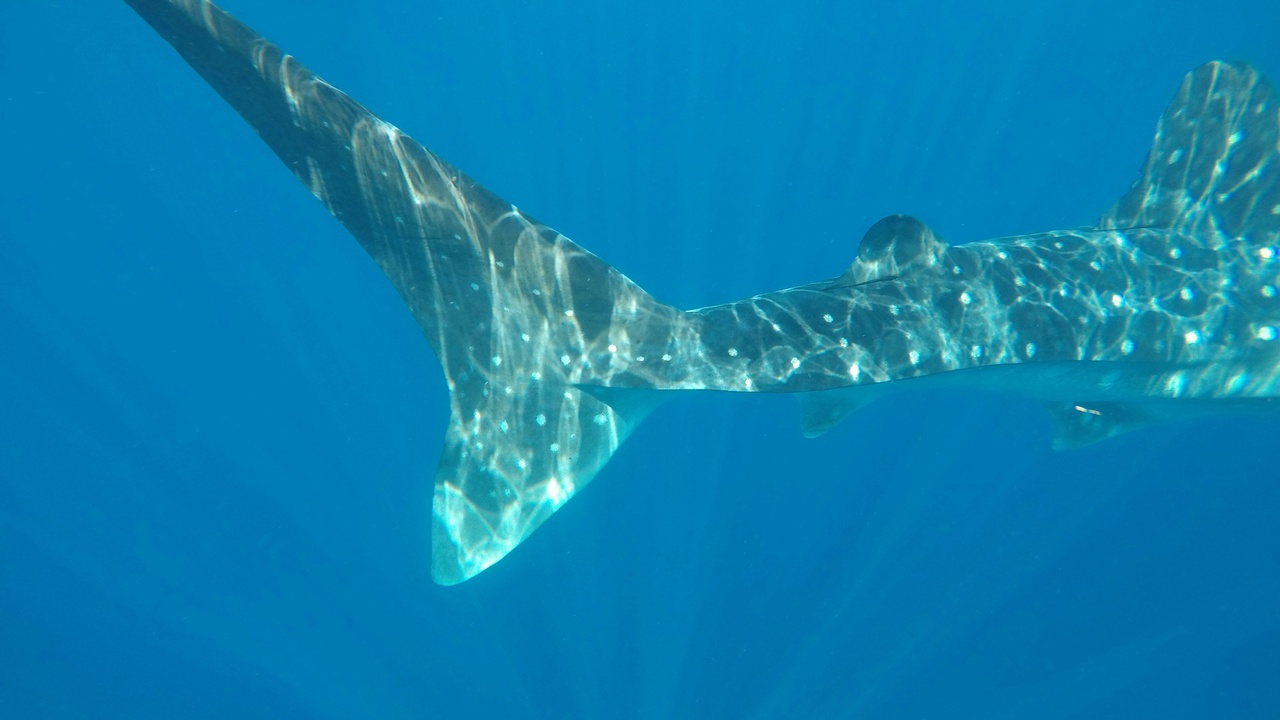
Unlike mammals, large fish such as whale sharks and basking sharks remain buoyant through body design and oil-filled tissues, and their enormous sizes often reflect plankton-feeding strategies or niche roles as mobile grazers. Some large sharks and rays are filter feeders that shape plankton communities, while others function as apex predators that regulate fish and invertebrate populations. Among the biggest animals in the ocean are species that attract tourists and scientists alike, and many conservation measures—marine protected areas, seasonal vessel speed rules, and citizen-science sighting programs—target these visible giants.
5. Whale shark (Rhincodon typus)
The whale shark is the largest living fish, typically 8–12 m in length with reliable records up to around 18 m, and a filter feeder that consumes plankton, small fish, and fish spawn. Known aggregation sites include Ningaloo Reef (Western Australia) and the Yucatán coast of Mexico, where seasonal gatherings support photo‑ID research programs and regulated ecotourism. The species is listed as Endangered by the IUCN; threats include vessel strikes, targeted and bycatch fisheries, and interactions with tourism if poorly managed. Successful local programs—permit systems, compulsory briefing for swimmers, and strict approach distances—have demonstrably reduced stress and injury at several aggregation sites.
6. Basking shark (Cetorhinus maximus)
The basking shark is the second‑largest shark and a slow-moving surface filter feeder that can reach roughly 12 m in length and a heavy, barrel-shaped body. It feeds seasonally in temperate waters where plankton blooms occur and is frequently seen at the surface during summer months. Threats include bycatch and vessel collisions, and several European nations have introduced protections and recommended seasonal speed reductions in known feeding areas; citizen‑science sighting networks also contribute to spatial planning for protections.
7. Giant oceanic manta ray (Mobula birostris)
The giant oceanic manta ray has a wingspan up to about 7 m and can weigh several hundred kilograms, making it the largest ray by surface area. Mantas visit cleaning stations, form seasonal feeding aggregations on plankton, and exhibit strong site fidelity at hotspots such as Yap and the Maldives—places where manta tourism supports local livelihoods. The species is listed as Vulnerable, threatened by targeted fishing in some regions and bycatch in others; photo‑ID programs and marine protected areas have been central to conservation success in multiple island nations.
8. Ocean sunfish (Mola mola)
The ocean sunfish is an oddly shaped bony fish that can reach about 3.3 m in length and commonly weigh between one and two tonnes, with some reports up to roughly 2,300 kg. Sunfish feed on jellyfish, small fish, and other gelatinous prey, and are often seen basking at the surface between deep foraging dives. Bycatch in gillnets and longlines, as well as coastal hazards and occasional stranding events, pose conservation concerns; tagging studies have revealed complex vertical movement patterns and long-range movements that inform bycatch mitigation planning.
Largest Invertebrates and Reptiles
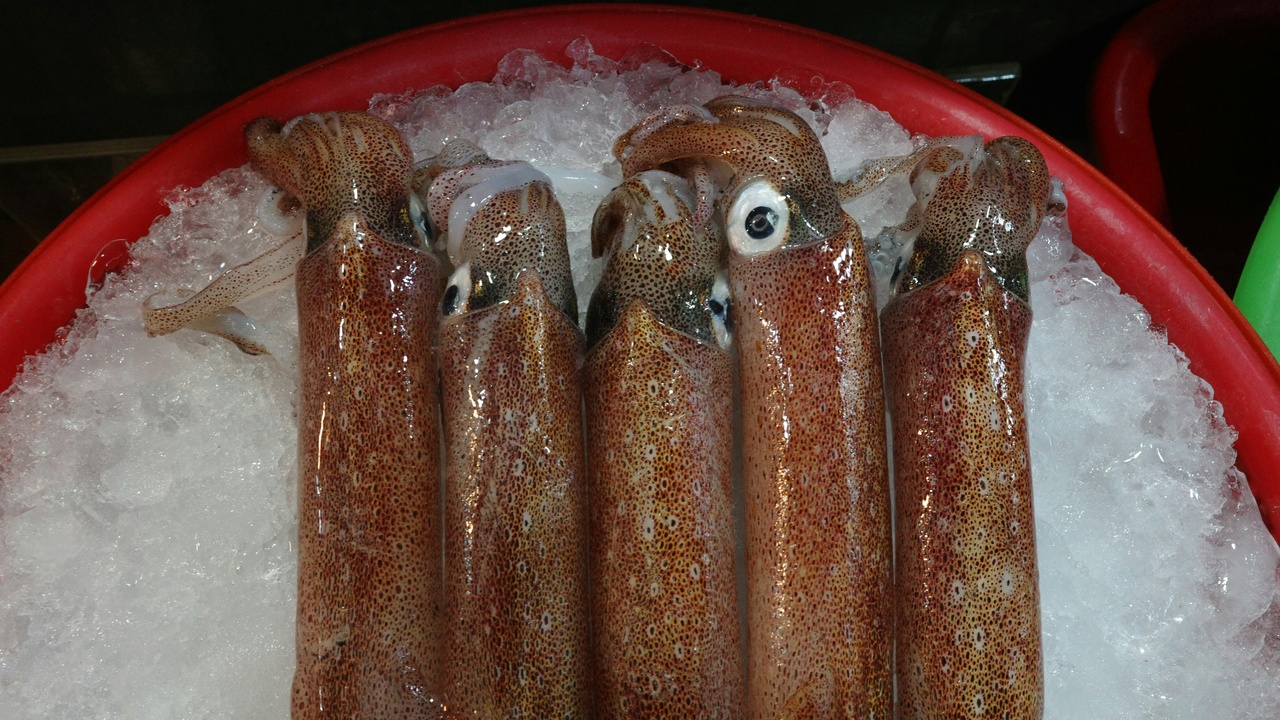
Some of the ocean’s most surprising record-holders are invertebrates and reptiles, where “largest” can mean longest tentacles, heaviest mass, or biggest shell. Soft-bodied invertebrates can attain great mass without the constraints of an internal skeleton, while the leatherback turtle combines a large body with long-distance migrations and deep-diving ability. These animals are often poorly known—museum specimens like a 495 kg colossal squid help anchor what we know—so targeted research, tagging, and beach‑protection programs have been essential to improving conservation and resolving longstanding mysteries.
9. Colossal squid (Mesonychoteuthis hamiltoni)
The colossal squid is a contender for the heaviest invertebrate, with museum specimens showing mantle lengths near 2.5 m and the largest preserved individual estimated at about 495 kg, though live‑size estimates remain uncertain. It inhabits the deep Southern Ocean and is equipped with swiveling hooks on its tentacles to secure large prey, including large fish and other squid. Colossal squid are prey for sperm whales—evidence of this comes from stomach-content studies—and large specimens recovered and studied by New Zealand researchers and museums remain primary sources of scientific data.
10. Giant squid (Architeuthis dux)
The giant squid is famous for extreme tentacle length and deep-sea mystery, with total-length estimates historically up to about 13 m though reliable records emphasize shorter mantle lengths and caution around inflated totals. For decades specimens were known mostly from carcasses until the early 21st century, when Japanese researchers led by Tsunemi Kubodera captured the first widely accepted in‑situ footage in 2004, confirming aspects of hunting behavior and morphology. Museums now hold the principal physical records, and occasional filmed encounters and specimen recoveries continue to expand our understanding of this elusive deep‑sea predator.
11. Lion’s mane jellyfish (Cyanea capillata)
The lion’s mane jellyfish holds records for some of the longest known animal tentacles—extreme reports list tentacles to about 36.6 m (120 ft)—while large bell diameters can exceed 2 m. These drifting jellyfish can form large seasonal blooms that locally suppress plankton and small fish populations and occasionally cause mass strandings on beaches. Documented strandings with measured tentacle lengths and regional bloom reports (often tied to warm-water pulses) are regular features of marine monitoring programs in the North Atlantic and Arctic seas.
12. Leatherback sea turtle (Dermochelys coriacea)
The leatherback is the largest sea turtle, with carapace lengths up to about 2 m and typical masses between 300 and 900 kg, and it undertakes transoceanic migrations that can cross entire ocean basins. Leatherbacks dive deeply to feed on jellyfish and other gelatinous prey, and satellite tracking studies over the past two decades have mapped migration routes that inform the placement of marine protected areas. The species faces threats from fisheries bycatch, plastic ingestion, and coastal development that destroys nesting beaches; community nesting‑beach protection programs in places like Costa Rica and active satellite telemetry work are concrete conservation responses that have improved nesting success in several regions.
Summary
- Ocean giants—from the blue whale’s 150‑ton mass to the lion’s mane jellyfish’s 36.6 m tentacles—play outsized roles in nutrient cycling, food‑web dynamics, and coastal economies (whale‑watching, manta tourism).
- “Largest” can mean different things: mass, length, wingspan, or tentacle reach all matter when comparing the biggest marine animals.
- Many of the largest animals in the ocean remain vulnerable from ship strikes, bycatch, habitat loss, and climate-driven prey shifts, yet targeted actions—speed restrictions, MPAs, tagging studies, community beach protection, and regulated ecotourism—have produced measurable benefits.
- Supporting marine research and citizen science (photo‑ID programs, stranding networks, satellite‑tagging projects) and choosing responsible wildlife experiences directly helps conserve these species and the ecosystems they sustain.