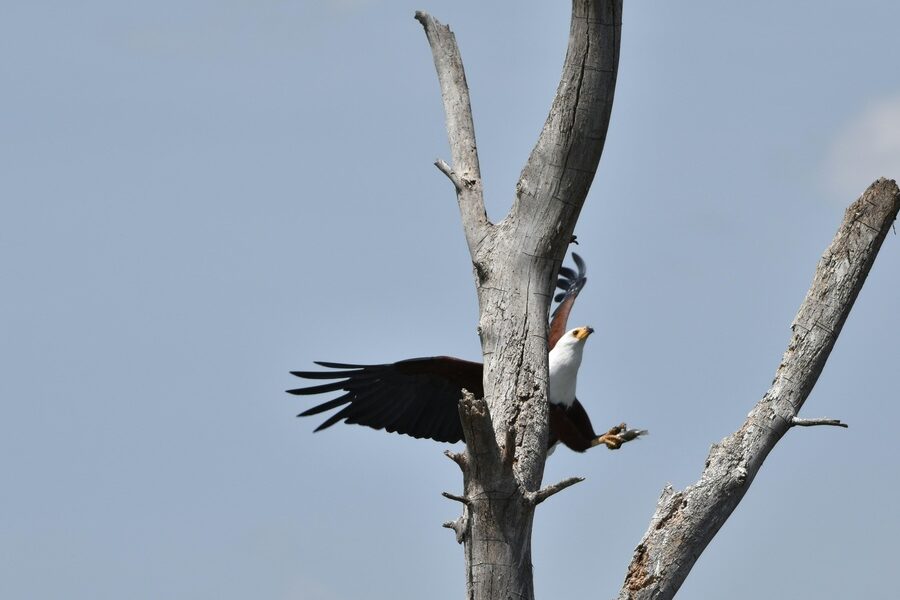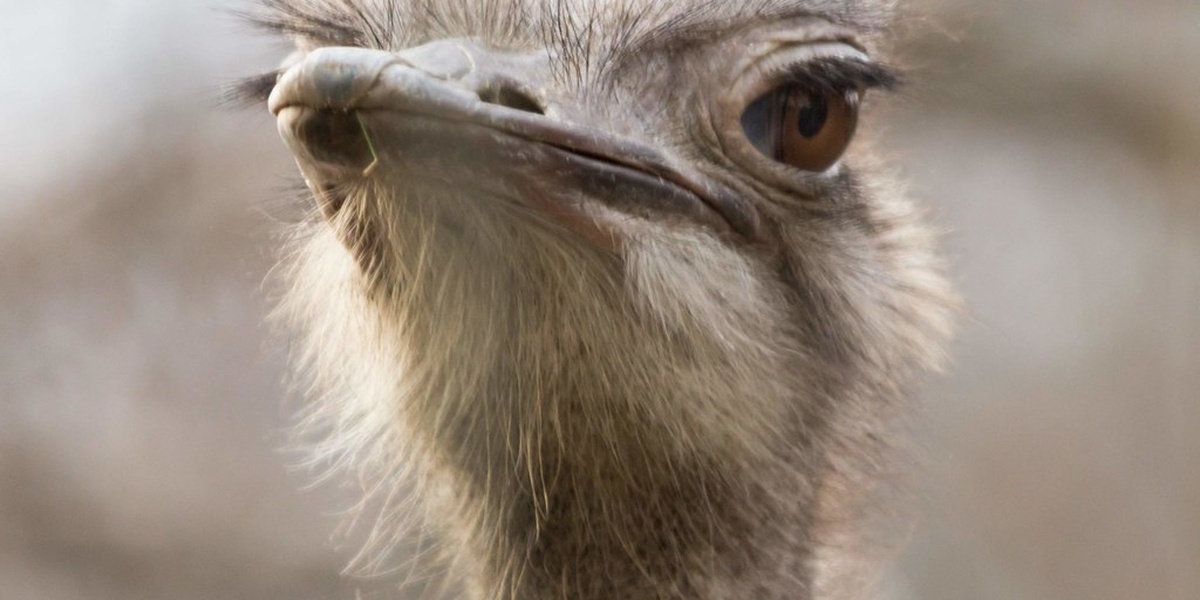
From Andean summits to storm-battered Southern Ocean islands, the largest birds shape the places they live and the skies above them. Spotting one can tell you about local winds, food sources and the kind of habitat that supports such specialists.
There are 26 biggest birds, ranging from the Andean condor to the Wandering albatross. For each species I list Scientific name,Size (mass kg; wingspan cm),Range so you can compare weight and wingspan at a glance — you’ll find below.
How do wingspan and body mass affect how these large birds fly?
Wingspan and mass together determine flight style rather than one alone: species with very long wingspans, like albatrosses, excel at dynamic and thermal soaring over open water, while heavier birds such as condors rely on strong thermals and ridge lift to stay aloft. That means you’ll see different behavior in coastal, island and mountain habitats.
Where are the best places to observe multiple large bird species in the wild?
Look to regional hotspots: high Andean ridgelines and nearby cliffs for condors and vultures, subantarctic islands and the Southern Ocean for albatrosses and giant petrels, and coastal upwellings for large seabirds—visit protected reserves and guided boat trips for the highest chance of sightings.
Biggest Birds
| Common name | Scientific name | Size (mass kg; wingspan cm) | Range |
|---|---|---|---|
| Ostrich | Struthio camelus | 90–130 kg; 200–230 cm | Sub-Saharan Africa |
| Emu | Dromaius novaehollandiae | 30–45 kg; 150–180 cm | Australia |
| Southern cassowary | Casuarius casuarius | 50–70 kg; 60–80 cm | New Guinea; northeast Australia |
| Greater rhea | Rhea americana | 20–40 kg; 150–180 cm | South America (Argentina, Brazil, Paraguay) |
| Kori bustard | Ardeotis kori | 10–20 kg; 250–300 cm | Southern Africa |
| Great bustard | Otis tarda | 10–20 kg; 230–270 cm | Europe, Central Asia |
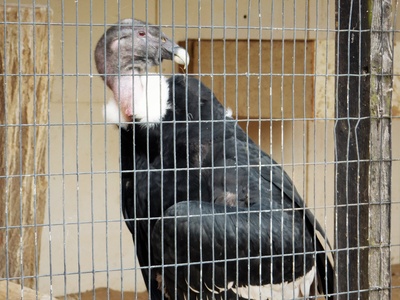
| Andean condor | Vultur gryphus | 11–15 kg; 300–320 cm | Andes mountains, South America |
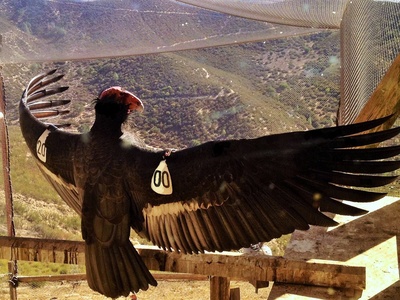
| California condor | Gymnogyps californianus | 8–11 kg; 270–310 cm | Western North America (California, Arizona) |
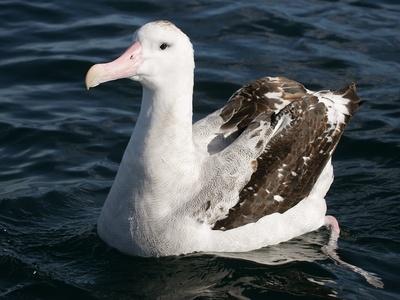
| Wandering albatross | Diomedea exulans | 8–12 kg; 300–350 cm | Southern Ocean, circumpolar |
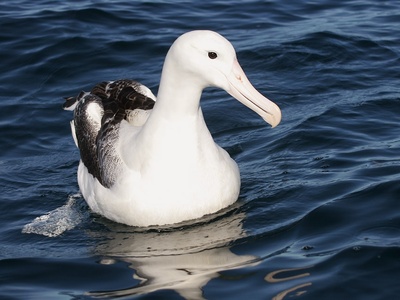
| Southern royal albatross | Diomedea epomophora | 7–11 kg; 300–340 cm | Southern Ocean, New Zealand region |
| Dalmatian pelican | Pelecanus crispus | 10–15 kg; 320–350 cm | Southeastern Europe to Central Asia |
| Great white pelican | Pelecanus onocrotalus | 8–13 kg; 300–350 cm | Africa, Southeast Europe, South Asia |
| Marabou stork | Leptoptilos crumenifer | 4–8 kg; 250–300 cm | Sub-Saharan Africa |
| Jabiru | Jabiru mycteria | 6–9 kg; 240–260 cm | Central and South America |
| Saddle-billed stork | Ephippiorhynchus senegalensis | 5–7 kg; 230–260 cm | Sub-Saharan Africa |
| Shoebill | Balaeniceps rex | 4–7 kg; 230–260 cm | Central tropical Africa (Congo Basin) |
| Goliath heron | Ardea goliath | 4–5.5 kg; 200–230 cm | Sub-Saharan Africa, South Asia |
| Trumpeter swan | Cygnus buccinator | 9–13 kg; 200–240 cm | North America (Alaska, Canada, northern US) |
| Mute swan | Cygnus olor | 7–12 kg; 200–240 cm | Europe and Asia; introduced worldwide |
| Emperor penguin | Aptenodytes forsteri | 22–45 kg; 60–80 cm | Antarctica |
| King penguin | Aptenodytes patagonicus | 11–16 kg; 50–65 cm | Subantarctic islands (South Atlantic, Indian Ocean) |
| Australian bustard | Ardeotis australis | 5–12 kg; 200–240 cm | Australia |
| Sarus crane | Antigone antigone | 6–8 kg; 220–240 cm | South Asia, Southeast Asia, Australia |
| Cinereous vulture | Aegypius monachus | 6–12 kg; 250–295 cm | Europe, Middle East, Central and East Asia |
| Australian pelican | Pelecanus conspicillatus | 4–9 kg; 250–340 cm | Australia, New Guinea, Indonesia |
| Himalayan vulture | Gyps himalayensis | 8–12 kg; 250–320 cm | Himalayas, Central Asia |
Images and Descriptions
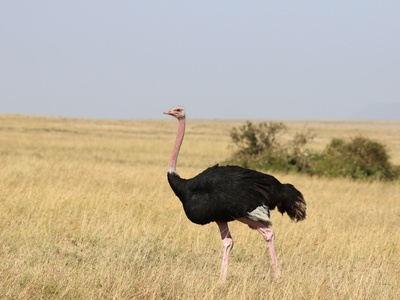
Ostrich
The world’s largest living bird by mass and height, reaching over 2.5 m tall. Flightless, fast-running omnivore often kept in open savannas; notable for powerful legs, large eyes, and strong sexual dimorphism between males and females.
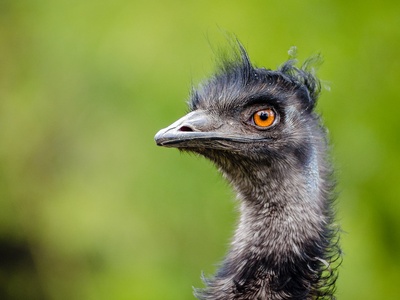
Emu
Tall, flightless bird native to Australia, reaching nearly 2 m in height. Emus are nomadic omnivores that can run long distances, breed in arid zones, and are known for curious behavior, loud booming calls, and communal care by males.
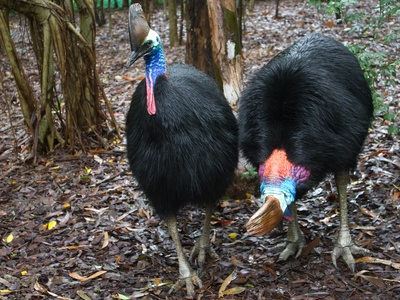
Southern cassowary
Large, helmet-headed flightless bird inhabiting rainforests. Cassowaries are heavy, solitary frugivores with powerful legs and dagger-like claws; considered dangerous to people when cornered and important seed dispersers in their ecosystems.
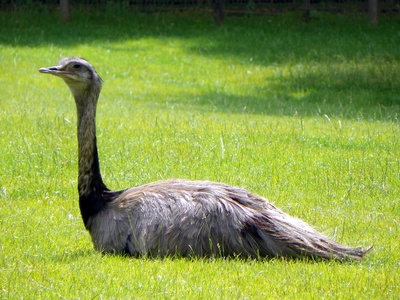
Greater rhea
Large, flightless South American bird resembling an ostrich. Rheas are tall, two-toed runners living in grasslands and wetlands, feeding on plants and small animals; they form loose breeding groups and display communal nesting.
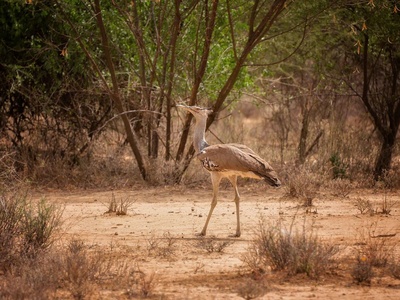
Kori bustard
One of the heaviest flying birds, often cited for large male weights. Ground-dwelling omnivore of open plains, the kori bustard is bulky with cryptic plumage, impressive display flights, and a habit of walking slowly while scanning for food.
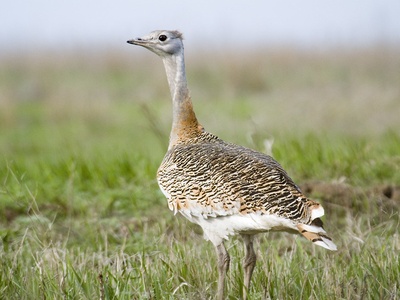
Great bustard
Massive terrestrial bird of open grasslands and steppes, males reach the upper weight range of flying birds. Males perform ornate displays with inflated necks; populations declined but some strongholds remain in Spain and Central Asia.
Andean condor
Among the world’s largest flying birds by wingspan, soaring high over Andean ranges. Scavenging vulture with striking white collar and bare head, culturally significant in Andean societies and vulnerable due to poisoning and habitat loss.
California condor
North America’s largest land bird in wingspan, once nearly extinct. California condors are scavengers reintroduced from captive breeding; they have long lifespans, slow reproduction, and remain critically endangered from lead poisoning and habitat threats.
Wandering albatross
Famed for the largest wingspan of any living bird, enabling effortless long-distance gliding across the Southern Ocean. Wandering albatrosses feed on squid and fish, breed on subantarctic islands, and may circumnavigate oceans during their lifespan.
Southern royal albatross
Large albatross species with vast wings suited to dynamic soaring. Breeding on subantarctic islands, they travel widely for food and are vulnerable to longline fishing and habitat impacts on limited breeding sites.
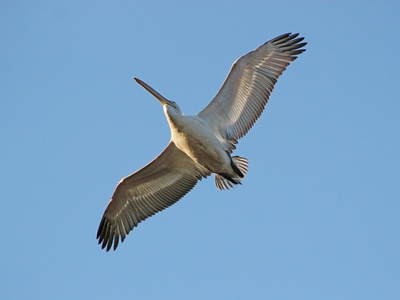
Dalmatian pelican
One of the heaviest pelicans, with huge pouch and very broad wings. Dalmatian pelicans inhabit lakes and wetlands, feed mainly on fish, and have suffered from habitat loss but show local recoveries with conservation measures.
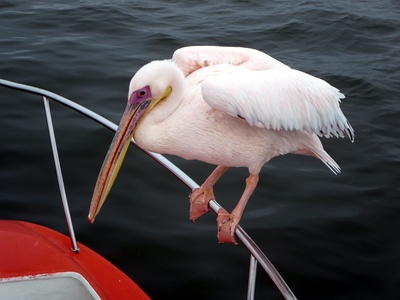
Great white pelican
Big, social fish-eating pelican found on large lakes and coasts. Great white pelicans fish cooperatively, nesting in colonies; they are striking in flight with long bills and broad, rounded wings.
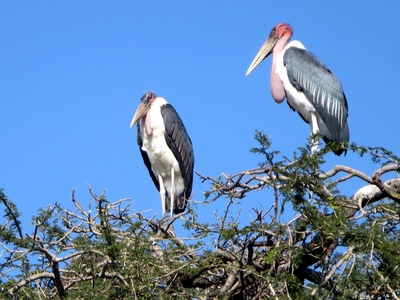
Marabou stork
Tall, conspicuous scavenging stork with a large bill and bare head. Marabou storks frequent garbage dumps, wetlands, and savannas, feeding on carrion, fish, and refuse; their huge wings enable efficient soaring.
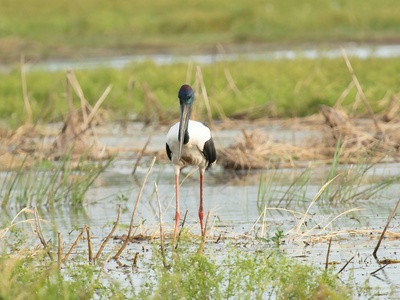
Jabiru
Impressive tall stork of wetlands and riverbanks, with a massive bill and long legs. The jabiru feeds on fish, amphibians, and small mammals and is a striking, solitary silhouette in tropical wetlands.
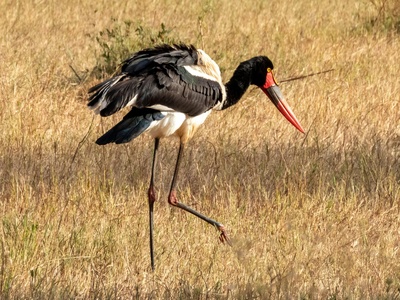
Saddle-billed stork
A large, colorful stork recognized by its tall stature and distinctive saddle-like bill pattern. It hunts in shallow waters for fish and frogs and breeds in tall trees, often seen alone or in pairs.
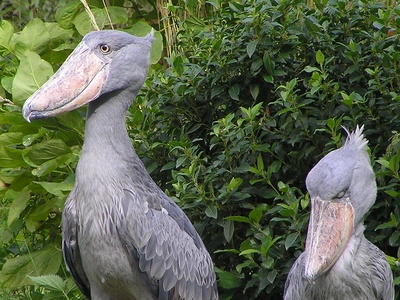
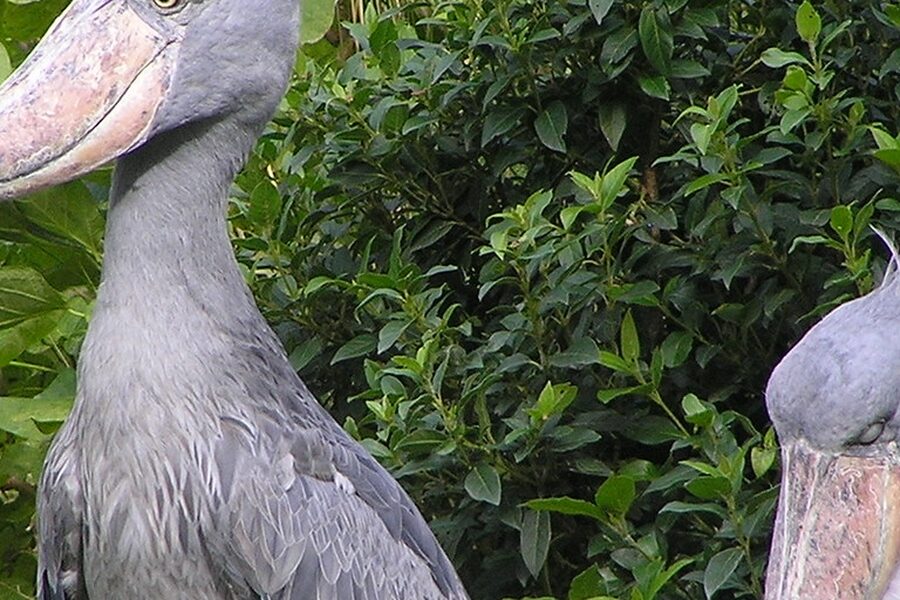
Shoebill
Striking, prehistoric-looking bird with a heavy, shoe-shaped bill used to catch large fish and water animals. Shoebills prefer dense swamps and are solitary, slow-moving ambush predators with a distinctive bill-clattering display.
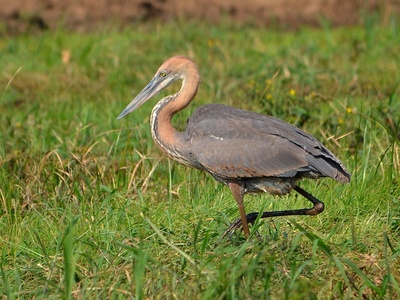
Goliath heron
The world’s largest heron, standing over a meter tall. Goliath herons hunt alone for big fish in shallow water, using slow stalking and powerful strikes; their rusty plumage and size are unmistakable.
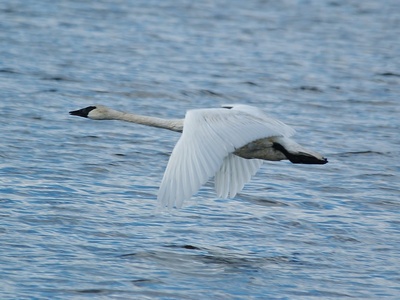
Trumpeter swan
North America’s largest waterfowl by mass and a powerful flier with an impressive wingspan. Trumpeter swans nest in wetlands, mate for life, and are notable for their loud, trumpet-like calls.
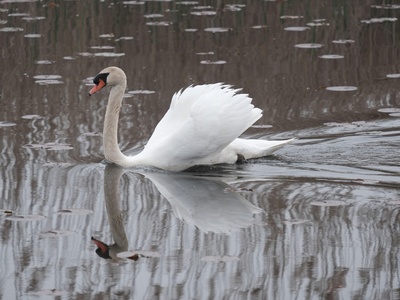
Mute swan
Elegant, heavy swan often seen on lakes and rivers. Mute swans are territorial, build large nests, and display dramatic wing arched postures; males can be aggressive protecting nests and cygnets.
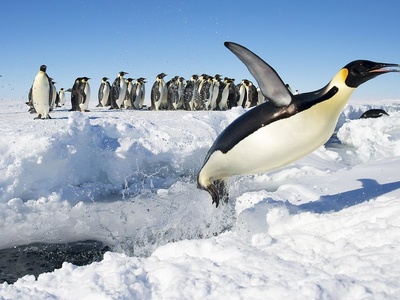
Emperor penguin
The tallest and heaviest living penguin, adapted to Antarctic winters. Emperor penguins breed on sea ice, endure long fasts during incubation, dive deeply for fish and squid, and are iconic symbols of polar survival.
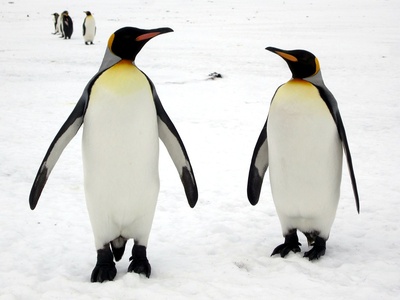
King penguin
Second-largest penguin, with a tall, colorful profile on subantarctic beaches. King penguins form large colonies, feed on fish and squid, and have long, multi-year breeding cycles with a strong chick-rearing partnership.
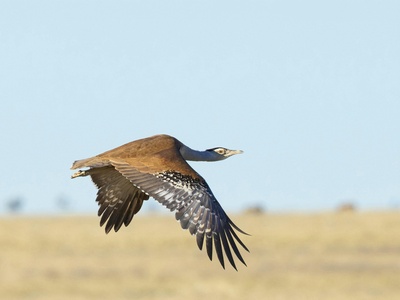
Australian bustard
Large ground bird of open plains and grasslands, sometimes called the bush turkey. Australian bustards are opportunistic feeders, strong fliers for their size, and perform elaborate aerial and ground displays during breeding season.
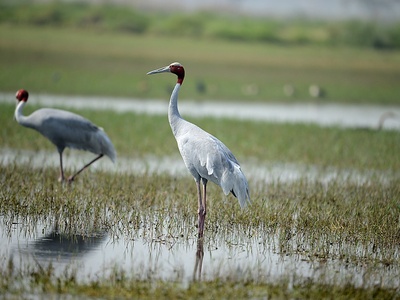
Sarus crane
The tallest flying bird, often standing nearly 1.8 m. Sarus cranes are long-legged, loud, and form strong pair bonds; they breed in wetlands and are culturally important in parts of their range.
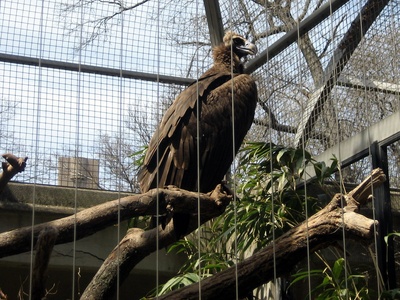
Cinereous vulture
One of the largest Old World vultures by mass and wingspan. Cinereous vultures soar over mountains and forests, feeding on large carcasses; they are conservation priorities in many regions and important scavengers helping nutrient recycling.
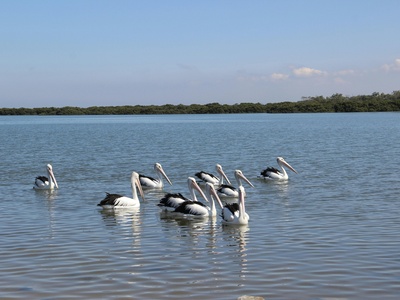
Australian pelican
Huge-billed pelican of Australasia with one of the largest wingspans; feeds on fish and sometimes cooperates to herd prey. Bold and adaptable, often seen on inland lakes and coastal waters.
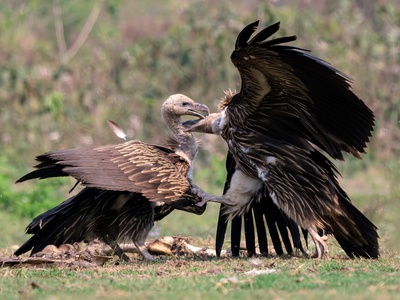
Himalayan vulture
Large Old World vulture soaring at high altitudes, feeding mainly on carcasses. Himalayan griffons nest on cliffs and are adapted to thin air, playing critical ecological roles in mountain ecosystems.