Oceania’s environments—from tropical reefs and coastal mangroves to rugged islands and the interior outback—host a wide range of wildlife, some of which can pose real risks to people. Knowing where and how these animals live helps you stay safe whether you’re snorkeling, hiking, or travelling between towns.
There are 30 Dangerous Animals in Oceania, ranging from Australian desert scorpion to Tiger snake. For each entry the columns are Scientific name, Range, Danger — you’ll find those details below.
Which animals in Oceania cause the most human fatalities?
Fatalities are most often linked to large predators and venomous marine or terrestrial species: saltwater crocodiles, venomous snakes (like brown and tiger snakes), and box jellyfish/top-tier stinging jellyfish account for many deaths, while blue-ringed octopus and cone snails cause fewer but severe envenomations; regional statistics vary, so local warnings matter.
How can I reduce my risk when visiting areas where these animals live?
Follow local advisories, stay on marked paths and swim only at lifeguarded beaches, avoid handling wildlife, wear sensible footwear and protective clothing, learn basic first‑aid steps for bites and stings, and seek immediate medical help if exposed—prevention and prompt treatment are the best safeguards.
Dangerous Animals in Oceania
| Name | Scientific name | Range | Danger |
|---|---|---|---|
| Box jellyfish | Chironex fleckeri | Northern Australia, Papua New Guinea | Extremely venomous sting; cardiac arrest, severe pain |
| Irukandji jellyfish | Carukia barnesi | Northern Australia, Indo‑Pacific coasts | Tiny sting causes Irukandji syndrome: severe pain, hypertension |
| Portuguese man o’ war | Physalia physalis | Coastal Australia, Pacific islands | Painful surface sting; intense pain, welts, systemic effects possible |
| Stonefish | Synanceia verrucosa | Indo‑Pacific reefs, northern Australia | Venomous dorsal spines cause extreme pain, swelling, possible systemic toxicity |
| Lionfish | Pterois volitans | Tropical Indo‑Pacific reefs (including parts of Oceania) | Venomous fin spines cause severe pain, swelling |
| Blue‑ringed octopus | Hapalochlaena maculosa | Southern and eastern Australia, Tasmania | Potent neurotoxic bite causing paralysis and respiratory failure |
| Geography cone snail | Conus geographus | Indo‑Pacific reefs, northern Australia | Conotoxin injection causing paralysis and respiratory failure |
| Great white shark | Carcharodon carcharias | Southern Australia, Tasmania, New Zealand coasts | Large predatory bite causing severe trauma, possible death |
| Tiger shark | Galeocerdo cuvier | Tropical to warm temperate Oceania waters | Large predatory bite; serious injuries and fatalities recorded |
| Bull shark | Carcharhinus leucas | Northern Australia, rivers and coastal waters across Oceania | Aggressive, freshwater‑capable bite; severe injuries possible |
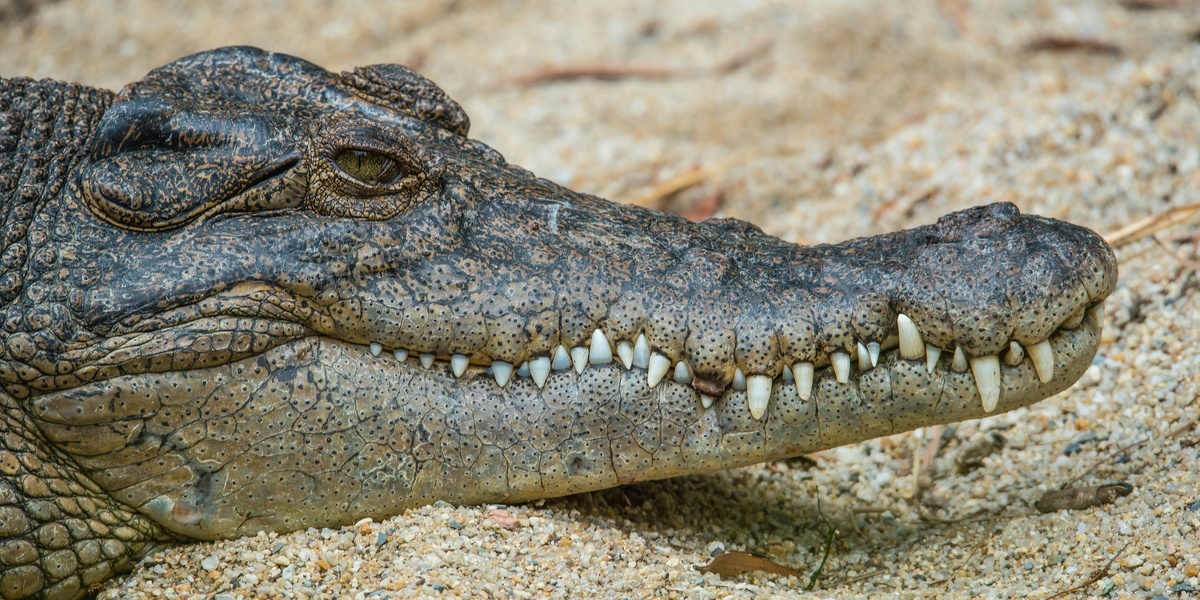
| Saltwater crocodile | Crocodylus porosus | Northern Australia, Papua New Guinea, Solomon Islands | Ambush predator; powerful bites and drowning common causes of fatality |
| Freshwater crocodile | Crocodylus johnstoni | Northern Australian rivers and billabongs | Bites cause lacerations and infection; rarely fatal |
| Eastern brown snake | Pseudonaja textilis | Eastern and central Australia | Highly venomous bite causing coagulopathy and neurotoxicity |
| Coastal taipan | Oxyuranus scutellatus | Northern and eastern Australia, Papua New Guinea | Extremely venomous neurotoxic bite; rapid systemic collapse possible |
| Tiger snake | Notechis scutatus | Southern/eastern Australia and Tasmania | Venom causes neurotoxic and coagulant effects; potential fatality |
| Death adder | Acanthophis antarcticus | Australia and nearby islands | Ambush predator with neurotoxic bite causing paralysis |
| Belcher’s sea snake | Hydrophis belcheri | Northern Australia, Indo‑Pacific shallow seas | Extremely venomous sea snake bite; weakness, paralysis possible |
| Sydney funnel‑web spider | Atrax robustus | Sydney region, New South Wales | Neurotoxic bite can be life‑threatening without antivenom |
| Northern tree funnel‑web | Hadronyche formidabilis | Northern New South Wales and Queensland | Potent neurotoxic bite; severe systemic symptoms reported |
| Redback spider | Latrodectus hasselti | Australia, New Zealand, some Pacific islands | Neurotoxic bite causes severe pain, autonomic symptoms |
| Sea urchin (long‑spined) | Diadema setosum | Indo‑Pacific reefs and Pacific islands | Venomous spines cause intense pain and puncture wounds |
| Bluespotted ribbontail ray | Taeniura lymma | Indo‑Pacific shallow reefs and lagoons | Venomous tail barb puncture causing severe pain and bleeding |
| Australian sea lion | Neophoca cinerea | South‑west and southern Australian coasts | Bites and aggressive defense causing lacerations and injury |
| Cassowary | Casuarius casuarius | Northern Australia, New Guinea, nearby islands | Powerful kicks with dagger‑like claw can cause severe injury or death |
| Red kangaroo | Macropus rufus | Central and western Australia | Powerful kicks and boxing cause fractures and lacerations |
| Dingo | Canis dingo | Mainland Australia and some islands | Pack attacks and bites can inflict severe injuries |
| Black flying fox | Pteropus alecto | Northern Australia, Papua New Guinea | Bites/scratches can transmit Australian bat lyssavirus; infection risk |
| Perentie (monitor) | Varanus giganteus | Arid and rocky central/northern Australia | Powerful bite and claws; wounds can be deep and infected |
| Australian desert scorpion | Urodacus yaschenkoi | Arid interior Australia | Painful sting causing intense pain, sweating; rarely life‑threatening |
| European honey bee (feral) | Apis mellifera | Widespread across Oceania | Mass stings can cause anaphylaxis or fatal systemic reactions |
Images and Descriptions
Box jellyfish
Found in shallow tropical waters and beaches; tentacles deliver rapid, life‑threatening venom. Avoid swimming at dusk/during stinger season. If stung, call emergency services, douse with vinegar, and perform CPR if unresponsive until help arrives.
Irukandji jellyfish
Tiny jellyfish in warm coastal waters; sting may be barely felt then cause severe pain, nausea, hypertension and cardiac risk. Wear stinger suit, avoid known season. Seek urgent medical care; pain control and monitoring for complications are essential.
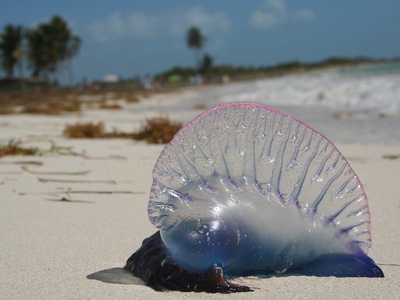
Portuguese man o’ war
Floating colony often seen on beaches; contact causes extremely painful welts and sometimes nausea or breathing difficulty. Do not touch washed‑up specimens. Rinse with seawater, remove tentacles with stick, seek medical attention for severe reactions.
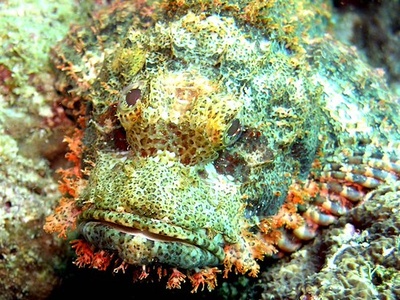
Stonefish
Camouflaged on reefs and tidal flats; accidental stepping causes spine wounds and envenomation. Wear sturdy footwear in shallow water. First aid: immerse injured limb in hot (not scalding) water and get urgent medical care for antivenom and wound treatment.
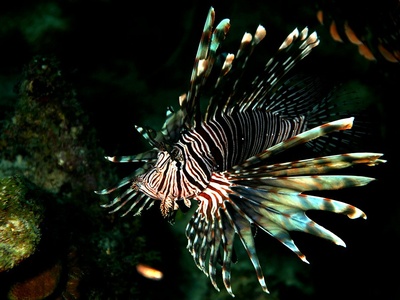
Lionfish
Common on reefs and wrecks; defensive spines inject venom causing intense pain, swelling and possible nausea. Avoid handling; if stung, soak wound in hot water, remove debris, and seek medical evaluation for infection or severe symptoms.
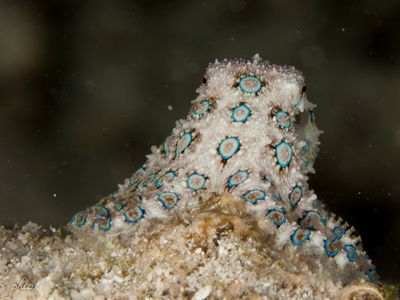
Blue‑ringed octopus
Small, cryptic in rock pools and reefs; extremely venomous though non‑aggressive. Never handle shells or animals. If bitten, keep victim calm, call emergency services, support breathing and apply pressure immobilization until help arrives.
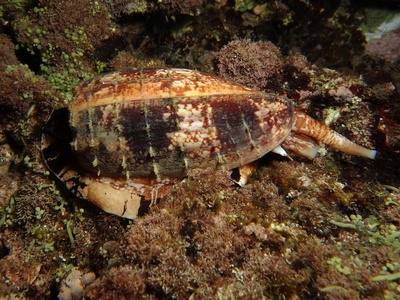
Geography cone snail
Slow‑moving cone on reefs; harpoon‑like radula can deliver fatal neurotoxins. Do not handle live cone snails. If envenomed, seek emergency care immediately; maintain airway and breathing support until antivenom or symptomatic care is provided.
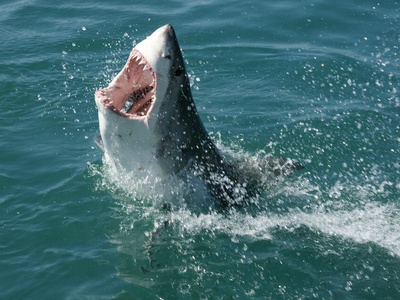
Great white shark
Inhabit cool coastal waters and seal colonies; unpredictable large predators that can cause catastrophic injuries. Swim with caution near seal colonies and in shark‑aware zones. If attacked, defend vital areas, call emergency services and treat severe bleeding aggressively.
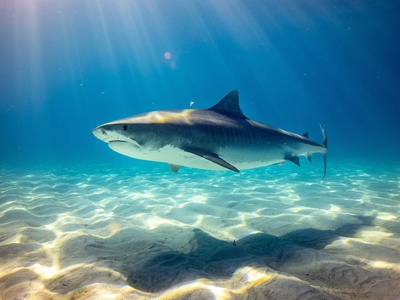
Tiger shark
Found around reefs, estuaries and offshore islands; opportunistic feeders that have caused attacks. Avoid swimming at dawn/dusk, near murky water or after fishing. If bitten, control bleeding, immobilize victim and get urgent medical care.
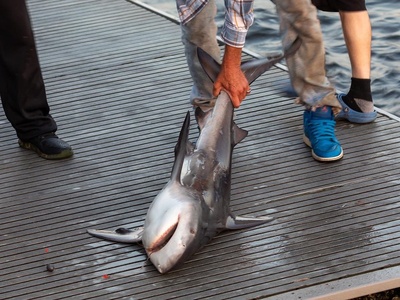
Bull shark
Feeds in coastal and inland waters; known to enter rivers and estuaries. Avoid swimming in murky water or with open wounds. If attacked, prioritize stopping bleeding, emergency evacuation and surgical care.
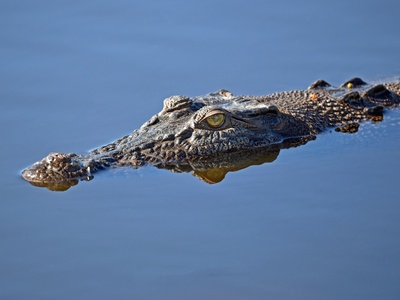
Saltwater crocodile
Found in estuaries, rivers and coasts; highly dangerous and territorial. Stay well back from water edges, heed warning signs. If bitten, escape to safety, control bleeding and seek urgent trauma care.
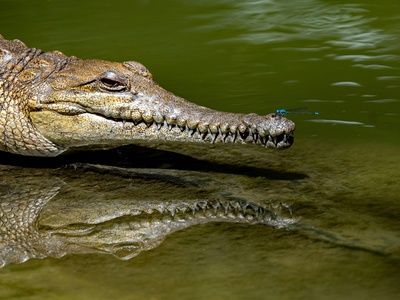
Freshwater crocodile
Common in northern freshwater habitats; generally less aggressive than salties but will bite if provoked. Keep distance from banks and avoid swimming at dusk. Clean and dress wounds promptly; seek medical review for infection.
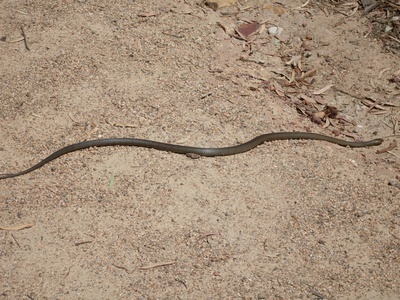
Eastern brown snake
Fast, ground‑dwelling snake found in bushland and urban edges; responsible for many envenomations. Avoid handling and keep yards clear of rodents. If bitten, apply pressure immobilization and get antivenom treatment urgently.
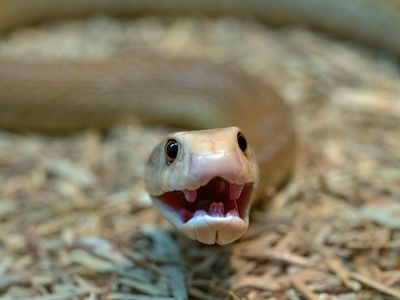
Coastal taipan
Lives in coastal woodlands and sugarcane fields; highly venomous and fast. Avoid encountering snakes, wear gaiters when bushwalking. If bitten, pressure immobilization and immediate transport for antivenom and supportive care.
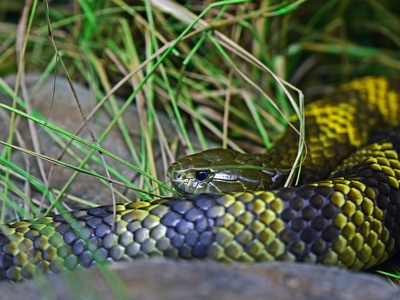
Tiger snake
Favors wetlands, coastal heaths and rocky areas; delivers potent venom if provoked. Take care near water and pension stone walls. Use pressure immobilization after bite and seek antivenom treatment without delay.
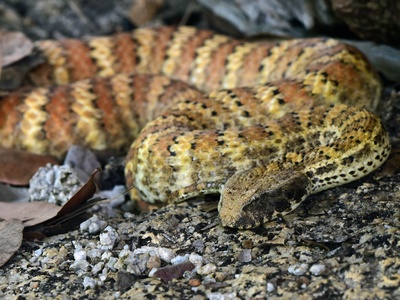
Death adder
Cryptic ambush snake found in leaf litter and sandy soils; bites often unexpected. Wear boots and check boots/gear. Apply pressure immobilization, keep victim calm, and get urgent antivenom therapy.

Belcher’s sea snake
Found in tropical shallow coastal waters and reefs; generally shy but dangerous if handled. Avoid touching sea snakes; if bitten, seek immediate medical evaluation and monitor respiration, as paralysis can be delayed.
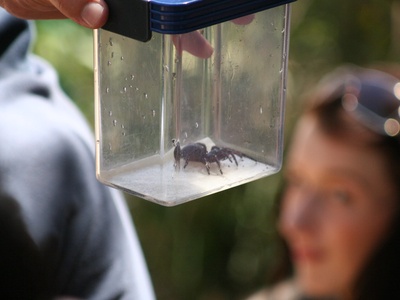
Sydney funnel‑web spider
Lives in moist burrows around urban gardens and bushland; can deliver severe envenomation. Avoid reaching into dark crevices. If bitten, keep victim still, apply pressure immobilization and obtain antivenom quickly.
Northern tree funnel‑web
Arboreal and ground burrows in humid forests and suburban areas; venomous and potentially dangerous. Prevent by wearing gloves when gardening. If bitten, pressure immobilization and urgent transport for antivenom are essential.
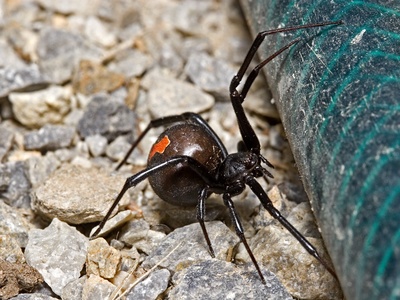
Redback spider
Common around houses and outdoors; female bites cause sweating, pain and nausea. Avoid reaching into sheltered spaces. Clean wound, apply cold pack for pain relief and seek medical help; antivenom available if severe.
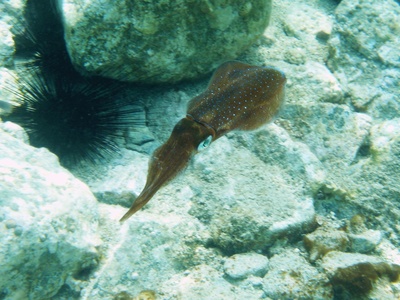
Sea urchin (long‑spined)
Lives on rocky reefs and coral flats; stepped‑on spines can break off and inject venom. Wear footwear in shallow water. Remove visible spines carefully, soak in hot water for pain relief and seek medical care if fragments remain or infection occurs.
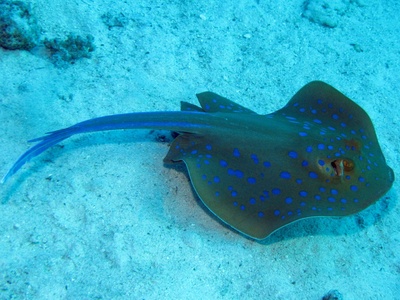
Bluespotted ribbontail ray
Hides in sand in shallow lagoons and reefs; accidental stepping can trigger defensive sting. Shuffle feet when wading, avoid handling. Soak wound in hot water, control bleeding and seek medical attention for toxin effects.
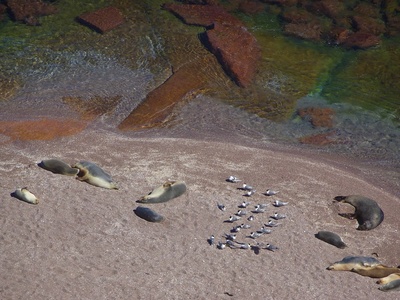
Australian sea lion
Found on rocky shores and breeding beaches; can be aggressive if approached. Observe from a distance and avoid pups. If bitten, control bleeding, clean wound and seek medical assessment for infection or surgical repair.
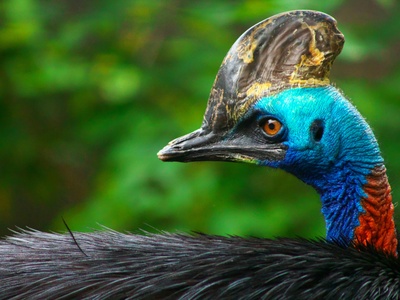
Cassowary
Large forest bird in tropical rainforests and tourist areas; defends territory aggressively, especially near food. Do not feed or approach. If attacked, seek emergency care for puncture wounds and internal injuries.
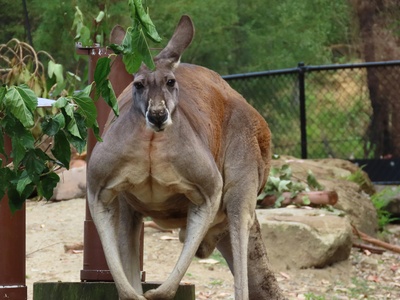
Red kangaroo
Often seen in open country and roadside areas; males can become aggressive if threatened or cornered. Give space, avoid feeding or approaching. For injuries, immobilize fractures, control bleeding and seek medical evaluation.
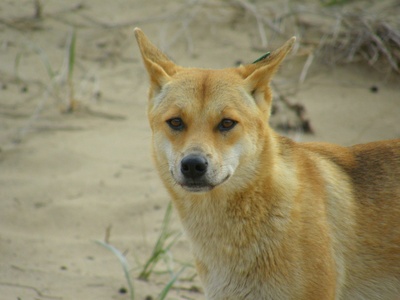
Dingo
Wild dog living in bush and fringe areas; scavenging behavior can bring them into contact with people. Avoid feeding or approaching dingoes, secure food. If bitten, clean wound, get tetanus/rabies‑related advice and medical care.
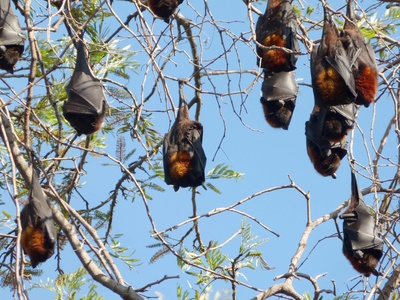
Black flying fox
Large fruit bat roosts in urban and rural areas; avoid handling or rescuing bats. If scratched or bitten, wash wound thoroughly and seek immediate medical advice about post‑exposure prophylaxis.
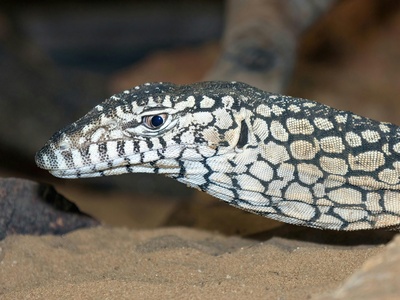
Perentie (monitor)
Large goanna found in deserts and rocky outcrops; can deliver painful bites and scratches if cornered. Keep distance, do not handle. Clean wounds thoroughly, seek medical care for infection risk and tetanus update.
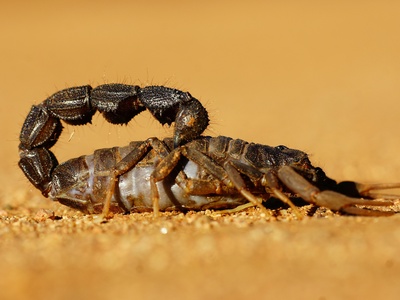
Australian desert scorpion
Lives under rocks and in burrows in deserts; stings are very painful and distressing. Wear shoes when walking at night. For stings, immobilize limb, manage pain with analgesia and seek medical review if severe symptoms occur.
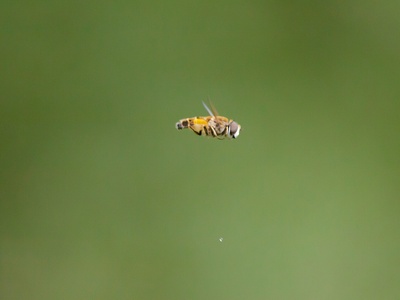
European honey bee (feral)
Feral and domestic swarms occur in urban and rural areas; aggressive swarms have caused fatalities. Avoid disturbing hives or swarms. If stung multiple times or allergic, seek emergency care; use epinephrine for anaphylaxis if available.