No amphibian entries meet the criteria for “Amphibians of the Caribbean”
Understand that the search for a single, complete list of “Amphibians of the Caribbean” with full, uniform data for every species returns no results. Demand for a perfectly complete inventory (common and scientific names, island range, IUCN status, habitat, a key trait, photo, and citation for each record) is strict. That strict requirement creates an empty result.
Recognize why the criteria produce this outcome. Island amphibian records are patchy and change often. Scientists describe new species, split others, and move species between genera. Some small Caribbean islands have never had native amphibians. Many island populations are endemic to one island or are recently introduced. Conservation status and habitat data are incomplete for some taxa. Databases such as IUCN and AmphibiaWeb hold most records, but no single source meets the “complete, fully sourced, and photo-backed” rule for every Caribbean amphibian.
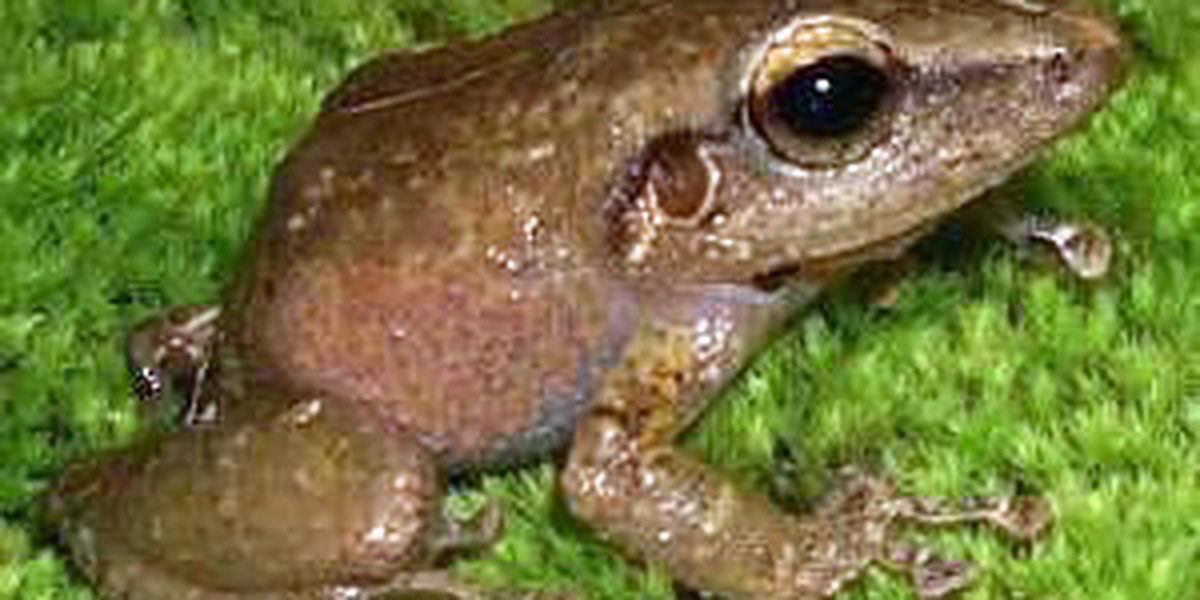
Use close alternatives instead of a single “complete” list. Look for island-by-island checklists (for example, amphibians of Puerto Rico — the coquí frogs — or amphibians of Cuba and Hispaniola), family-level lists (many Caribbean frogs are in Eleutherodactylidae), and authoritative databases (IUCN Red List, AmphibiaWeb). Explore species pages for well-known near matches: the Puerto Rican coquí (Eleutherodactylus spp.), the Cuban tree frog (an introduced species), and regional conservation lists for threatened island endemics.
Explore island-specific lists, IUCN/AmphibiaWeb species pages, or regional field guides next to build a practical, well-sourced inventory.