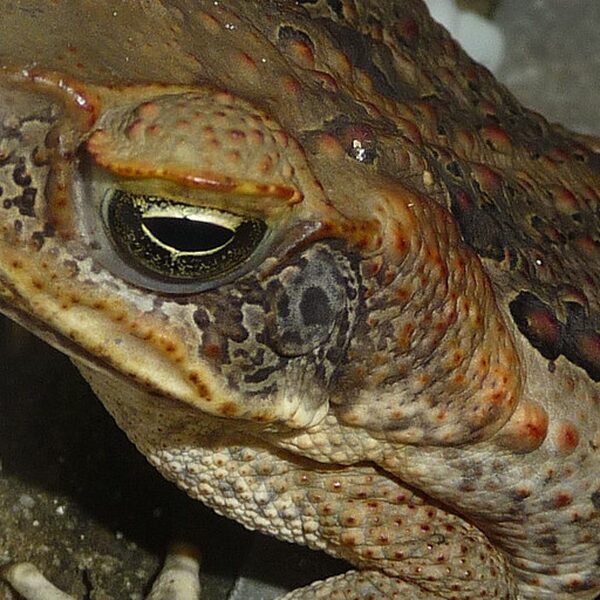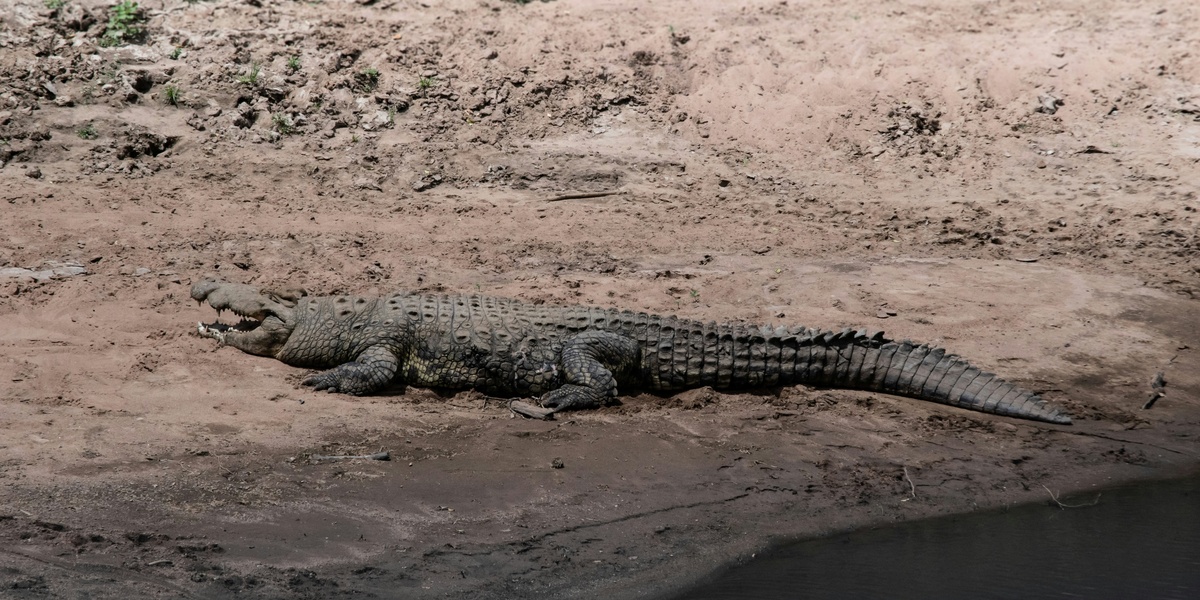
Burundi’s varied landscape — from Lake Tanganyika shores and riverine wetlands to patches of savanna and forest — supports a modest but interesting reptile fauna. Observing these animals offers insight into local ecosystems and seasonal patterns without needing specialized gear: daytime searches, evening walks near lights, and visits to wetlands are often enough.
There are 16 Reptiles of Burundi, ranging from African helmeted turtle to Tropical house gecko. For each species listed you’ll find below the Scientific name, Max length (cm), IUCN status so you can quickly see identity, size and conservation standing before diving deeper into distribution or photos you’ll find below.
Where in Burundi am I most likely to see these reptiles?
Many species are tied to specific habitats: turtles and water snakes near lakes and rivers, agamids and skinks in woodland edges and clearings, and geckos around buildings and lights at night. Timing helps — mornings and evenings are best for cooler-season activity, while wetlands are productive year-round.
Are any of these species at risk and how can I help?
Yes, some have threatened IUCN statuses; the list below shows each species’ classification. You can help by reporting sightings to local conservation groups, avoiding habitat disturbance, supporting protected areas, and refraining from collecting wild reptiles.
Reptiles of Burundi
| Common name | Scientific name | Max length (cm) | IUCN status |
|---|---|---|---|
| Nile crocodile | Crocodylus niloticus | 500 | LC (2018) |
| African helmeted turtle | Pelomedusa subrufa | 35 | LC (2016) |
| Leopard tortoise | Stigmochelys pardalis | 70 | LC (2018) |
| African rock python | Python sebae | 400 | NT (2015) |
| Black mamba | Dendroaspis polylepis | 300 | LC (2016) |
| Puff adder | Bitis arietans | 120 | LC (2019) |
| Boomslang | Dispholidus typus | 150 | LC (2015) |
| Spitting cobra | Naja nigricollis | 180 | LC (2016) |
| African house snake | Boaedon fuliginosus | 120 | LC (2014) |
| Egg-eating snake | Dasypeltis scabra | 100 | LC (2015) |
| Common agama | Agama agama | 25 | LC (2015) |
| Mwanza flat-headed agama | Agama mwanzae | 25 | LC (2015) |
| Flap-necked chameleon | Chamaeleo dilepis | 40 | LC (2014) |
| Common house gecko | Hemidactylus frenatus | 12 | LC (2010) |
| Tropical house gecko | Hemidactylus mabouia | 12 | LC (2015) |
| Striped skink | Trachylepis striata | 20 | LC (2017) |
Images and Descriptions
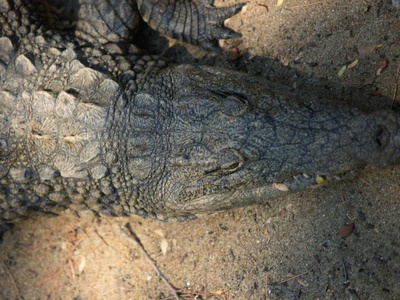
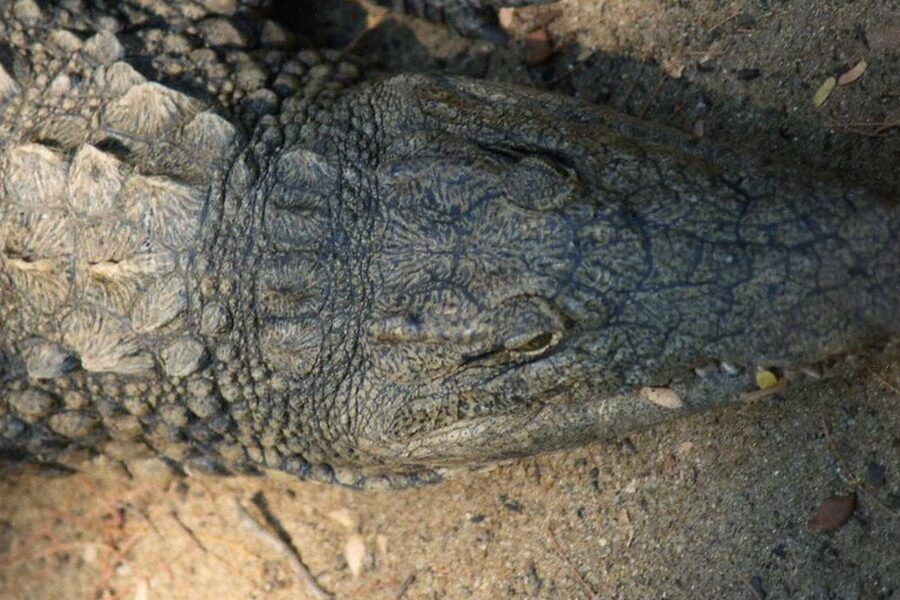
Nile crocodile
Large freshwater predator in Lake Tanganyika, rivers and wetlands across Burundi. Can reach about 5 m; powerful jaws and ambush hunting make it the apex aquatic predator. Occurs near fisheries and protected areas, sometimes clashing with people.
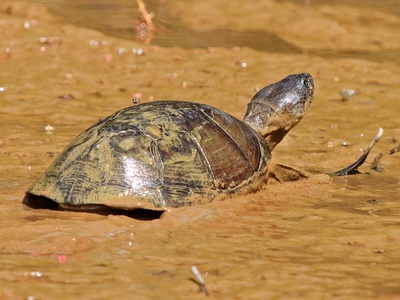
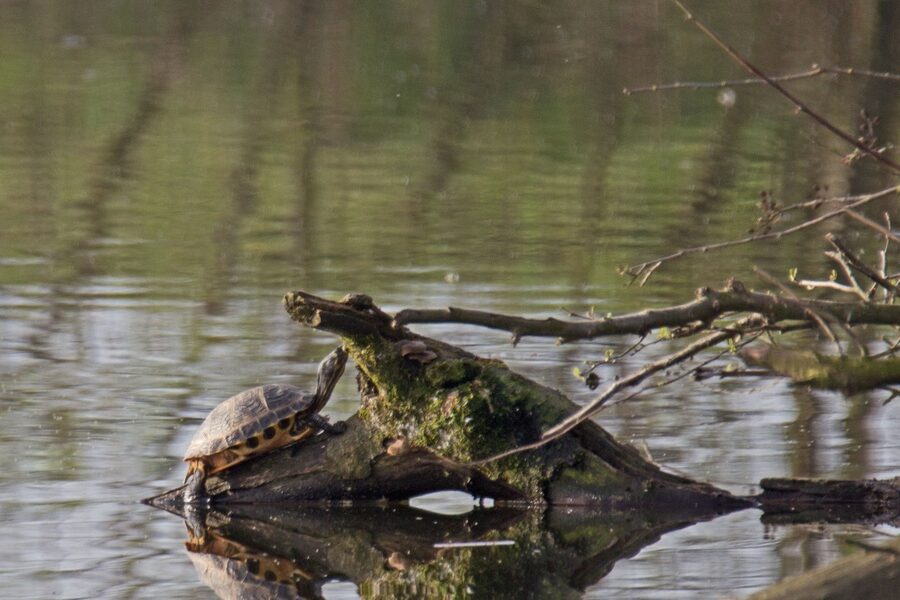
African helmeted turtle
Small, hardy freshwater turtle found in ponds, marshes and slow rivers throughout Burundi, including lake margins. Omnivorous and tolerant of disturbance, it often basks near villages and can survive seasonal drying by burying in mud.
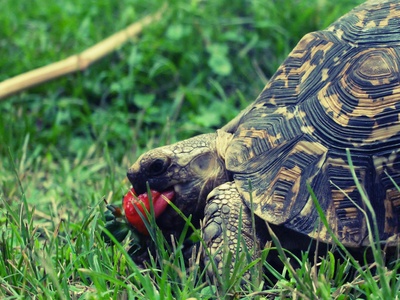
Leopard tortoise
Large, attractively spotted tortoise of dry grassland and open scrub in parts of Burundi. Grazes on grasses and succulents; slow-moving and easily seen. Threats include road mortality and collection, but it remains locally encountered where habitat persists.
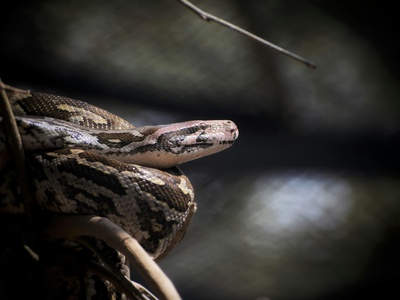
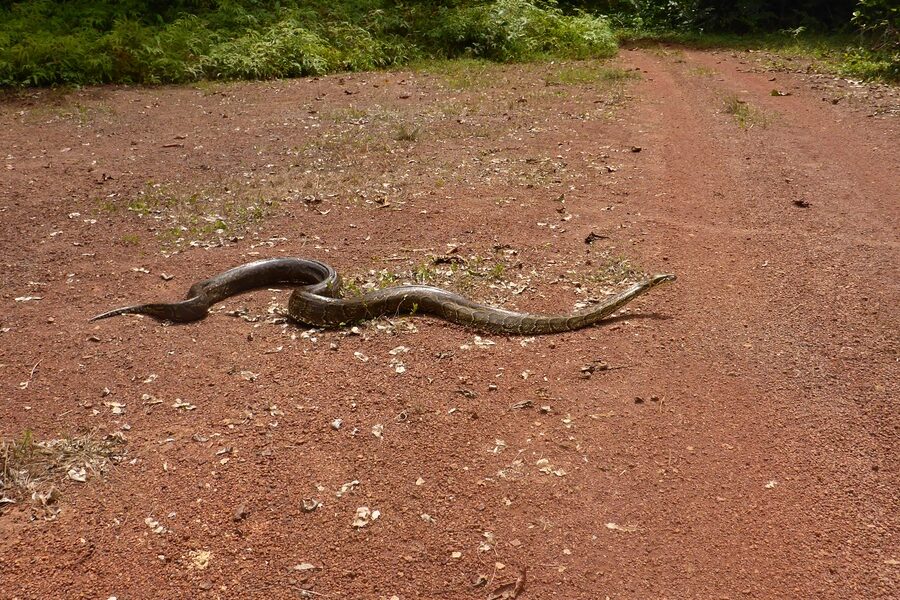
African rock python
Massive constrictor inhabiting riverine forests, wetlands and savanna woodlands in Burundi. Can exceed 4 m and ambushes medium-sized mammals. Non-venomous but powerful; rare near settlements but sometimes noted close to water where prey is abundant.
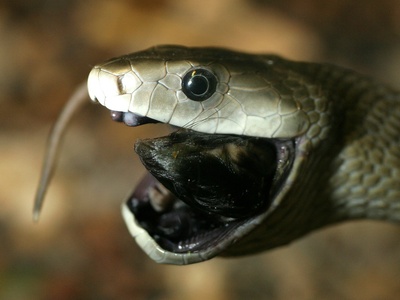
Black mamba
Large, fast and highly venomous snake of woodland, savanna and rocky areas in Burundi. Extremely capable envenomation can be fatal without antivenom. Generally avoids humans but may be encountered near farms and rocky outcrops.
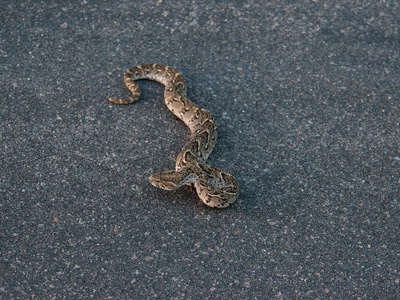
Puff adder
Stout, well-camouflaged viper common in fields, savanna and near human dwellings across Burundi. Relies on ambush and has potent cytotoxic venom; frequently encountered by pedestrians due to camouflage and sluggish movement.
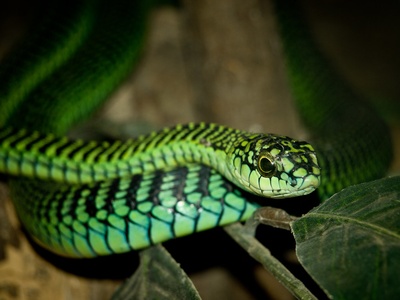
Boomslang
Arboreal, large-eyed colubrid found in forests and riverine thickets including Kibira and other wooded areas. Possesses potent hemotoxic venom delivered by rear fangs; shy but capable of dangerous bites when provoked.
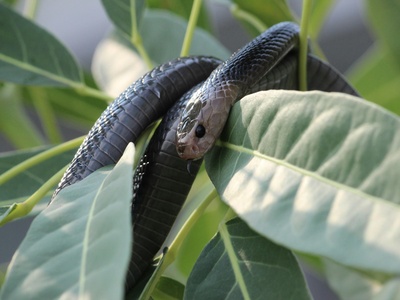
Spitting cobra
Spitting cobra inhabiting savanna, agricultural land and forest edges in Burundi. Capable of spraying venom toward eyes, risking blindness if untreated; raises hood when threatened and commonly occurs where rodents are plentiful.
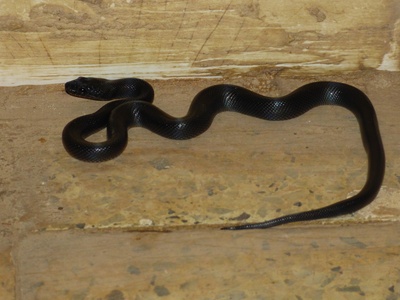
African house snake
Harmless, nocturnal snake often found around homes, farms and savanna in Burundi. Feeds on rodents and small vertebrates and is tolerated for pest control. Small to medium-sized and frequently encountered in villages and cultivated areas.
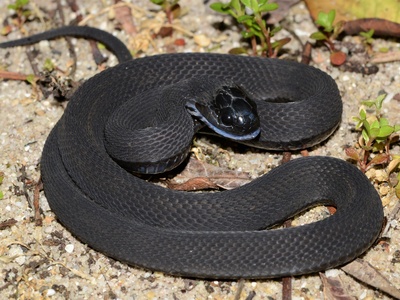
Egg-eating snake
Specialist climber that feeds exclusively on bird eggs, found in woodlands, farms and villages across Burundi. Non-venomous and slender, it swallows eggs whole and is harmless to people; often overlooked despite being widespread.
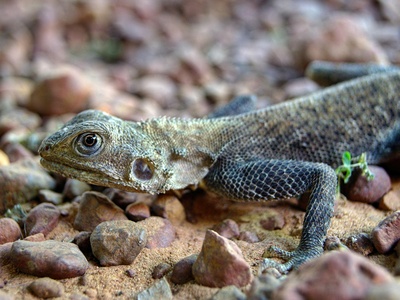
Common agama
Colorful, diurnal lizard of open habitats, farmland and rocky areas across Burundi. Males show bright breeding colors and bask on walls and rocks. Common backyard reptile, easy to spot and often seen near human settlements.
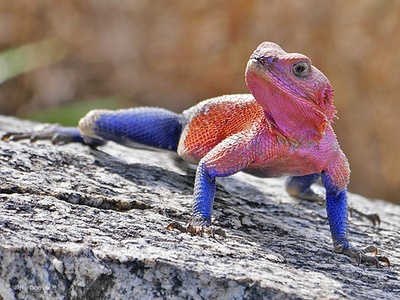
Mwanza flat-headed agama
Striking red-and-blue rock agama occupying rocky outcrops, walls and disturbed sites in parts of Burundi. Territorial males are vivid during breeding season and frequently seen in towns and along roadsides on sunny perches.
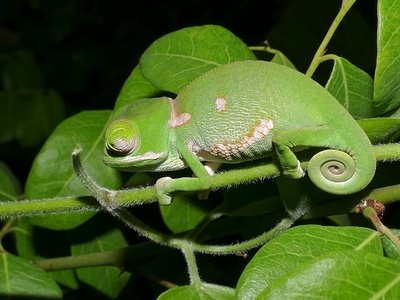
Flap-necked chameleon
Medium-sized chameleon of forests, woodland and gardens, especially in moist hills like Kibira and Bururi. Cryptic and slow-moving, it ambushes insects from shrubs and low trees and is often noticed by its distinctive slow movements and color change.
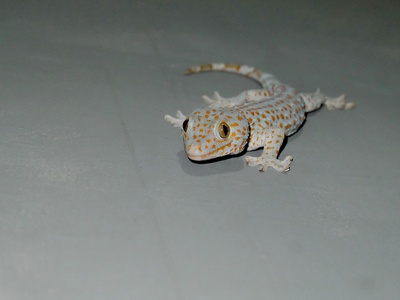
Common house gecko
Introduced nocturnal gecko thriving on walls, in houses and near lights across Burundi. Small and vocal, it feeds on insects attracted to lamps and is a very familiar urban reptile, often seen on walls after dark.
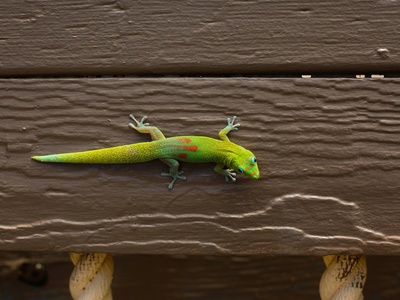
Tropical house gecko
Widespread introduced gecko in urban and rural buildings throughout Burundi. Robust and adaptable, it competes with native geckos and is frequently seen at night hunting insects around lights and eaves.

Striped skink
Common diurnal skink of grasslands, gardens and agricultural fields. Smooth-scaled and quick-moving, it shelters under stones and debris; widespread across Burundi’s lowlands and disturbed habitats where it helps control insects.