Across rescue shelters, wildlife clinics and farms, animals sometimes lose a limb from injury, congenital issues or human-related incidents. Keeping track of these cases helps vets, researchers and owners understand how different species cope and what care they need.
There are 22 Three-Legged Animals, ranging from Cat to Wolf. For each entry I list Scientific name,Location / Origin,Cause / Type so you can compare species, where they were found, and why they have three legs — details you’ll find below.
How do animals adapt after losing a leg?
Many species adjust by changing their gait, strengthening remaining limbs and shifting behavior to reduce risk; recovery varies with species, age and the cause of limb loss. Rehabilitation, environmental changes and, in some cases, prosthetics or orthotics help improve mobility and quality of life.
Are three-legged cases usually the result of injury or genetics?
Both occur: trauma (vehicle strikes, fights, accidents) and human activity are common causes, while congenital limb differences also appear in wild and domestic populations. Understanding the cause guides care, prognosis and any needed conservation or owner interventions.
Three-Legged Animals
| Name | Scientific name | Location / Origin | Cause / Type |
|---|---|---|---|
| Dog | Canis lupus familiaris | Worldwide (domestic) | injury/congenital/prosthetic |
| Cat | Felis catus | Worldwide (domestic) | injury/congenital/prosthetic |
| Horse | Equus ferus caballus | Worldwide (domestic & wild) | injury/amputation/prosthetic |
| Cow | Bos taurus | Worldwide (domestic & farm) | injury/amputation |
| Deer | Various (Cervidae) | Worldwide (wild) | injury/congenital |
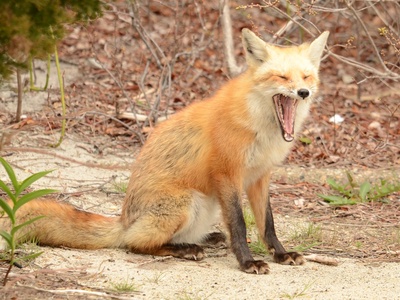
| Fox | Vulpes vulpes and other Vulpes spp. | Northern Hemisphere (wild) | injury/amputation |
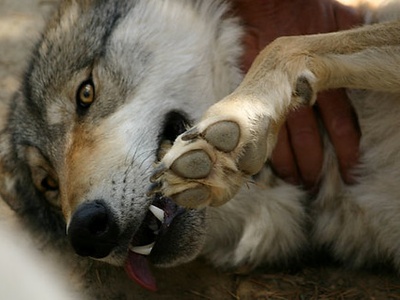
| Wolf | Canis lupus | Northern Hemisphere (wild) | injury/amputation |
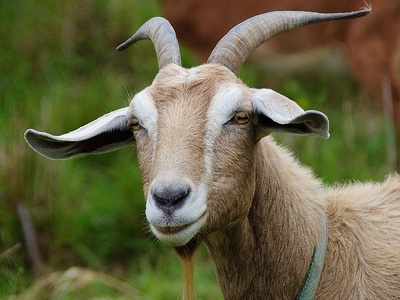
| Goat | Capra aegagrus hircus | Worldwide (domestic/farm) | injury/congenital |
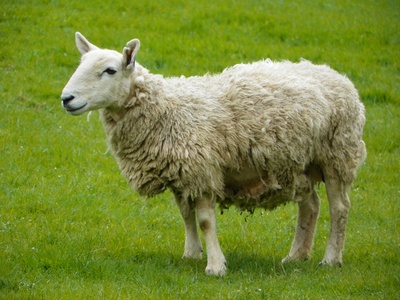
| Sheep | Ovis aries | Worldwide (domestic/farm) | injury/amputation |
| Pig | Sus scrofa domesticus | Worldwide (domestic & farm) | injury/congenital |
| Rabbit | Oryctolagus cuniculus and other leporids | Worldwide (domestic & wild) | injury/congenital |
| Turtle/Tortoise | Various (Testudines) | Worldwide | injury/congenital |
| Crab (decapod with three legs remaining) | Various (Decapoda) | Worldwide (marine & coastal) | injury/autotomy/regenerative |
| Frog (three-legged individuals) | Various (Anura) | Worldwide | congenital/parasitic/injury |
| Squirrel | Various (Sciuridae) | Worldwide | injury/amputation |
| Kangaroo | Macropus spp. and related macropods | Australia (wild & rehab) | injury/amputation |
| Elephant | Elephas maximus / Loxodonta africana | Asia & Africa | injury/prosthetic/amputation |
| Octopus (individuals with three arms) | Various (Octopoda) | Worldwide (marine) | injury/autotomy/regenerative |
| Lobster (individuals with three legs) | Various (Nephropidae & others) | Worldwide (marine) | injury/autotomy/regenerative |
| Three-legged crow (Yatagarasu / Sanzuwu / Samjok-o) | N/A | East Asia (Japan, China, Korea) | myth |
| Three-legged toad (Jin Chan / Chan Chu) | N/A | China (folklore) | myth |
| Three-legged insect survivors (e.g., mantis, beetle) | Various (Insecta) | Worldwide | injury/autotomy |
Images and Descriptions
Dog
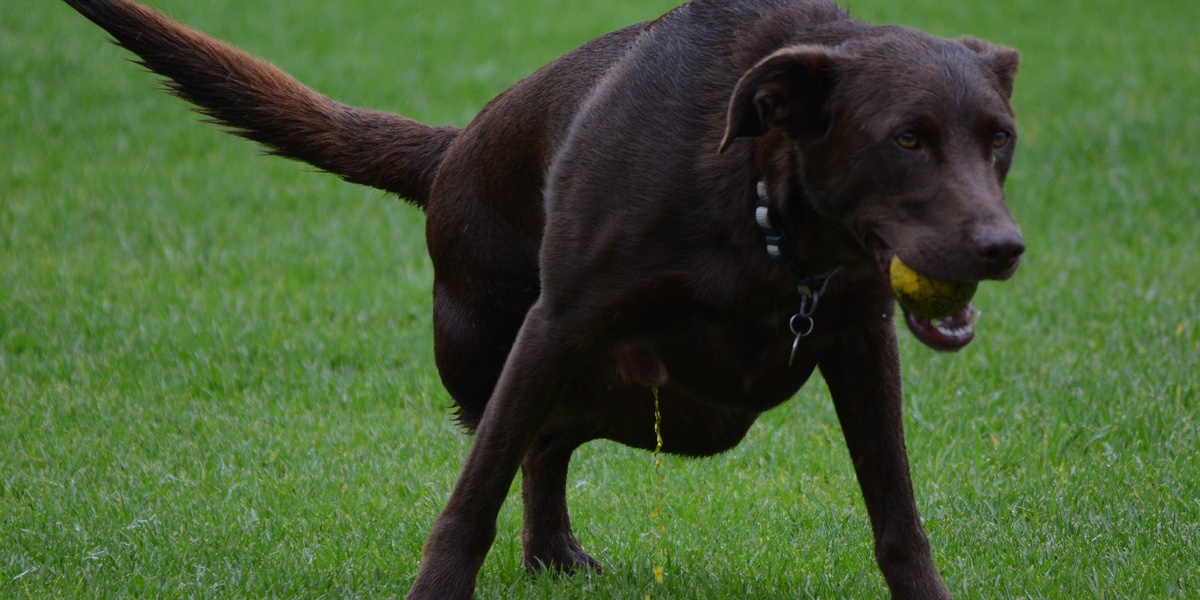
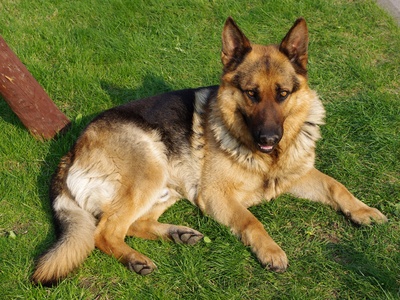
Domestic dogs often become “tripods” after amputation or congenital loss; they adapt quickly, run and play on three legs, and many receive prosthetics or mobility aids. Numerous documented rescue cases worldwide show high survivability with proper care and rehab.
Cat
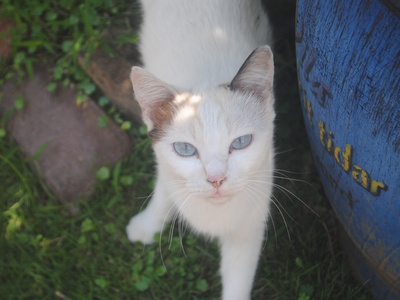
Three-legged cats are common in rescue stories after accidents or birth defects; many retain excellent balance and agility. Domestic cats often live full lives as tripods, and veterinary prosthetics or household adaptations improve mobility and quality of life.
Horse
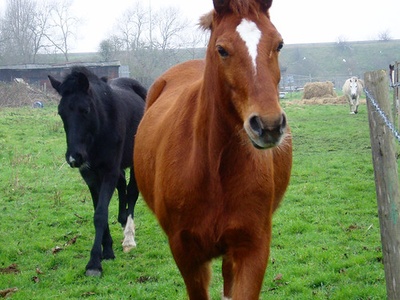
Horses can survive loss of a limb but face major challenges due to weight-bearing; some domestic horses have been fitted with prosthetics or live comfortably with careful management, turnout limits, and tailored hoof/limb care.
Cow
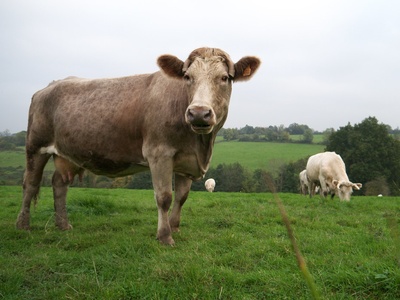
Cattle occasionally lose a limb to trauma or disease; surviving as a three-legged cow is possible but medically complex. Farm management, analgesia, and sheltering are key; large size increases risk of secondary complications like arthritis.
Deer
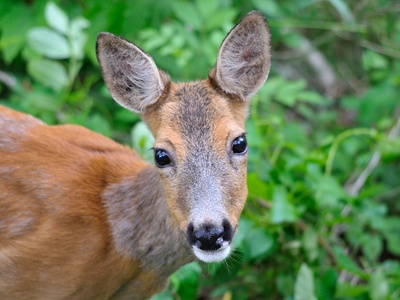
Wild deer sometimes persist after losing a limb to injury or predators. Survival chances drop due to reduced speed and escape ability, but reports exist of three-legged deer successfully foraging and avoiding predators for months or years.
Fox
Wild foxes injured by traps or vehicle strikes can survive with three legs; adaptability and nocturnal habits help some individuals remain elusive. Rehabilitation and release programs report several successful three-legged survivors.
Wolf
A wolf losing one limb faces social and hunting challenges; pack dynamics often determine survivability. Documented cases exist of injured wolves integrating or being cared for, but overall survival is harder than for solitary domestic animals.
Goat
Goats are hardy and frequently adapt well to three-legged life after injury or congenital absence. Many hobby farms successfully keep tripod goats with minimal mobility aids and adjusted pasture conditions.
Sheep
Sheep may survive as three-legged animals, though lameness can cause production issues. Small flocks often rehabilitate injured sheep and manage pastures to reduce strain; survival and welfare depend on quick veterinary attention.
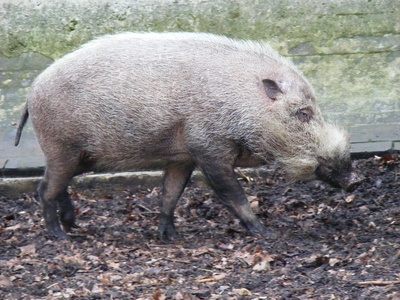
Pig
Pigs can become three-legged from trauma or congenital conditions; their low center of gravity helps adaptation. Domestic pigs often adapt well if provided space and nonslip flooring, though arthritis risk increases with age.
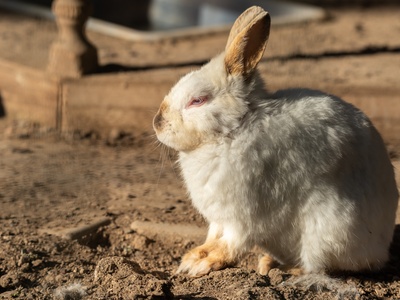
Rabbit
Rabbits losing a limb face predation risk in the wild but domestic rabbits can survive and adapt as tripods with owner support. Mobility is reduced; enclosures and litter changes aid recovery and comfort.
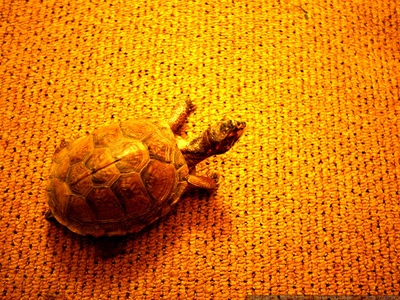
Turtle/Tortoise
Turtles and tortoises have been documented with only three functional limbs due to injury or birth defects. Survivability varies; slower movement and a protective shell can help, and many rehabilitated specimens live long lives under care.

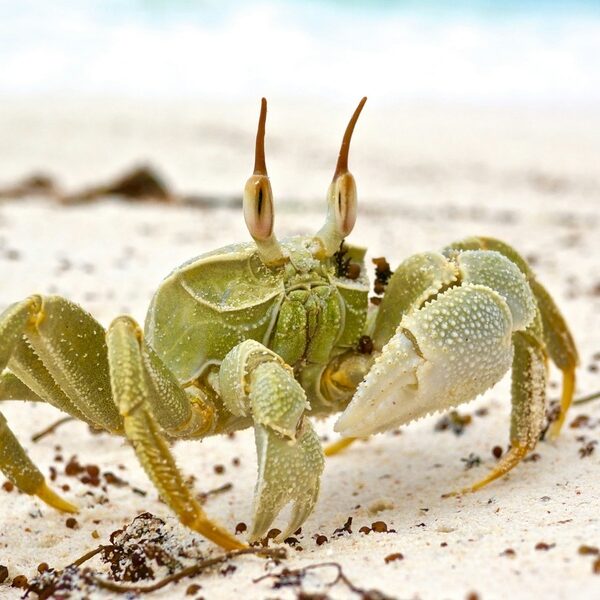
Crab (decapod with three legs remaining)
Crabs frequently autotomize limbs to escape predators and can survive with only three walking legs remaining. Many species regenerate lost limbs over subsequent molts; three-legged crabs are a documented natural outcome of predation and injury.
Frog (three-legged individuals)
Three-legged frogs have been reported worldwide, often linked to developmental parasites, pollution, or injury. Survivability depends on habitat and predation pressure; some live weeks to years, while others are more vulnerable in the wild.
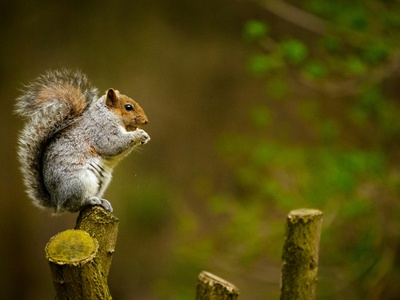
Squirrel
Arboreal squirrels losing a limb face higher predation and mobility challenges, but documented rescues show many three-legged squirrels can climb and forage after rehabilitation, though long-term wild survival is variable.
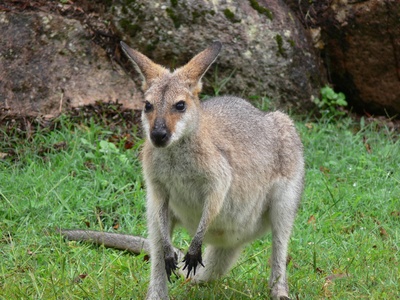
Kangaroo
Marsupials like kangaroos can end up with three legs after vehicle collisions or predation. Large hind legs are crucial for hopping; injured individuals often require long rehabilitation, but some joeys and adults adapt in sanctuaries.
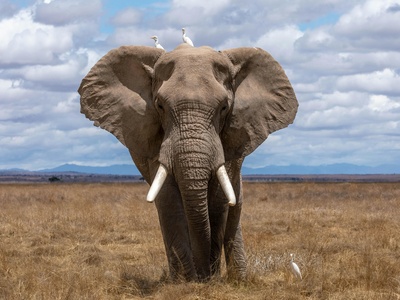
Elephant
Elephants have been documented surviving limb loss and, in rare conservation cases, receiving custom prosthetics or supportive footwear. Weight and infection risk make management complex, but well-managed sanctuaries have maintained three-legged elephants in good condition.
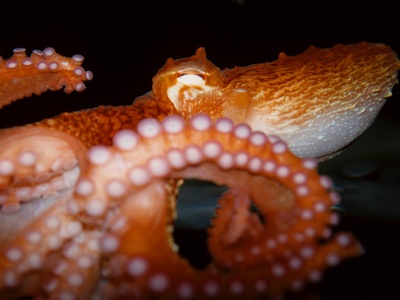
Octopus (individuals with three arms)
Octopuses can autotomize and regenerate arms; individuals observed with three functioning arms continue to hunt and behave normally. Regeneration takes time, and many three-armed octopuses successfully feed and evade predators during regrowth.
Lobster (individuals with three legs)
Lobsters and related crustaceans can lose limbs to predators or during molting and survive with as few as three walking legs; regeneration over molts is common, and short-term survival is generally good in protected environments.
Three-legged crow (Yatagarasu / Sanzuwu / Samjok-o)
The three-legged crow appears across East Asian myth (Japan’s Yatagarasu, China’s Sanzuwu, Korea’s Samjok-o) as a solar or divine messenger. Symbolically linked to guidance and the sun, these mythic birds are depicted with three legs in classical texts and art.
Three-legged toad (Jin Chan / Chan Chu)
The Jin Chan, a three-legged money toad in Chinese folklore, is a symbol of prosperity and good fortune. Often shown clutching a coin, this mythical amphibian is a common feng shui talisman representing wealth and financial protection.
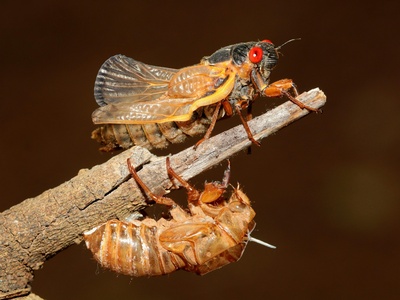
Three-legged insect survivors (e.g., mantis, beetle)
Insects that lose legs via predation or autotomy often survive with three legs, especially when alternate legs compensate for locomotion. Documented lab and field observations show many insects maintain mobility and hunting ability despite missing multiple limbs.