The African savanna is a wide, sunlit landscape of grasses, acacias and seasonal waterholes where insects quietly shape pollination, nutrient cycling and predator–prey dynamics. Observing them offers a different, closer perspective on how the ecosystem functions day to day.
There are 31 African Savanna Insects, ranging from African honeybee to Weaver ant. For each species, you’ll find below concise entries organized with Scientific name,Size (mm),Habitat/Range to help with identification and where to look, you’ll find below.
Which of these insects am I most likely to see on a typical safari?
You’ll commonly notice noisy swarms or trails: African honeybees around flowering trees, weaver ants on acacias, grasshoppers in tall grass and dung beetles near animal droppings. Timing helps — early morning and late afternoon are best — and focusing on flowers, dung, fallen logs and water sources increases sightings.
Are any of these insects dangerous to people or livestock?
A few can sting or bite (honeybees, some ants) and others are disease vectors (tsetse flies, mosquitoes), but most pose little direct risk if you avoid nests, use insect repellent, wear long clothing at dusk and keep food sealed.
African Savanna Insects
| Common name | Scientific name | Size (mm) | Habitat/Range |
|---|---|---|---|
| Driver ant | Dorylus spp. | 8-12 | Sub-Saharan savannas (West to East Africa) |
| Weaver ant | Oecophylla longinoda | 6-12 | Savanna trees and woodlands (West, Central Africa) |
| Harvester ant | Messor spp. | 4-8 | Dry savannas and grasslands (Sahel to southern Africa) |
| Fungus-growing termite | Macrotermes bellicosus | 10-15 | Savannas across West and Central Africa |
| Fungus-growing termite (Odontotermes) | Odontotermes spp. | 4-8 | Savannas and woodland margins (widespread Africa) |
| Dung beetle (roller) | Scarabaeus spp. | 10-30 | Savannas with grazing mammals (widespread Africa) |
| Dung beetle (tunneller) | Onthophagus spp. | 5-15 | Savanna grasslands and woodlands (widespread Africa) |
| Dung beetle (large coprine) | Copris spp. | 20-40 | Savanna and woodland edges (sub-Saharan Africa) |
| Desert locust | Schistocerca gregaria | 40-60 | Sahel and arid savanna zones (North, East Africa) |
| Migratory locust | Locusta migratoria | 35-60 | Savannas across Africa (widespread) |
| Variegated grasshopper | Zonocerus variegatus | 30-45 | Savanna mosaic, farmland edges (West Africa) |
| Field cricket | Gryllus bimaculatus | 20-30 | Savanna grasses and termite mounds (widespread Africa) |
| African mantis | Sphodromantis lineola | 70-100 | Savanna grasslands and shrubs (sub-Saharan Africa) |
| Praying mantis (broad group) | Mantodea (Sphodromantis spp.) | 40-120 | Savanna vegetation and shrubland (widespread Africa) |
| African swallowtail | Papilio dardanus | 40-60 | Savanna woodlands and riverine strips (sub-Saharan Africa) |
| Plain tiger butterfly | Danaus chrysippus | 25-35 | Open grassland, savanna margins (widespread Africa) |
| Bush brown butterfly | Bicyclus anynana | 20-30 | Savanna understory and grassy clearings (sub-Saharan Africa) |
| Grass yellow | Eurema brigitta | 18-28 | Open savanna and grassland (widespread Africa) |
| African honeybee | Apis mellifera scutellata | 10-15 | Savanna trees and human-made structures (widespread Africa) |
| Carpenter bee | Xylocopa caffra | 20-30 | Savanna trees and dead wood (southern and eastern Africa) |
| Tsetse fly | Glossina morsitans | 6-10 | Wooded savannas and riverine strips (East, Central, Southern Africa) |
| Anopheline mosquito | Anopheles gambiae complex | 3-7 | Savanna pools, puddles and river edges (widespread Africa) |
| Stable fly | Stomoxys calcitrans | 6-8 | Livestock-rich savannas and camps (widespread Africa) |
| Blowfly | Chrysomya albiceps | 6-10 | Savanna grasslands and around carcasses (widespread Africa) |
| Savanna cicada | Platypleura capensis | 25-35 | Southern African savannas and woodlands (South Africa) |
| Antlion | Myrmeleon spp. | 15-30 | Sandy patches and bare ground in savannas (widespread Africa) |
| Firefly (lightning bug) | Lampyridae spp. | 8-20 | Moist grassy patches in savanna margins (widespread Africa) |
| Fruit chafer (Green June beetle) | Eudicella smithi | 20-30 | Savanna trees, fruiting shrubs (West and Central Africa) |
| Grasshopper-biter wasp (mud dauber group) | Sceliphron/Sphecidae spp. | 10-25 | Savanna shrubs and fenceposts (widespread Africa) |
| Leaf-footed bug (sap feeder) | Coreidae spp. | 12-25 | Savanna herbs and shrublands (widespread Africa) |
| Seed bug (Rhyparochromidae) | Rhyparochromidae spp. | 4-12 | Dry grassland and open savanna (widespread Africa) |
Images and Descriptions
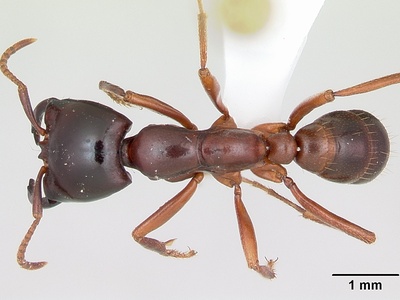
Driver ant
Mass-foraging army ants that sweep through grasslands and woodlands in huge columns. Workers are small but numerous; they control insect and small vertebrate populations and are a dramatic, important predator and scavenger in savanna food webs.
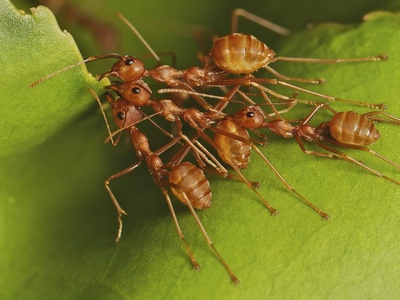
Weaver ant
Arboreal, colony-building ants that stitch leaves into living nests using larval silk. Common in savanna trees, they are fierce predators of insects and valued by farmers as natural pest controllers and pollinator allies.
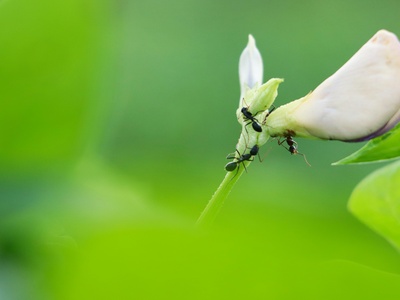
Harvester ant
Seed-collecting ants that build noticeable nest mounds; workers carry and store seeds underground. They influence plant community structure, scatter seeds, and are key prey for many birds, reptiles and mammals in savanna ecosystems.
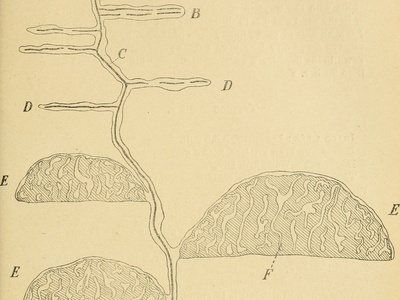
Fungus-growing termite
Large mound-building termites that cultivate fungus gardens on chewed plant material. Their enormous mounds ventilate soil, recycle nutrients, and create habitat heterogeneity — essential ecosystem engineers of many African savannas.
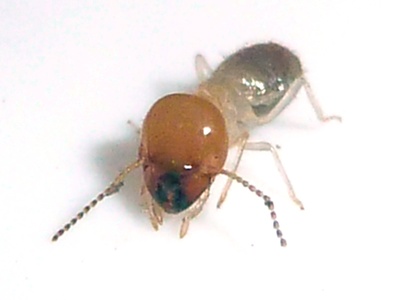
Fungus-growing termite (Odontotermes)
Smaller fungus-farming termites that construct nests and chambers for cultivating fungal food. They rapidly decompose plant litter, alter soil fertility, and support rich predator communities including ants and birds.
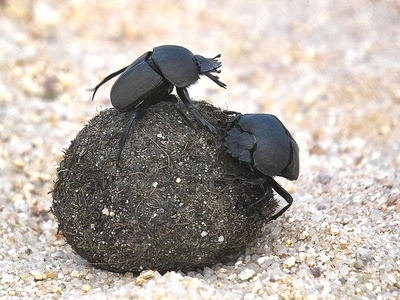
Dung beetle (roller)
Dung-rolling beetles that bury dung balls for breeding. They recycle nutrients, reduce parasites for grazing mammals, and shape soil aeration. Often encountered near large herbivores across savanna landscapes.
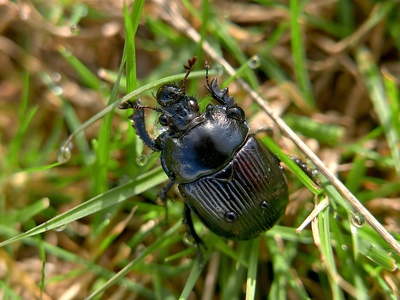
Dung beetle (tunneller)
Small to medium beetles that tunnel under dung to lay eggs. Onthophagus species are extremely diverse in savannas, crucial for nutrient cycling, seed burial, and reducing disease spread around livestock and wildlife.

Dung beetle (large coprine)
Robust beetles that bury large dung pats to rear young. Copris are important recyclers in grazed savannas, often active at night and respected for their strength and soil-turning activities.
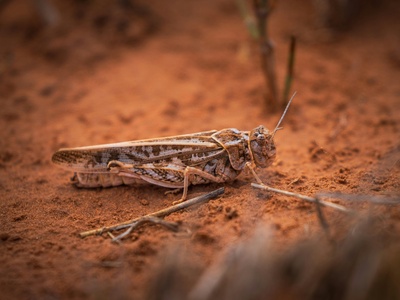
Desert locust
Highly mobile grasshopper that can form devastating swarms during outbreaks. Inherent to dry savanna and grassland systems, locusts influence plant community dynamics and human livelihoods during population explosions.
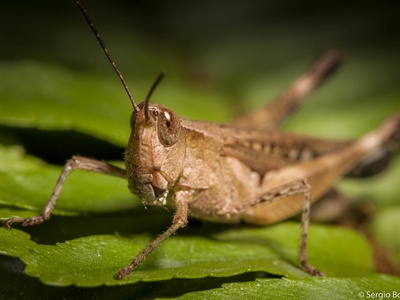
Migratory locust
A common grasshopper species that breeds in grasslands and open woodland. When abundant, it can form migrating bands or swarms, consuming vast vegetation and altering grazing resources for wildlife and livestock.
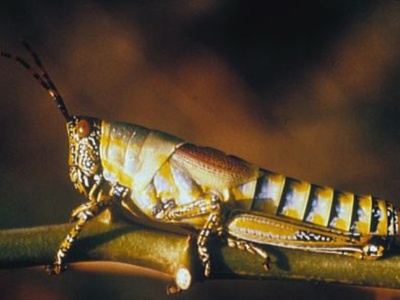
Variegated grasshopper
A colourful, conspicuous grasshopper often found on herbaceous plants. It feeds on crops and wild vegetation, important as prey for birds and reptiles and occasionally an agricultural pest.
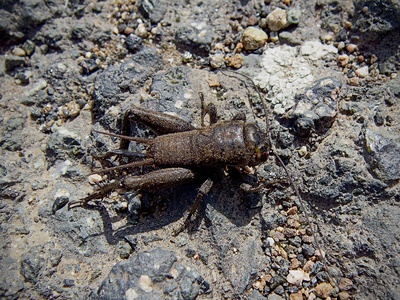
Field cricket
Robust nocturnal crickets that sing at night from grass tussocks and mound tops. They recycle plant material, are important prey for small mammals and birds, and their calling is a familiar savanna sound after dusk.
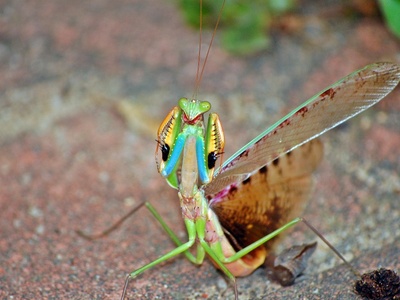
African mantis
Large, adaptable praying mantis often perched on grasses and shrubs waiting for prey. A voracious predator of insects and small vertebrates, it plays a key role in controlling herbivorous insect populations.
Praying mantis (broad group)
Mantids are ambush predators common in savanna foliage and grasses. They help regulate insect populations, are recognizable by their raptorial forelegs, and are fascinating to watch when hunting or mating.
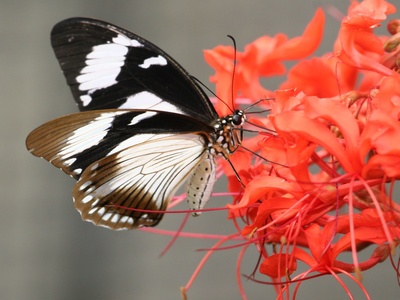
African swallowtail
A striking swallowtail butterfly known for its female polymorphism and mimicry of distasteful species. Common in savanna mosaics, it pollinates flowers and is a favorite subject for naturalists and photographers.
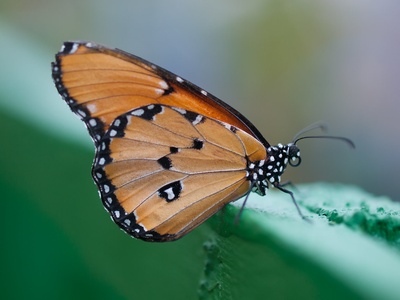
Plain tiger butterfly
A bright, distasteful milkweed feeder familiar in open savanna. Its bold colours warn predators, and adults are important pollinators while larvae help regulate milkweed populations.
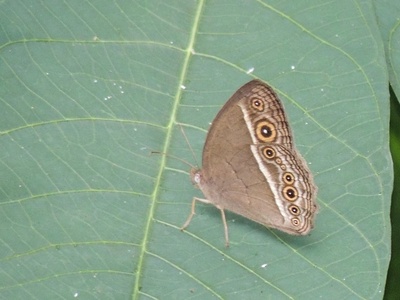
Bush brown butterfly
A small brown butterfly found in grassy and wooded savanna patches. Notable for seasonal wing-pattern changes; it serves as prey for birds and is a model species in ecological and evolutionary studies.
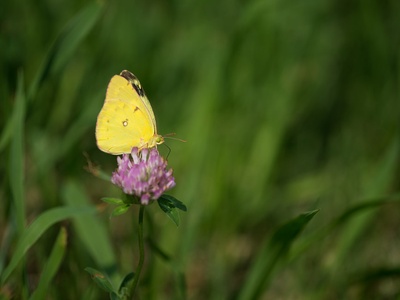
Grass yellow
A small, bright yellow butterfly that flits over grasses and flowers. Common in disturbed and natural savanna, it pollinates wildflowers and is easily observed on sunny days.
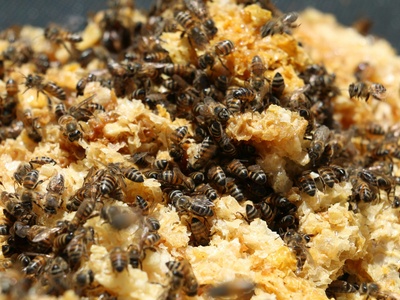
African honeybee
The wild and managed African honeybee is an efficient pollinator of savanna plants and crops. These colonies build combs in tree cavities and are critical for plant reproduction and local beekeeping livelihoods.
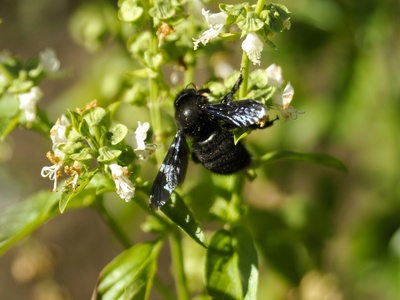
Carpenter bee
Large solitary bees that bore nests in dead wood or stems. Powerful pollinators of many savanna trees and shrubs, they are often seen visiting large flowers in daylight.
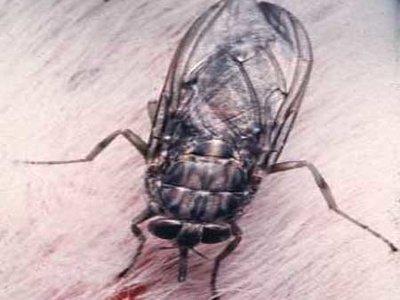
Tsetse fly
Blood-feeding flies that transmit trypanosomes causing sleeping sickness in humans and nagana in livestock. Their ecology is tied to savanna mammals; they strongly influence grazing patterns and human settlement in affected areas.
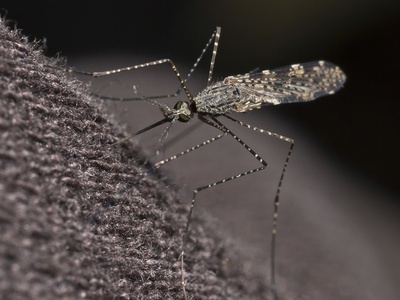
Anopheline mosquito
Primary malaria vectors that breed in sunlit temporary pools common after rains. While concentrated near water, they are regular and impactful inhabitants of savanna environments where they affect human and animal health.
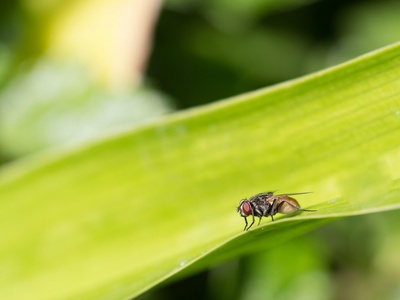
Stable fly
Biting flies that feed on blood of mammals, abundant around cattle and wildlife. They cause irritation and blood loss in livestock, reducing productivity, and are a common pest in grazed savanna systems.
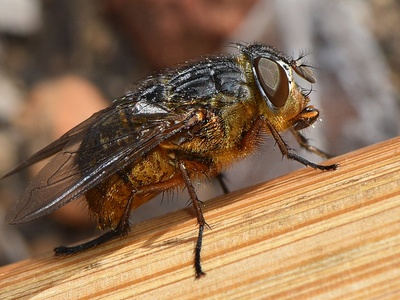
Blowfly
Fast-developing scavenger flies often first to arrive at carcasses. They recycle nutrients, assist in decomposition, and are used in forensic studies; their larvae are key food for many predators.
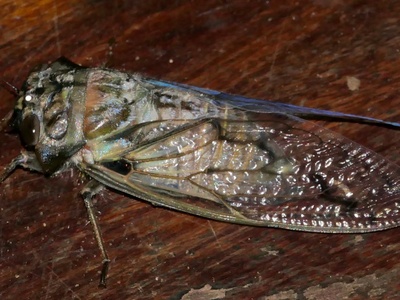
Savanna cicada
Loud-singing insects that emerge seasonally, their chorus marks hot savanna days. Adults feed on plant sap; nymphs develop underground feeding on roots. Cicada emergence supports predators and signals seasonal rhythms.
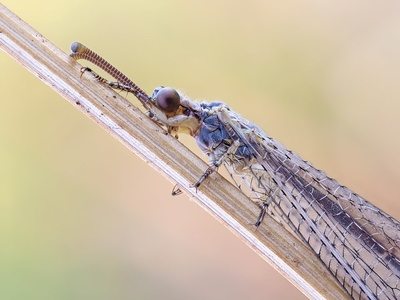
Antlion
Larvae dig conical pits in loose sand to trap ants; adults resemble dragonflies but are nocturnal. Antlions regulate ant populations and are a classic part of savanna arthropod life around dry sandy spots.
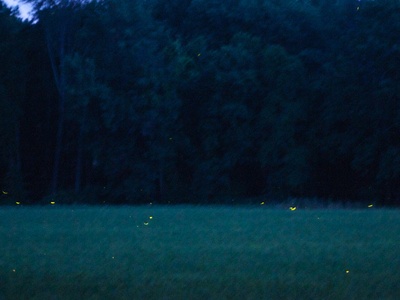
Firefly (lightning bug)
Bioluminescent beetles that produce flashes for mating displays at dusk. Fireflies add a magical glow to some savanna nights, signaling healthy grassland habitats and supporting cultural traditions in rural communities.
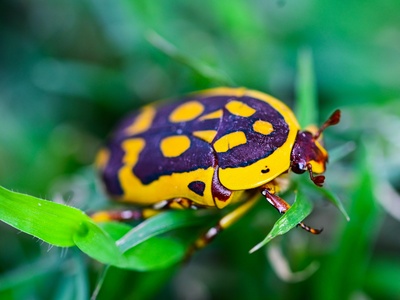
Fruit chafer (Green June beetle)
Attractive metallic beetles that feed on fruit and sap; larvae live in decaying wood or soil. They contribute to decomposition and are commonly seen visiting ripe fruits and flowers in savannas.
Grasshopper-biter wasp (mud dauber group)
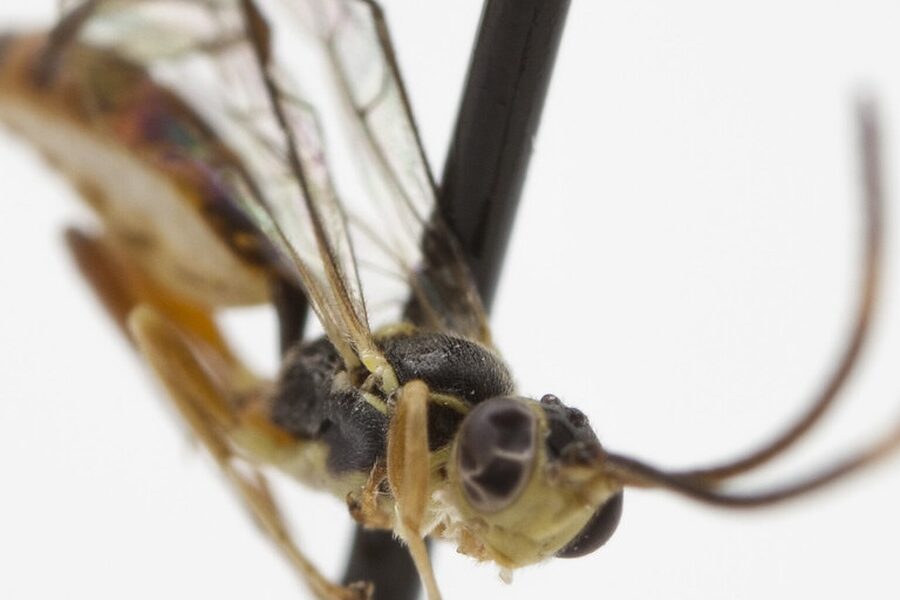
Solitary wasps that hunt grasshoppers and provision nests for larvae. They help control herbivorous insects and are often seen carrying paralyzed prey back to burrows or mud nests near savanna homes.
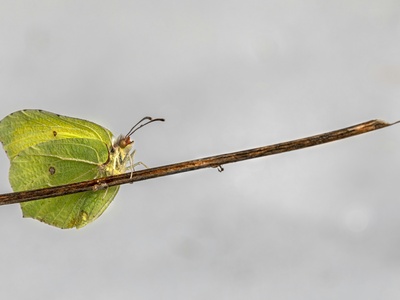
Leaf-footed bug (sap feeder)
Sap-feeding bugs with expanded hind tibiae in some species, common on shrubs and crops. They can be minor pests but also form part of the food chain, feeding on seeds and plant juices across savanna landscapes.
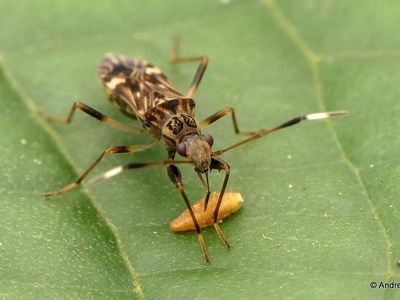
Seed bug (Rhyparochromidae)
Small seed-eating bugs that forage on fallen seeds and plant debris. They influence seed survival and are common ground-dwelling insects in grazed and ungrazed savanna ecosystems.