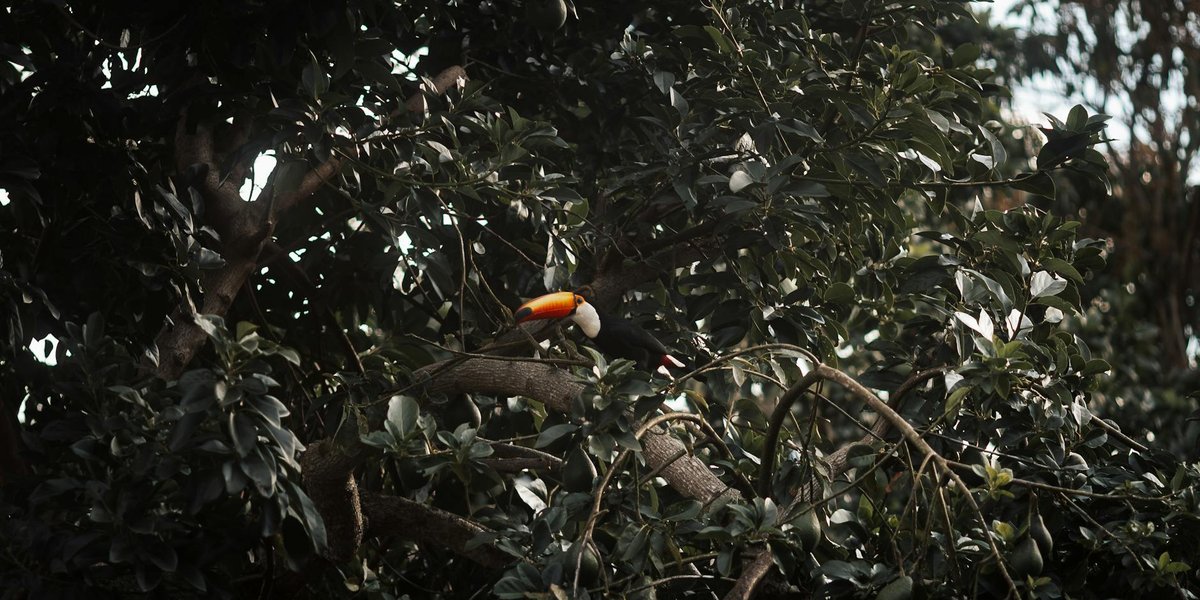
Toucans mainly eat fruit, but their toucan diet is more flexible than most people expect. They’re omnivores, which means they also snack on insects, small lizards, eggs, and the occasional tiny bird or rodent when the opportunity shows up. Fruit is the star of the show. The rest is basically the side quest.
Table of contents
- TL;DR
- What do toucans eat?
- Toucan diet in the wild
- What do toucans eat besides fruit?
- How toucans eat with that giant beak
- Captive toucan diet
- Toucan diet by species and season
TL;DR
Toucans eat mostly fruit, especially soft, ripe fruit from tropical trees. They also eat insects and other small animal prey when they can get it. In zoos and captivity, they’re usually fed a carefully balanced mix of fruit, pellets, and protein sources so they don’t end up with nutritional problems.
What do toucans eat?
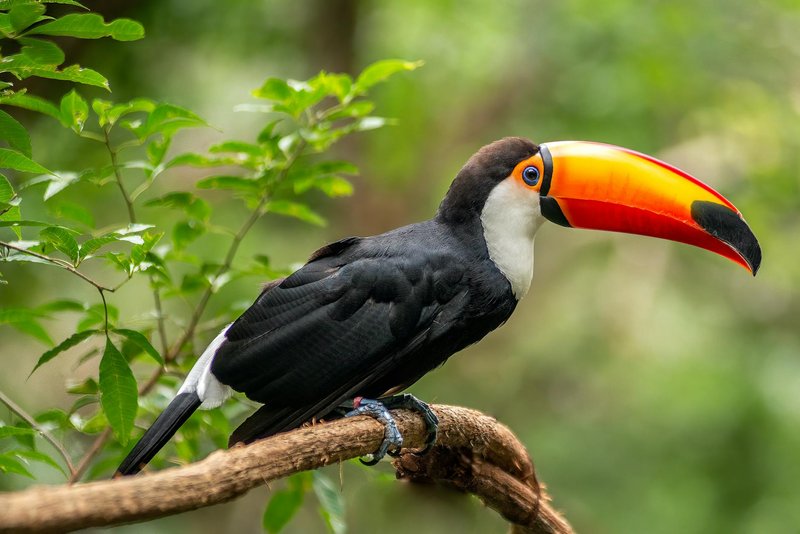
In the wild, toucans eat a lot of fruit because it’s easy to find in the rainforest canopy and simple for them to handle with that oversized bill. Fig, palm fruit, berries, and other soft fruits are all common parts of the diet.
But toucans are not strict fruit purists. They’re opportunistic feeders, which is a fancy way of saying they’ll eat what’s available if it fits in their beak and doesn’t bite back too hard.
A typical toucan menu can include:
- Fruit
- Berries
- Seeds
- Insects
- Small lizards
- Eggs
- Nestlings
- Tiny frogs
- Small rodents, occasionally
Fruit gives toucans quick energy, while the animal matter adds protein. That mix is part of what makes them omnivores rather than fruit-only specialists.
Toucan diet in the wild

In the wild, toucans spend a lot of time moving through the upper forest layers, where fruiting trees are easiest to reach. They often forage in pairs or small groups and may follow seasonal fruit availability from tree to tree.
Their diet changes with the habitat and time of year. In a fruit-rich season, they’ll eat mostly fruit. When fruit is scarcer, they’re more likely to take insects, eggs, and other small prey. That flexibility helps them survive in tropical forests where food can be abundant one month and annoyingly inconsistent the next.
Toucans also play an important ecological role. When they eat fruit, they don’t always digest the seeds. Some of those seeds get dropped far from the parent tree, which helps spread plant species through the forest. For a bird with a face that looks like a cartoon prop, they’re surprisingly useful.
What do toucans eat besides fruit?
This is the part people usually ask about, because fruit alone sounds almost too polite for a bird with a bill like that.
Toucans do eat things besides fruit, especially:
Insects
Beetles, caterpillars, and other insects are a common protein source. Small arthropods are easy prey compared with bigger animals, and they’re often available in the canopy.
Eggs and chicks
Some toucans raid nests when they get the chance. They may eat eggs or young birds, especially if those nests are easy to reach.
Small reptiles and amphibians
Lizards and tiny frogs can also show up on the menu. Not every toucan species does this equally often, but it’s absolutely within their range.
Small mammals
This is less common, but some toucans will eat very small rodents if they can catch them.
So yes, toucans eat fruit. But no, they’re not harmless little smoothie birds.
How toucans eat with that giant beak
The toucan bill looks heavy, but it’s mostly lightweight bone with a keratin shell, so they can move it more easily than it seems. They usually pluck food with the tip of the bill, then toss it back into the mouth. It’s a bit theatrical, which feels appropriate.
That huge beak helps in a few ways:
- It lets them reach fruit on thin branches without climbing awkwardly.
- It helps them pluck and manipulate food.
- It gives them access to fruit and prey other birds might struggle to handle.
- It may help with heat regulation, since the bill can release body heat.
So the beak isn’t just decoration. It’s a very weird, very effective tool.
Captive toucan diet
A captive toucan diet is more controlled than what they eat in the wild. Zoos and licensed caretakers usually feed toucans a mix designed to avoid too much sugar and too little protein.
A healthy captive diet often includes:
- Specialized bird pellets
- Limited fruit
- Vegetables in some cases
- Insects or protein supplements
- Clean water at all times
The big mistake in captivity is giving too much fruit and not enough balance. Toucans can develop health problems if their diet is all sweet, soft food with no real nutritional structure. They may look like fruit goblins, but they still need a proper feeding plan.
Pet toucans are not low-maintenance birds, and their diet needs expert guidance. If someone is feeding one at home, they should be following avian veterinary advice, not internet guesses and a bowl of bananas.
Toucan diet by species and season
Different toucan species don’t all eat exactly the same thing. Larger species may take a wider range of prey, while smaller or more fruit-focused species may lean harder on plant foods.
Season matters too. In a fruit-heavy season, toucans may eat almost nothing but fruit for a while. During leaner periods, they broaden the menu. That seasonal flexibility is a big reason they do so well in tropical forests with patchy food supplies.
So if you’ve ever wondered why one toucan article says “fruit only” and another says “omnivore,” both are half right. Fruit is the main answer. Omnivore is the fuller one.
Summary
The simplest answer to what toucans eat is this: mostly fruit, plus insects and other small animal prey when available. Their toucan diet shifts with species, season, and habitat, but fruit is always the main event.
They’re built for life in the canopy, where ripe fruit is common and a big beak comes in handy. That beak isn’t just for show — it helps them reach food, handle it, and make the whole business look more dramatic than it needs to be.