TL;DR
Wildcats mostly eat small, easy-to-catch prey. For the African wildcat diet, that usually means rodents, birds, lizards, insects, and occasionally small hares or other tiny mammals. They’re stealthy, mostly nocturnal hunters, so they rely on surprise rather than speed.
If you want the short version: wildcats are built for mice, not for dramatic takedowns of antelope. Their menu changes a bit by habitat, but the basics stay the same.
Table of contents
- What do wildcats eat?
- African wildcat diet: the main prey
- How diet changes by habitat and season
- How wildcats hunt
- Wildcats vs domestic cats
- Quick diet comparison table
What do wildcats eat?
Wildcats are opportunistic carnivores, which is a polite way of saying they eat whatever small prey they can catch without making a mess of it. Their diet centers on animals that fit into a cat’s hunting style: quiet, quick, and usually small enough to be dragged off without much fuss.
Across different wildcat populations, the menu usually includes:
- Rodents such as mice, rats, voles, and gerbils
- Small birds and nestlings
- Reptiles like lizards and small snakes
- Insects and other invertebrates
- Small mammals such as hares or young rabbits in some regions
They don’t browse for plants the way deer do, and they’re not scavengers by nature. A wildcat prefers fresh prey it can ambush, grab, and finish quickly.
According to the IUCN Red List, wildcat species are adapted to hunting small vertebrates, and that lines up with how felids generally feed in the wild: bite, subdue, eat, move on.
African wildcat diet: the main prey
The African wildcat diet is especially centered on desert and savanna prey. These cats live in places where food can be sparse, so they make the most of whatever small animals are abundant in the area.
Their core prey list usually looks like this:
- Mice and other rodents — the bread and butter of wildcat meals
- Ground-dwelling birds — especially chicks, eggs, and unwary adults
- Lizards — common in warmer, drier habitats
- Insects — beetles, grasshoppers, and similar prey when small animals are harder to find
- Hares and small rabbits — not always, but definitely on the table when available
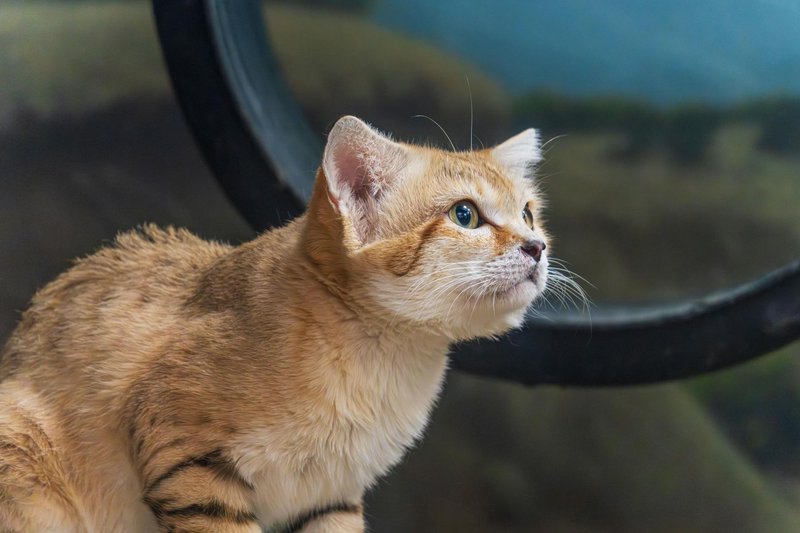
In open or semi-arid habitat, rodents often make up the biggest share of the diet because they’re abundant, active at dusk and night, and exactly the kind of prey that a stalking cat can use its strengths on. In more vegetated areas, birds and reptiles become more common.
One reason the African wildcat has done so well is that it doesn’t need a fancy prey base. It’s flexible. If the mouse population dips, it can switch to lizards or insects instead of throwing a tantrum and moving house.
How diet changes by habitat and season
Wildcats don’t have one fixed menu. They eat what the landscape offers.
In dry, open areas, rodents and reptiles tend to dominate because those animals are easier to find in low cover. In grasslands and scrub, birds and small mammals become more available. In places with stronger seasonal swings, the diet shifts with prey abundance. After rains, insects may boom. When small mammals breed, young rodents and nestlings are easier pickings.
That flexibility matters. A cat that depends on one prey type is in trouble the moment that prey crashes. Wildcats avoid that problem by being generalists with good reflexes.
Research on small felids and carnivore diet patterns, including studies indexed through PubMed, consistently shows that prey availability strongly shapes what predators eat. Wildcats are no exception. They’re not picky. They’re practical.
How wildcats hunt
Wildcats are usually crepuscular and nocturnal, which means they’re most active around dawn, dusk, and at night. That’s prime time for rodents, and it gives the cat a better chance to stay hidden.
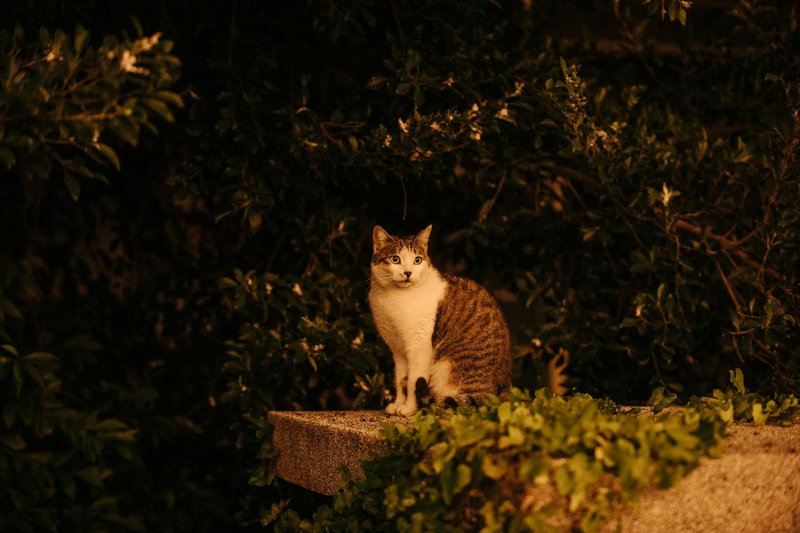
Their hunting style is classic cat strategy:
- Listen and watch for movement.
- Stalk close using cover.
- Sprint a short distance.
- Grab with the front paws and deliver a killing bite.
They don’t chase prey for long. Long pursuits waste energy, and energy matters when your dinner is a 30-gram mouse that can vanish into a hole.
Wildcats also hunt alone. No teamwork, no pack tactics, no elaborate drama. Just patience and timing.
Wildcats vs domestic cats
The African wildcat is closely related to the domestic cat, and the two overlap a lot in diet. Both are hunters of small animals. Both will happily take rodents and birds if they get the chance.
The difference is less about the type of prey and more about the context:
- Wildcats rely on wild prey in natural habitats.
- Domestic cats often catch similar animals near farms, villages, and settlements.
- Domestic cats may also be fed by humans, which changes their hunting behavior and reduces how much they need to catch on their own.
If you’ve ever seen a house cat bring home a mouse like it paid rent, you’ve already met the basic wildcat playbook. The wild version just does it without the couch.
Quick diet comparison table
| Category | Typical prey |
|---|---|
| Rodents | Mice, rats, voles, gerbils |
| Birds | Small birds, chicks, eggs |
| Reptiles | Lizards, small snakes |
| Invertebrates | Insects, beetles, grasshoppers |
| Small mammals | Hares, young rabbits |
Conclusion
So, what do wildcats eat? Mostly small prey: rodents, birds, reptiles, insects, and the occasional hare or rabbit-sized snack. The African wildcat diet is especially flexible, which helps it survive across dry grasslands, scrub, and semi-arid habitat where food can be patchy.
If there’s one thing to remember, it’s this: wildcats are not big-game hunters. They’re efficient little ambush predators with a menu built around whatever small creature makes the mistake of moving at the wrong time.