Big colorful flowers are the garden equivalent of turning the volume knob until it clicks. They don’t just fill space — they announce themselves. Some bloom huge, some glow like they’ve been photoshopped by nature, and some do both while asking for surprisingly little in return.
If you want flowers that make a bed, border, or container look instantly more alive, start here. These are the kinds of plants that give you size, color, and a little bit of swagger.
Quick take
- For the biggest wow factor: sunflowers, dahlias, hibiscus, and peonies
- For bright, easy seasonal color: zinnias, marigolds, cosmos, geraniums
- For long-lasting borders: coneflowers, black-eyed Susans, and lilies
- For tropical drama: bird of paradise and canna lilies
Table of contents
- 1. Sunflower
- 2. Dahlia
- 3. Hibiscus
- 4. Peony
- 5. Canna Lily
- 6. Zinnia
- 7. Marigold
- 8. Cosmos
- 9. Oriental Lily
- 10. Bird of Paradise
- 11. Coneflower
- 12. Black-Eyed Susan
- 13. Geranium
- 14. Chrysanthemum
- 15. Gladiolus
- Growing tips for bigger, brighter blooms
1. Sunflower
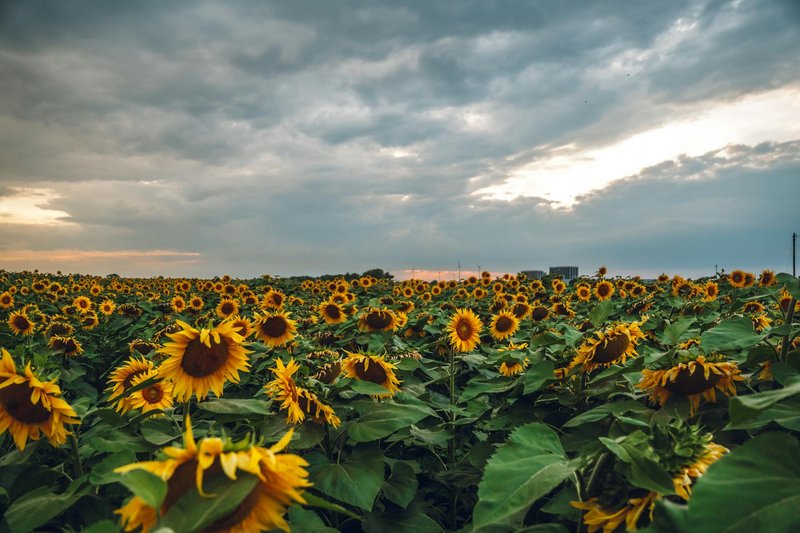
Sunflowers are the obvious giant here, but for good reason. A single bloom can reach 12 inches across in some varieties, and the color range goes far beyond the classic yellow face. You’ll find deep red, orange, bronze, and even pale creamy shades.
They want full sun, decent soil, and enough room to stand up without turning into a teenage metaphor. Tall types can hit 6 to 12 feet, so they work best at the back of a border or along a fence.
2. Dahlia
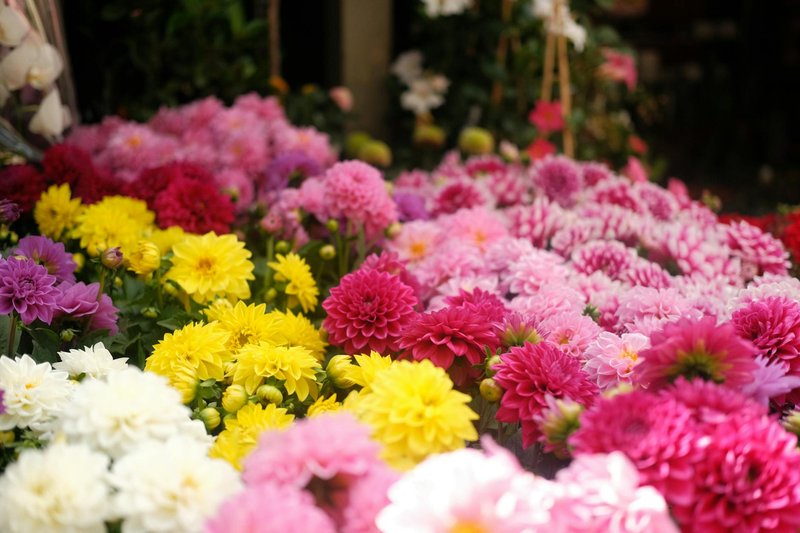
Dahlias are what happens when flowers decide subtlety is overrated. They come in nearly every color except true blue, and the bloom shapes range from neat little pompons to dinner-plate giants that can top 10 inches wide.
They’re tuber-grown perennials in warm climates and lifted for winter in colder ones. Give them full sun and steady watering, and they’ll keep producing until frost. They’re also one of the best choices for cut flowers because the blooms are so full and dramatic.
According to the Royal Horticultural Society, dahlias are prized for their long flowering season and wide range of forms.
3. Hibiscus
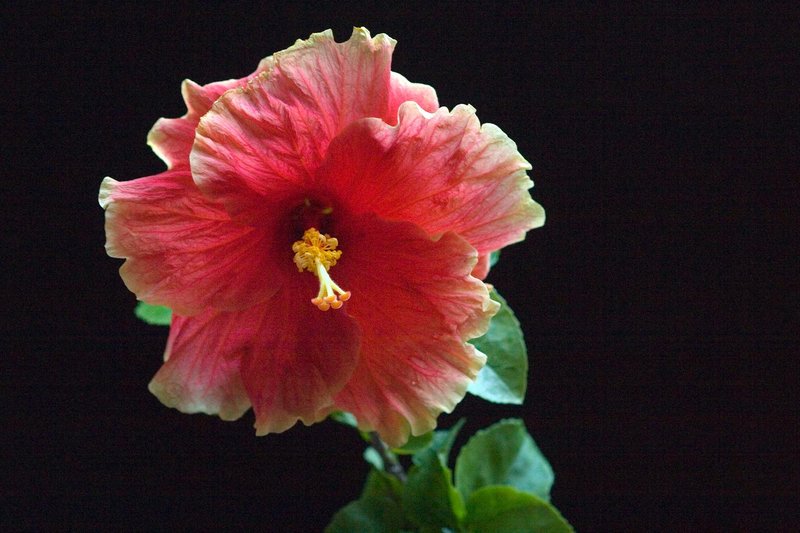
Hibiscus brings tropical energy without asking for a passport. The flowers are huge, often 6 to 8 inches across, with colors like scarlet, coral, peach, yellow, and pink. Each bloom only lasts a day or two, but the plant keeps making more.
Tropical hibiscus likes warmth and sun. Hardy hibiscus, a different but related group, survives colder climates and can produce truly massive blooms. If your garden needs a “look at me” plant, this is one of the loudest.
4. Peony
Peonies are old-fashioned in the best way. Their flowers are big, layered, and often heavily scented, with shades of blush, white, red, and deep pink. Some varieties produce blooms the size of a salad plate.
They prefer cool winters and well-drained soil, and once established, they can live for decades with very little drama. The catch? They bloom for a short window in late spring. But when they show up, they don’t mess around.
5. Canna Lily
Canna lilies are all tropical foliage and bright, upright blooms. The flowers are usually red, orange, or yellow, and the leaves can be green, bronze, or striped. That combo makes them a favorite for bold garden design.
They grow fast in warm weather and love full sun. In many climates, they’re used as seasonal bedding plants, but in frost-free areas they can come back year after year.
6. Zinnia
Zinnias are the easygoing overachievers of the flower world. They bloom in nearly every bright color except blue, and the flowers can be simple, double, or cactus-shaped. They’re especially good if you want a lot of color without a lot of fuss.
They thrive in full sun and don’t mind heat. Once they get going, they keep blooming hard until fall. That makes them a top pick for beginners, pollinator gardens, and anyone who wants cheerful color fast.
7. Marigold
Marigolds are compact, durable, and loud in the best way. Their colors run from golden yellow to deep orange and russet, and the blossoms can stay neat for weeks. French marigolds are smaller and bushier, while African marigolds tend to have larger blooms.
They like full sun and regular deadheading. They’re also common in vegetable gardens because their bright flowers are easy to tuck between tomatoes, peppers, and herbs.
8. Cosmos
Cosmos are light, airy, and incredibly generous with blooms. Their flowers are usually pink, white, magenta, or deep cranberry, and the feathery foliage gives them a softer look than many other colorful flowers.
They don’t need rich soil. In fact, too much fertility can make them floppy. Give them sun, average soil, and a bit of space, and they’ll bloom for months with almost no complaint.
9. Oriental Lily
Oriental lilies bring big color and serious fragrance. The flowers are large, often 6 to 8 inches wide, with strong pinks, whites, reds, and speckled patterns. They’re a favorite for bouquets because they look expensive even when they aren’t.
They do best in full sun to part shade with cool roots and well-drained soil. The scent can be intense, especially indoors, so maybe don’t put a vase of them right next to your pillow unless you like your sleep aromatic.
10. Bird of Paradise
Bird of paradise looks like a tropical bird frozen mid-flight, which is exactly why people love it. The blooms combine orange, blue, and sometimes white in a shape that’s unmistakable.
It thrives in warm climates and needs plenty of sun to flower well. In colder regions, it’s grown as a houseplant or greenhouse specimen. The flowers are less about mass blooming and more about one striking, sculptural statement.
11. Coneflower
Coneflowers are sturdy, colorful, and excellent for pollinators. The classic purple form is well known, but modern varieties also come in red, orange, yellow, white, and hot pink.
They handle heat and drought better than many showier flowers. Their petals are narrower than peonies or dahlias, but the bold central cone gives them a strong visual punch. Bees and butterflies are regular visitors.
According to USDA plant profiles, echinacea species are widely adapted across North America and are commonly used in ornamental plantings.
12. Black-Eyed Susan
Black-eyed Susans are the reliable sunshine of the border. Their yellow petals and dark centers are simple, but the effect is bright and cheerful, especially in groups.
They’re low-maintenance, long-blooming, and tolerant of a lot of garden conditions. If you need a flower that fills a space with color and doesn’t require a weekly pep talk, this is a strong pick.
13. Geranium
Geraniums are classic container plants for a reason. Their rounded flower clusters come in red, pink, coral, salmon, and white, and they bloom steadily with enough sun and regular watering.
They do especially well in pots, window boxes, and hanging baskets. The flowers aren’t huge individually, but the color is dense and persistent, which gives them plenty of visual weight.
14. Chrysanthemum
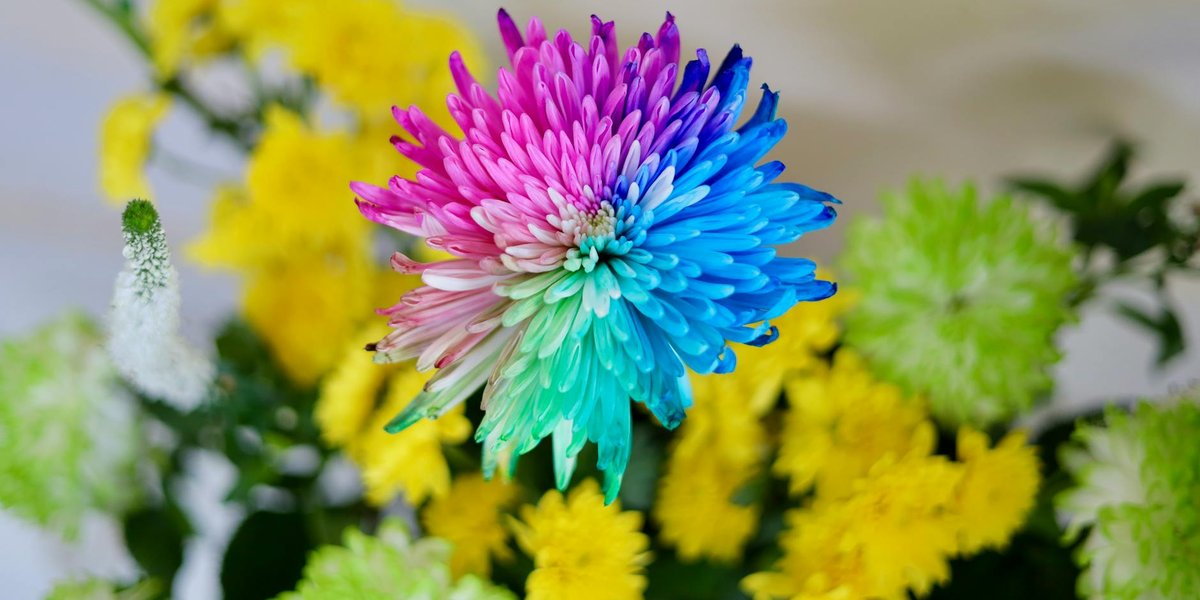
Mums bring deep autumn color in shades of gold, bronze, burgundy, purple, and white. The flower heads can be tight and pompon-like or large and shaggy, depending on the variety.
They’re one of the best plants for extending garden color into fall. Pinching them back in early summer usually makes them bushier and encourages more blooms later on.
15. Gladiolus
Gladiolus flowers rise in tall spikes packed with color. The blooms open from the bottom up, which means one stem can hold a whole vertical run of pink, orange, red, yellow, or white flowers.
They’re dramatic in borders and excellent for cut arrangements. Plant the corms in staggered batches if you want flowers over a longer period instead of one giant floral show and then silence.
Growing tips for bigger, brighter blooms
Big colorful flowers usually want the same basic things: sun, space, and decent soil. The details matter, though.
- Give them enough light. Most of the best bloomers want at least 6 hours of sun.
- Don’t overfeed with nitrogen. Too much leaf growth, fewer flowers. Classic rookie move.
-
Deadhead regularly. Removing spent blooms tells many plants to keep producing. To fill in gaps and keep the bed looking lush, consider adding ground-cover plants.
-
Water deeply, not constantly. Shallow watering makes weak roots.
- Match the plant to the climate. Tropical beauties look amazing until the first frost eats them for breakfast.
For general guidance on planting in the right season and hardiness zone, the American Horticultural Society’s plant hardiness map is a useful place to start.
Final thoughts
The best big colorful flowers aren’t just the biggest blooms on the block. They’re the ones that fit your space, your sun exposure, and how much work you actually want to do. Dahlias and peonies bring the drama. Zinnias and marigolds bring fast, easy color. Sunflowers and hibiscus bring pure visual noise, in a good way.
If your goal is a garden that looks alive from across the yard, start with a few of these big colorful flowers and let them do the heavy lifting. If you’re especially drawn to bold red blooms, check out The Complete List of Big Red Flowers.