TL;DR
Boreal forest plants are built for the hard stuff: cold winters, short summers, acidic soil, and not much nutrient to go around. The headline species are conifers like spruce, pine, fir, and larch, but the real character of the biome comes from the understory — dwarf shrubs, sedges, mosses, lichens, and a few stubborn wildflowers that make the most of a brief growing season.
Fire, snow, poor soils, and permafrost shape what survives here. So do region and moisture. A wet bog in Canada looks very different from a dry pine stand in Siberia, even though both sit inside the same broad taiga belt.
Table of contents
- What is the boreal forest?
- Boreal forest plant layers
- Common boreal forest plants
- How boreal plants survive
- Regional differences in North America and Eurasia
- Why boreal plants matter
What is the boreal forest?
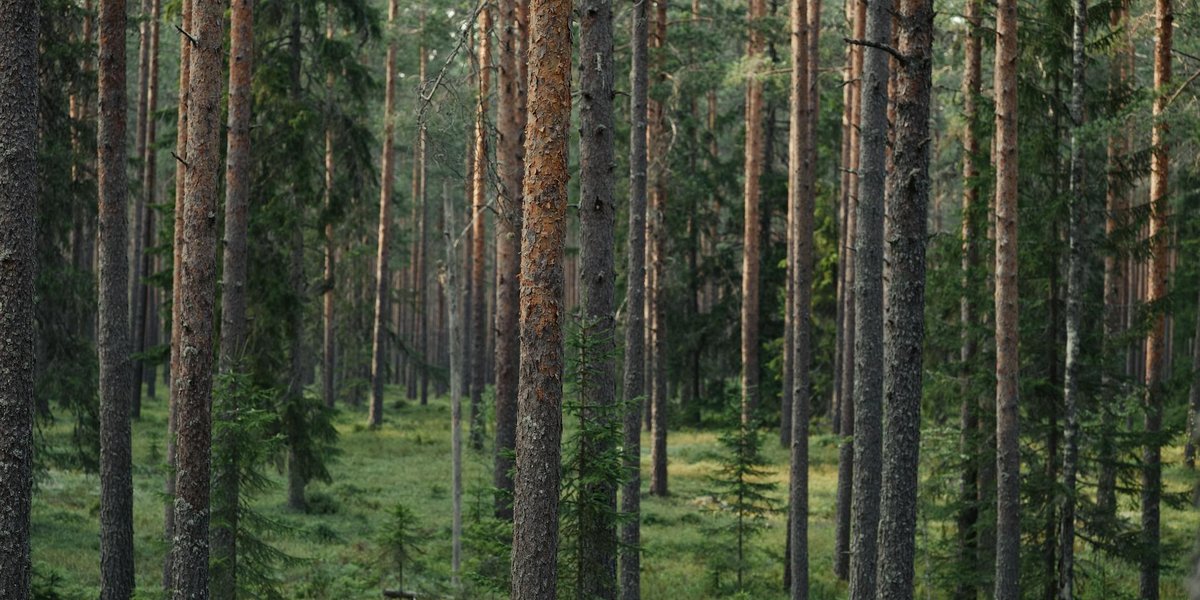
The boreal forest, also called the taiga, is the huge conifer-dominated belt that circles the far north of North America, Europe, and Asia. It sits below the tundra and above the temperate forests, and it’s one of the largest terrestrial biomes on Earth.
The climate is the whole story here. Winters are long and severe, summers are short, and growing seasons can feel like they were designed by someone in a bad mood. Soils are often thin, acidic, and low in nutrients. In many places, especially where permafrost or poor drainage is involved, water hangs around near the surface instead of soaking away.
That means boreal forest plants don’t compete the way plants do in richer forests. They’re not racing for lush growth. They’re surviving with efficiency.
Boreal forest plant layers
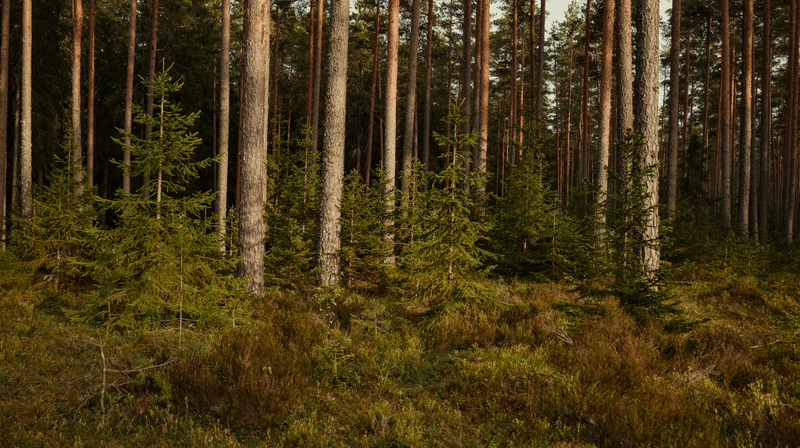
The boreal forest is easiest to understand as a stack of plant layers, not just a list of species.
Canopy: conifer trees
The upper layer is usually dominated by evergreen conifers. Needles are a smart tradeoff in the cold because they reduce water loss and can stay on the tree for several years. That saves the tree from spending energy on brand-new leaves every spring.
Common boreal canopy trees include:
- Black spruce (Picea mariana) in North America, especially on wet, cold ground
- White spruce (Picea glauca) across much of Canada and Alaska
- Norway spruce (Picea abies) in parts of Eurasia
- Scots pine (Pinus sylvestris) across Europe and Asia
- Jack pine (Pinus banksiana) in drier, fire-prone parts of North America
- Balsam fir (Abies balsamea) in eastern North America
- Siberian larch (Larix sibirica) and related larches in Eurasia
Larch is a bit of an oddball because it’s a conifer that drops its needles in winter. That’s not a flaw. It’s an adaptation to brutally cold conditions and frozen ground.
Understory: shrubs and small woody plants
Below the trees, you’ll often find a tangle of shrubs and dwarf shrubs. This layer can be surprisingly productive in summer, especially in openings after fire or windthrow.
Typical boreal understory plants include:
- Blueberries (Vaccinium spp.)
- Cranberries (Vaccinium oxycoccos and relatives)
- Labrador tea (Rhododendron groenlandicum and close allies)
- Willows (Salix spp.)
- Dwarf birch (Betula nana)
- Alder (Alnus spp.), especially in wetter or disturbed sites
These plants stay low to the ground, where snow cover gives them insulation and wind damage is less severe.
Herb layer: wildflowers, sedges, and grasses
The herb layer is patchier than in temperate forests, but it matters. In sunny openings, along streams, and in post-fire areas, you can find:
- Fireweed (Chamerion angustifolium)
- Bog rosemary (Andromeda polifolia)
- Sedges (Carex spp.)
- Cotton grass (Eriophorum spp.)
- Orchids in some boggy or rich microsites
- Horsetails (Equisetum spp.)
Fireweed is a classic boreal comeback plant. It shows up fast after disturbance, especially after fire, and helps mark early succession in the forest.
Ground layer: mosses and lichens
This is where the boreal forest really shows off. In many places, mosses and lichens cover the forest floor more than any flowering plant does.
Important groups include:
- Sphagnum mosses in bogs and wet, acidic ground
- Feather mosses in spruce forests
- Reindeer lichens (Cladonia spp.)
- Cup lichens and other Cladonia species on dry, open ground and burned sites
Mosses and lichens are not just decoration. They help regulate moisture, shape soil chemistry, and provide winter forage for animals. In tundra-border regions, reindeer and caribou rely heavily on lichens. For a broader look at arctic fruits found across boreal coasts and tundra, see Arctic Fruits.
Common boreal forest plants
Here’s a quick reference table of some of the most familiar boreal species and what they’re doing there.
| Plant | Type | Where it grows best | Why it survives |
|---|---|---|---|
| Black spruce | Conifer tree | Wet, cold, acidic soils | Shallow roots and tolerance for poor drainage |
| White spruce | Conifer tree | Upland and mixed forests | Flexible habitat range, cold hardiness |
| Scots pine | Conifer tree | Dry, sandy, open stands | Fire tolerance and drought resistance |
| Jack pine | Conifer tree | Dry, burned landscapes | Serotinous cones release seeds after fire |
| Siberian larch | Conifer tree | Cold Eurasian forests | Deciduous needles reduce winter stress |
| Dwarf birch | Shrub | Tundra edge and peatlands | Low growth form, snow protection |
| Blueberry | Shrub | Forest understory | Tolerates acidic soils and shade |
| Fireweed | Herb | Disturbed ground and clearcuts | Fast colonizer, quick seed production |
| Cotton grass | Sedge-like plant | Bogs and wet peatlands | Thrives in waterlogged, nutrient-poor soil |
| Sphagnum moss | Moss | Bogs and wetlands | Holds water, acidifies its own habitat |
| Reindeer lichen | Lichen | Dry forest floor and open ground | Slow-growing, hardy, frost-tolerant |
A lot of boreal plants are specialists in bad conditions. That’s the trick. The winners are the ones that can handle cold, shade, acid, fire, or waterlogging without needing rich soil to do it.
How boreal plants survive
Cold tolerance
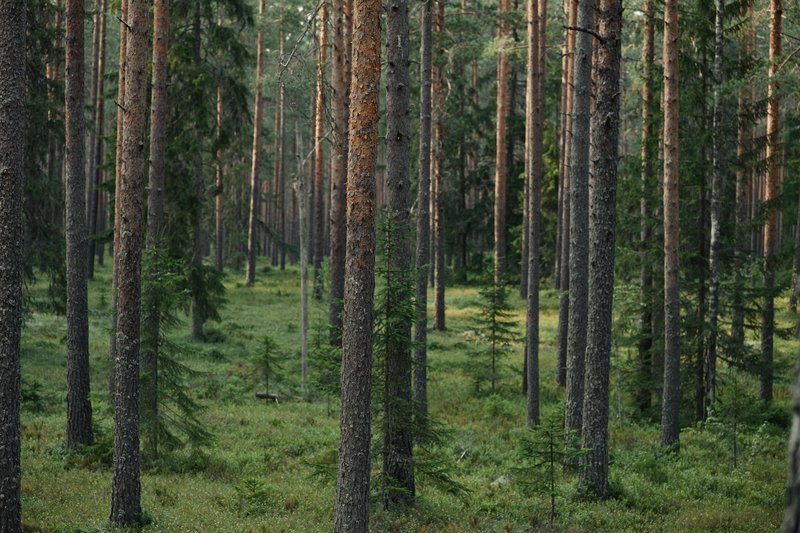
Boreal plants have to deal with freezing temperatures for much of the year. Evergreen needles, waxy coatings, compact growth, and dormant buds all help reduce damage from frost and desiccation.
Snow is a major ally. It insulates low-growing plants and shrubs, which is why many boreal species stay close to the ground instead of reaching upward all season.
Nutrient-poor soils
Boreal soils are often slow to decompose because cold temperatures delay microbial activity. That means nutrients get recycled slowly. Plants that thrive here tend to conserve resources, grow slowly, or form partnerships with fungi.
Mycorrhizal fungi are a big deal in the boreal forest. They help trees and shrubs access nutrients that would otherwise be locked away in the soil. If you want the deep ecological version, the USDA Forest Service has solid background on forest soil and nutrient cycling.
Fire adaptation
Fire is part of the boreal system, not an accident. Some plants are built to come back after it. Jack pine is famous for cones that open with heat, and many herbaceous species rebound quickly in the nutrient flush that follows a burn.
That’s one reason post-fire boreal landscapes can look almost botanical-chaotic for a while. Shrubs, herbs, and young trees pile in fast.
Waterlogged ground and permafrost
In some boreal regions, especially near the northern edge, frozen ground blocks drainage. This creates bogs, peatlands, and muskeg — all places where oxygen is limited and roots have to cope with soggy conditions.
Sphagnum moss is a master of this environment. It doesn’t just tolerate bogs; it helps create them. Over time, it acidifies the water and slows decomposition, building peat layer by layer. For a closer look at peatland ecology, IUCN has useful conservation context on northern wetlands and carbon storage.
Regional differences in North America and Eurasia
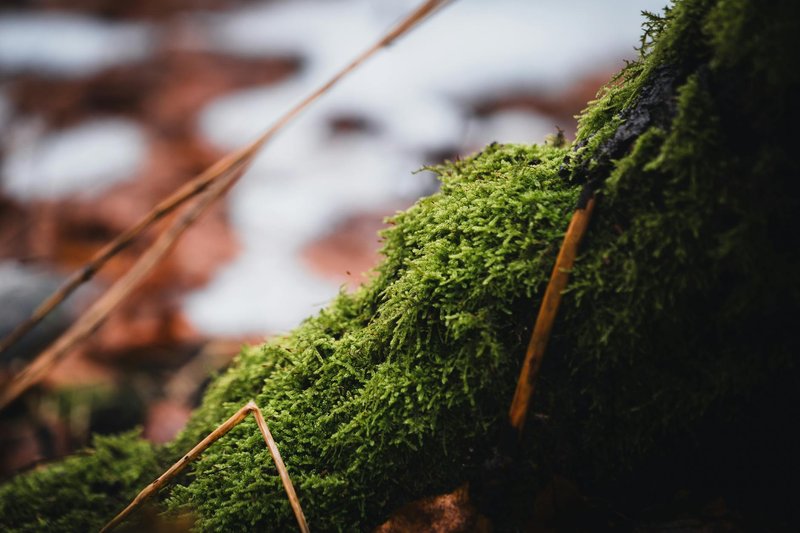
The boreal forest isn’t one single plant community. Region matters.
In North America, the boreal forest often features black spruce, white spruce, balsam fir, jack pine, tamarack in wetter zones, and a strong understory of blueberries, feather mosses, and lichens. Poorly drained areas can be almost carpeted in sphagnum.
In Eurasia, the taiga stretches across an even larger landmass, and larch becomes especially important in colder continental interiors. Scots pine and Norway spruce are common in many regions, with vast mossy forest floors and large peatlands in the north.
Local soil and moisture can flip the species mix quickly. A dry upland ridge might carry pine and lichen, while a low hollow a few hundred meters away is all spruce, moss, and standing water. For a concise look at boreal organisms in another European region, see 8 Examples of the Boreal Fauna of Estonia.
Why boreal plants matter
Boreal forest plants do more than define a landscape. They hold together one of the planet’s biggest carbon stores, feed wildlife, and shape how fires, water, and nutrients move through northern ecosystems.
They also support animals that depend on seasonal plant abundance. Moose browse willow and birch. Caribou graze lichens in winter. Birds nest in shrubs and spruce. Insects time their life cycles to the brief summer boom.
And because the boreal biome stores so much carbon in soil and peat, changes to its plant communities matter far beyond the forest itself. Climate warming, more frequent fire, drainage changes, and insect outbreaks can all shift which plants dominate. That’s not a small tweak. It changes the whole system.
Summary
Boreal forest plants are a study in survival under pressure. The canopy is usually coniferous, the understory leans shrubby and low, and the ground layer belongs to mosses and lichens. Add short summers, acidic soil, fire, and frozen ground, and you get a plant community that is less lush than temperate forests but far more specialized than it first looks.
If you want to understand the boreal forest, start with the plants. They tell you everything about the climate, the soil, and the relentless logic of life in the north.