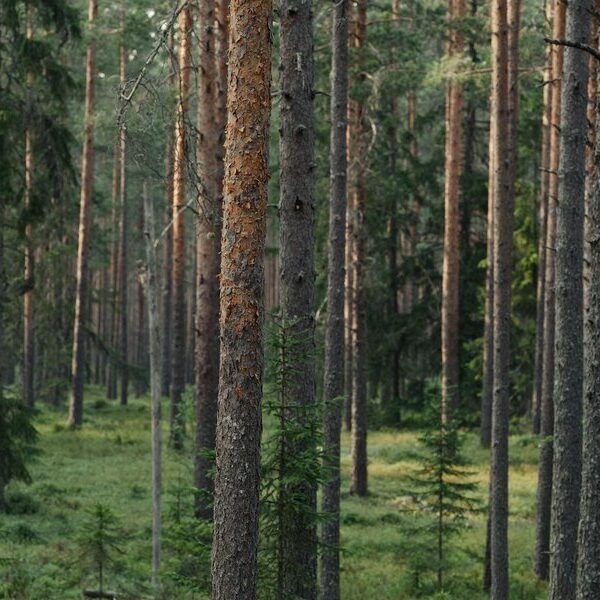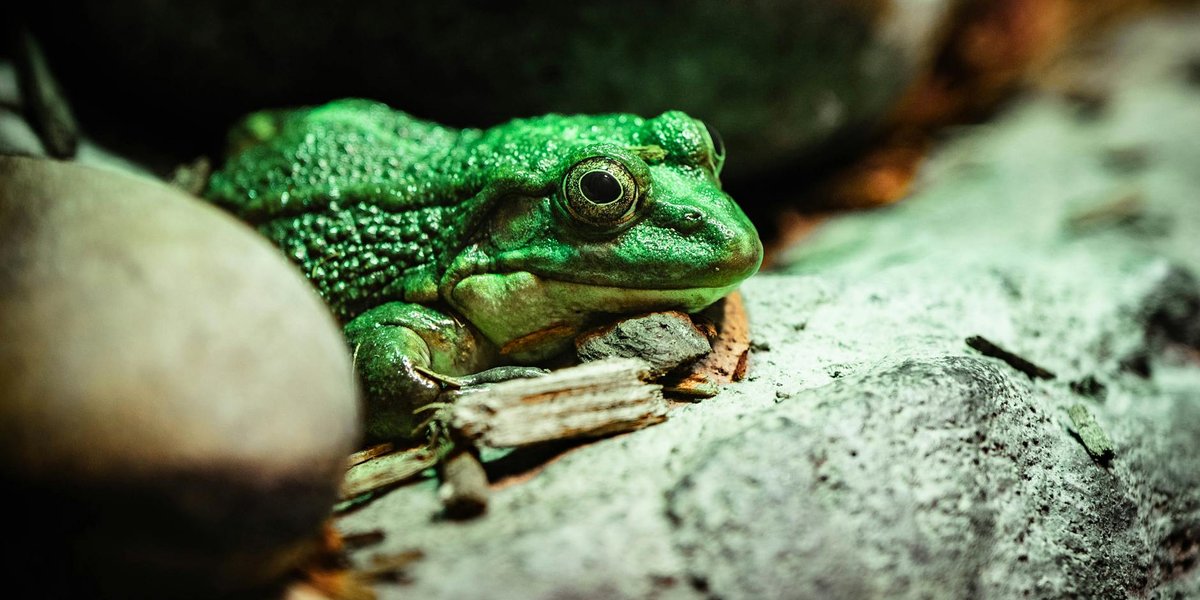
El Salvador is small on the map and pretty serious about amphibians. The country sits in Central America’s wet-to-dry corridor, where cloud forests, pine-oak woodlands, coffee farms, lowland forests, and seasonally flooded areas all support different frogs, toads, and salamanders. For a place with such a compact land area, the variety is not shabby at all.
A lot of readers search for amphibians of El Salvador because they want one thing: a clean, usable overview. Not a taxonomic rabbit hole. Not a wall of Latin names with no context. So this guide keeps the focus where it belongs — on the species groups you’re most likely to encounter, the habitats they use, and the conservation problems that matter on the ground.
Table of contents
- TLDR
- Amphibians of El Salvador by group
- Where amphibians live in El Salvador
- Why so many species are under pressure
- Endemic and threatened species
- How to observe amphibians responsibly
- Summary
TLDR
El Salvador’s amphibians are a mix of frogs, toads, and salamanders shaped by mountain forests, coffee-growing landscapes, and rainy-season wetlands. The richest diversity is tied to cooler, wetter elevations in the west and north, while lowland habitats support more open-country frogs and toads. The bad news: habitat loss, pollution, and chytrid fungus have hit Central American amphibians hard, and several Salvadoran species are threatened or highly localized. If you want the short version, El Salvador’s amphibians are diverse, ecologically important, and in need of serious conservation attention.
Amphibians of El Salvador by group
The country’s amphibian fauna is dominated by frogs and toads, with a smaller but important salamander component in wetter highland areas. Caecilians are not a major part of most casual field checklists here, so the practical focus is on anurans and salamanders.
Frogs
Frogs are the most visible amphibians in El Salvador, especially after rain. Many breed in temporary ponds, stream edges, ditches, and small pools that form quickly during the wet season.
Commonly discussed frog groups in El Salvador include:
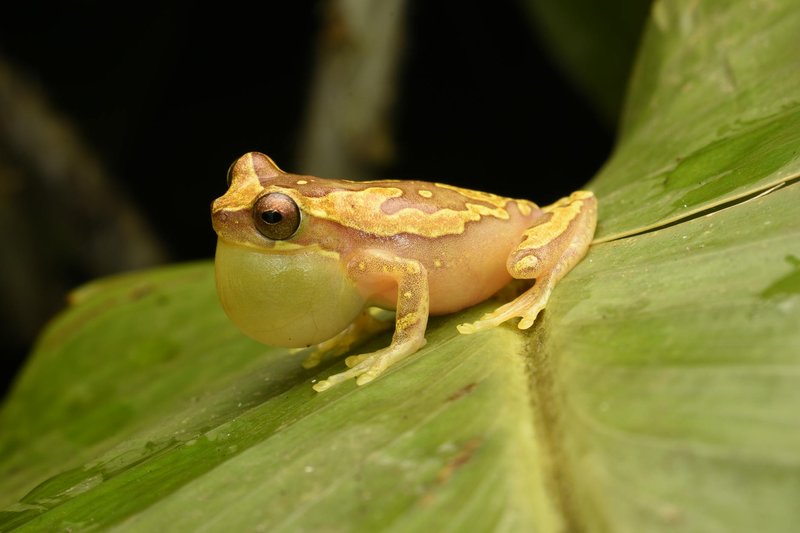
- Treefrogs in the family Hylidae, often calling from vegetation near water.
- Rain frogs and litter frogs, many of them small, secretive, and active at night.
- Marsupial frogs in wetter forests, where females carry eggs or young in specialized dorsal pouches.
- Leptodactylid frogs, which often use ground-level habitats and temporary water.
Some species that are regularly associated with El Salvador in regional field references include Smilisca baudinii (Baudin’s treefrog), Dendropsophus microcephalus (the small-headed treefrog), Tlalocohyla loquax (the yellow treefrog), and Lithobates species in wetter lowland or upland waters. Distribution can vary a lot by watershed and elevation, so local records matter more than broad country-level checklists.
Toads
Toads tend to show up in open areas, agricultural edges, and disturbed habitats as well as natural wetlands. They are the amphibians most likely to tolerate human-altered landscapes, which is one reason people notice them first.
In El Salvador, toad diversity includes familiar Central American forms such as:
- Incilius species, a group of true toads found across varied elevations.
- Rhinella species, which are often sturdy, warty, and adaptable.
These animals are not just “common toads.” They are part of the country’s insect control system, eating beetles, ants, moths, and a lot of other small creatures that would otherwise have a field day.
Salamanders
Salamanders are the real conservation drama queens of the story, because many depend on cool, moist upland forest and are far less forgiving of habitat change than most frogs. El Salvador’s salamanders are concentrated in higher-elevation habitats, especially where cloud forest remnants still persist.
Regional herpetology references and biodiversity resources, including The Reptile Database and IUCN Red List species accounts, document Salvadoran salamanders from genera such as Bolitoglossa. These lungless salamanders breathe through their skin and mouth lining, which makes humidity non-negotiable. Dry conditions are bad news fast.
A few salamanders historically associated with the country are narrow-range species tied to specific mountain systems. That means a single forest patch can matter a great deal.
For a broader view of El Salvador’s native fauna, see List of El Salvador’s Native Animals.
Where amphibians live in El Salvador
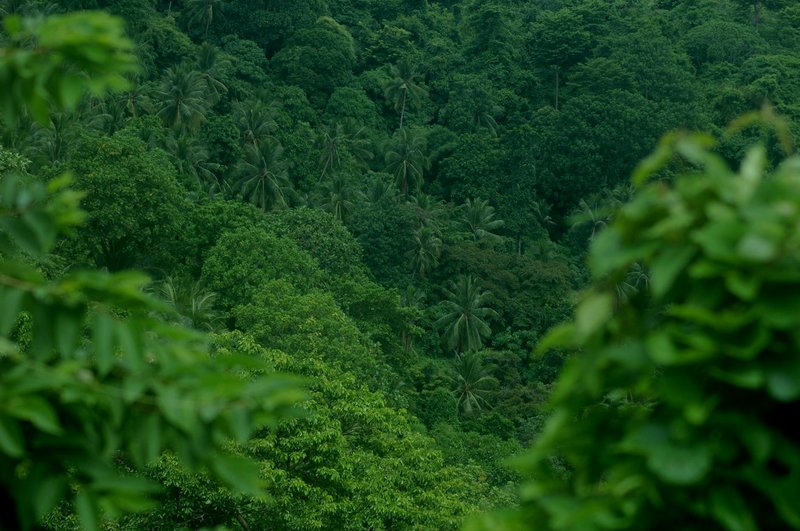
El Salvador’s amphibians are not spread evenly across the country. Elevation and moisture do most of the sorting.
Lowland forests and agricultural edges
Warm lowland areas support frogs that can handle heat, seasonal drying, and open habitat. Drainage ditches, pasture ponds, cacao and coffee edges, and secondary growth often hold more amphibian activity than people expect. Night rain is the cue.
Mid-elevation coffee landscapes
Coffee farms, especially shaded ones, can function as a surprising middle ground for amphibians. They are not replacements for intact forest, but when shade trees and leaf litter remain, frogs and small salamanders can persist. The structure matters more than the crop.
Cloud forest and cool uplands
This is where El Salvador’s most sensitive amphibians tend to live. Moist montane habitats support salamanders, stream-breeding frogs, and other species that need stable humidity and cooler temperatures. A good reference point for montane amphibian ecology in Central America is the broader scientific literature on chytrid impacts and high-elevation declines, summarized in sources such as Nature and the USGS Amphibian Research and Monitoring Initiative.
Seasonal wetlands and stream margins
The wet season turns temporary water into breeding habitat. Many frogs time reproduction to these short-lived pools because they reduce fish predation and can appear almost overnight after heavy rain. Then they disappear again. Amphibians are annoyingly good at making life look simple.
Why so many species are under pressure
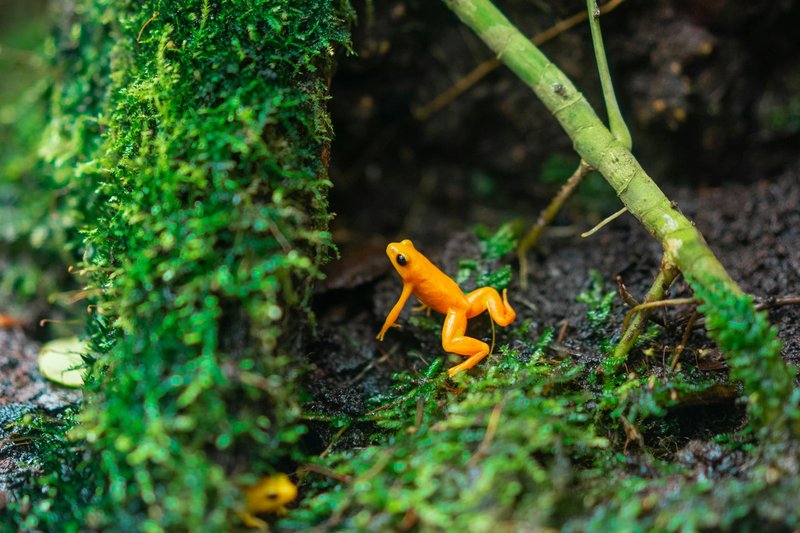
The main threats to amphibians in El Salvador line up with the rest of Central America, but the effects are intensified by the country’s small size and high human land use.
Habitat loss and fragmentation
Forest clearing for agriculture, urban growth, roads, and development breaks habitat into smaller pieces. For frogs and salamanders that move only short distances, a road can be a wall. For stream-breeders, sedimentation and water contamination can alter breeding sites fast.
Chytrid fungus
The amphibian-killing chytrid fungus, Batrachochytrium dendrobatidis, has caused major declines across the region. High-elevation salamanders and frogs are often the most vulnerable. The science is clear enough that it’s no longer a “maybe” threat. It’s a documented one, and the IUCN and multiple academic studies have treated it as a major driver of decline in Central American amphibians.
Climate stress
Warmer temperatures and shifting rainfall patterns can compress the moist habitat amphibians need. Salamanders are especially sensitive because they rely on cool, humid conditions and have limited tolerance for drying out. Even small changes in cloud formation or dry-season length can matter.
Pollution and chemicals
Runoff from farms and urban areas can affect breeding pools, streams, and wet soils. Amphibian skin is thin and permeable, which is great for breathing and terrible for dealing with contaminated water.
Endemic and threatened species
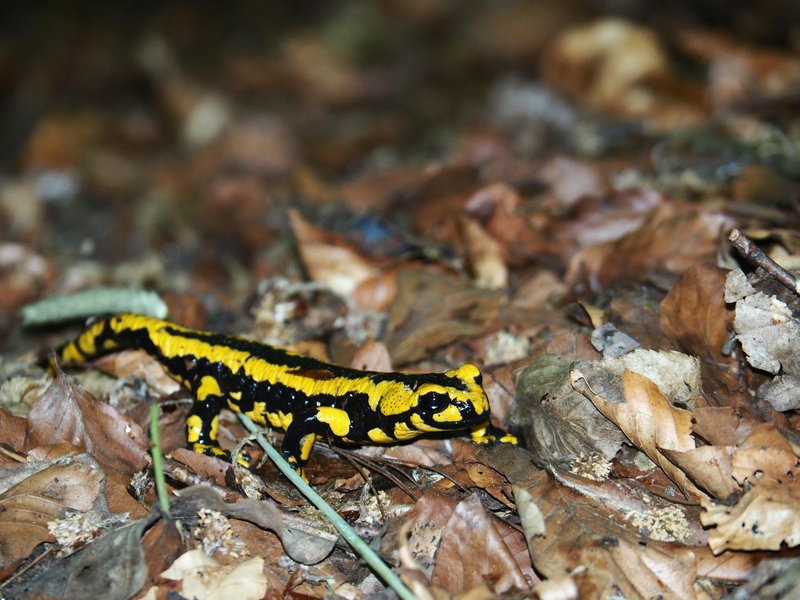
Some amphibians in El Salvador have very restricted ranges, which is the polite scientific way of saying “they live here and not much else.” Endemism raises the stakes immediately. If a species occurs in only one mountain range or a handful of forest fragments, it can be knocked back by a single bad season, a fire, or a land-use change.
According to conservation assessments in the IUCN Red List and regional biodiversity databases, several Salvadoran amphibians are listed as vulnerable, endangered, or critically endangered Endangered species in El Salvador, especially among salamanders and montane frogs. The exact status changes as new surveys and taxonomic revisions come in, but the pattern stays the same: highland specialists are at the greatest risk.
A practical takeaway for readers:
- Widespread frogs and toads tend to cope better with disturbance.
- Montane frogs and salamanders tend to be the most vulnerable.
- Endemic species are the ones conservationists worry about most because there’s no backup population elsewhere.
That’s why forest fragments in places like the Apaneca-Ilamatepec and other highland systems matter so much. Small patches can hold species that exist almost nowhere else.
How to observe amphibians responsibly
Amphibians are easiest to find at night after rain, but that doesn’t mean they should be handled casually. Their skin absorbs what it touches, including oils, sunscreen, and whatever is on your hands.
A few basic rules go a long way:
- Keep handling to a minimum.
- Wash hands before and after contact, or use clean, damp, chemical-free gloves if appropriate.
- Don’t move animals between sites.
- Stay on trails when possible to avoid trampling microhabitats.
- Avoid using flashlights or lights directly for long periods on the same animal.
If you’re documenting observations, photos and location notes are usually enough. For citizen science, platforms such as iNaturalist can help with identification and data sharing, but careful photos and accurate locality info matter more than a flashy post.
Summary
The amphibians of El Salvador are small in body and big in ecological importance. Frogs, toads, and salamanders use a surprisingly wide range of habitats, from lowland agricultural edges to wet montane forests, but the most specialized species are also the most vulnerable. Habitat loss, chytrid fungus, and climate stress have already taken a toll, especially on highland salamanders and other endemic species.
If you want to understand amphibians of El Salvador, the real story is not just species names. It’s elevation, moisture, forest cover, and how much intact habitat is still left for animals that spend their lives on the edge of drying out.