The phrase boreal forest vegetables gets used for a few different things, which is why search results tend to get messy fast. Some people mean wild edible greens and roots found in the forest. Others mean vegetables that grow well in cold northern climates. A few mean both, because the boreal zone is basically the land of “sure, but only if it can handle frost.”
Here’s the useful version: boreal forests offer a mix of wild edible plants, traditional food species, and cold-hardy cultivated vegetables. Some are true garden crops. Some are foraged. Some have been part of Indigenous food systems for generations. And some are not for beginners unless you enjoy botanical roulette.
Table of contents
- TL;DR
- What counts as a boreal forest vegetable?
- Wild boreal forest vegetables and edible plants
- Vegetables you can grow in boreal and near-boreal climates
- How to forage safely in the boreal forest
- Best beginner-friendly picks
- Final thoughts
TL;DR
If you’re asking what boreal forest vegetables actually are, the short answer is:
- Wild edible greens and shoots: fireweed shoots, fiddleheads, spruce tips, wild leek in some regions
- Roots and tubers: wild carrot relatives and other native edible roots exist, but many are hard to identify safely
- Cold-climate garden vegetables: cabbage, kale, turnips, radishes, potatoes, carrots, beets, peas, and hardy brassicas do well in boreal-adjacent gardens
- Best beginner choices: rhubarb, kale, peas, radishes, turnips, potatoes, and spruce tips for flavoring
Not everything green in the forest is food. Some plants look vaguely edible right before they send you to the emergency room. Start with easy, well-documented species and skip the mystery root.
What counts as a boreal forest vegetable?
This is the part most articles gloss over. “Vegetable” isn’t a strict botanical category here. In boreal regions, people usually mean one of three things:
-
Wild edible plant parts eaten like vegetables
Think shoots, leaves, stems, young fronds, and roots. -
Traditional food plants
These include species used by Indigenous communities for food, medicine, and trade. That context matters, and it shouldn’t be flattened into a trendy foraging list. -
Cultivated vegetables that can survive cold, short seasons
These are the garden workhorses of northern climates.
The boreal forest, or taiga, stretches across large parts of Canada, Alaska, Scandinavia, and Russia. It’s cold, seasonally brutal, and not especially interested in pampering tender vegetables. That’s why the edible plants here tend to be tough, fast-growing, or deeply adapted to the environment.
For a solid overview of the biome itself, the Encyclopaedia Britannica boreal forest entry gives a useful baseline, and the Canadian Encyclopedia’s boreal forest section adds good regional context.
Wild boreal forest vegetables and edible plants
Wild foods in the boreal forest are usually less about big salad greens and more about young growth, seasonal shoots, and a few reliable perennial plants. The window is short. When the forest decides it’s growing season, it means it.
Fireweed shoots
Fireweed is one of the most recognizable northern wild plants. The young shoots are edible early in the season and can be cooked like asparagus or added to stir-fries. Older stems get stringy fast, so timing matters.
Fiddleheads
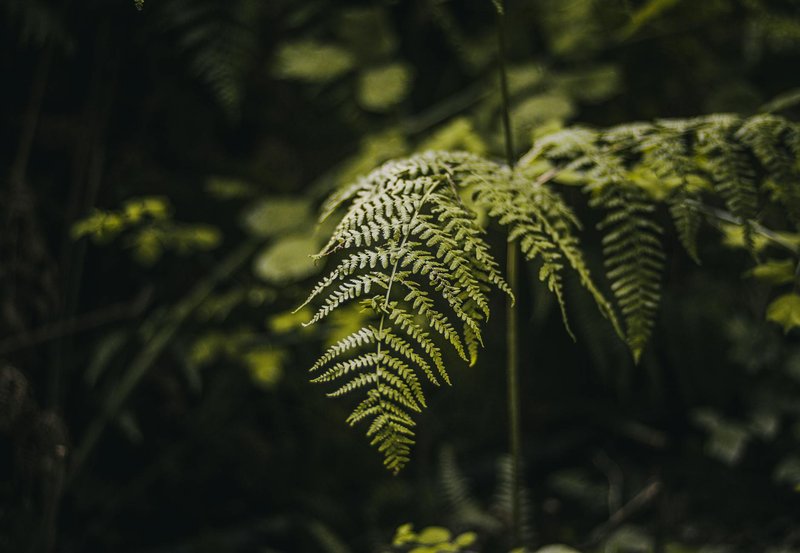
Fiddleheads are the tightly coiled young fronds of certain ferns, especially ostrich fern in some regions. They’re a classic seasonal food in many northern areas. They must be cooked thoroughly. Raw fern fiddleheads are not a casual snack.
Spruce tips
Spruce tips are the soft new growth at the ends of spruce branches. They’re not a vegetable in the usual sense, but they’re widely used as a wild ingredient with a bright, citrusy, resinous flavor. Good in syrups, teas, marinades, and compound butter. Less good if you overdo it and make everything taste like a Christmas tree had a nervous breakdown.
Wild leeks and alliums
In some boreal and near-boreal forests, wild leeks and other native allium species appear in shaded, moist areas. These are prized foods, but identification and local legality matter a lot. In many places, overharvesting is a real problem.
Young nettles
Stinging nettles show up in disturbed, moist ground and can be cooked like spinach. Once blanched, the sting disappears. Nutritionally, they’re a serious plant. Botanically, they’re also a reminder that the forest does not care about your confidence.
Rhubarb
Rhubarb is not wild, but it shows up constantly in northern gardens and homesteads. It’s one of the most dependable cold-climate perennials. The stalks are edible; the leaves are not. The leaves contain high levels of oxalic acid and should never be eaten.
Berry-like plants that aren’t vegetables
You’ll often see blueberries, lingonberries, cloudberries, and cranberries mentioned in boreal food lists. They’re important boreal foods, but they’re fruits, not vegetables. Still worth knowing, because they’re part of the same food landscape.
For broader guidance on wild edible plants, the USDA’s Forest Service edible plants resources are a useful starting point. They won’t replace local field knowledge, but they’re better than guessing.
Vegetables you can grow in boreal and near-boreal climates
If your real goal is gardening in a boreal climate, you want vegetables that handle cool soil, short seasons, and surprise frost. The winners are usually the tough ones.
Leafy greens
- Kale
- Spinach
- Swiss chard
- Lettuce
- Arugula
These mature quickly, and some tolerate light frost. Kale especially earns its keep because it gets better after cool nights.
Brassicas
- Cabbage
- Broccoli
- Cauliflower
- Brussels sprouts
- Turnips
- Kohlrabi
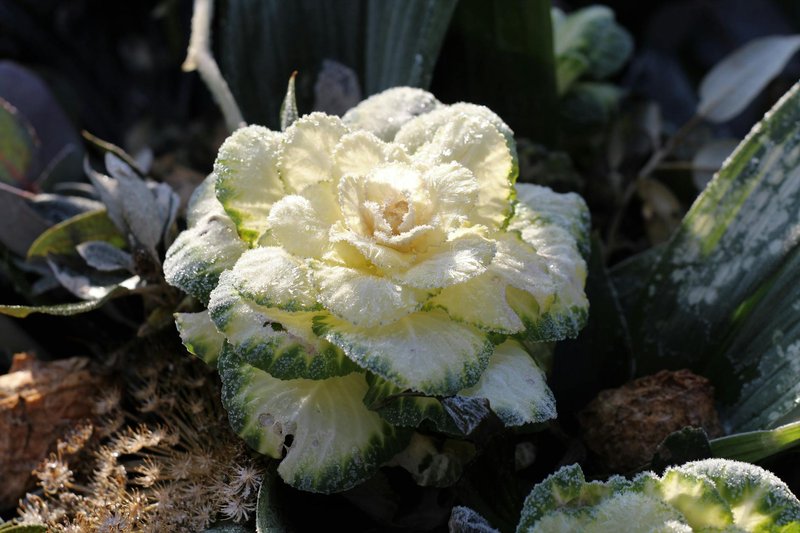
Brassicas are the crown princes of cold-climate gardening. They don’t always love heat, but they tend to cope well with the shoulder seasons that define boreal growing.
Root vegetables
- Carrots
- Beets
- Radishes
- Parsnips
- Potatoes
- Turnips
Roots are reliable because they hide in the soil while the weather throws a tantrum above ground. Potatoes especially have a long history in northern food systems because they store well and tolerate cool conditions.
Peas and beans
- Peas are a standout in short-season gardens.
- Bush beans can work in warmer microclimates, but peas usually behave better in truly cool regions.
Perennial and semi-perennial crops
- Rhubarb
- Asparagus in good sites
- Sorrel in some gardens
These aren’t instant gratification crops. They’re the “plant once, harvest for years” category, which suits northern gardeners who’d rather not redo everything every spring.
For crop timing and hardiness, local extension services are usually the best source. In Canada, provincial agriculture pages are often more practical than generic gardening blogs. The Government of Canada’s agricultural climate and region resources can help you find region-specific guidance.
How to forage safely in the boreal forest
There’s a simple rule here: if you aren’t 100% sure what it is, don’t eat it.
That sounds dramatic, but it’s the right level of caution. The boreal forest has edible species, toxic lookalikes, and plants that are only edible under specific conditions.
Start with these safety basics
- Learn from a local field guide for your exact region.
- Check season, habitat, and plant stage, not just leaf shape.
- Avoid harvesting near roadsides, industrial sites, or sprayed areas.
- Don’t overharvest. Take a small amount, leave plenty behind.
- If a plant has a poisonous lookalike and you’re unsure, walk away.
The National Park Service wild food guidance is a decent general reminder that safe foraging depends on accurate identification and responsible collection. For fungus-heavy regions, the stakes get even higher, but that’s another article.
Indigenous food knowledge matters
A lot of boreal edible plants aren’t “discovered” by modern foragers. They’ve been known, used, and managed by Indigenous peoples for a very long time. Respecting that history means more than name-dropping it in a paragraph. It means acknowledging that local knowledge is specific, lived, and not always something you can get from a glossy guidebook.
Best beginner-friendly picks
If you’re new to boreal forest vegetables, start with the plants that are either easy to identify or easy to grow.
Foragers can start with:
- Spruce tips
- Fireweed shoots
- Nettles, once properly identified and cooked
- Fiddleheads, only if you know the local fern species well
Gardeners can start with:
- Radishes
- Peas
- Kale
- Turnips
- Potatoes
- Rhubarb
These are forgiving. They don’t need perfect conditions, and they give useful results fast enough to keep you interested.
A simple boreal garden strategy
Plant in layers of reliability:
- quick crops first, like radishes and peas
- storage crops next, like carrots and beets
- perennial anchors, like rhubarb, in the margin
That way, even a short growing season gives you something worth harvesting.
Final thoughts
Boreal forest vegetables are less about one neat list and more about a food system shaped by cold, timing, and hardiness. Some of the best foods are wild shoots and greens that show up briefly and disappear. Others are garden vegetables that shrug off frost and keep going when summer barely gets started.
If you’re foraging, focus on safe identification, local knowledge, and respectful harvest. If you’re gardening, favor the tough survivors: brassicas, roots, peas, and perennial crops like rhubarb. And if you’re just curious, remember this much: the boreal forest is not short on edible plants. It’s just very selective about who gets to eat them.