Table of contents
- TL;DR
- What counts as a native plant in Algeria?
- 15 native plants of Algeria
- Why Algeria’s native flora matters
- How to use Algerian natives in gardens and restoration
- Final thoughts
TL;DR
Algeria’s native plants are shaped by a sharp contrast: wet-ish Mediterranean coasts and mountains in the north, then steppe, semi-arid land, and finally the Sahara. The country’s flora includes hardy shrubs, aromatic herbs, drought-tough grasses, and a handful of locally endemic species found nowhere else.
The short version: Algeria’s native plants are not one neat category. They’re a mix of coastal maquis species, Atlas Mountain woodland plants, steppe specialists, and desert edge survivors. If you want a quick mental image, think Aleppo pine, cork oak, wild lavender, esparto grass, and Saharan acacia — plants built for heat, wind, and lean soils.
For conservation-minded readers, the big names to know are the ones tied to habitat loss, grazing pressure, fire, and desertification. For gardeners, the useful lesson is simpler: Algerian natives are often drought-tolerant, pollinator-friendly, and much less fussy than imported ornamentals.
What counts as a native plant in Algeria?
A native plant is a species that occurs naturally in Algeria, without being brought there by humans. That’s different from an endemic plant, which grows naturally in Algeria and nowhere else. Endemics are the local celebrities. Native plants are the broader cast.
Algeria’s geography makes its flora unusually diverse. The north has a Mediterranean climate and rugged mountain systems like the Tell Atlas and Saharan Atlas. Move south and rainfall drops fast. The plant list changes with it. That’s why a species thriving near the coast might be uselessly out of place on the desert margin.
Botanical references like the World Flora Online and regional biodiversity work from conservation groups such as IUCN are useful starting points if you want to go beyond common names and into distribution, status, and taxonomy.
15 native plants of Algeria
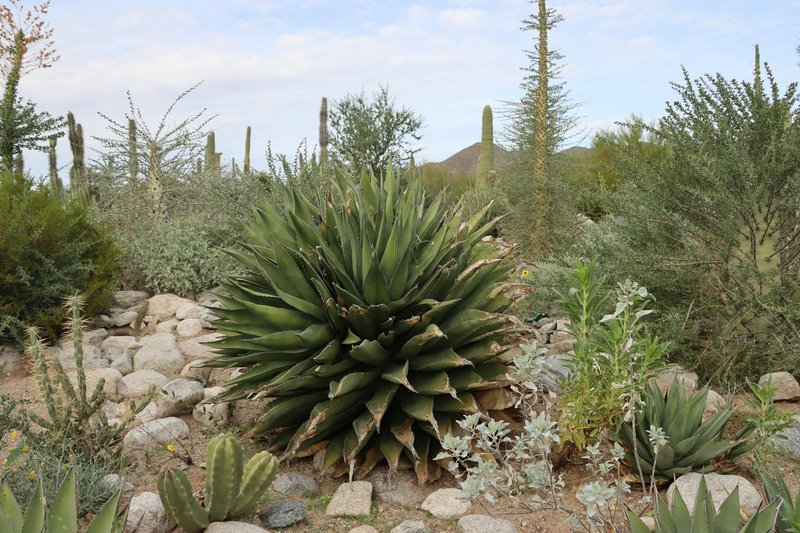
1. Aleppo pine (Pinus halepensis)
Aleppo pine is one of the signature trees of Mediterranean North Africa, including northern Algeria. It handles dry summers, rocky soils, and fire-prone landscapes better than most conifers. You’ll see it in forest patches and degraded slopes where tougher species have taken over.
It’s not a delicate tree. It’s the sort that survives by being stubborn.
2. Cork oak (Quercus suber)
Cork oak grows in moister parts of northern Algeria, especially in Mediterranean woodlands. Its thick bark is the obvious feature, but ecologically it matters because it supports insects, birds, and a layered understory.
Cork oak forests are among the more vulnerable habitats in the region, especially where land conversion and repeated disturbance break them up.
3. Holm oak (Quercus ilex)
Holm oak is another evergreen oak of the north. It tolerates drought once established and tends to anchor scrubby woodland and mixed forest areas. Its hard, leathery leaves are classic Mediterranean plant engineering: small surface area, less water loss, no drama.
4. Lentisk (Pistacia lentiscus)
Lentisk is a tough evergreen shrub of maquis and garrigue habitats. It grows in dense thickets and handles wind, salt, and dry conditions with impressive indifference. Its resinous leaves and branching habit make it a familiar part of coastal and hillside scrub.
5. Wild olive (Olea europaea subsp. sylvestris)
This is the wild form of the olive, native to parts of the Mediterranean basin and present in Algeria’s natural flora. It’s smaller and scruffier than cultivated olives, but botanically important because it represents the wild genetic reservoir behind one of the world’s most economically important trees.
6. Aleppo oak (Quercus canariensis and related regional oak woodlands)
Northern Algeria supports a mix of oak species and oak-dominated woodlands, including humid or semi-humid forest types. Regional oak flora can be messy in the best taxonomic sense — the old books do not always agree, and local treatment can vary — but the key point is that oak woodland is a real and important part of Algeria’s native vegetation.
For a broader taxonomic reference, the Kew Science Plants of the World Online database is a reliable place to check accepted names.
7. Rosemary (Salvia rosmarinus)
Rosemary is one of the most recognizable aromatic shrubs in Mediterranean habitats. In Algeria, it grows naturally in scrub, rocky slopes, and open woodland edges. The scent is the giveaway, but its ecological role is just as good: it feeds pollinators and handles heat without sulking.
8. Lavender (Lavandula species)
Several lavender species occur in Mediterranean North Africa, and Algeria is part of that native range. They favor sunny, well-drained ground and are exactly the kind of plants that make dry slopes look intentional.
Their flowers matter to bees. Their oils have made them famous far beyond the hills they grow on.
9. Esparto grass (Stipa tenacissima)
Esparto grass is a major plant of Algeria’s steppe and semi-arid zones. This is one of the country’s most important native grasses, famous for its toughness and historical use in fiber production. It grows in dense tussocks and helps stabilize dry ground where many other plants would simply give up.
The steppe vegetation of North Africa is often underappreciated, but it does a lot of ecological heavy lifting.
10. Jujube (Ziziphus lotus)
Jujube, especially Ziziphus lotus, is a thorny shrub of dry Mediterranean and steppe landscapes. It can form low, tangled thickets that shelter birds and small animals. In harsh environments, that kind of cover matters.
Its fruit and structure make it useful to wildlife, not just to botanists with clipboards.
11. Retama (Retama raetam)
Retama is a nitrogen-fixing shrub adapted to arid and semi-arid conditions, including parts of Algeria’s desert margin. It grows on sandy or disturbed soils and is often one of the few visible shrubs in a very open landscape.
If a plant can make a living in thin, hot soils and still help improve them, that’s a useful plant.
12. Desert date (Balanites aegyptiaca)
Desert date occurs in Saharan and Sahelian zones and is part of the broader native flora of arid North Africa. It’s spiny, drought-tolerant, and built for survival where rainfall is unreliable and shade is rare.
This is the kind of species that tells you a landscape is dry before your boots do.
13. Saharan acacia (Vachellia tortilis subsp. raddiana)
Often still referred to as acacia in older sources, this tree is a classic of Saharan and desert-edge habitats. It provides shade, fodder, and habitat in some of the harshest parts of Algeria. Its umbrella shape is not decorative. It is engineering.
Conservation discussions around desert trees often overlap with grazing pressure, water stress, and land degradation. The FAO has solid background material on dryland restoration and tree cover in arid regions.
14. Date palm (Phoenix dactylifera)
Date palm is deeply tied to human cultivation, but it also belongs in the conversation about Algeria’s native flora in a broader North African sense, especially in oasis systems where wild and cultivated landscapes overlap. It’s one of the most important plants of the Saharan fringe, both culturally and ecologically.
Oases are not just farms. They’re living systems shaped by water, shade, and centuries of plant selection.
15. Myrtle (Myrtus communis)
Myrtle is an evergreen shrub of Mediterranean scrub and woodland edges. It likes moisture more than the desert species on this list, but it’s still part of the native Algerian plant story in the north. Its leaves are aromatic, its flowers are good for insects, and its berries feed wildlife.
It’s one of those plants that looks ornamental because nature was already doing ornament well.
Why Algeria’s native flora matters
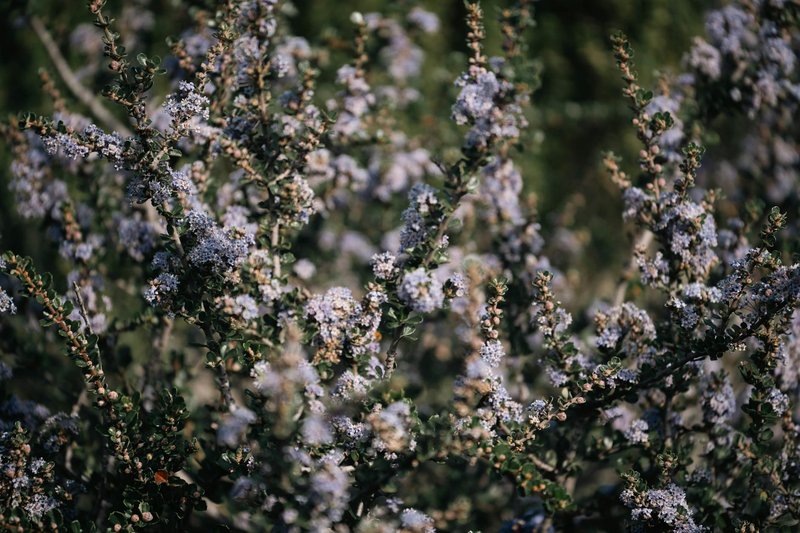
Native plants are the backbone of local ecosystems. They support pollinators, birds, soil organisms, and the fungi and microbes that keep soils functioning. In Algeria, that matters even more because the country sits at a transition zone where small climate shifts can move habitats around fast.
They also matter for conservation. The Mediterranean basin is a global biodiversity hotspot, and North African plant communities face pressure from urban expansion, overgrazing, repeated fire, groundwater stress, and desertification. The Convention on Biological Diversity has long treated Mediterranean regions as conservation priorities for exactly that reason. Invasive species are another growing threat to Algeria’s ecosystems; see invasive species in Algeria for details.
Endemic species are especially important because their entire global population may be restricted to a single mountain range, valley, or coastal system. Lose the habitat, and you lose the species. No backup copy.
How to use Algerian natives in gardens and restoration
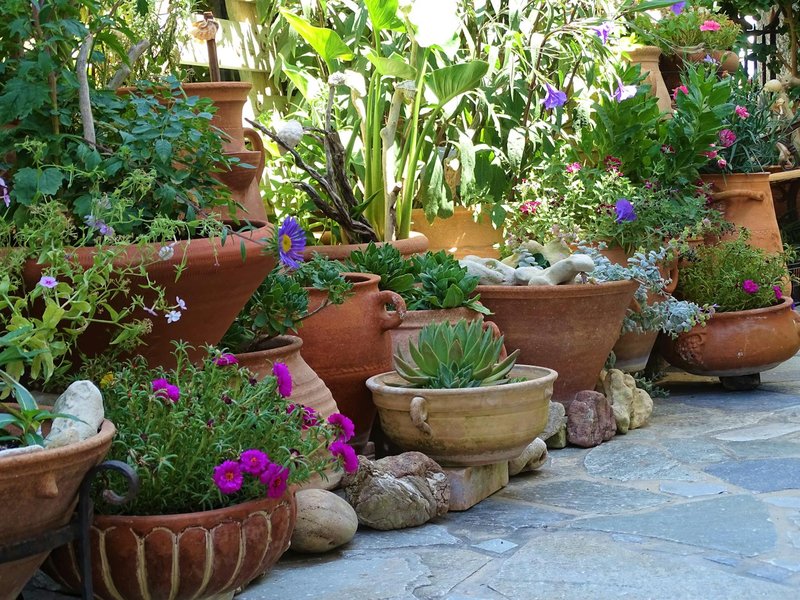
For gardens, the biggest advantage of Algerian native plants is resilience. Many are built for poor soils, heat, and limited irrigation. That makes them good candidates for low-water planting schemes, habitat gardens, and revegetation projects.
A few practical ideas:
- Use shrubs like rosemary, lentisk, and myrtle to build structure and attract pollinators.
- Choose grasses and steppe species like esparto where you need erosion control.
- Plant oaks and pines only where the climate and soil actually support them. Trees are not stickers. They need the right site.
- Favor local provenance whenever possible. Seeds from a nearby region usually perform better than random nursery stock.
For restoration work, native species do more than “green up” bare land. They help rebuild ecological function. That means shade, seed dispersal, soil retention, insect habitat, and sometimes nitrogen fixation.
Final thoughts
Algeria’s native plants reflect the country’s geography in the most honest way possible: coastal shrubs, mountain woodland species, steppe grasses, and desert survivors all living under one national flag. That mix is what makes the flora so interesting.
If you only remember a few names, start with Aleppo pine, cork oak, esparto grass, rosemary, and Saharan acacia. They capture the range of Algeria’s plant world better than any tidy slogan ever could.
And if you’re thinking in practical terms, the lesson is simple: Algeria’s native plants are tough, habitat-smart, and worth protecting for the same reason they’ve lasted this long — they fit the place.