Rainforests are places of dense life and constant motion, where encounters with wildlife can be surprising and sometimes dangerous. Trails, rivers, and canopy gaps each host species with different behaviors, so knowing which animals pose a real risk matters whether you’re studying, guiding, or visiting.
There are 27 aggressive rainforest animals, ranging from African forest elephant to Western gorilla. For each species, data are organized under Scientific name,Aggression type,Range / habitat; you’ll find below.
How dangerous are these animals to people?
Danger varies by species and situation: some, like elephants and gorillas, can cause serious injury if provoked, while others rely on bites, venom, or displays to deter threats. Most incidents happen when animals are surprised, protecting young, or have become habituated to humans, so risk is context-dependent.
What practical steps reduce the chance of an aggressive encounter?
Stick to established trails, travel with experienced local guides, store food and waste securely, keep a safe distance from wildlife, avoid hiking at dawn or dusk, and learn local warning signs—these measures greatly lower the likelihood of provoking an animal.
Aggressive Rainforest Animals
| Name | Scientific name | Aggression type | Range / habitat |
|---|---|---|---|
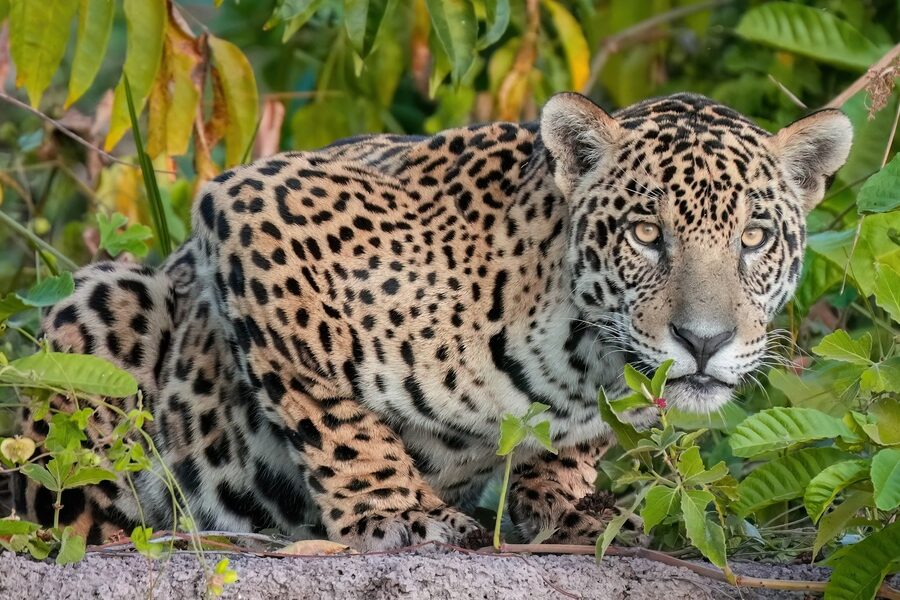
| Jaguar | Panthera onca | predatory / powerful ambush predator, can attack humans | Amazon basin and Central/South American rainforests |
| Black caiman | Melanosuchus niger | predatory / large ambush crocodilian, dangerous to people | Amazon Basin rainforests of South America |
| Green anaconda | Eunectes murinus | constrictor / ambush predator of large vertebrates, potential human risk | Amazon and Orinoco basin swamps and rivers |
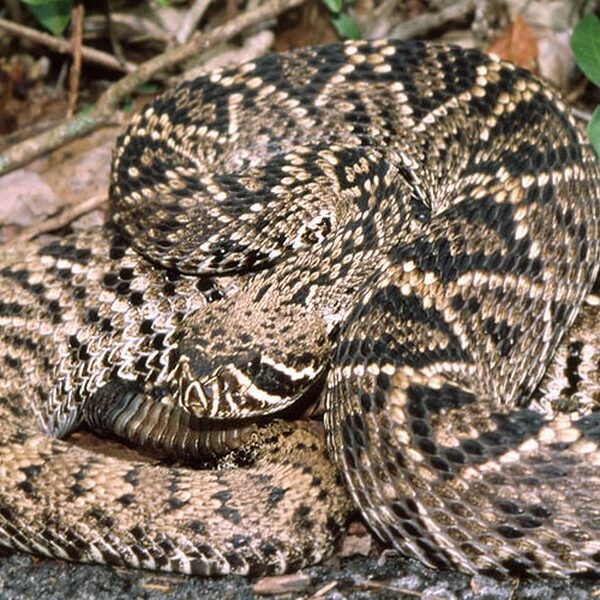
| Fer-de-lance | Bothrops asper | venomous / defensive, frequent medically significant bites | Lowland rainforests of Central America and northwestern South America |
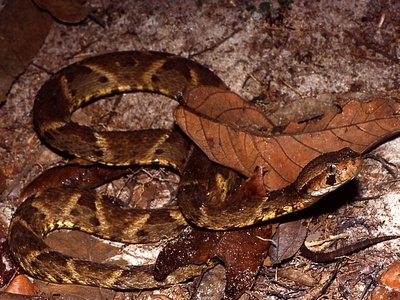
| Common lancehead | Bothrops atrox | venomous / defensive, common cause of bites in Amazon | Amazon Basin rainforests |
| Bushmaster | Lachesis muta | venomous / ambush viper, large and dangerous | Neotropical rainforests including Amazon and Atlantic forests |
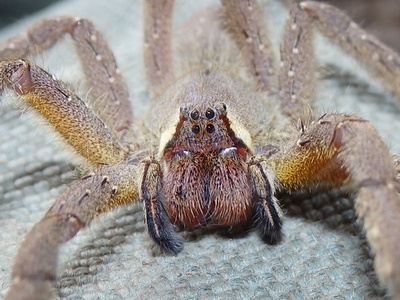
| Brazilian wandering spider | Phoneutria nigriventer | venomous / defensive bite with neurotoxic effects | Atlantic Forest and Amazon rainforests of Brazil |
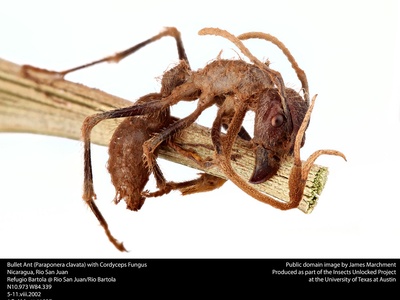
| Bullet ant | Paraponera clavata | venomous / extremely painful defensive sting | Central and South American lowland rainforests |
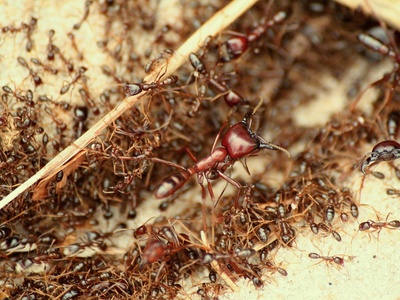
| Army ant | Eciton burchellii | swarming / mass raids that overwhelm small animals and bite people | Amazon and Central American rainforests |
| Driver ant | Dorylus wilverthi | swarming / aggressive mass predatory raids on vertebrates | Congo Basin and West/Central African rainforests |
| Giant centipede | Scolopendra gigantea | venomous / powerful predatory bite that injures humans | Tropical South American rainforests including Amazon |
| Aquatic coral snake | Micrurus surinamensis | venomous / potent neurotoxic, secretive but dangerous | Amazon Basin flooded forests and waterways |
| Red-bellied piranha | Pygocentrus nattereri | swarming / predatory shoals, opportunistic bites on humans | Amazon and other South American freshwater rainforests |
| Electric eel | Electrophorus electricus | defensive / high-voltage electric shock can incapacitate swimmers | Amazon and Orinoco basin freshwater habitats |
| Freshwater stingray | Potamotrygon motoro | venomous / defensive tail spine causing deep wounds | Amazon Basin rivers and floodplain rainforests |
| Chimpanzee | Pan troglodytes | territorial / aggressive group attacks, can injure or kill humans | West and Central African rainforests |
| Western gorilla | Gorilla gorilla | territorial/defensive / powerful charges and bites when threatened | Central African lowland rainforests |
| African forest elephant | Loxodonta cyclotis | territorial/defensive / aggressive charges and trampling | Congo Basin rainforests of Central Africa |
| Asian elephant | Elephas maximus | territorial/defensive / musth and conflict-related attacks on people | Southeast Asian tropical rainforests and forest edges |
| Southern cassowary | Casuarius casuarius | defensive / powerful kick and claw strikes, can be lethal | New Guinea and northeastern Australia rainforests |
| South American tapir | Tapirus terrestris | defensive / charges and bites when cornered, can injure humans | Amazon and Atlantic rainforests of South America |
| Collared peccary | Pecari tajacu | territorial/defensive / herd charges with tusks and bites | Neotropical rainforests across Central and South America |
| Common vampire bat | Desmodus rotundus | predatory/parasitic / blood-feeding, rabies transmission risk | Neotropical rainforests of Central and South America |
| Golden poison frog | Phyllobates terribilis | venomous/poisonous / potent skin toxins dangerous if ingested | Chocó and Pacific lowland rainforests of Colombia |
| Harpy eagle | Harpia harpyja | predatory / powerful raptor captures large arboreal prey | Neotropical rainforests from Mexico to northern Argentina |
| Amazonian scorpion | Tityus obscurus | venomous / scorpion sting causing severe symptoms in people | Amazon Basin rainforests |
| Giant otter | Pteronura brasiliensis | territorial/defensive / aggressive group defense of river territories | Amazon Basin rivers and flooded forests |
Images and Descriptions
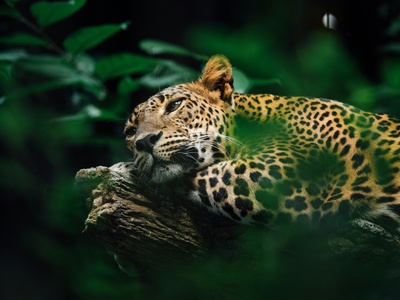
Jaguar
Stealthy ambush predator that takes large prey like capybaras and caimans. Human attacks are rare but can be lethal; jaguars defend territory and livestock, and their bite and stealth make them notable apex predators in flooded forests and river edges.
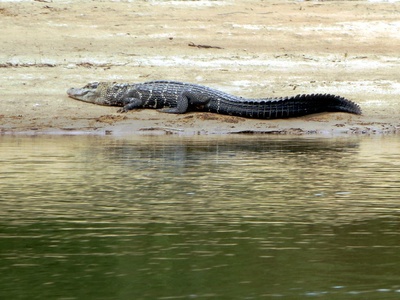
Black caiman
Nocturnal ambush predator that hunts fish, mammals, and occasionally humans. Fishermen and swimmers have suffered attacks; these large caimans are territorial along rivers and lakes and pose real risk at night near riverbanks.
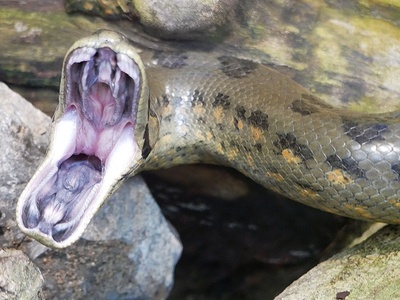
Green anaconda
Massive aquatic constrictor that ambushes prey from water. Human fatal attacks are extremely rare but documented; anacondas can overpower large mammals and are notable for their size and stealth in flooded rainforest habitats.
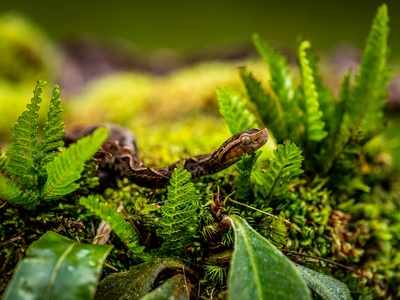
Fer-de-lance
Highly venomous pit viper that often lives near trails and farms. It is quick to strike when threatened and causes many severe envenomings in rural rainforest areas; encounters are common in disturbed habitats and agricultural edges.
Common lancehead
Widespread venomous viper often encountered on forest paths and riverbanks. Bites cause severe local tissue damage and systemic effects; frequent in Amazon communities, it is a leading cause of snakebite emergency cases.

Bushmaster
Large nocturnal pit viper that ambushes small mammals. Its potent venom and size make envenoming dangerous; bushmasters are secretive but responsible for serious bites when people accidentally step near them at night.
Brazilian wandering spider
Bold, ground-roaming spider that can deliver neurotoxic bites when cornered. Bites are painful and sometimes medically significant; these spiders enter homes and agricultural areas, increasing human encounters in rainforest-adjacent communities.
Bullet ant
Famous for an excruciating sting used in indigenous initiation rituals. The bullet ant aggressively defends nests and will sting repeatedly if disturbed; stings are rarely fatal but incapacitating and memorable.
Army ant
Nomadic columns of millions that strip vegetation and consume invertebrates and small vertebrates. Armies can swarm and bite exposed skin, causing painful bites and secondary infection risk; they can briefly overwhelm small pets and nesting animals.
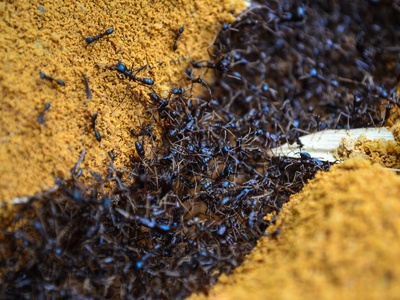
Driver ant
Driver ants form relentless columns that can strip flesh from small animals. They will bite en masse if nests are disturbed; human injuries occur mainly when people step into trails or destroy nests.
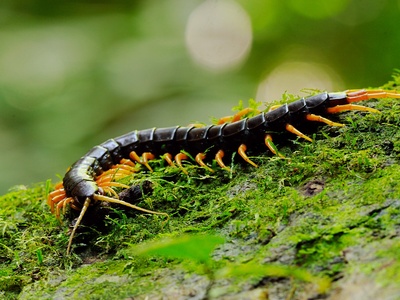
Giant centipede
Large predatory arthropod that can subdue small vertebrates and bite humans painfully. Bites inject venom causing intense pain and swelling; giant centipedes occasionally enter homes or caves, prompting defensive bites.
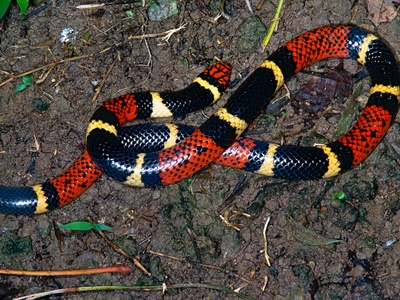
Aquatic coral snake
Aquatic coral snake with powerful neurotoxic venom. It is secretive and rarely bites, but handling or stepping on one can deliver life-threatening envenoming. Found along river margins and flooded forest habitats.
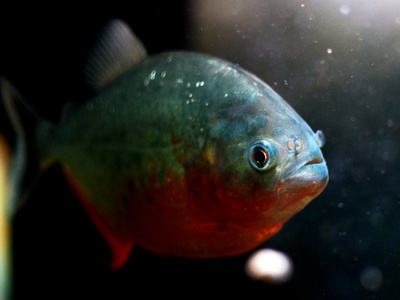
Red-bellied piranha
Famous for feeding frenzies in schools when prey is injured. Piranha bites on humans are usually minor but can be severe in crowded or bloodied water; their reputation stems from opportunistic group feeding behavior.
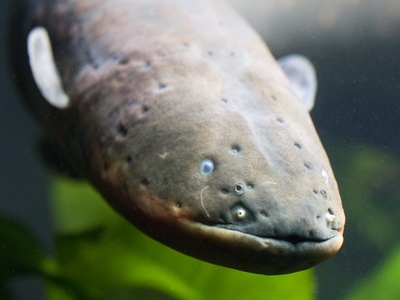
Electric eel
Fish that delivers strong electric discharges to stun prey or deter threats. Shocks can incapacitate humans and cause drowning risk; electric eels hunt in murky flooded forests and river channels.
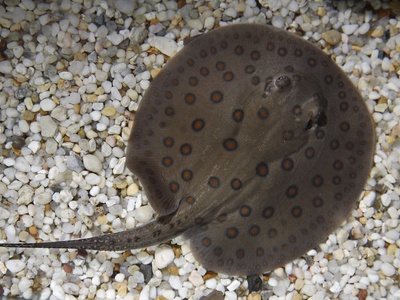
Freshwater stingray
Bottom-dwelling ray that hides in sand; accidental contact can result in painful envenomation and deep puncture wounds. Fishermen and waders are most at risk; injuries can become infected without prompt care.
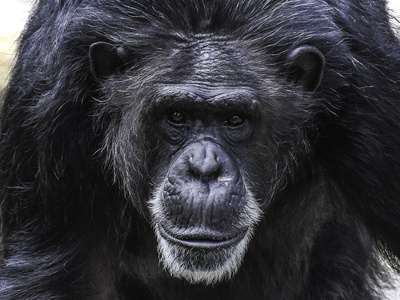
Chimpanzee
Highly intelligent primate that forms territorial male coalitions and can attack rival groups or humans. Documented incidents include severe wounds and killings; chimpanzees are unpredictable when provoked or during intergroup conflict.
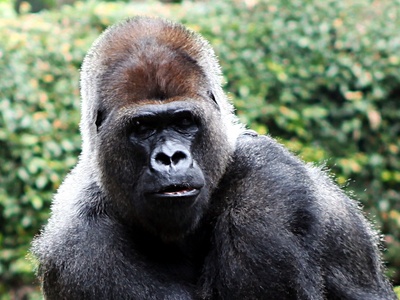
Western gorilla
Large primate that defends groups vigorously. Gorillas usually bluff with chest-beating but can charge and bite if threatened; while fatal attacks on humans are rare, their size and strength can cause serious injury.
African forest elephant
Smaller than savanna elephants but highly aggressive when protecting calves or resources. Forest elephants have charged and trampled humans during crop-raiding or sudden encounters in dense rainforest, causing serious injuries and fatalities.
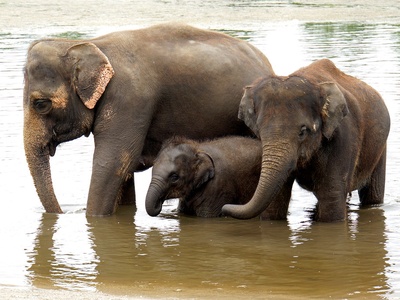
Asian elephant
Rainforest-dwelling elephants can become aggressive in musth or during human-elephant conflict over crops. They have trampled and gored people; close encounters in forested terrain are particularly dangerous due to limited escape routes.
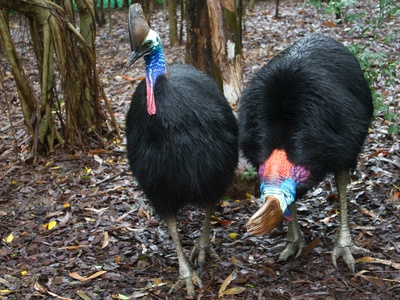
Southern cassowary
Large flightless bird that defends territory with swift, lethal kicks using dagger-like claws. Cassowary attacks on humans and dogs have caused severe injuries and occasional deaths; they are secretive but dangerous if surprised.
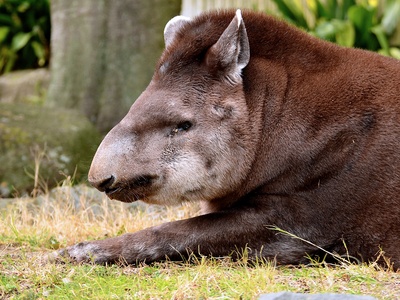
South American tapir
Generally shy, tapirs will charge or bite if cornered or surprised. Their powerful jaws and size can inflict serious wounds; encounters typically occur near waterholes or when animals are trapped by dogs or hunters.
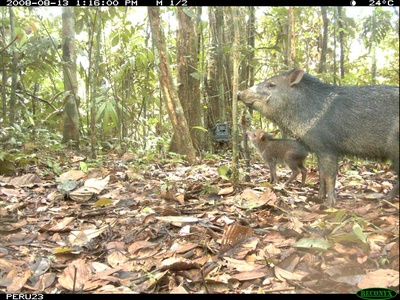
Collared peccary
Social, tough-skinned pigs that form aggressive herds to defend young. Peccaries will bite or gore perceived threats and can injure dogs and people when cornered or surprised in dense forest undergrowth.
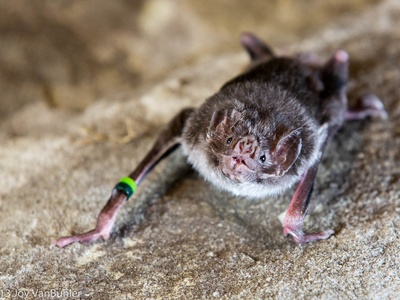
Common vampire bat
Nocturnal bat that feeds on blood of mammals and birds, occasionally humans. Bites are small but can transmit rabies and other infections; vampire bats are a public health concern near rural dwellings and livestock.
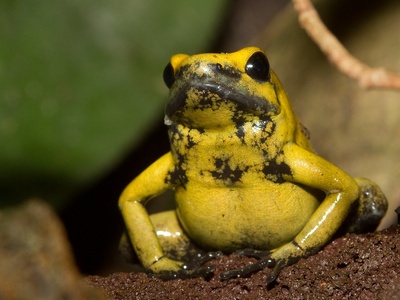
Golden poison frog
Extremely toxic frog whose skin alkaloids can be lethal. Not aggressive, but handling or ingestion poses severe risk; indigenous use of its toxin on blowgun darts illustrates its potent defensive chemistry.
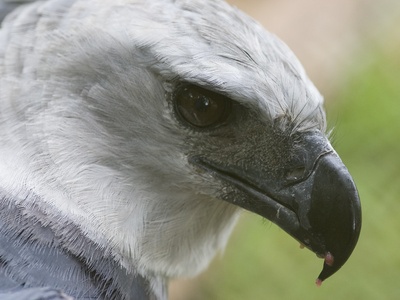
Harpy eagle
Massive raptor that hunts monkeys and sloths from forest canopy. While human attacks are vanishingly rare, their talons and strength make them formidable predators; they are notable apex birds of prey in dense rainforest.
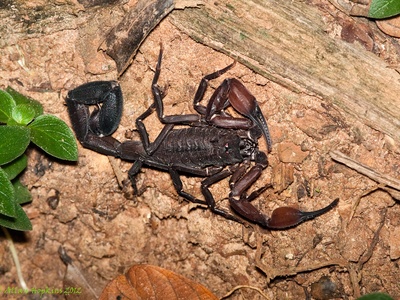
Amazonian scorpion
Scorpion species with medically significant venom found in leaf litter and homes. Stings cause intense pain and can produce systemic effects, especially dangerous for children; encounters rise when people disturb debris or enter shelters.

Giant otter
Social otters that fiercely defend territories and pups, mobbing intruders with bites. Fishermen have reported aggressive encounters; bites can be painful and cause lacerations though fatalities are extremely rare.