The Arctic isn’t only polar bears and drifting ice — its varied shorelines, tundra heaths and rocky outcrops create microhabitats where unexpected species can survive. Short summers, exposed sun-warmed rocks and sheltered coastal areas allow cold-tolerant animals to persist at higher latitudes than most people expect.
There are 2 arctic reptiles, ranging from European adder,Viviparous lizard. For each species the data are organized as Scientific name, Northernmost recorded latitude (°N), Range (countries/regions); see the specific entries you’ll find below.
How do reptiles survive such cold Arctic conditions?
They use behavioral and physiological strategies: basking on sun-exposed rocks, seeking insulated crevices, timing activity to warmer months, and in some species giving birth to live young (reducing egg-vulnerability). Local microclimates and coastal warmth are crucial, so populations persist in pockets rather than across uniform tundra.
Where exactly are these species found at high latitudes?
Records are concentrated in northern Scandinavia, parts of northwestern Russia and nearby islands where coastal conditions are milder; exact northernmost latitude and country-level range for each species are listed in the table you’ll find below.
Arctic Reptiles
| Common name | Scientific name | Northernmost recorded latitude (°N) | Range (countries/regions) |
|---|---|---|---|
| Viviparous lizard | Zootoca vivipara | 72.00 | Norway, Sweden, Finland, Russia (northern Fennoscandia and Arctic Russia) |
| European adder | Vipera berus | 71.00 | Norway, Sweden, Finland, Russia (northern Fennoscandia) |
Images and Descriptions
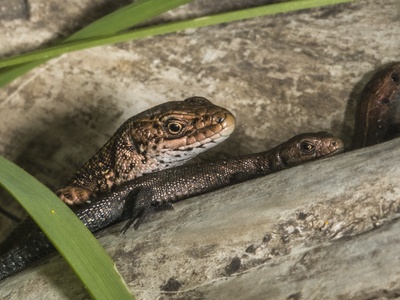
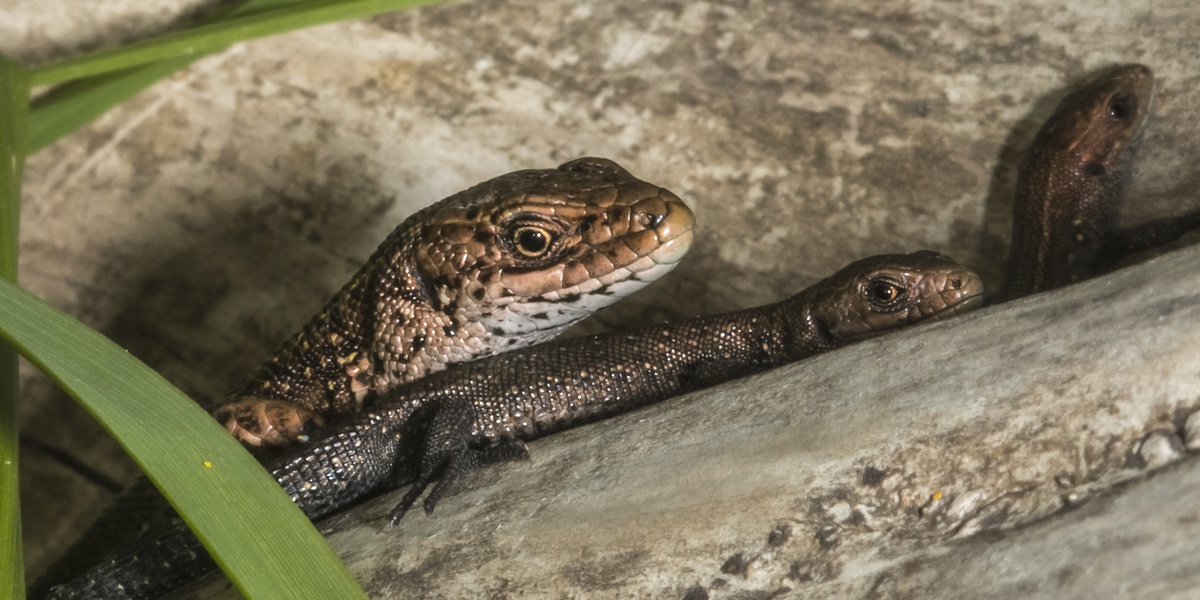
Viviparous lizard
A cold-tolerant lizard that gives live birth, making reproduction possible in short seasons. Found into the high Arctic margin in Fennoscandia and northern Russia, it survives by basking, rapid development and hibernating under snow; generally widespread but locally vulnerable.
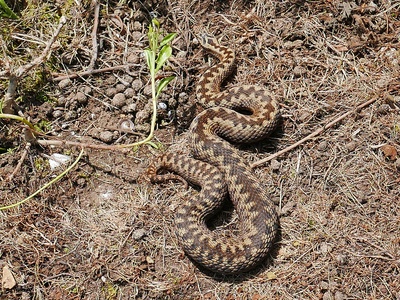
European adder
A small, cold-adapted viper reaching Arctic margins in northern Fennoscandia and Russia. It tolerates low temperatures via short active seasons and deep hibernation, often sunning on warm substrates; common in range but locally protected and sensitive to habitat loss.