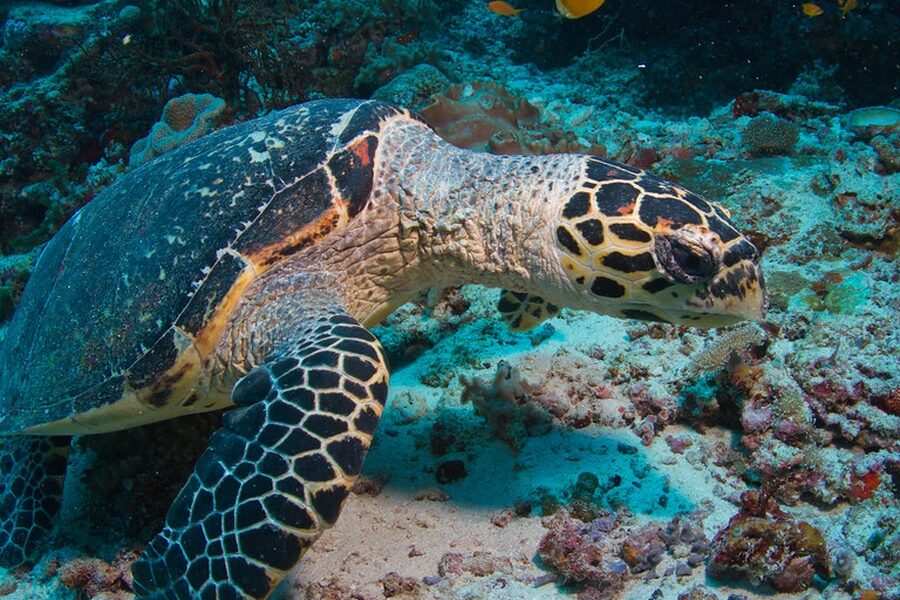
Rainforests from the Amazon to the Congo and Southeast Asia host some of the planet’s most varied wildlife. These dense, layered forests create niches for large mammals, birds and reptiles that rely on deep cover, abundant food and complex ecosystems.
There are 32 big rainforest animals, ranging from African forest buffalo (dwarf buffalo) to Western lowland gorilla. For each entry I list Scientific name,Weight (kg) / Length (m),Range so you can quickly compare size and distribution — you’ll find below.
How did you decide which species count as “big” for this list?
Species were included based on typical adult size (mass or length) and their ecological role in rainforest systems, using field guides and peer-reviewed sources to pick the largest, regularly occurring species rather than occasional migrants or juveniles.
Which of these animals are most likely to be seen by visitors?
Sightings depend on location and protection status: species like forest buffalo and some primates can be seen in protected parks and reserves, while large carnivores and elusive herbivores are rarer and often nocturnal or shy, so guided tours in reputable reserves increase your chances.
Big Rainforest Animals
| Name | Scientific name | Weight (kg) / Length (m) | Range |
|---|---|---|---|
| African forest elephant | Loxodonta cyclotis | 2,000-3,000 kg / 5-6 m | Central African rainforests (DR Congo, Gabon) |
| Western lowland gorilla | Gorilla gorilla gorilla | 100-160 kg / 1.6-1.8 m (standing) | West-Central African rainforests (Cameroon, Gabon, Congo) |
| Eastern lowland gorilla | Gorilla beringei graueri | 140-200 kg / 1.6-1.9 m (standing) | Eastern Democratic Republic of Congo lowland rainforests |
| Bornean orangutan | Pongo pygmaeus | 50-90 kg / 1.2-1.5 m | Bornean rainforests (Borneo, Indonesia, Malaysia) |
| Sumatran orangutan | Pongo abelii | 60-110 kg / 1.2-1.6 m | Sumatran rainforests (Sumatra, Indonesia) |
| Tapanuli orangutan | Pongo tapanuliensis | 70-100 kg / 1.2-1.6 m | Northern Sumatra (Tapanuli region, Indonesia) |
| Sumatran elephant | Elephas maximus sumatranus | 2,000-3,000 kg / 4.5-6 m | Sumatran rainforests (Sumatra, Indonesia) |
| Borneo elephant | Elephas maximus borneensis | 2,000-3,000 kg / 4.5-6 m | Borneo rainforests (Malaysia, Indonesia) |
| Pygmy hippopotamus | Choeropsis liberiensis | 180-275 kg / 1.5-2.5 m | West African rainforests (Liberia, Sierra Leone) |
| Sumatran rhinoceros | Dicerorhinus sumatrensis | 500-800 kg / 2-3 m | Sumatran and Bornean rainforests (Indonesia, historically Malaysia) |
| Malayan tapir | Tapirus indicus | 200-300 kg / 1.8-2.5 m | Southeast Asian rainforests (Malaysia, Sumatra, Thailand) |
| Baird’s tapir | Tapirus bairdii | 200-300 kg / 1.8-2.5 m | Central American rainforests (Costa Rica, Panama, Nicaragua) |
| Lowland (South American) tapir | Tapirus terrestris | 150-300 kg / 1.8-2.5 m | Amazon and Atlantic rainforests (Brazil, Peru, Bolivia) |
| Jaguar | Panthera onca | 56-96 kg / 1.2-1.85 m (body) | Neotropical rainforests (Amazon basin, Brazil, Peru) |
| Sumatran tiger | Panthera tigris sumatrae | 100-140 kg / 2.2-2.8 m | Sumatran rainforests (Sumatra, Indonesia) |
| Gaur | Bos gaurus | 500-1,000 kg / 2.5-3.5 m | South and Southeast Asian rainforests (India, Thailand, Malaysia) |
| African forest buffalo (dwarf buffalo) | Syncerus caffer nanus | 200-300 kg / 1.8-2.5 m | West and Central African rainforests (Ghana, Cameroon, Gabon) |
| Okapi | Okapia johnstoni | 200-300 kg / 1.5-2.5 m | Ituri and Congo rainforests (DR Congo) |
| Saola | Pseudoryx nghetinhensis | 70-100 kg / 1.8-2.2 m | Annamite Range rainforests (Vietnam, Laos) |
| Sambar deer | Rusa unicolor | 150-350 kg / 2-2.6 m | South and Southeast Asian rainforests (India, Sri Lanka, Thailand) |
| Giant forest hog | Hylochoerus meinertzhageni | 100-200 kg / 1.6-2.2 m | Central and West African rainforests (Uganda, Cameroon) |
| Red river hog | Potamochoerus porcus | 45-80 kg / 1-1.4 m | West and Central African rainforests (Gabon, Congo, Ghana) |
| Capybara | Hydrochoerus hydrochaeris | 45-65 kg / 1-1.3 m | South American rainforests and wetlands (Brazil, Peru, Colombia) |
| Amazonian manatee | Trichechus inunguis | 300-500 kg / 2.5-3.5 m | Amazon Basin freshwater systems (Brazil, Peru, Colombia) |
| Arapaima (Pirarucu) | Arapaima gigas | 100-200 kg / 2-3 m | Amazonian freshwater systems (Brazil, Peru, Colombia) |
| Amazon river dolphin (Boto) | Inia geoffrensis | 100-160 kg / 2.5-2.8 m | Amazon and Orinoco river systems (Brazil, Peru, Bolivia) |
| Green anaconda | Eunectes murinus | 100-250 kg / 4-6 m | Amazon and Orinoco rainforests (Brazil, Venezuela, Colombia) |
| Reticulated python | Malayopython reticulatus | 30-150 kg / 4-7 m | Southeast Asian rainforests (Indonesia, Malaysia, Philippines) |
| Burmese python | Python bivittatus | 40-150 kg / 3-6 m | Southeast Asian rainforests and wetlands (Myanmar, Thailand, Malaysia) |
| King cobra | Ophiophagus hannah | 6-12 kg / 2-4 m | Southeast Asian rainforests (India, Malaysia, Indonesia) |
| Black caiman | Melanosuchus niger | 200-500 kg / 3-5 m | Amazonian rivers and flooded rainforests (Brazil, Peru, Bolivia) |
| Arrau turtle (Giant South American river turtle) | Podocnemis expansa | 60-120 kg / 0.9-1.2 m (shell) | Amazon and Orinoco river floodplains (Brazil, Venezuela) |
Images and Descriptions
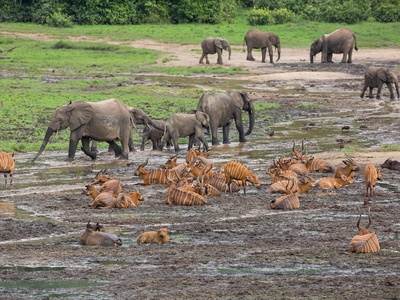
African forest elephant
The smaller, forest-adapted African elephant prefers dense Congo Basin rainforests. Weighing 2,000–3,000 kg, it shapes forest structure by dispersing large seeds; critically important and endangered from poaching and habitat loss.
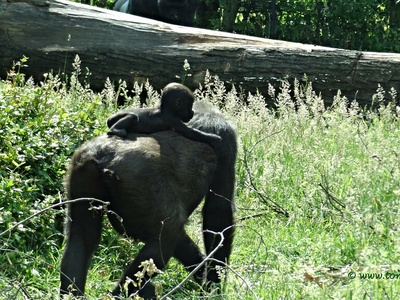
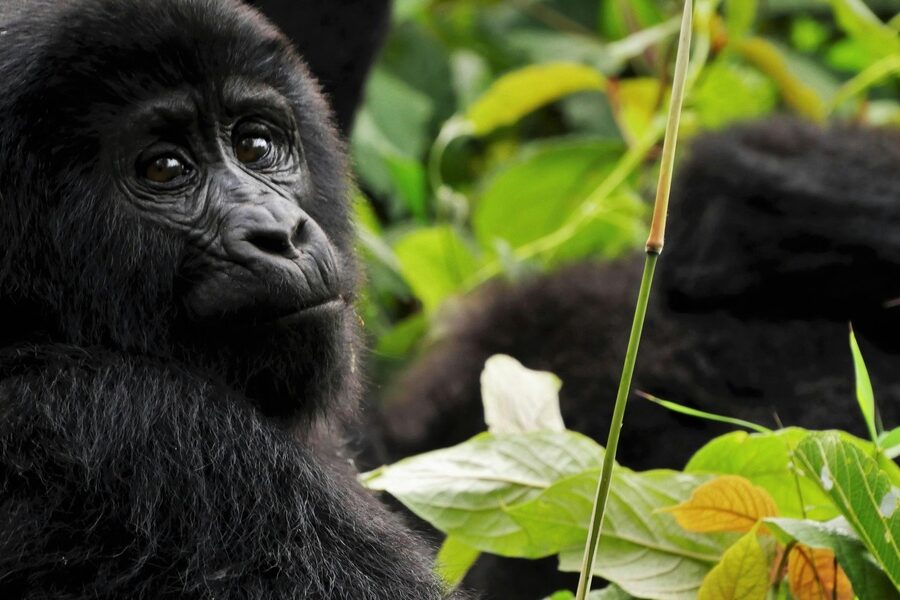
Western lowland gorilla
A powerful, ground-dwelling great ape of lowland rainforest, males often exceed 100 kg. Social and herbivorous, western lowland gorillas are threatened by hunting and disease but are key seed dispersers in their forests.
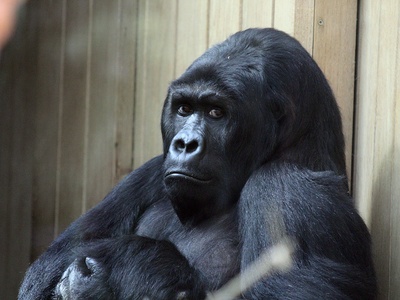
Eastern lowland gorilla
Larger than western gorillas, eastern lowland gorillas inhabit dense DRC rainforests. Males can top 140 kg; they live in family groups and are critically endangered from conflict, habitat loss and poaching.
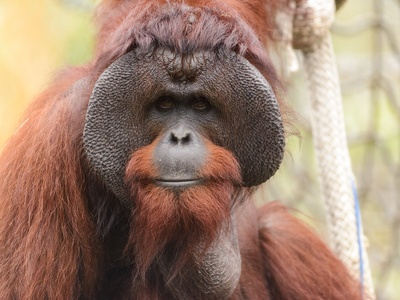
Bornean orangutan
An arboreal great ape of Borneo’s rainforest canopy, males reach up to 90 kg. Solitary and dependent on fruiting trees, Bornean orangutans are critically endangered due to logging, palm oil and habitat fragmentation.
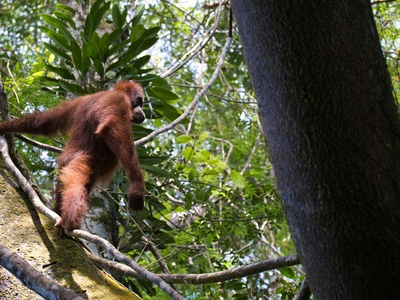
Sumatran orangutan
A critically endangered, highly arboreal great ape native to Sumatra’s lowland rainforest. Males can be heavy and long-armed; they use tools and have unique social behaviors, suffering severe declines from deforestation.
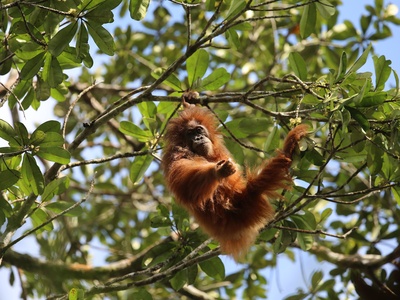
Tapanuli orangutan
The most recently described and one of the rarest great apes, living in upland rainforest of Tapanuli. Small population, unique genetics, critically endangered from habitat loss and small population size.
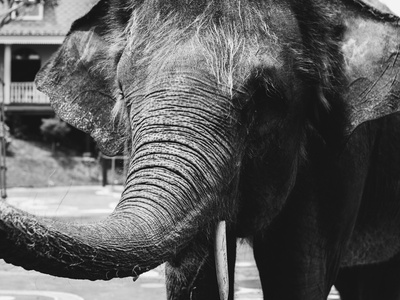
Sumatran elephant
A forest-loving subspecies of Asian elephant adapted to dense Sumatra rainforest. Adults are large ecosystem engineers, dispersing seeds; critically endangered due to habitat conversion and human-elephant conflict.
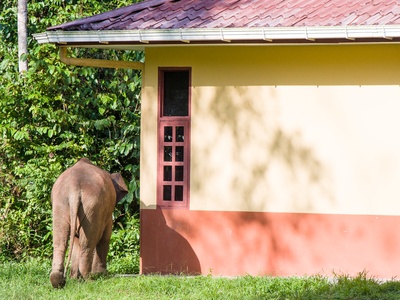
Borneo elephant
A smaller, forest-adapted Asian elephant population living in Borneo’s rainforests. They form family groups, are important seed dispersers, and are vulnerable to habitat loss and fragmentation.
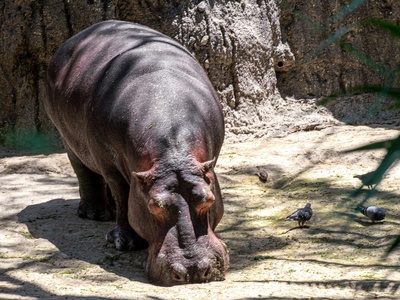
Pygmy hippopotamus
A shy, semi-aquatic species of dense West African rainforest swamps and rivers; much smaller than the common hippo. Adults weigh around 180–275 kg and are endangered because of habitat destruction and hunting.
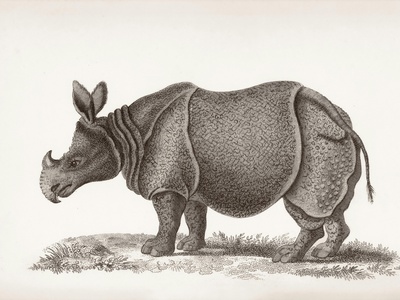
Sumatran rhinoceros
A critically endangered, small two-horned rhino that prefers dense rainforest and peat swamps. Adults weigh several hundred kilograms; populations have been devastated by hunting and habitat loss.
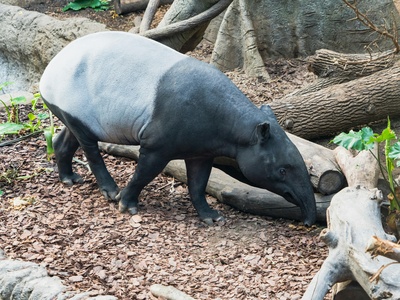
Malayan tapir
A distinctive black-and-white tapir of SE Asian rainforests; adults reach 200–300 kg. Solitary and mostly nocturnal, they are important forest browsers and are threatened by deforestation.
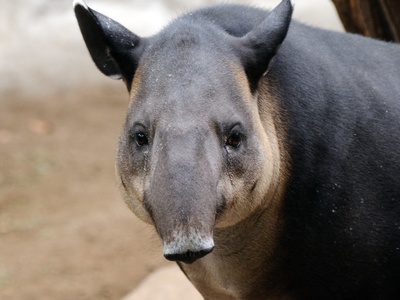
Baird’s tapir
The largest land mammal in Central American rainforests, Baird’s tapir weighs up to 300 kg. It helps seed dispersal through dense forest understoreys and is endangered from hunting and habitat loss.
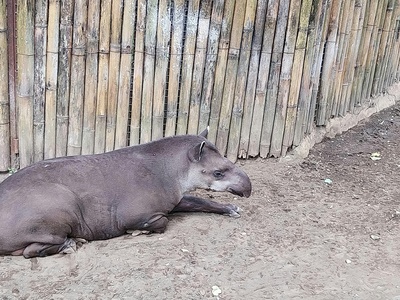
Lowland (South American) tapir
Common across Amazonian rainforests, this tapir is a bulky browser up to 300 kg that creates pathways and disperses seeds; vulnerable to hunting and habitat fragmentation.
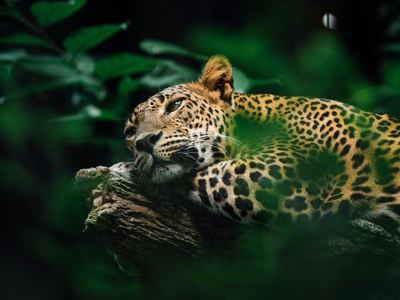
Jaguar
The largest cat of the Americas, jaguars are powerful swimmers and ambush predators in Amazon rainforests. Adults commonly weigh 56–96 kg; they are apex predators and are threatened by habitat loss and hunting.
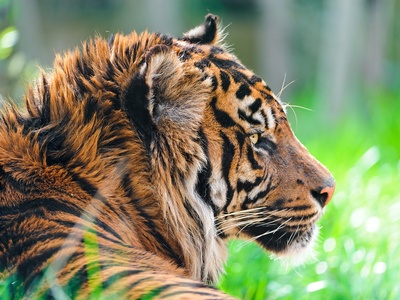
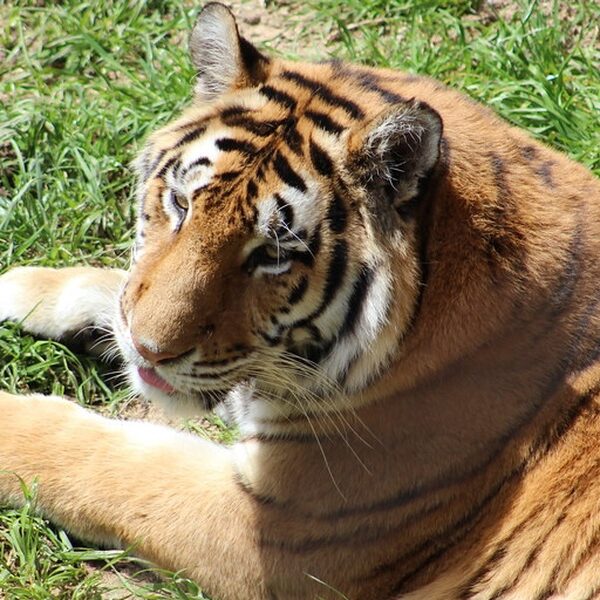
Sumatran tiger
A critically endangered, smaller tiger subspecies surviving in fragmented Sumatran rainforest. Adults weigh around 100–140 kg; poaching and palm oil expansion are primary threats to their tiny populations.
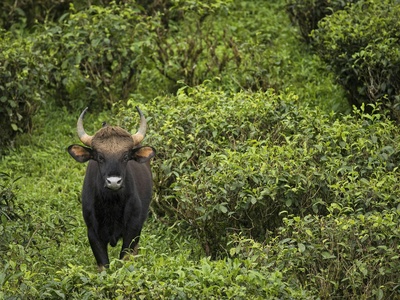
Gaur
The world’s largest wild cattle, gaur inhabit tropical forests and can weigh up to 1,000 kg. They form herds, shape forest vegetation, and face hunting and habitat pressures in parts of their range.
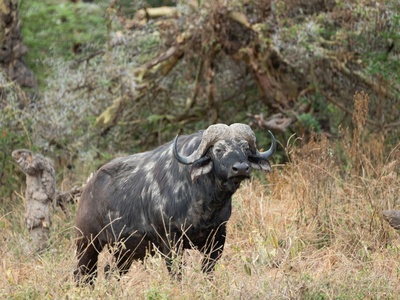
African forest buffalo (dwarf buffalo)
A rainforest-adapted buffalo subspecies smaller than savanna buffalo but still heavy and herd-forming. It feeds on dense undergrowth and is important prey for large predators while threatened by hunting.
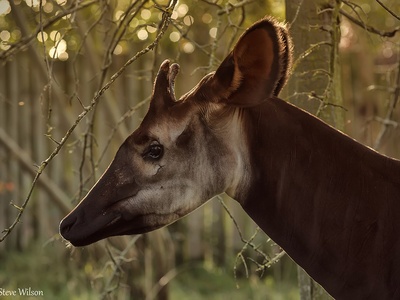
Okapi
A shy, zebra-like forest giraffe relative endemic to Congo rainforests. Adults weigh about 200–300 kg and browse understory vegetation; iconic and Near Threatened due to habitat loss and hunting.
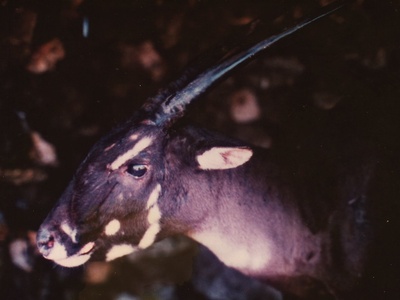
Saola
An extremely rare, forest-dwelling bovine discovered recently in Annamite rainforests. Weighing around 70–100 kg, it’s critically endangered and rarely seen, making it one of the world’s most mysterious large mammals.
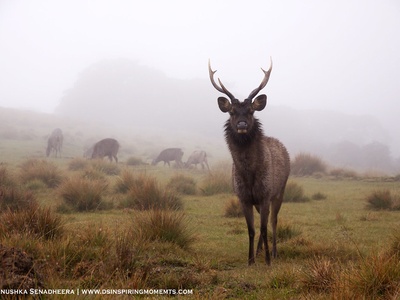
Sambar deer
A large, heavy deer found in dense tropical and montane rainforests. Adults commonly weigh 150–350 kg; they are important browsers and are hunted in parts of their range.
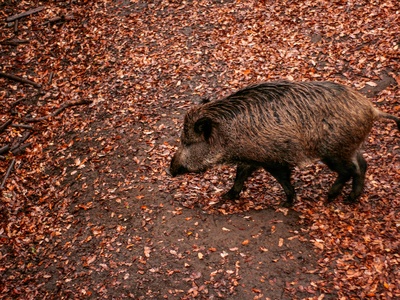
Giant forest hog
The largest wild pig species, up to 200 kg, living in dense African forests. Nocturnal and secretive, they feed on roots and small animals and are rarely seen despite their size.
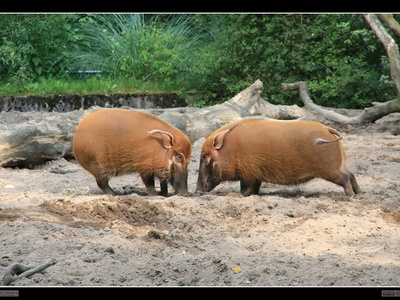
Red river hog
A brightly colored hog of African rainforests; adults commonly weigh around 45–80 kg, often living near water. They’re social and important seed predators, affected by habitat change and hunting.
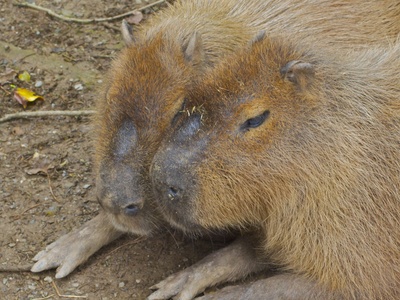
Capybara
The world’s largest rodent, capybaras frequent flooded forest edges and riverbanks in Amazonian rainforests. Adults often reach about 50 kg; social and semi-aquatic, they are hunted locally but are common where habitat remains intact.
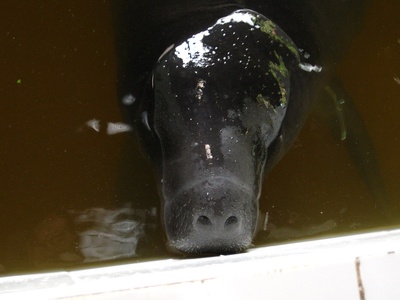
Amazonian manatee
A fully freshwater manatee inhabiting Amazon rainforest rivers and flooded forests. Weighing several hundred kilograms, it feeds on aquatic vegetation and is vulnerable to hunting and habitat alteration.
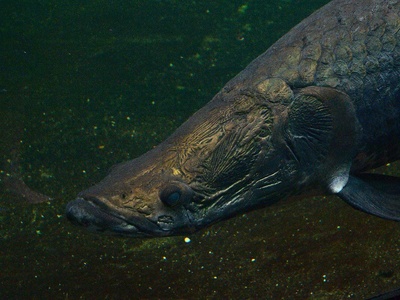
Arapaima (Pirarucu)
One of the largest freshwater fish, arapaima can exceed 2 m and 100 kg. Found in Amazon floodplain lakes and slow rivers, they surface to breathe air and are heavily fished across their range.
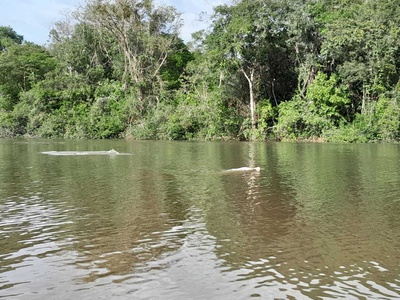
Amazon river dolphin (Boto)
A pinkish freshwater dolphin of Amazonian rivers, adults can measure over 2.5 m. Adapted to flooded-forest habitats, they navigate submerged vegetation and face threats from fishing and habitat change.
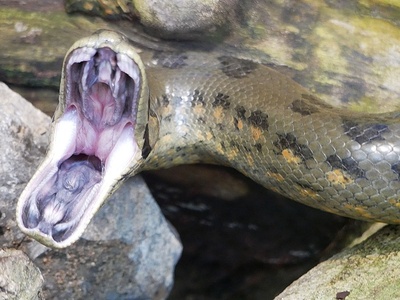
Green anaconda
One of the heaviest snakes, green anacondas live in slow-moving rainforest waterways. Adults commonly reach 4–6 m and hundreds of kilograms; ambush predators that feed on large prey, locally threatened by persecution.
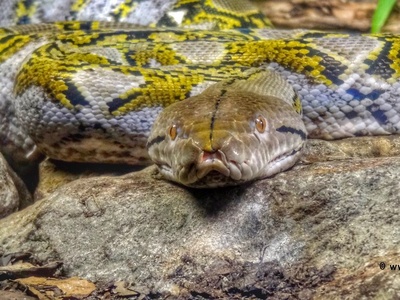
Reticulated python
A very long constrictor found in tropical rainforests and swamps of SE Asia. Length often exceeds 4 m (some over 6 m); powerful ambush predator, sometimes hunted for skin and food.
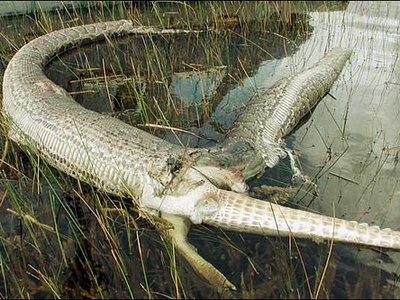
Burmese python
A large, forest-edge and wetland python that can exceed 4 m. Native to SE Asian rainforests, adults are strong constrictors; they’re important predators but face habitat loss and collection for trade.
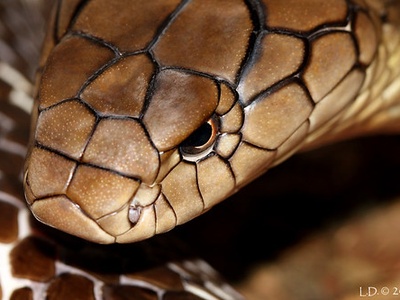
King cobra
The world’s longest venomous snake, king cobras reach over 3 m and prefer forested habitats. They feed mainly on other snakes, are culturally significant across Asia, and are vulnerable from persecution and habitat loss.
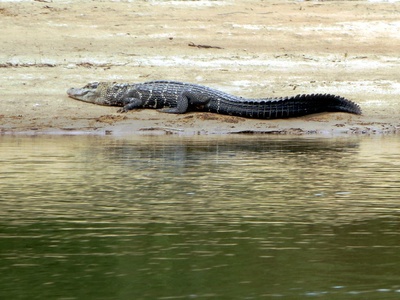
Black caiman
A large Amazonian crocodilian inhabiting slow rivers and flooded forests. Adults can exceed 4 m and several hundred kilograms; historically hunted for skin but recovering in protected areas.

Arrau turtle (Giant South American river turtle)
A very large freshwater turtle of Amazonian rivers and floodplain forests. Shells approach 1 m and adults weigh over 60 kg; they’re culturally and ecologically important but suffer from egg-collection and habitat threats.