If you spend time around hunting fields, country trails, or lively family yards, certain three-color coats catch your eye. Those tricolors often belong to breeds bred for tracking, scent work, or active companionship, and knowing which are larger helps when planning space, exercise, and care.
There are 8 big tricolor dog breeds, ranging from American Foxhound to Treeing Walker Coonhound. For each breed you’ll find below the Scientific name, Weight (kg), and Origin so you can quickly compare size, lineage, and background before deciding which fits your life.
How can I tell if a tricolor dog is a “big” breed?
Look at adult weight and body structure in breed descriptions—heavier, taller dogs with deep chests and longer legs are usually classed as big breeds. Use the Weight (kg) column and the Scientific name to confirm breed standards, and remember growth charts and reputable breed clubs give the most reliable guidelines.
Are big tricolor breeds a good fit for families or active owners?
Many larger tricolor breeds are energetic and social, doing well with daily exercise and consistent training; some are better for active owners or homes with yards. Check the Origin and typical activity level for each breed below to match energy needs and temperament to your household.
Big Tricolor Dog Breeds
| Breed | Scientific name | Weight (kg) | Origin |
|---|---|---|---|
| Bernese Mountain Dog | Canis lupus familiaris | 35-55 | Switzerland |
| Greater Swiss Mountain Dog | Canis lupus familiaris | 40-60 | Switzerland |
| Appenzeller Sennenhund | Canis lupus familiaris | 25-32 | Switzerland |
| English Foxhound | Canis lupus familiaris | 25-34 | United Kingdom |
| American Foxhound | Canis lupus familiaris | 27-34 | United States |
| Treeing Walker Coonhound | Canis lupus familiaris | 25-34 | United States |
| Bluetick Coonhound | Canis lupus familiaris | 25-34 | United States |
| St. Bernard | Canis lupus familiaris | 55-91 | Switzerland |
Images and Descriptions
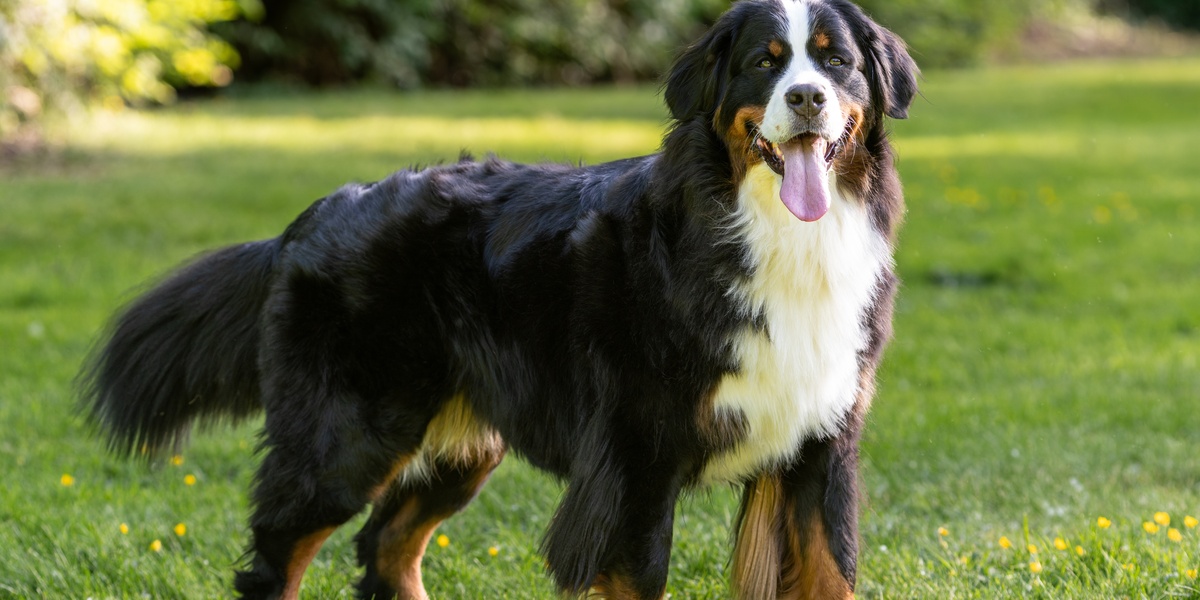
Bernese Mountain Dog
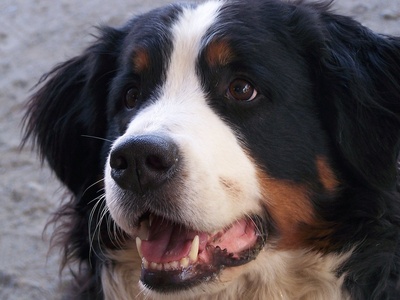
Large, calm farm dog with the classic tricolor: glossy black coat, white chest/blaze and rust markings; adults typically 35–55 kg. Loyal, gentle family companion with working-dog stamina; breed standards explicitly list tricolor (black, white, rust) as hallmark.
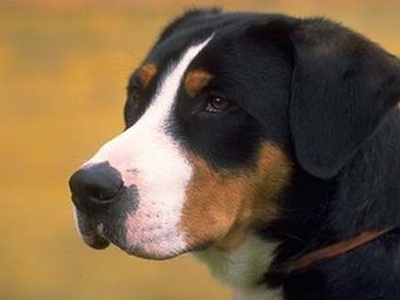
Greater Swiss Mountain Dog
Robust, powerful draft and droving dog with clear tricolor: black body, white markings and rich tan points; adults commonly 40–60 kg. Steady, hardworking and protective; major kennel-club standards recognize the tricolor Sennenhund pattern (black, white, tan).
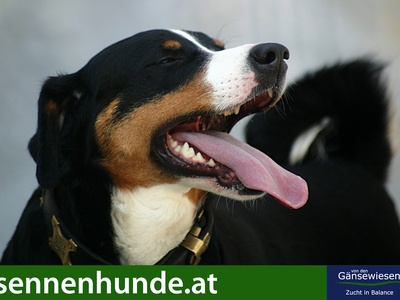
Appenzeller Sennenhund
Energetic, agile Sennenhund with the traditional tricolor: black coat, white blaze/chest and tan accents; typically 25–32 kg. Versatile herder and watchdog with lively temperament; breed standards in Switzerland and FCI list tricolor as a standard coloration.
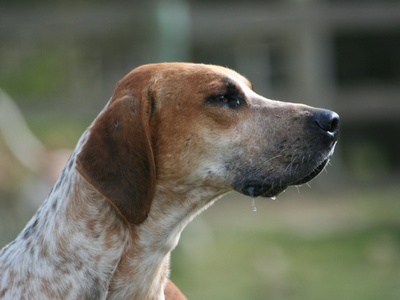
English Foxhound
Sturdy scent hound often seen in tricolor packs: black saddle, white and tan markings; adults usually 25–34 kg. Sociable, endurance-oriented pack hunter with a loud voice; kennel-club standards commonly describe tricolor (black, white, tan) variants.
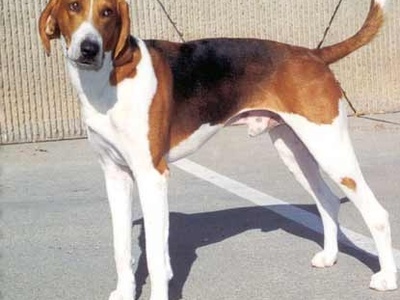
American Foxhound
Lean, long-legged hound frequently in tricolor: black, white and tan patches; generally 27–34 kg. Independent, tireless hunter and family-friendly when socialized; American and UK-derived standards accept tricolor as a common, recognized coat.
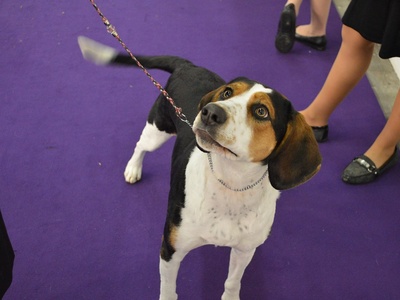
Treeing Walker Coonhound
Athletic hunting hound with classic tricolor: black saddle, white base and tan points; adults typically 25–34 kg. Keen treeing instinct, energetic and focused in the field; breed standards list tricolor (black, white, tan) as a standard color.
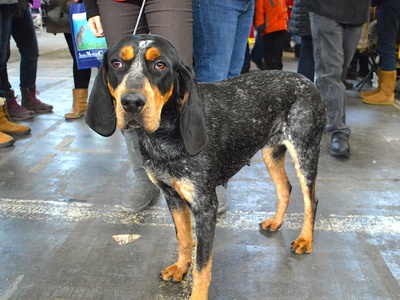
Bluetick Coonhound
Distinctive tricolor with mottled blue ticked body, black patches and tan points; usually 25–34 kg. Vocal, determined scent hound prized for tracking; major kennel descriptions recognize the blue ticking plus black and tan as standard tricolor markings.
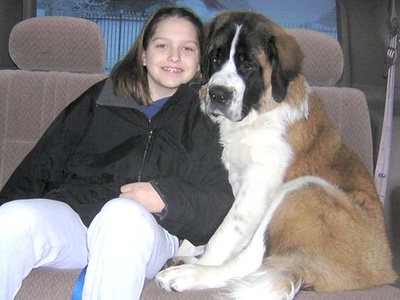
St. Bernard
Massive, patient rescue breed often seen with tricolor combinations: white base, red or brindle patches and a dark mask; commonly 55–91 kg. Gentle, steady guardian famed for mountain rescue history; many standards describe red/brindle and white with dark facial markings.