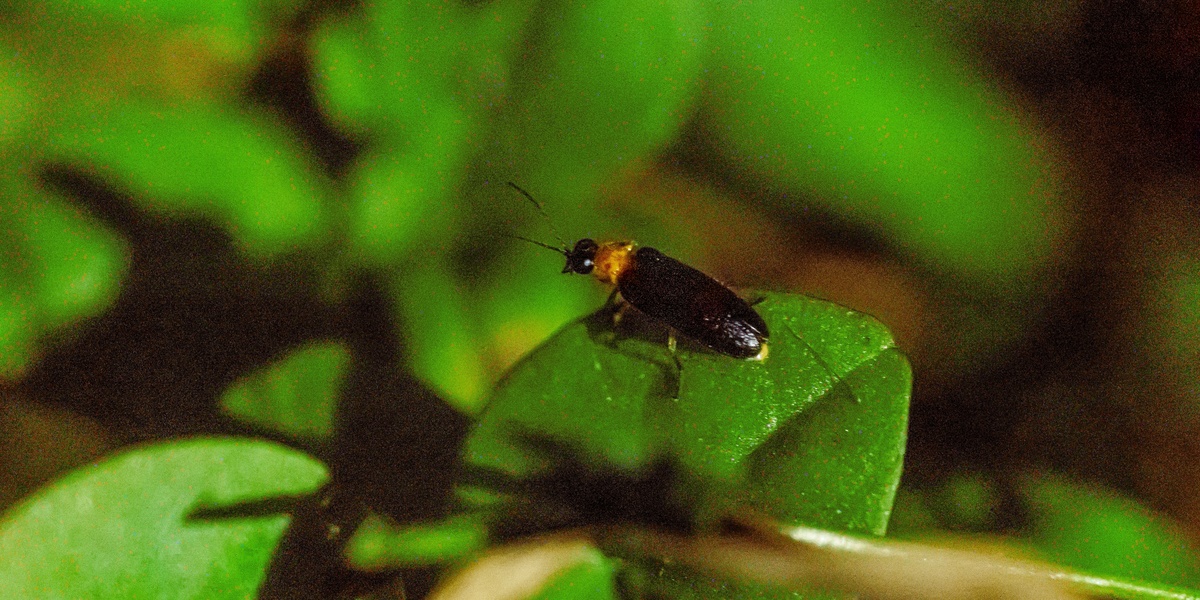
On warm evenings along marsh edges and wooded clearings, soft points of light appear among leaves and grasses, marking where insects are active at dusk. Those glows are part of a small but varied group of species that use chemistry to make light for mating, defense, or hunting.
There are 12 bioluminescent insects, ranging from Blue ghost to Railroad worms; for each you’ll find the Scientific name, Glow mechanism, and Range below.
How do bioluminescent insects produce light, and does the process differ by species?
Most use a chemical reaction between a substrate (luciferin) and an enzyme (luciferase) that emits light with very little heat, but the exact molecules and control systems vary by group; some firefly species flash to attract mates while other glowworms and railroad worms emit steady light for defense or to lure prey.
Where and when am I likely to see Blue ghost or Railroad worms in the wild?
It depends on the species and region — some like Blue ghost are seen in damp, deciduous forests at dusk in certain temperate areas, while railroad worms occur in warmer, often tropical zones — check local guides, look on humid evenings after rain, and avoid bright lights to improve your chances.
Bioluminescent Insects
| Common name | Scientific name | Glow mechanism | Range |
|---|---|---|---|
| Fireflies | Lampyridae | luciferin-luciferase; yellow-green | Worldwide (temperate & tropical) |
| Common eastern firefly | Photinus pyralis | luciferin-luciferase; greenish-yellow | Eastern North America |
| Genji firefly | Luciola cruciata | luciferin-luciferase; yellow-green | Japan & East Asia |
| Common glow-worm | Lampyris noctiluca | luciferin-luciferase; yellow-green | Europe |
| Blue ghost | Phausis reticulata | luciferin-luciferase; blue-white | Southeastern United States (Appalachians) |
| Click beetle (Pyrophorini) | Pyrophorus noctilucus (and allies) | luciferin-luciferase; green | Neotropics (Central & South America, Caribbean) |
| Railroad worms | Phengodidae | luciferin-luciferase; green and red in some species | Americas (mainly Neotropics) |
| Phrixothrix railroad worm | Phrixothrix hirtus | luciferin-luciferase; green and red | South America (Brazil region) |
| New Zealand glowworm | Arachnocampa luminosa | photoprotein/luciferin-based; blue-green | New Zealand caves & forests |
| Dismalites (cave gnat) | Orfelia fultoni | photoprotein/luciferin-based; blue | Eastern North America (caves & seeps) |
| Fungus gnat glowworms (Keroplatidae) | Keroplatidae (various genera) | photoprotein/luciferin-based; blue-green | Worldwide (moist forests & caves) |
| Predatory mimicking firefly | Photuris spp. | luciferin-luciferase; yellow-green | North America |
Images and Descriptions
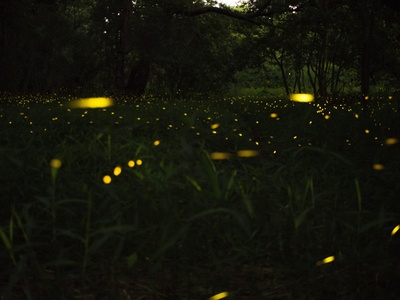
Fireflies
Familiar flashing beetles whose light is produced by a luciferin-luciferase reaction, usually yellow-green. Found in temperate and tropical regions worldwide, adults flash or glow to attract mates and deter predators; larvae often glow for prey detection and warning.
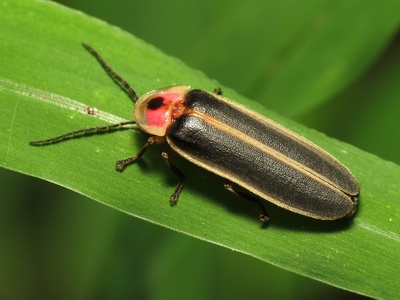
Common eastern firefly
Common eastern firefly notable for synchronized evening flashes in fields and gardens. Males fly and flash to attract sedentary glowing females; light is a greenish-yellow luciferin-luciferase emission used for mate signaling and predator deterrence.

Genji firefly
Genji firefly of Japan famous for synchronous flashes along streams. Males perform timed flash patterns while females respond from vegetation; the yellow-green luciferin-luciferase glow serves precise mate recognition and attracts viewers to summer displays.
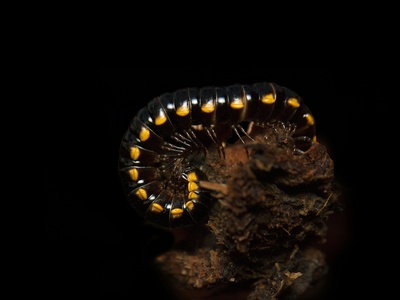
Common glow-worm
European glow-worm where flightless females sit on low vegetation and glow to lure flying males. Bioluminescence is a yellow-green luciferin-luciferase light used primarily for mating signals at night; larvae also glow while hunting snails.
Blue ghost
Blue Ghost firefly famous in Appalachian forests for a steady, ethereal blue-white glow. Males perform floating flashes while females remain low; the luciferin-luciferase emission is dimmer and more ghostly than common fireflies, creating stunning evening displays.
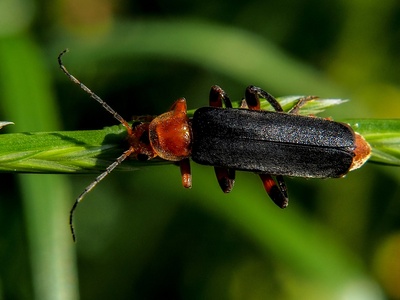
Click beetle (Pyrophorini)
Neotropical click beetle that glows from two thoracic spots and, in some species, the abdomen. A green luciferin-luciferase glow is continuous and used for predator deterrence, species recognition, and low-level mate signaling in tropical fields and forests.
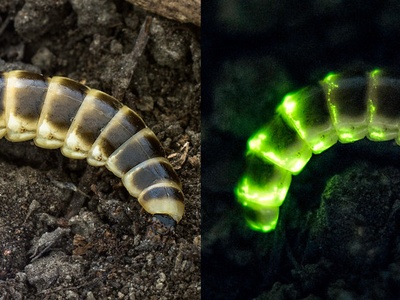
Railroad worms
Phengodid larvae and flightless females produce persistent, multicolored bioluminescence—green along the body and red in some head segments. Found in the Americas, lights lure prey and warn predators; males are small, often weakly luminous.
Phrixothrix railroad worm
South American railroad-worm species known for rare red bioluminescence plus green body lights. Larvae and females glow to attract prey and deter predators; red emission arises from a distinct luciferase, making it notable to scientists and collectors.
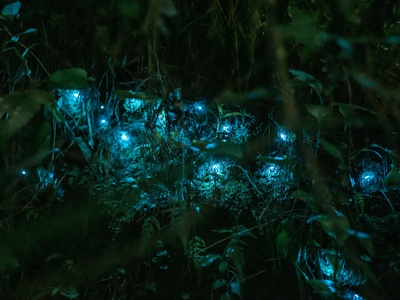
New Zealand glowworm
New Zealand glowworm fly larva that hangs sticky silk threads with lighted tips inside caves and forest hollows. The blue-green photoprotein-based glow lures insects to be trapped and eaten; adults are short-lived and usually non-luminous.
Dismalites (cave gnat)
North American cave fungus gnat larva that creates a small, blue glowing mound to attract prey at cave entrances and seeps. The glow lures tiny insects into sticky mucus; this rare, localized species is prized by cave naturalists.
Fungus gnat glowworms (Keroplatidae)
Several keroplatid larvae produce blue-green light from bioluminescent secretions or photocytes to lure prey on silk threads in damp forests and caves. Range is global in suitable habitats; light helps capture food and may deter tiny predators.
Predatory mimicking firefly
Predatory Photuris females mimic flash patterns of other fireflies to lure and eat male fireflies, acquiring defensive chemicals. The yellow-green luciferin-luciferase glow is used both in deceptive mating signals and in warning displays across North American wetlands.