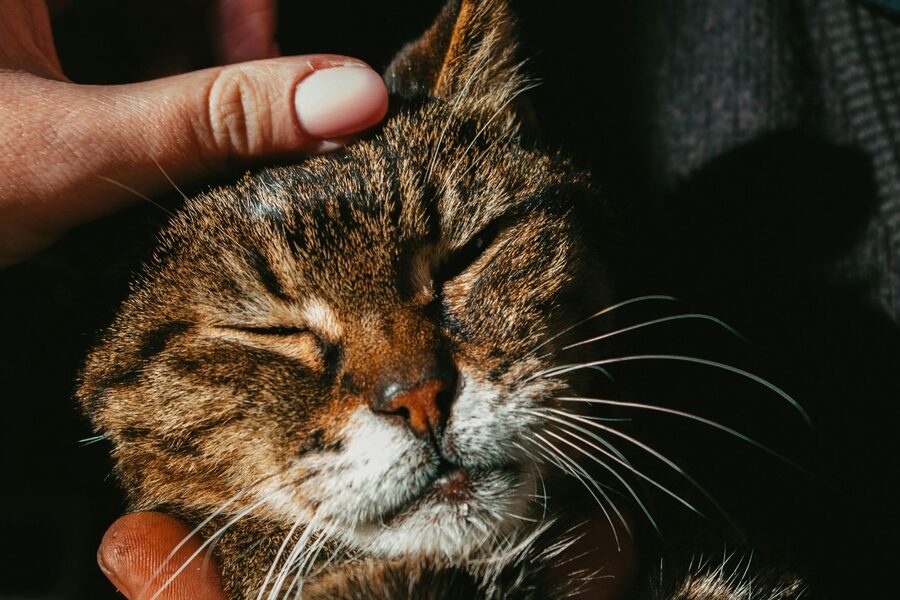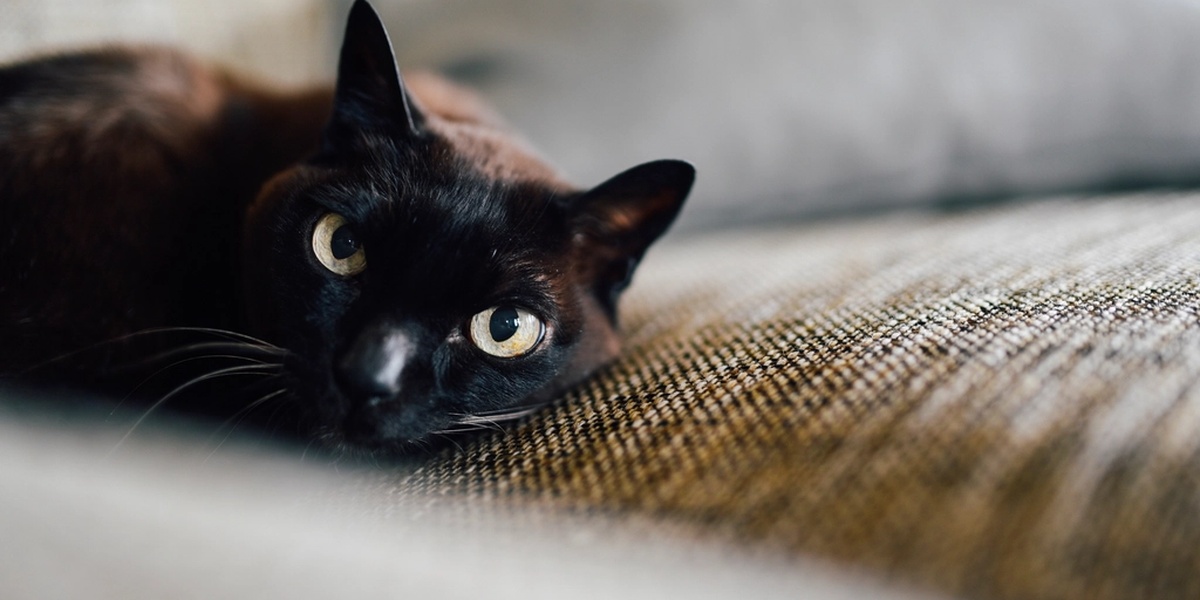
Whether you’re choosing a cat for a compact city flat or a roomy country house, coat color is often the first thing that draws you in and helps narrow down options. Browsing a focused list makes it easier to compare looks, lineage hints, and average sizes at a glance.
There are 21 black and brown cat breed, ranging from American Shorthair to Turkish Van; for each entry you’ll find below Scientific name,Black/Brown variants,Typical size (kg) — you’ll find below.
How can I tell if a black or brown cat is a true breed or a mixed domestic cat?
Look at consistent physical traits (body shape, head, tail), known breed coat patterns, and typical size, but the clearest answers come from pedigree papers or a genetic test; shelters and breeders can also help identify likely heritage.
Do black or brown coats affect a cat’s health or behavior?
Coat color alone rarely determines health or temperament; breed-specific conditions may correlate with certain lineages, so check the scientific name and typical size for each breed to learn about known health issues and care needs.
Black and Brown Cat Breed
| Breed | Scientific name | Black/Brown variants | Typical size (kg) |
|---|---|---|---|
| American Shorthair | Felis catus | Solid black, brown mackerel/tabby, brown patched tabby | 4–6 |
| British Shorthair | Felis catus | Solid black, chocolate/chestnut, brown tabby | 4–8 |
| Maine Coon | Felis catus | Solid black, brown (classic/lynx/tabby), brown patched | 5–9 |
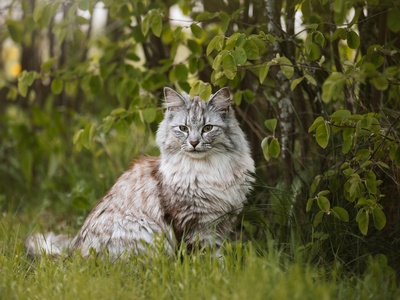
| Norwegian Forest Cat | Felis catus | Brown tabby/lynx, solid black, shaded brown | 4–7 |
| Siberian | Felis catus | Brown tabby, solid black, shaded brown | 4–7 |
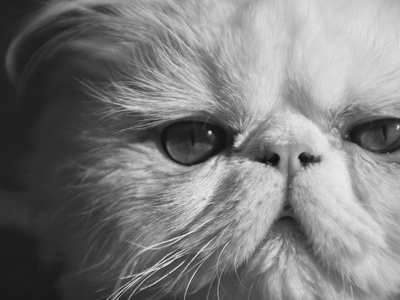
| Persian | Felis catus | Solid black, chocolate/chestnut, brown tabby/shaded | 3–6 |
| Cornish Rex | Felis catus | Solid black, chocolate, brown tabby/shaded variants | 2–4 |
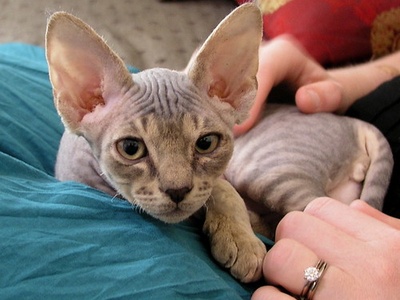
| Devon Rex | Felis catus | Solid black, chocolate, brown tabby/shaded variants | 2–4 |
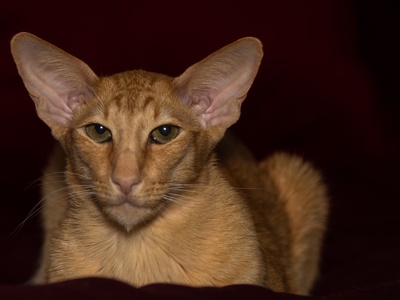
| Oriental Shorthair | Felis catus | Solid black, chocolate, brown tabby/tonal patterns | 2.5–5 |
| Oriental Longhair | Felis catus | Solid black, chocolate, brown tabby/pointed patterns | 3–5 |
| Turkish Angora | Felis catus | Solid black, brown tabby, shaded brown markings | 2.5–5 |
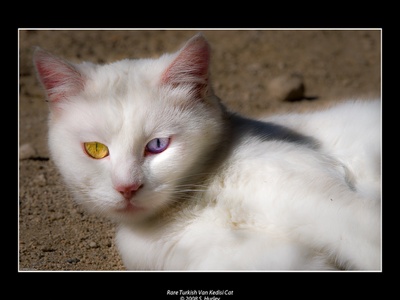
| Turkish Van | Felis catus | Black/red/cream markings on white, brown tabby patches | 3–6 |
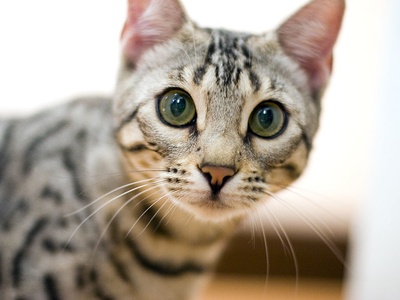
| Bengal | Felis catus × Prionailurus bengalensis | Brown/amber spotted tabby, melanistic black (smoky/solid) | 4–6 |
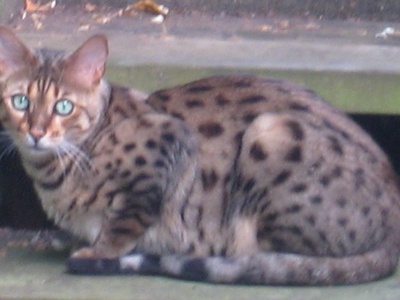
| Ocicat | Felis catus | Tawny/brown spotted, black, brown patched tabby | 3.5–6 |
| Egyptian Mau | Felis catus | Bronze/brown spotted tabby, silver, smoke (dark/black tones) | 2.5–5 |
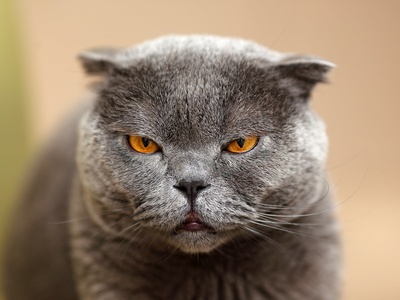
| Scottish Fold | Felis catus | Solid black, brown tabby, shaded brown | 3–6 |
| Japanese Bobtail | Felis catus | Black-and-white, brown tabby, tri-color with dark patches | 2–4 |
| Manx | Felis catus | Solid black, brown tabby, patched brown | 3.5–6 |
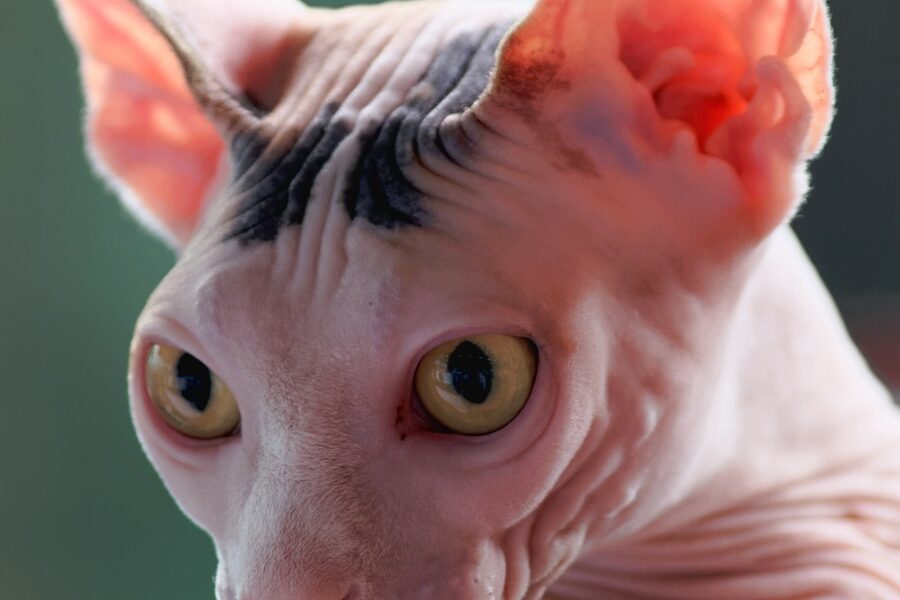
| Sphynx | Felis catus | Black (skin/faint fuzz), chocolate/brown-toned skin and points | 3–6 |
| Ragamuffin | Felis catus | Brown tabby, solid black, shaded brown, patches | 4–8 |
| Chausie | Felis catus × Felis chaus | Brown/grizzled ticked tabby, black grizzled, shaded forms | 4–7 |
Images and Descriptions
American Shorthair
Classic North American pet with a stocky, muscular build and easygoing temperament. Commonly seen in solid black and warm brown/tabby patterns; hardy, low-maintenance coat and a long history as a practical family companion.
British Shorthair
Round-faced, dense-coated British favorite from the UK known for calm, affectionate manners. Recognized in both black and rich chocolate/brown shades including tabby variants; plush coat highlights darker tones and requires moderate grooming.

Maine Coon
Large, rugged American longhair prized for friendly, dog-like personality and tufted ears. Frequently shows brown tabby patterns and solid black coats; thick coat suited to cool climates and regular brushing.
Norwegian Forest Cat
Scandinavian, semi-longhaired forest cat with a strong build and waterproof coat. Commonly presents brown tabby markings and black variants; hardy outdoorsy origins and a playful, independent temperament.
Siberian
Russian natural breed with dense, hypoallergenic-leaning triple coat and an affectionate, active nature. Often appears in brown tabby tones and black; the thick fur emphasizes warm brown ticking or deep black shading.
Persian
Long-coated, flat-faced Persian renowned for a calm, gentle disposition. Comes in many colors including deep blacks and chocolate/brown variants; requires daily grooming and suits quiet indoor life.
Cornish Rex
Slim, short-curled coat and high-energy personality from Cornwall, England. Color palette regularly includes black and brown/chocolate variants; low-shed coat feels soft but benefits from occasional bathing and warmth.
Devon Rex
Playful, elfin-faced cat with soft wavy coat and mischievous personality. Regularly seen in both black and brown/chocolate tones; a sociable companion that enjoys interaction and needs minimal brushing.
Oriental Shorthair
Sleek, vocal, and highly social breed derived from Siamese lines with a huge color range. Includes true blacks and brown/chocolate varieties in many patterns; slender body and short coat make grooming easy.
Oriental Longhair
Longhaired counterpart to the Oriental Shorthair, sharing the same extroverted, talkative temperament. Colors include black and brown/chocolate variants; requires regular brushing to keep the silky coat tangle-free.
Turkish Angora
Ancient Turkish breed with graceful build and lively intelligence. While famous in white, it routinely presents in black and various brown/tabby patterns; fine single coat and agile, playful nature.
Turkish Van
Originating from Lake Van region, this energetic swimmer shows colored “van” pattern including dark black and brown patches on a predominantly white coat; active, confident, and athletic.
Bengal
Wild-looking domestic hybrid with leopard-like spots or marbling, bred from Asian leopard cat. Striking brown-spotted coats and occasional melanistic (near-black) individuals make brown and black tones signature traits; very active and curious.
Ocicat
Domestic breed created to resemble wild cats; spotted tawny and brown patterns are typical alongside black-marked forms. Friendly, outgoing, and energetic—good family pets with distinctive spotted coats.
Egyptian Mau
Natural spotted breed from Egypt celebrated for speed and striking spots. The bronze (warm brown) variant is classic, while smoke and darker expressions yield deep blackish tones; loyal and vocal with a high energy level.
Scottish Fold
Known for folded ears and round faces, Scottish Folds come in many colors including black and brown/tabby variants. Sweet-natured and calm, they display a plush coat that often highlights darker brown or black markings.
Japanese Bobtail
Traditional Japanese breed with short bobbed tail and lively, playful temperament. Appears in black and brown/tabby patterns, often as patched or bi-color; spirited, social, and frequently seen in cultural art.
Manx
Tailless or short-tailed island breed from the Isle of Man with strong hindquarters. Exhibits both black and brown/tabby coats commonly; adaptable, sturdy, and affectionate, though spinal health needs monitoring in breeding lines.
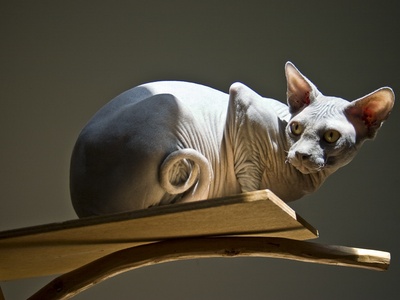
Sphynx
Hairless breed notable for warm, suede-like skin and outgoing, attention-seeking personality. Comes in both dark black and brown/chocolate skin pigmentation and patterned fuzz; needs regular bathing and temperature care.
Ragamuffin
Large, plush-coated, and extremely affectionate companion breed derived from Ragdoll lines. Frequently found in brown/tabby patterns and solid black varieties; dense coat requires moderate grooming and shows rich warm tones well.
Chausie
Hybrid breed descended from the jungle cat, combining wild look with domestic temperament in some lines. Commonly shows brown grizzled or darker black-tinted coats; athletic, high-energy, and best for experienced owners.