Cats were first domesticated around 9,000 years ago in the Near East, and since then they’ve adapted to many human lifestyles — including the fast-paced life of people who live alone and work long hours.
Single professionals often need a different approach when choosing a cat: predictable energy and grooming needs, tolerance for 6–8 hour workdays, and an animal that fits apartment life make ownership manageable rather than stressful.
This guide profiles the top 10 cat breeds for single professionals — breeds that balance independence, companionship, apartment-friendliness and manageable care. The list is organized into three practical groups: low-maintenance/independent, affectionate/social, and practical/apartment & allergy-friendly. Each entry includes lifespan, grooming, temperament and real-world adoption or ownership tips. If budget and availability matter, remember that mixed-breed domestic shorthaired cats are often excellent, low-cost options from shelters.
Low-maintenance & Independent Breeds
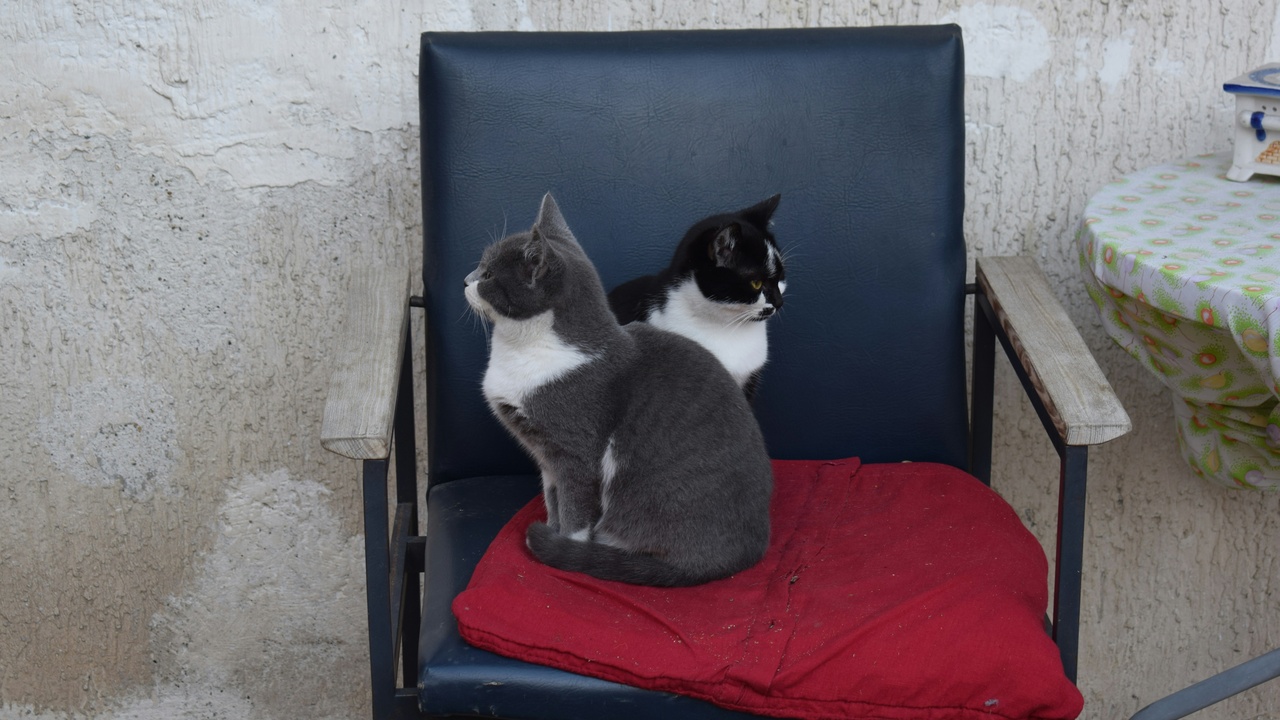
For many people working full days, independence matters. Cats that tolerate 6–8 hours alone, shed minimally, and have predictable temperaments make coming home restful rather than chaotic.
Short-haired, low-maintenance breeds often need only 5–15 minutes of grooming per week and routine vet checks annually or biannually. Adoption fees at shelters typically run $50–200, while buying from a breeder can exceed $800; that cost gap matters for many first-time owners.
Busy professionals often report that an evening play session and a consistent feeding schedule are enough. Below are four calm, apartment-friendly breeds that tend to fit that lifestyle, plus practical adoption notes and cost considerations.
1. Russian Blue — Quiet, self-sufficient companion
Russian Blues are calm, independent and require minimal grooming thanks to a short, dense coat that benefits from brushing about once a week.
Lifespan: typically 10–20 years. Breed clubs like the Cat Fanciers’ Association (CFA) describe them as affectionate yet reserved, which makes them ideal for someone with a steady work schedule who wants a low-drama companion.
Typical grooming time is ~10 minutes per week. Adoption from a rescue may cost $50–200; breeders often charge $800+. Busy owners say Russian Blues greet you politely at the door and then relax beside you while you unwind.
2. British Shorthair — Low-energy, easy-going roommate
British Shorthairs are steady, low-energy cats with an easy-care coat that needs occasional brushing.
Adult weight: about 7–17 lbs; lifespan: 12–20 years. Owners report that 20–30 minutes of interactive play per day keeps them content, and they’re well-suited to smaller living spaces because they aren’t hyperactive.
Breed club guidance highlights a calm temperament and predictable behavior, which lowers surprises for first-time owners. Vet costs and routine care are similar to other medium breeds.
3. American Shorthair — Healthy, adaptable household cat
American Shorthairs are robust, adaptable and one of the most common types found in shelters, making them accessible and budget-friendly.
Average lifespan: 15+ years. A broad genetic pool tends to reduce breed-specific health issues, and coats are low-maintenance—brush occasionally and plan annual to biannual vet checks.
For first-time single owners, an American Shorthair from a shelter can save hundreds of dollars and often matches a dependable temperament to a busy schedule.
4. Chartreux — Calm, low-demand companion
Chartreux cats are quiet, affectionate without being clingy, and require minimal grooming of a dense medium coat.
Lifespan: roughly 10–15 years. They’re less vocal than many breeds and make excellent evening companions for a professional who needs uninterrupted focus during the workday.
Because Chartreux are less common, adoption may require contacting breed rescues or waiting; when found, they often fit the “laid-back but loving” mold that busy people appreciate.
Affectionate, Social Breeds Suited to Busy Lives
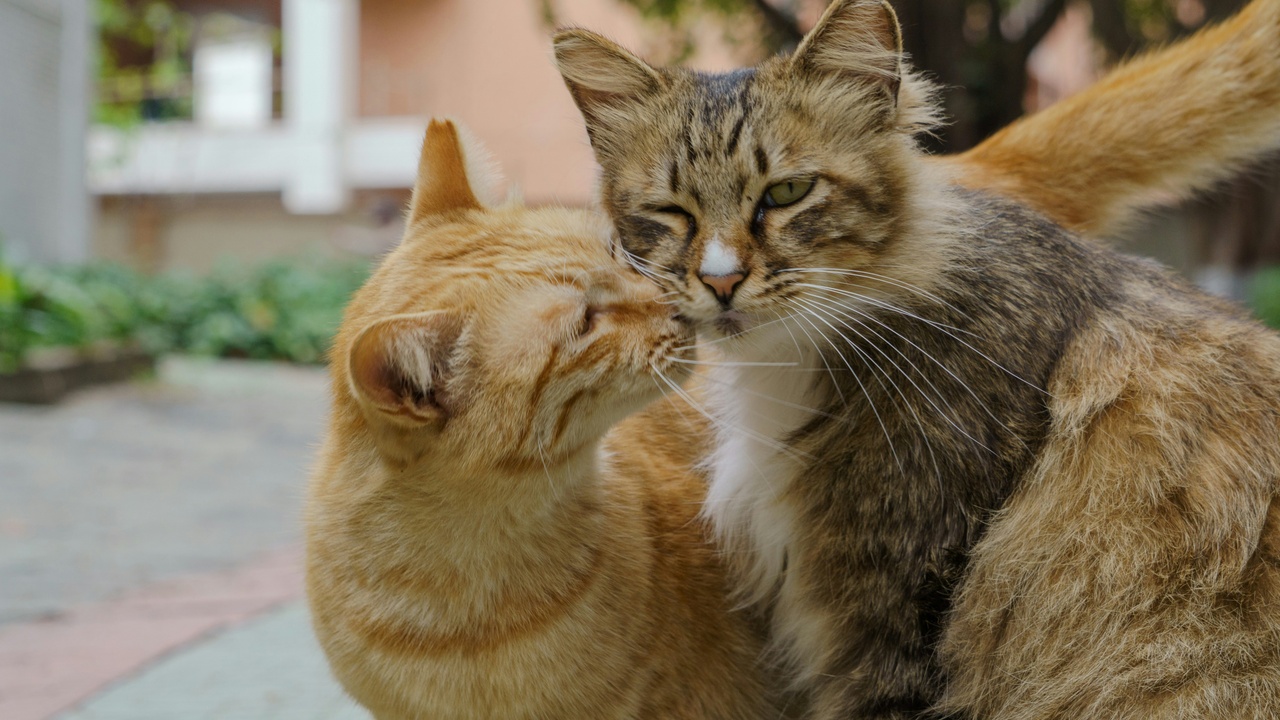
Some single professionals prefer a cat that actively seeks company — a pet that greets you at the door, laps up evening cuddles, or chats with you while you cook.
The trade-off is that social breeds usually need more interactive time at home or quality enrichment while you’re away. A practical target is 20–40 minutes of daily interactive play, supplemented by puzzle toys, automatic feeders and occasional pet-sitter visits.
With planning (scheduled play, usng puzzle feeders, or short morning/evening sessions), many affectionate breeds fit a busy schedule and deliver high emotional payoff after work.
5. Ragdoll — Affectionate and placid lap cat
Ragdolls are famously mellow and love to be held, making them an ideal wind-down companion after long days.
Size: large (10–20 lbs); lifespan: 12–15 years. Their semi-long coat benefits from brushing 2–3 times per week to prevent mats, and owners often schedule a 15–30 minute interactive session each evening.
Be aware of potential breed-specific health checks and a higher purchase price from breeders. If adopting, look for rescue groups that list health histories and grooming needs.
6. Burmese — People-oriented and playful
Burmese cats are extremely people-focused, often described as “dog-like” in loyalty and attachment to routines.
Lifespan: about 10–16 years. Grooming is minimal, but they can become vocal or demanding if ignored; many owners use puzzle feeders on workdays or pair a Burmese with a compatible second pet.
Scheduled play sessions and environmental enrichment keep their social needs met without upending a professional schedule.
7. Siamese — Loyal and conversational companion
Siamese cats form strong bonds and are notably vocal and intelligent—great for someone who wants a clearly engaged companion.
Lifespan: 12–20 years. Grooming is minimal, but they need mental stimulation and activity; many busy owners schedule two short 10-minute play sessions (morning and evening) and add vertical climbing spaces to apartments.
Automated puzzle toys and perches help keep a Siamese satisfied during work hours while preserving a lively connection when you’re home.
Practical Choices for Apartments, Allergies & Adoption
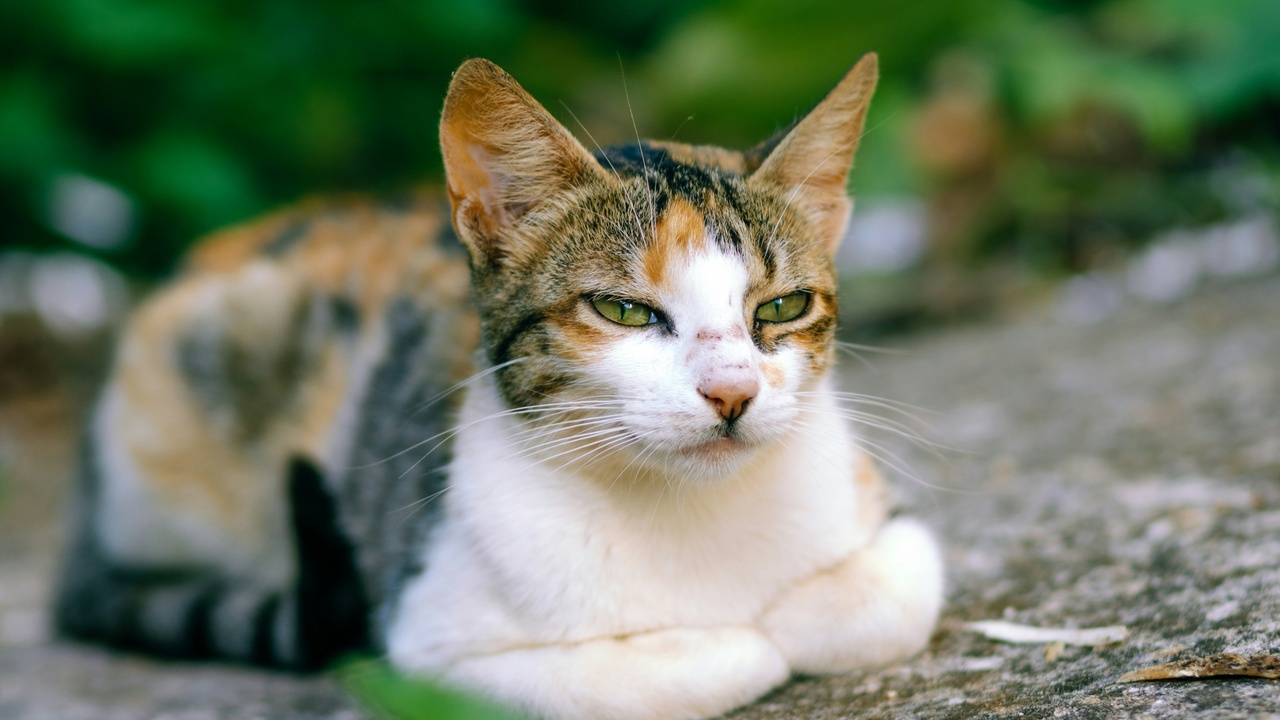
Apartment living, building rules and allergy concerns shape which cats fit your life. Noise tolerance, litter placement and landlord policies are practical details that matter as much as personality.
Some breeds marketed as hypoallergenic reduce fur but still produce dander; the American College of Allergy, Asthma & Immunology notes individual reactions vary. Average one-bedroom apartments in many urban areas range roughly 600–800 sq ft, so vertical space and odor control (sealed litter areas, baking-soda litter) help a lot.
When evaluating cat breeds for single professionals, weigh trade-offs: hairless breeds need regular bathing and skin care, while mixed domestic shorthaired cats offer wide availability and affordability. Always ask shelters or breeders about health clearances, behavior history and how a cat handles alone time.
8. Sphynx — Low-shedding, high-affection option (requires special care)
Sphynxes reduce fur-related dander transfer but require regular skin care, sun protection and cozy indoor temperatures.
Lifespan: about 8–14 years. Expect to bathe every 1–2 weeks, keep them indoors, and provide extra warmth (clothing or heated spots) because they lack insulating fur.
Budget for special shampoo, occasional clothing and slightly higher heating costs — roughly an extra $10–30/month depending on climate. Rescues and breed-specific organizations occasionally have Sphynxes available.
9. Bombay — Compact, affectionate, and apartment-friendly
Bombays are small-to-medium, adaptable indoor cats that bond with people without being overly demanding.
Weight: roughly 6–12 lbs; lifespan: 12–16 years. Grooming is low to moderate, and they tolerate being alone for work hours so long as they get evening interaction.
Bombays are less common in shelters, so adoption may require contacting breed rescues. They often fit professionals who want a personable, apartment-suited pet without high maintenance.
10. Domestic Shorthaired (Mixed-breed) — The practical, widely available choice
Domestic shorthaired cats are the most common shelter cats and often the most practical pick for single professionals on a budget.
Adoption fees commonly run $50–200; lifespan: about 12–18 years. Mixed breeds typically show fewer inherited conditions and come in a variety of temperaments, so you can often find one whose activity level matches your schedule.
Bring a short checklist to the shelter: review health records, ask about behavior with alone time and litter-box habits, note estimated age, and request any known routine the cat was used to. A well-matched shelter cat can be the lowest-stress route to reliable companionship.
Summary
Picking a cat means matching energy, grooming and social needs to your schedule and living situation. These practical takeaways will help you narrow choices and prepare for successful ownership.
- Match breed energy to your work day: independent types tolerate 6–8 hours alone; social breeds typically need 20–40 minutes of play daily.
- Start at a shelter—domestic shorthaired cats are affordable ($50–200) and often healthy; breeder prices commonly exceed $800 for pedigreed kittens.
- Plan for basic care: grooming 5–15 minutes/week for short-haired cats, 2–3 brushings/week for some long-coated breeds, and routine vet checks (annual to biannual).
- If allergies or space are a concern, consider breeds like the Sphynx (skin care weekly) or smaller apartment-friendly breeds, and ask shelters about a cat’s alone-time behavior before adopting.
- Create a 30-day trial checklist, visit local shelters, and shortlist 2–3 breeds to meet in person to see which personality fits your life best.