
In the 1930s, hamsters were first brought into laboratory settings from Syria, and their curious anatomy and behavior quickly made them subjects of study — and popular pets.
Too many people buy a small rodent without knowing traits that change daily care, housing, and long‑term welfare. That leads to stressed animals and frustrated owners.
This article breaks down 10 clear, observable characteristics of a hamster that every prospective owner, student, or enthusiast should understand — from physical traits and behavior to lifespan and health cues.
Content is grouped into physical, behavioral, social, and health/lifecycle categories so you can match care to need. Short, practical facts and actionable tips follow.
Physical characteristics

Physical traits vary by species — most notably between the larger Syrian and the smaller dwarf hamsters. Size, coat, and adaptations like cheek pouches are easy to observe and affect cage size, diet, and grooming needs.
1. Fur type and coat patterns
Hamsters display a variety of fur types, from single-colored short coats to long‑haired varieties. Common types include short, dense coats (Campbell’s, Winter White), satin coats, and long-haired “teddy bear” Syrians.
Color and pattern mutations are widespread in the pet trade: agouti, cream, black, pied, and banded patterns show up frequently. Coat type affects grooming frequency and heat sensitivity; long-haired Syrians need occasional brushing and cooler summer spots.
When choosing bedding and housing, match materials to fur: loose, dust‑reduced substrates and avoid sticky or clumping litters that mat long fur. If you prefer low-maintenance pets, short‑coated dwarfs are simpler grooming-wise.
2. Size and weight ranges
Typical sizes differ sharply by species. Syrians (Golden) reach about 5–7 inches and weigh roughly 120–200 grams. Dwarf species range from 1.5–4 inches and 20–60 grams (Roborovski: ~1.5–2 in, 20–25 g).
Size matters for hardware: a larger hamster needs a bigger cage floor area and a wider running wheel. For example, a 6‑inch Syrian usually does best with a 28–30 cm diameter wheel, while a Roborovski needs roughly 18–20 cm.
Diet portions and feeding frequency scale with weight. Small dwarfs require smaller seeds and kibble pieces; overfeeding high‑fat treats can quickly cause obesity in heavier Syrians.
3. Cheek pouches and food storage
Cheek pouches are a defining physical trait used to transport and temporarily store food and nesting material. The expandable pouches run from the mouth back toward the shoulders and can hold several grams or a handful of seeds.
This adaptation evolved for foraging and rapid hauling to a safe nest. At home, owners will notice bulging cheeks when a hamster hauls sunflower seeds, kibble, or nesting bits.
Check pouches during handling to prevent packed food from spoiling or causing impaction. Gentle pouch inspection and offering varied enrichment reduces excessive hoarding in accessible locations.
Behavioral characteristics
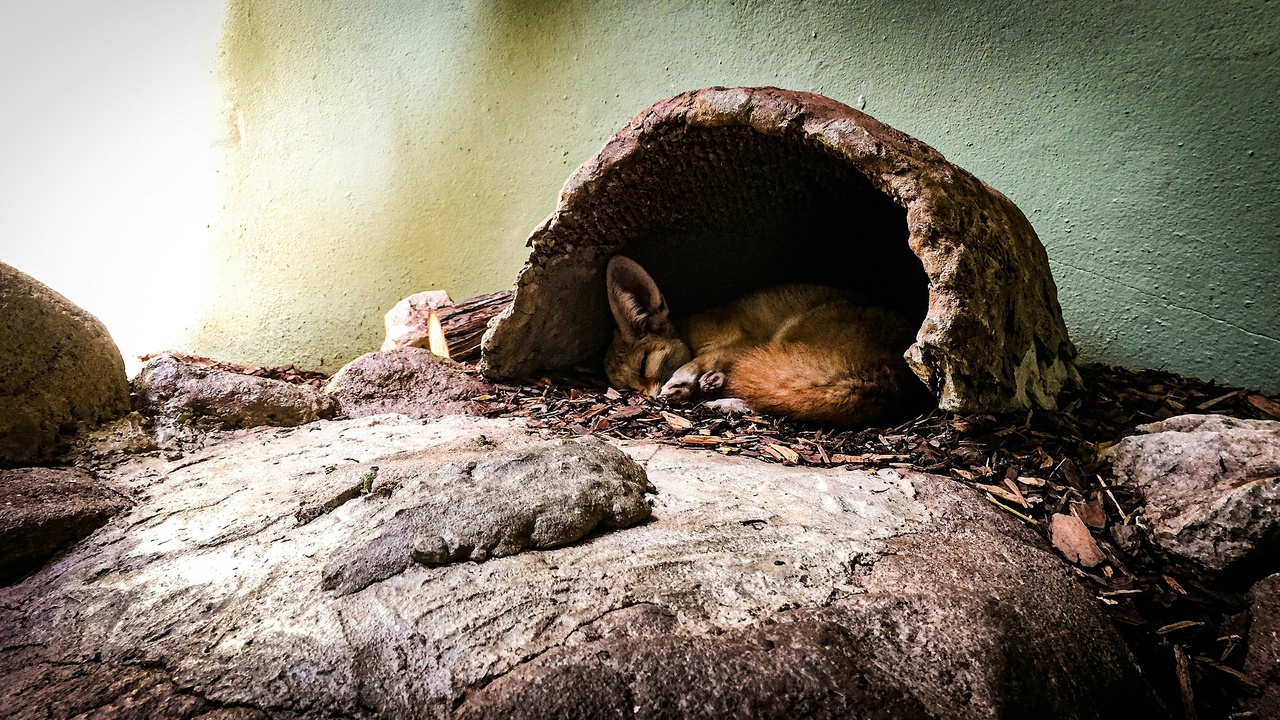
Behavior drives when and how hamsters need attention. Most are active at night and have strong instincts to burrow and exercise. Align daily care with these rhythms to reduce stress.
4. Nocturnal activity patterns
Most hamsters are nocturnal or crepuscular, active from dusk through early morning. Peak hours often fall between 9 p.m. and 4 a.m., though individuals vary.
That schedule matters for placement: a wheel in a bedroom can disrupt sleep. Plan handling and playtime for evening hours and use a dim red lamp if you want to observe without waking your pet.
Some dwarf types show more flexible patterns and may nap during the day; still, expect most activity at night. Schedule feeding and interaction to match those active windows.
5. Burrowing and nesting instincts
Hamsters are natural burrowers that tunnel and build nests. Deep, safe substrate lets them express this core behavior, which supports mental health and comfort.
Recommended bedding depth ranges roughly 10–30 cm depending on species — deeper for Syrians and those that enjoy extensive tunneling. Provide hideouts and several nesting materials like shredded paper, hay, or aspen.
Design enclosures with multiple levels of cover and chew-safe tunnels. A shallow cage with no substrate denies natural digging and can lead to stress‑related behaviors.
6. High exercise drive and wheel use
Hamsters run a lot. Laboratory and owner reports often show individuals covering several kilometers each night; typical observed ranges are about 3–7 km for active adults on wheels.
Choose a solid-surface wheel sized to the animal: 25–30 cm for Syrians and 18–20 cm for small dwarfs. A proper diameter prevents spinal arching and joint strain.
Supplement wheels with tunnels, chew toys, and supervised floor time in a secure playpen so they can burn energy and explore safely outside the cage.
Social and communication traits

Social needs differ by species. Communication leans heavily on scent, body posture, and short vocalizations. Housing choices must reflect those differences to prevent injury.
7. Solitary vs social species differences
The basic rule: Syrian hamsters are solitary and should be housed alone. They typically fight if paired, even adults of the same sex.
Some dwarf species — Campbells or Winter Whites — can sometimes live in same‑sex pairs or small groups when introduced young and monitored closely. Introductions are safest before sexual maturity, generally before about 4–6 weeks of age.
Watch for aggression signs: loud squeaking, fur loss, chasing, and bite wounds. If you see those, separate animals immediately and consult an experienced keeper or vet.
8. Scent marking and nonverbal cues
Hamsters rely on scent glands and urine marking to communicate territory and reproductive status. Male hamsters often have visible flank glands used for rubbing scent on surfaces.
Body language matters: freezing or flattened posture usually means fear, while relaxed grooming and slow approach indicate calm. Young dwarf hamsters may “popcorn” — quick hops — when excited or content.
Learn these signals to interpret stress versus curiosity. Respond calmly: back off during defensive displays and reward gentle approaches with quiet, predictable handling.
Health and lifecycle characteristics
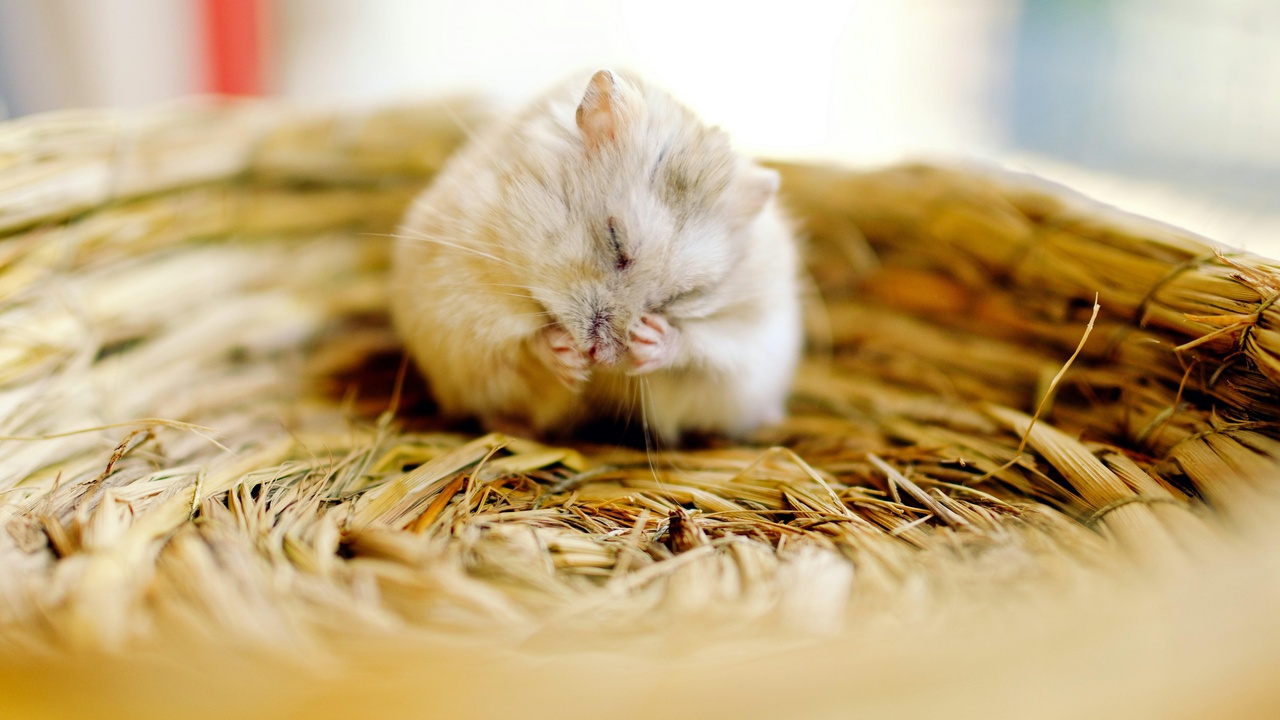
Knowing typical lifespan, reproduction facts, and common illnesses helps owners catch problems early. Routine checks, a balanced diet, and safe enrichment reduce many risks.
9. Lifespan and reproduction
Average lifespans run about 2–3 years, though species and care quality influence longevity. Roborovski hamsters often live near the upper end; some larger breeds may show shorter averages.
Reproduction is rapid. A Syrian gestation is roughly 16 days, and youngsters can reach sexual maturity around 4–6 weeks. That speed can produce unexpected litters if males and females share space.
Responsible keepers avoid casual breeding. If breeding is planned, prepare for neonatal care, separate mothers close to birth, and ensure access to vet advice and resources.
10. Dental growth and common health issues
Hamsters have continuously growing incisors. They need safe chew items so teeth wear normally. Signs of overgrowth include drooling, reduced eating, and weight loss.
Common health problems include wet tail (a severe, sudden diarrhea often in young hamsters), respiratory infections, mites, and tumors in older animals. Wet tail is an emergency — sudden diarrhea and lethargy demand immediate veterinary attention.
Preventive steps: fresh water, balanced diet, clean bedding, chew toys, and timely vet checks. For routine issues, seek a vet experienced with small mammals promptly rather than waiting.
Summary
- Match housing and equipment to species: size, wheel diameter, and bedding depth matter more than most first-time owners expect.
- Respect daily rhythms and instincts: most hamsters are nocturnal burrowers with high exercise needs that must be met safely.
- Watch physical signs tied to key traits: cheek pouches, tooth length, and scent behaviors all signal health and social state.
- Know lifecycle facts before bringing one home: a 2–3 year commitment, fast gestation (~16 days), and early maturity mean planning is essential.
- Act on warning signs—sudden diarrhea, drooling, or unexplained aggression—and arrange veterinary care promptly.