Sheep were among the first animals domesticated by humans roughly 11,000 years ago in the Fertile Crescent, shaping agriculture and textile production for millennia. Today there are about 1.2 billion sheep worldwide, and that long partnership explains a lot about rural economies and the products we take for granted.
Why care? Because the animals’ biology and behavior determine wool quality, lamb survival, pasture impacts, and even which breeds suit a backyard hobbyist versus a commercial shepherd. You’ll see concrete numbers (gestation ~145 days, typical fleece yields 2–10 kg) to help connect those dots.
Understanding core sheep traits clarifies why these animals remain central to farming, culture, and ecosystems worldwide.
Biological and Physical Traits
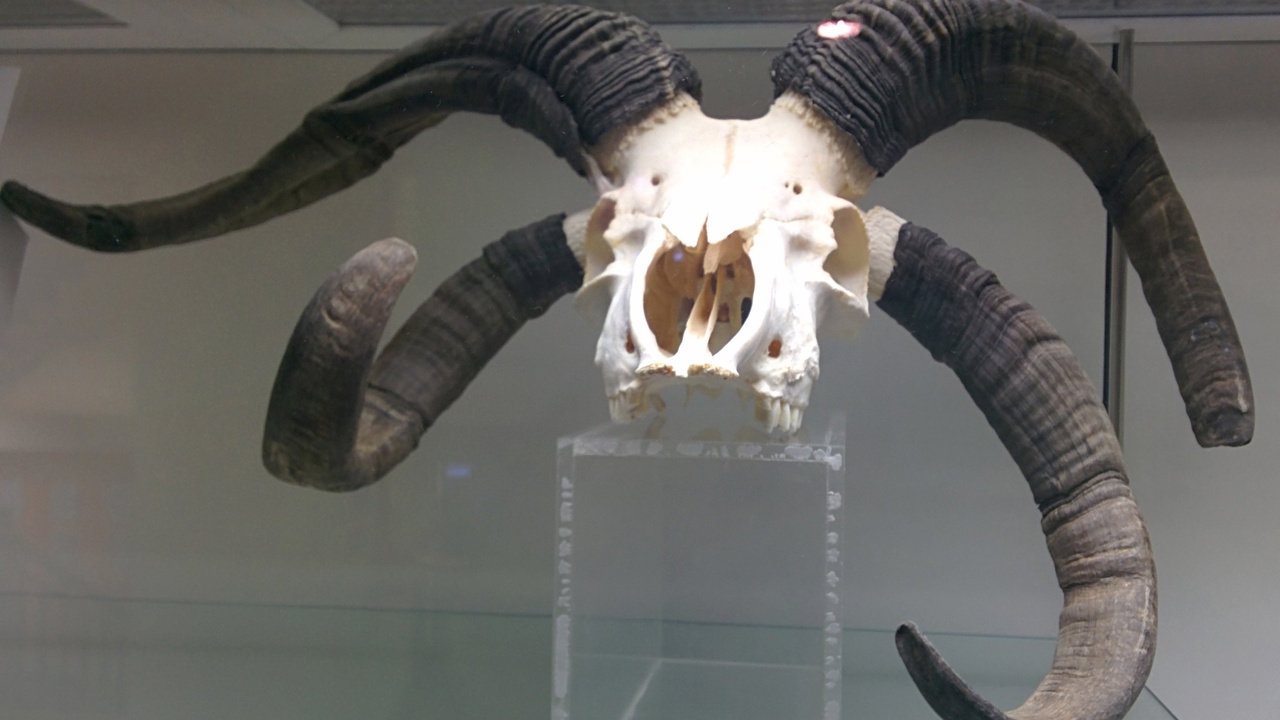
Physical features — fleece, hooves, body shape — relate directly to insulation, mobility, and productivity. Below are measurable traits and breed contrasts that matter on-farm.
1. Wool and Fleece Characteristics
Wool is the defining external feature for many breeds, working as insulation, limited water resistance, and a thermal buffer through seasonal changes. Annual fleece yields vary from about 2 kg on small hill breeds to 10 kg or more on well-fed lowland ewes.
Fiber diameter (micron count) determines end use: Merino fleece typically ranges 11–18 microns and suits fine apparel, while medium wools (Romney, Shetland) run coarser and are used for handknitting or carpets. Global wool production totals millions of metric tons per year, and organizations such as AWEX help coordinate markets and grading.
Lanolin, the natural grease in fleece, has commercial uses in cosmetics and lubricants, so a single fleece yields both fiber and value-added byproducts. Roughly half of raw wool goes to apparel-grade processing in higher-quality microns, the rest to industrial and bulky textile uses.
2. Hooves, Locomotion, and Body Form
Sheep have cloven hooves and compact bodies suited to grazing uneven ground. That design gives traction on slopes and resilience on rough pastures, with hill breeds generally lighter and more nimble than lowland meat types.
Weights vary widely: an adult sheep can be as light as 45 kg on small primitive breeds or exceed 160 kg for large commercial ewes and rams. Breeds like Soay and Manx Loaghtan excel on steep terrain, while Suffolks and Texels are built for meat growth on flat pasture.
Foot health is vital: footrot is common in wet, mild climates and can affect a significant share of flocks in problem areas. Routine trimming (often once or twice a year), use of footbaths, and appropriate fencing reduce issues and protect productivity.
3. Sensory Abilities: Vision, Smell, and Hearing
Sheep have wide-set eyes giving a roughly 300-degree field of view, excellent peripheral vision, and limited binocular overlap — so depth perception is weaker directly in front of them. They are dichromatic, seeing blues and greens better than reds.
Ewes use scent and vocal cues strongly: research shows many mothers recognize their lambs by odor within 6–12 hours after birth. Hearing is acute for high-pitched calls, so sudden movements or unfamiliar sounds trigger strong flight responses.
Those senses shape handling practices: low, solid panels reduce balking, and calm, steady movements keep flock stress down, which in turn supports growth and welfare.
Behavioral and Social Characteristics
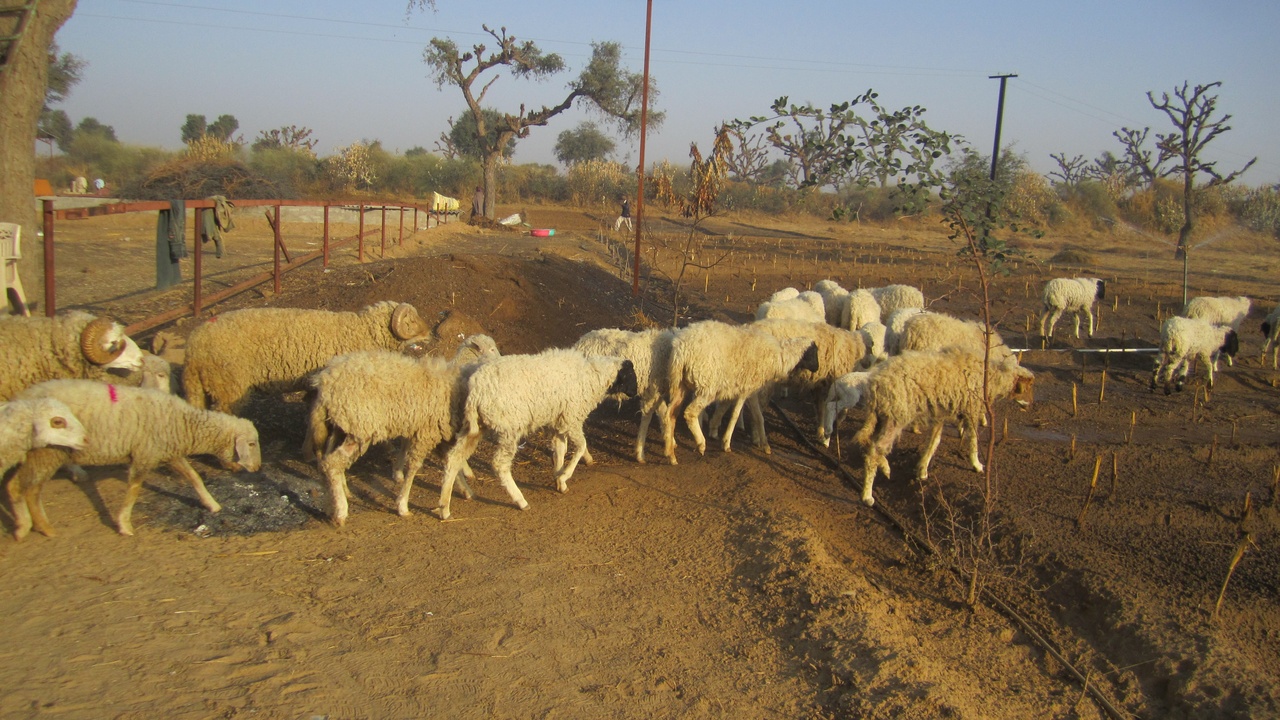
Sheep behavior steers grazing patterns, disease risk, and day-to-day flock management. Domestication and breed selection have tuned social instincts that farmers use to their advantage.
4. Flocking and Group Dynamics
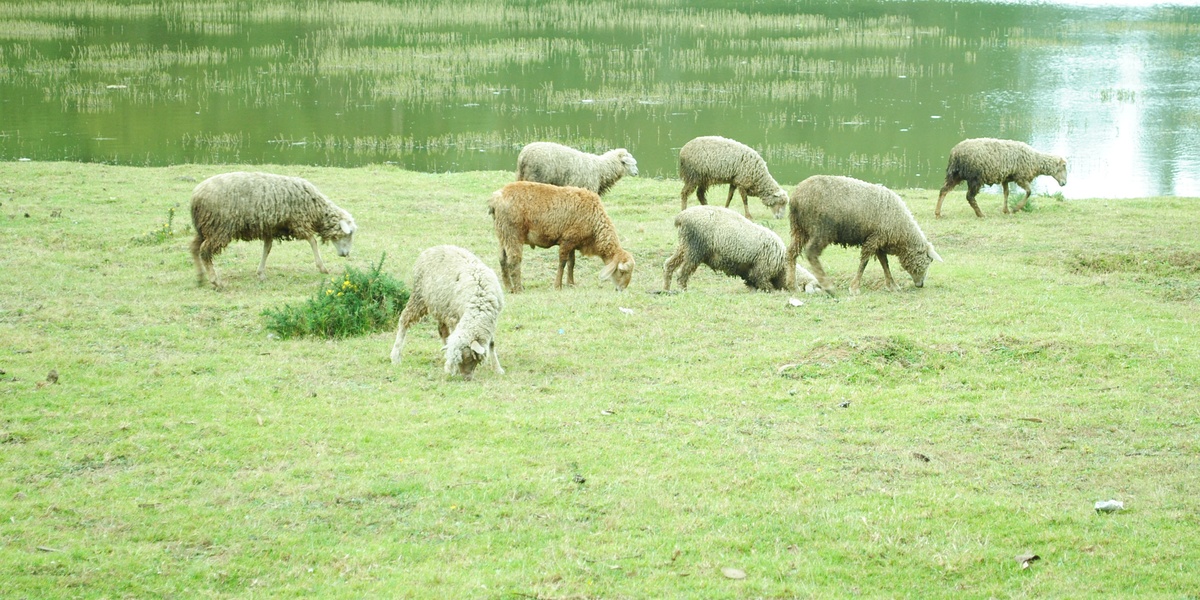
Flocking is a primary anti-predator strategy: sheep stay close, move as a unit, and monitor neighbors for danger. Ethology studies often report preferred nearest-neighbor distances that keep groups cohesive while allowing grazing spread.
Stocking density matters: depending on pasture type, stocking rates might range from a few sheep per hectare on rough hill country to dozens per hectare on irrigated pasture. High density speeds parasite transmission and vegetation change; low density can reduce grazing pressure and favor scrub growth.
Herding dogs (Border Collies) and guardian animals (dogs, llamas) exploit flocking instincts to manage movement and protect against predators. Simple landscape features like shelterbelts guide flow without heavy fencing.
5. Maternal Behavior and Bonding
Ewes form rapid, strong bonds with newborn lambs that directly affect survival. Recognition uses a mix of scent, sight, and voice and usually establishes within hours of birth.
Colostrum in the first 24 hours is essential for immunity; management plans often prioritize ensuring every lamb receives adequate colostrum. Typical gestation is about 145 days, and many producers time nutrition to support late-pregnancy fetal growth.
When maternal care fails, farmers may bottle-feed lambs or use foster ewes with marking harnesses to manage mismothering. Commercial systems track lambing percentages closely; attentive maternal behavior improves survival and flock efficiency.
6. Communication: Vocalizations and Body Language
Sheep communicate with bleats, postures, and coordinated movement. Contact bleats keep groups together, while high, repetitive calls signal distress or separation from lambs.
Handlers learn to read body cues: a tense head and raised tail often precede flight, while relaxed postures indicate contentment. Farms sometimes use audio monitoring to detect distress in larger operations.
Breed differences affect vocal style — some hill breeds are quieter and warier, while lowland flocks can be more vocal and gregarious — and that influences how shepherds inspect and move their animals.
Lifecycle and Reproductive Traits
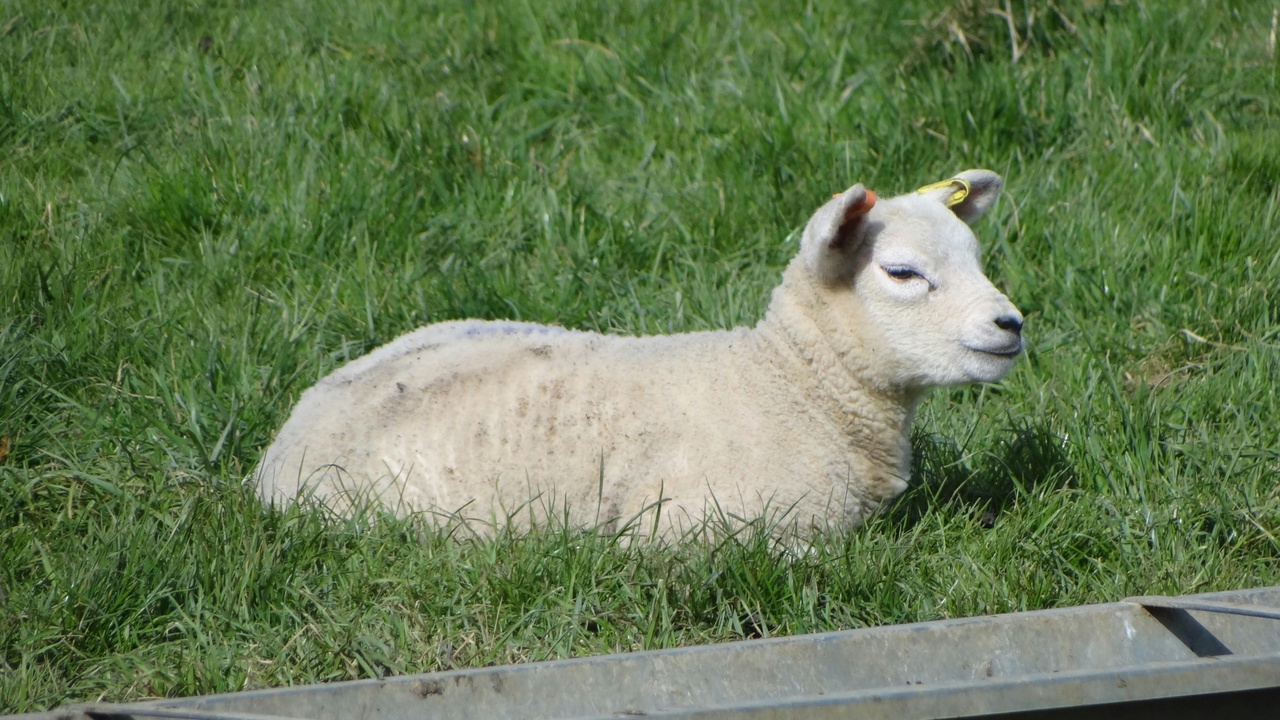
The sheep lifecycle covers mating seasonality, pregnancy, lambing, growth to market or breeding age, and eventual culling. Numerical milestones help with planning and flock turnover.
Typical lifespan in commercial flocks is around 6–12 years, while low-predation or pet sheep sometimes reach 12–20 years. First breeding commonly occurs at 12–18 months depending on size and management.
7. Reproduction and Gestation
Gestation averages about 145 days, and many temperate breeds are seasonal breeders, mating in autumn for spring lambing. Some breeds and management systems use synchronization tools like progesterone sponges or the ram effect to time lambing.
Prolificacy varies: Finnsheep commonly average more than two lambs per ewe, while commercial flocks often target lambing percentages of 120–200 percent through crossbreeding and nutrition. Artificial methods such as AI and embryo transfer are used in breeding programs for specific genetic gains.
Practical implications include feed budgeting for pregnant ewes, housing needs for multiple births, and planning for fostering when multiples exceed maternal capacity.
8. Growth, Maturity, and Lifespan
Newborn lamb birth weights vary by breed and litter size; many lambs are weaned at 8–12 weeks. In meat systems, market weights commonly range from about 20 kg for light lambs up to 45 kg or more for heavy lambs, depending on target markets.
Store-lamb systems can finish animals to around 40 kg in 4–6 months under good pasture and supplementary feeding. Replacement ewes are often selected and bred at 12–18 months to maintain flock turnover and genetic improvement.
Longevity depends on management: commercial producers cull for productivity around 6–8 years, while conservation or pet animals may live considerably longer with lower reproductive demand.
Economic and Ecological Roles
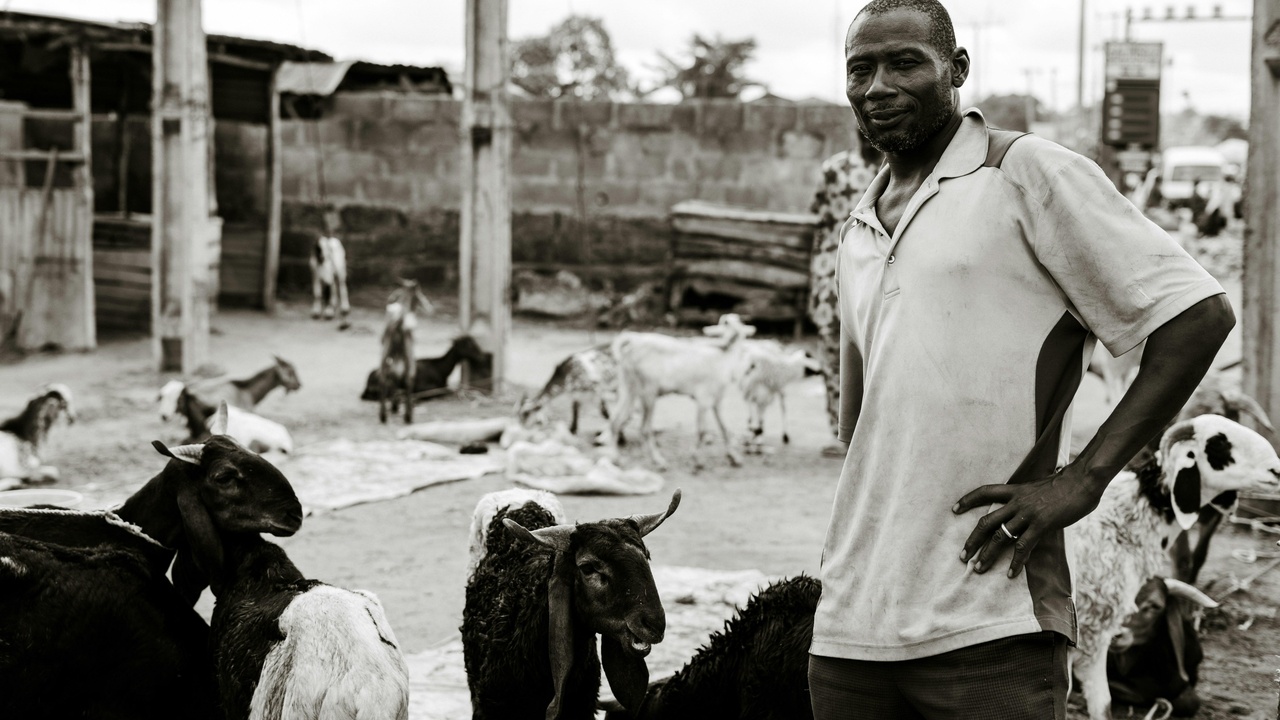
Sheep traits convert into wool, meat, and milk, while grazing behavior shapes vegetation, fire fuel loads, and habitat structure. The balance between production and landscape health depends on management choices.
9. Agricultural and Economic Value
The characteristics of a sheep underlie multiple revenue streams: fleece, lamb meat (lamb and mutton), and in some regions, milk for cheeses like Manchego. Major producers include Australia, China, and New Zealand, each specializing in different value chains.
Per-animal averages help with farm planning: common fleece yields are 2–10 kg/year, and carcass weights vary with breed and system. Commercial operations often track metrics such as kg wool per head and lambing percentage to model income and costs.
Value-added enterprises — cooperative wool marketing, specialty cheeses, and boutique apparel using fine wool — can increase returns for producers who match breed choice to market demand.
10. Environmental Impact and Grazing Behavior
Sheep grazing can either maintain open habitats and reduce fire fuels or, if overstocked, cause soil erosion, loss of plant diversity, and riparian damage. The outcome depends on stocking rates, timing, and rest periods for pastures.
Targeted grazing is an emerging tool: sheep are used to control invasive species such as medusahead and knapweed and to reduce fine fuels in vineyards or wildland-urban interfaces. Rotational grazing and riparian exclusions help protect waterways and promote desirable plant communities.
Practical guidelines exist for stocking by pasture type; following local extension recommendations and monitoring vegetation are the most reliable ways to balance production with conservation goals.
Summary
- Sheep combine distinctive physical traits (fleece, cloven hooves, compact bodies) with behavioral patterns (flocking, maternal bonding) that determine on‑farm management and product quality.
- Quantifiable measures — fiber micron counts (Merino ~11–18 microns), fleece yields (2–10 kg/year), gestation (~145 days), and lambing percentages — make breed choice and nutrition planning practical.
- Economically, one species yields wool, meat, and milk; countries like Australia and New Zealand drive exports while niche products (Manchego, fine-wool apparel) add value.
- Environmentally, grazing intensity and management (rotational grazing, riparian exclusions, targeted weed grazing) determine whether flocks help restore or degrade landscapes.
- For farmers and hobbyists: match breed traits to goals, monitor flock health and pasture condition, and contact your local extension service for stocking guidelines and lambing support.