In the 1850s Charles Darwin observed how predators seemed mechanically “fit” to catch prey — claws, teeth and behavior all shaped by diet — a line of thinking he expanded in On the Origin of Species (1859). Understanding predator traits matters for conservation planning, livestock protection and keeping ecosystems balanced. Farmers, wildlife managers and park visitors who grasp how predators hunt and reproduce can reduce conflicts and support recovery programs. This piece breaks down ten defining features grouped into three areas — anatomical & sensory, behavioral & ecological, and physiological & reproductive — explaining how each helps predators survive and why those traits matter for people and landscapes.
Anatomical and sensory traits
Physical form and sensory systems form the bedrock of predatory success. Teeth, skull shape and jaw mechanics determine how an animal processes flesh and bone; sensory organs tune predators to detect and localize prey; and body shape governs whether an animal chases or ambushes. Many of these solutions evolved repeatedly in unrelated groups — a process known as convergent evolution — so similar pressures produce similar tools, from serrated teeth to keener noses. A comparative image of skulls and sensory anatomy can make these parallels obvious: enlarged olfactory bulbs, forward-facing eyes, and blade-like teeth appear across mammals, reptiles and fish.
1. Sharp, specialized teeth for shearing and tearing
Many carnivores possess teeth adapted to slice meat rather than grind vegetation. In mammalian carnivores, a carnassial pair — typically the upper fourth premolar and lower first molar — works like a pair of scissors to shear flesh and tendon.
The order Carnivora contains roughly 270–300 species (taxonomic estimates often cite about 279), and museum skull comparisons clearly show the pronounced carnassials in wolves and big cats. Practical uses include veterinary dentistry, forensic identification of bite damage, and museum exhibits that teach functional anatomy.
2. Powerful bite forces and jaw mechanics
Jaw musculature and skull leverage tune predators either for extreme bite force or rapid snapping. Bite force varies widely with ecology: bone-crushing specialists like spotted hyenas exert high pressure to access marrow, while ambush hunters emphasize quick closure.
As a high-end example, the saltwater crocodile’s bite force is often cited at around 3,700 psi, whereas big felids are generally in the several-hundred-psi range depending on measurement method. Biomechanical studies and reputable zoo publications document how muscle attachment points and leverage determine these performance differences, with direct implications for attack outcomes and livestock-defense strategies.
3. Enhanced sensory systems: smell, vision, and hearing
Many predators rely on one or more heightened senses to find prey. Olfaction, vision and hearing are emphasized differently depending on habitat and hunting time. Dogs and many canids have extraordinary olfactory capabilities used for scent-tracking, while owls depend on asymmetrical ears to localize rodents in darkness.
Sharks can detect blood at extremely low concentrations (often cited in parts per million to parts per ten million), and raptors combine sharp vision with rapid flight to intercept moving targets. These sensory specializations influence when and where predators hunt and support human uses such as conservation detection dogs or acoustic monitoring of nocturnal hunters.
4. Streamlined bodies and locomotor adaptations for pursuit or ambush
Predator body plans tend toward two primary strategies: pursuit (cursorial) or ambush (cryptic). Cursorial predators show limb proportions, muscle arrangements and endurance adaptations that favor sustained or high-speed chases.
The cheetah represents the pursuit extreme, reaching roughly 112 km/h in short bursts, while ambush specialists such as crocodiles rely on stealth and explosive acceleration from cover. Morphology — limb length, muscle fiber type and tail use — matches hunting style, which affects habitat needs and informs conservation actions like planning wildlife corridors and reducing vehicle collisions.
Behavioral and ecological traits
Beyond anatomy, behavior determines how predators interact with prey, competitors and humans. Hunting techniques, social systems, territory use and diet breadth shape ecological roles and influence conflict patterns. Well-documented events, such as the Yellowstone wolf reintroduction in 1995, illustrate how behavioral shifts ripple through ecosystems and why managers study predator behavior when designing interventions.
5. Predatory hunting strategies: ambush, pursuit, and cooperative tactics
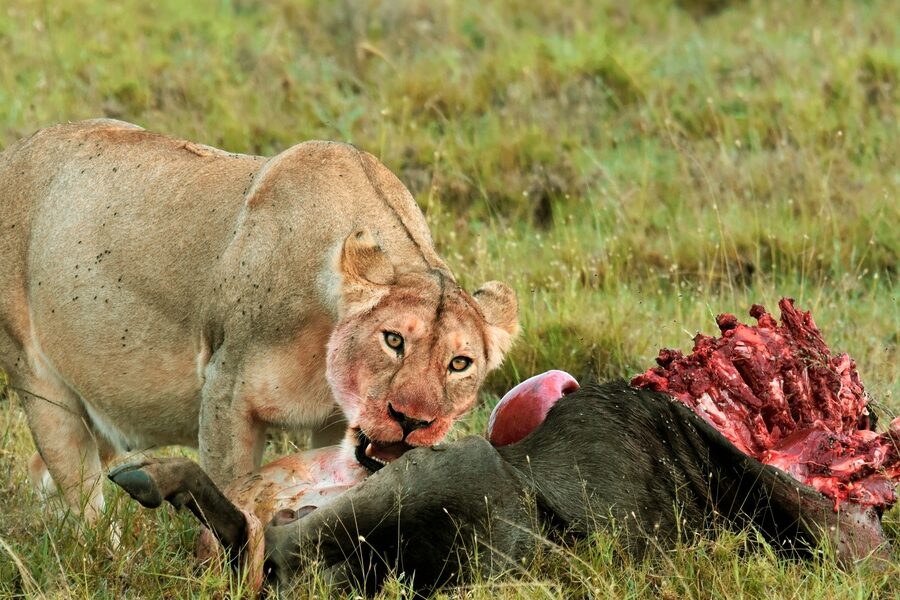
Carnivores employ a range of tactics matched to morphology and prey. Ambush predators like leopards rely on concealment and a short burst of power, while pursuit specialists such as cheetahs and wolves depend on speed and endurance.
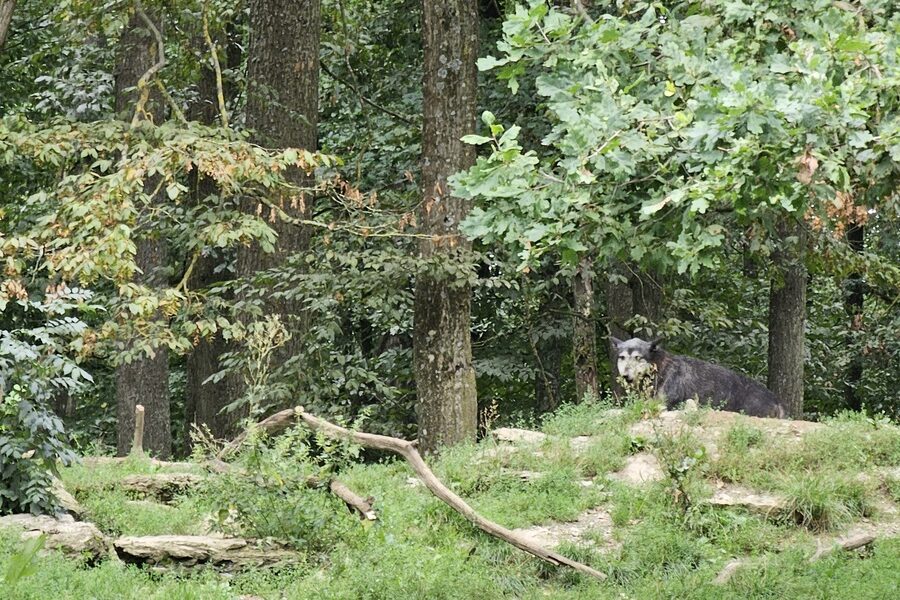
Cooperative hunting appears in species from wolves to orcas and raises capture success for large prey; ecological studies report higher per-capita success for coordinated groups when taking down ungulates. That advantage comes with trade-offs, including more competition for carcass shares and greater demand for territory to feed a group. Understanding these tactics helps predict livestock predation patterns and design effective non-lethal deterrents.
6. Territory, home range, and resource control
Many carnivores defend territories or maintain large home ranges to secure food and mates. Home-range size scales with prey density and body size: wolf pack territories can span from tens to several hundred square kilometers depending on habitat, while tigers commonly hold areas on the order of 60–100 km² where prey are less dense.
Territorial behavior influences population density and dispersal patterns, and human-driven habitat fragmentation reduces viable territories, increasing conflict and local extinctions. Conservation organizations and field studies emphasize landscape connectivity and prey management to keep territories functional.
7. Diet specialization versus opportunism
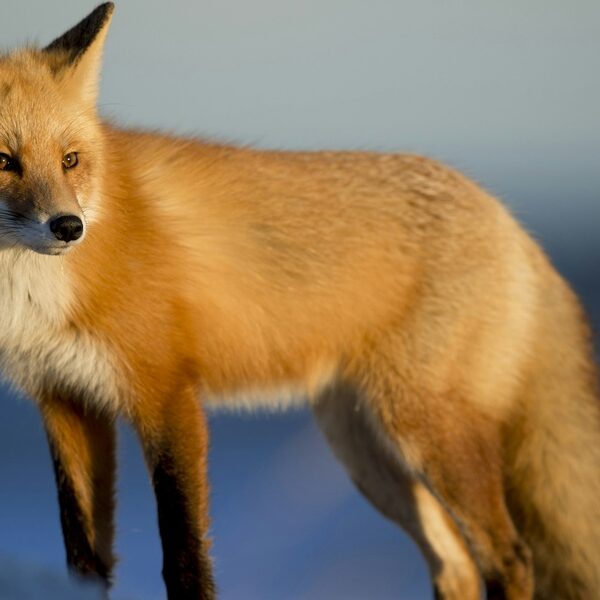
Carnivore diets lie on a spectrum from obligate meat-eaters to flexible generalists. Domestic cats are obligate carnivores that require nutrients such as taurine and arginine, while coyotes and red foxes exhibit opportunistic feeding that includes fruit, rodents and human refuse.
Specialists suffer when preferred prey decline, making them vulnerable to ecosystem change. Generalists often adapt to human-dominated landscapes and can thrive near settlements. Management implications include avoiding supplemental feeding, which can alter natural behaviors and disease dynamics.
8. Role in ecosystems: apex, meso-, and keystone predators
Many carnivores have outsized effects on ecosystems. Apex predators regulate herbivore populations and behavior, sometimes producing trophic cascades that reshape vegetation and even river dynamics. The Yellowstone wolf reintroduction in 1995 is often cited as a case where changes in elk behavior and numbers contributed to vegetation recovery along riparian zones.
Removing top predators can cause mesopredator release, where smaller predators increase and alter prey communities. Maintaining predator diversity supports ecosystem resilience, disease control and biodiversity, which provides direct and indirect benefits to people.
Physiological and reproductive traits
Life-history traits such as digestion, metabolism, reproductive timing and parental care determine a predator’s resilience. Digestive systems and nutrient needs reflect dietary specialization, while reproductive rates and social care strategies influence population recovery after declines. These factors matter directly for captive breeding, reintroduction programs and anti-poaching priorities.
9. Metabolic and digestive adaptations for meat digestion
Many carnivores have shorter intestines and digestive enzymes tuned to protein and fat assimilation. Compared with herbivores, carnivores typically show faster gut transit times and fewer fermentation chambers, reflecting a diet low in plant fiber.
Obligate carnivores also require specific nutrients from animal tissue: domestic cats need dietary taurine and can suffer deficiency if fed inappropriate diets. These physiological facts guide captive feeding, rehabilitation protocols and release programs where nutritional adequacy affects survival.
10. Reproductive strategies and parental care
Carnivores show diverse breeding systems, from solitary breeders like tigers to social breeders such as wolves that rear young cooperatively. Litter sizes vary: wolves commonly produce about 4–6 pups per litter, while many large cats have smaller litters; lion cubs are typically weaned around 6–7 months of age.
Social systems and parental investment strongly affect juvenile survival. Species with slow reproduction and long parental care — for example, tigers and polar bears — recover more slowly after population losses, making anti-poaching and habitat protection priorities for conservationists.
Summary
- Anatomy and senses — teeth, jaws, smell, sight and hearing — provide the mechanical and sensory tools predators need to capture and process prey (think carnassials, strong bites and keen noses).
- Behavior and ecology — hunting tactics, social systems and territory use — determine how predators affect populations and landscapes, as illustrated by the Yellowstone wolf reintroduction (1995).
- Physiology and life history — digestive specialization, metabolic needs and reproductive rates — shape vulnerability and recovery potential; domestic cats’ taurine requirement is a clear practical example.
- Understanding these characteristics of carnivores improves coexistence strategies and conservation outcomes; supporting predator-friendly policies and learning from reputable organizations helps protect both people and wildlife.