Early explorers in the Mediterranean noted entire hillsides covered in low, woody shrubs—plants that resisted grazing, drought, and fire and shaped local livelihoods for centuries. Those accounts still matter: scrub-dominated landscapes influence biodiversity, fire risk, grazing economies, and restoration choices across much of the dry world.
Scrubland is defined not by a single feature but by a consistent set of physical, ecological, and human-linked characteristics that make these ecosystems unique, resilient, and worth conserving. For example, the Cape Floristic Region contains roughly 9,000 vascular plant species, many of them endemic (cite IUCN, SANBI), which shows how species-rich these areas can be. This article outlines seven defining traits—grouped under physical/climatic form, ecological roles, and human uses and threats—and notes where authoritative citations (IUCN, FAO, USDA, regional bodies) should be added to support claims.
Physical and Climatic Characteristics
The first group of defining traits concerns physical form and climate patterns: the low, woody structure of vegetation, semi-arid or seasonally dry climates, and disturbance regimes like fire. These factors jointly determine plant morphology, fuel accumulation, and soil processes across chaparral, maquis, mallee, and related vegetation types.
1. Dominant vegetation structure: shrubs and low woody plants
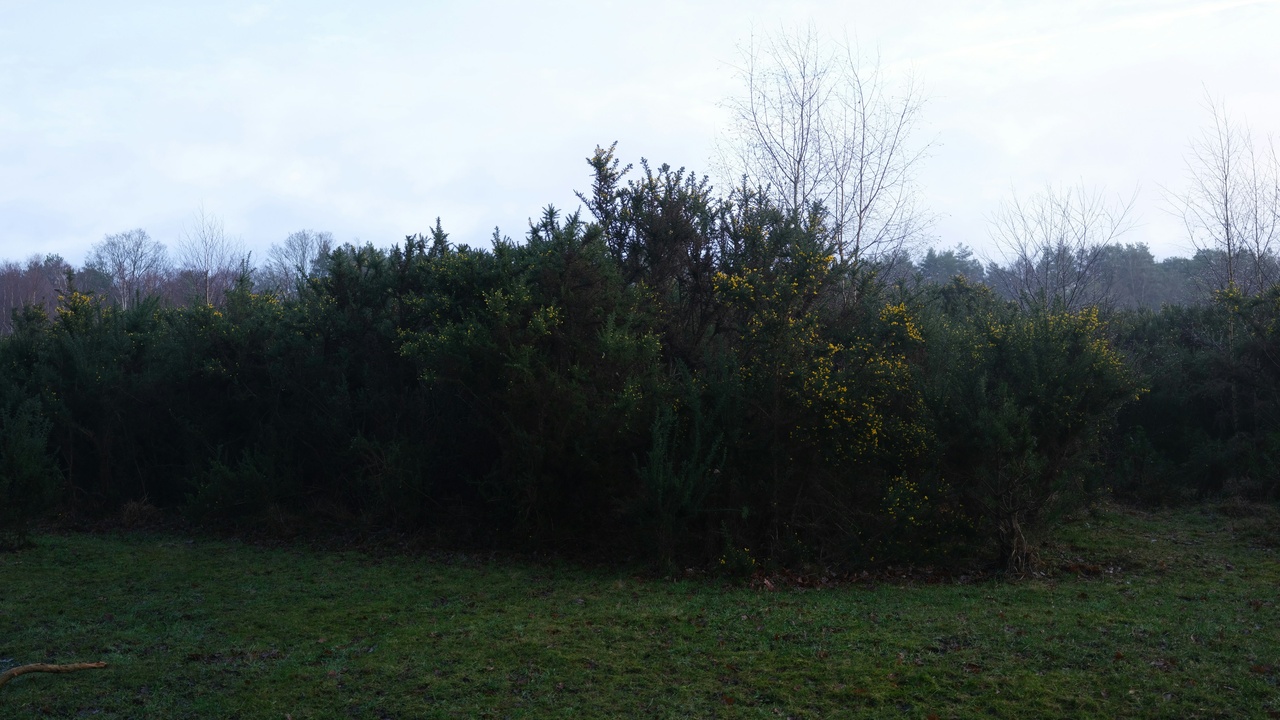
Scrub ecosystems are dominated by low, woody shrubs rather than tall trees or continuous grass cover. Typical plant heights run roughly 0.5–5 meters, and vegetation can form a dense canopy or occur as patchy thickets on rocky slopes.
Leaves and stems often show sclerophyllous traits—thick, leathery leaves that reduce water loss—and many species store reserves in lignotubers or thick roots for resprouting after disturbance. Examples include sagebrush (Artemisia spp.) in the North American steppe, manzanita in California chaparral, and Protea and restio species in South African fynbos.
Structurally, low woody plants influence visibility across the landscape, create abundant fine fuels that affect fire behavior, and determine forage quality for grazers. That mix makes scrublands distinct from forest and grassland both ecologically and for human uses.
2. Climate and rainfall patterns (seasonal dryness and variability)
Scrub-dominated systems are typically associated with semi-arid climates or Mediterranean-type climates with strong seasonality. A useful rainfall guide is roughly 200–800 mm per year, depending on latitude and elevation, with Mediterranean regions receiving winter rain and dry summers and arid zones showing highly variable totals.
Köppen climate classifications often used to describe these zones include Csa/Csb (Mediterranean) and BSh/BSk (semi-arid). Climate patterns shape species composition: deep-rooted shrubs appear where seasonal droughts prevail, while shallow-rooted, opportunistic species dominate where rainfall is erratic.
Temperature ranges and drought frequency further drive water-use strategies, from sclerophyllous leaves to extensive root systems, with clear examples across the Mediterranean Basin, southwestern Australia’s mallee, South Africa’s Cape, and interior North American shrublands.
3. Fire-adapted ecology and disturbance regimes
Many scrubland ecosystems are adapted to recurring fires, with fire-return intervals that vary by region: chaparral often burns on decadal to multi-decadal scales (roughly 30–150 years in many areas), while some Australian shrublands experience more frequent cycles (around 20–40 years). Exact intervals depend on climate, fuels, and human ignition patterns.
Plants use several fire-response strategies: resprouting from lignotubers or thick roots, storing seed banks in soil, or producing fire-stimulated seed release (serotiny). Examples include rapid resprouting in California chaparral and the seed-bank strategies of fynbos species in South Africa.
These regimes have management implications: prescribed burning can restore ecological function where fire has been excluded for too long, but inappropriate burning intervals can harm specialist species. Regional fire-ecology studies and forestry services provide necessary guidance for applied management.
Ecological Roles and Biodiversity
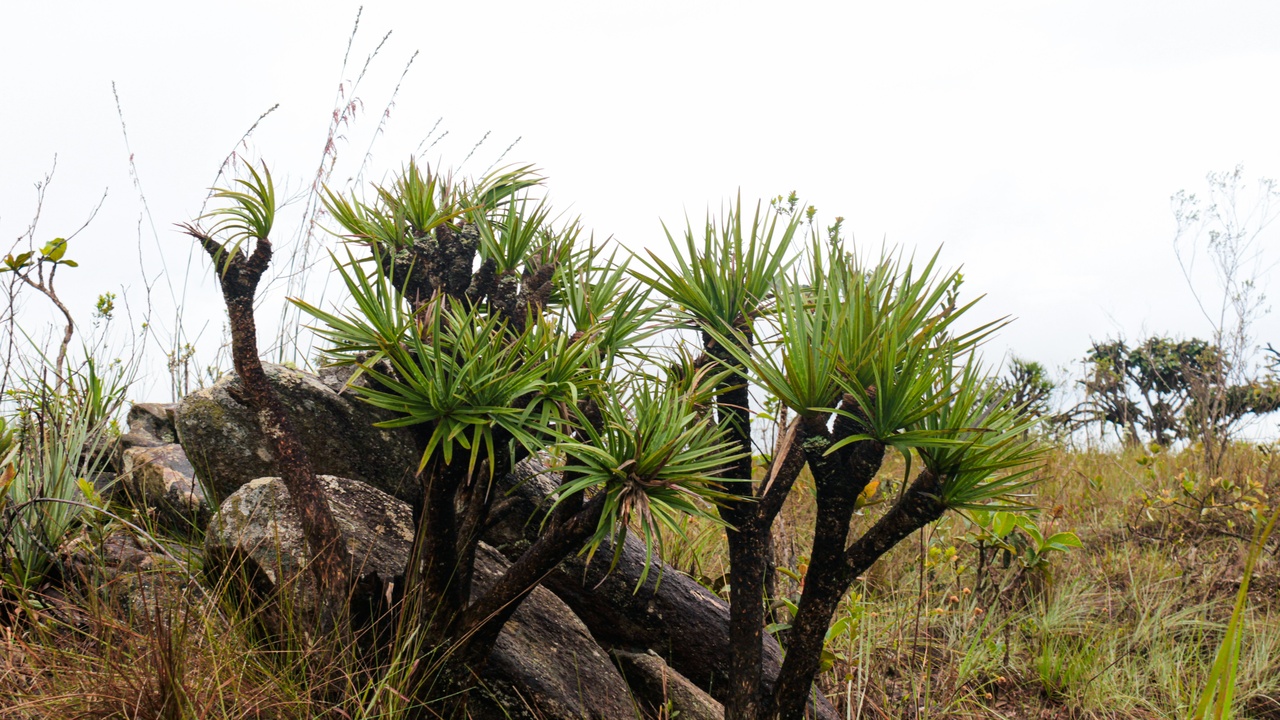
Scrubland supports distinctive biodiversity and provides ecosystem services that punch above its weight. Endemic-rich regions, complex plant-animal interactions, and functional roles like pollination and soil stabilization make these landscapes ecologically significant despite often low tree biomass.
Small areas of scrub can harbor disproportionately high species richness and specialized fauna, meaning conservation actions in these systems yield outsized biodiversity benefits (cite UNESCO, IUCN, SANBI as relevant).
4. Habitat for specialized and endemic species
Scrublands often harbor species found nowhere else. A striking example is the Cape Floristic Region, with roughly 9,000 vascular plant species and very high endemism (cite SANBI/IUCN for precise figures).
Animals adapted to shrub structure include the greater sage-grouse, which relies on sagebrush for nesting and winter forage, as well as specialist reptiles, pollinators, and small mammals that exploit microhabitats within thickets and open patches.
That structural complexity—patches of dense shrubs, bare ground, and seasonal herbs—creates niche opportunities that support tight plant–animal relationships and sustain regional biodiversity value.
5. Soil stabilization, nutrient cycling, and carbon storage
Beyond species lists, scrublands are important for soil protection and belowground carbon. Deep and spreading root systems anchor soils on slopes, reducing erosion and sediment delivery to streams, particularly after rain events on Mediterranean hillsides.
Aboveground carbon stocks are generally lower than in forests, but soils in shrub-dominated systems can hold substantial organic carbon. Global or regional soil-carbon estimates from FAO or IPCC should be cited to quantify these contributions (include FAO/IPCC figures where applicable).
Practically, this means scrub restoration can help protect watersheds, limit landslides on steep terrain, and contribute to landscape-scale carbon budgets when native vegetation is re-established or conserved.
Human Uses, Management, and Threats
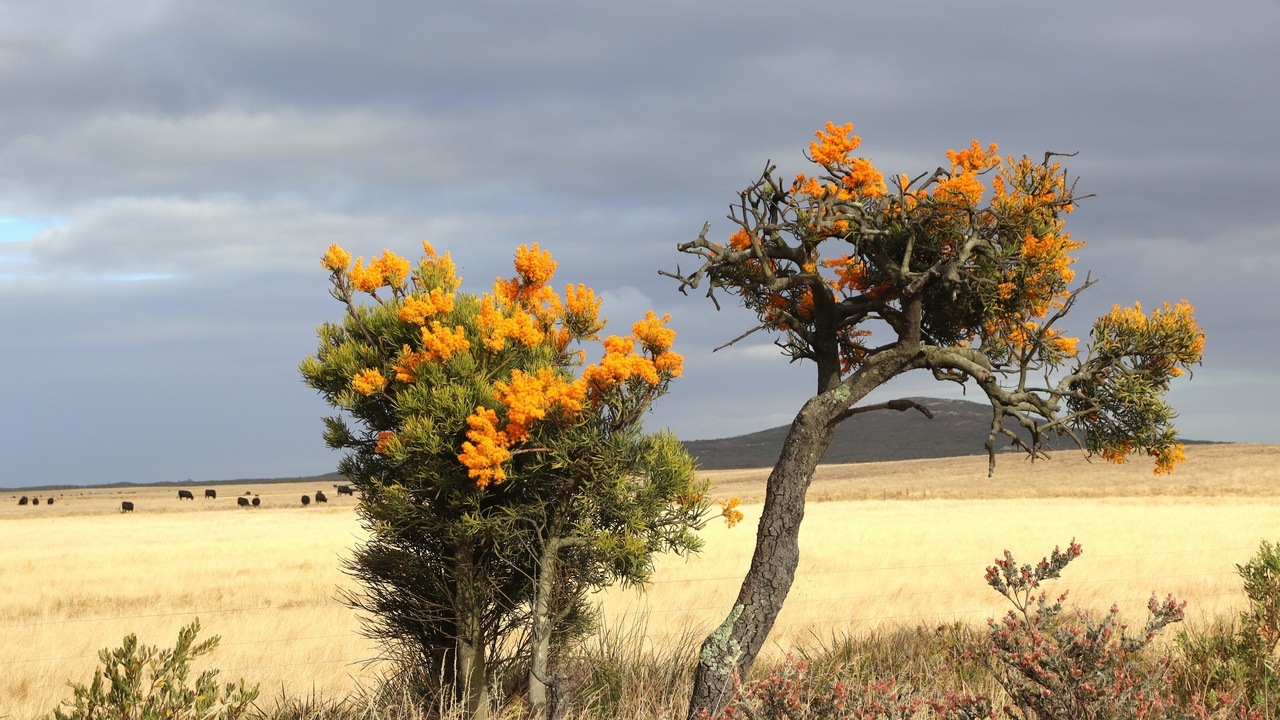
People have long used scrub landscapes for grazing, fuel, and cultural practices. Modern pressures—agricultural conversion, invasive species, and altered fire regimes—now threaten many shrubland types and call for active management and restoration.
6. Resource use: grazing, fuel, and cultural practices
Scrublands supply fodder, fuelwood, and traditional materials. Mediterranean dehesa and montado systems integrate oak savanna with grazing and cork production, while pastoralists in parts of Africa and Australia use shrub-dominated rangelands for sheep and goat grazing.
Land-use statistics vary by region; for instance, tens of thousands of hectares in Mediterranean Europe are managed as agro-sylvopastoral systems (cite regional agricultural statistics). Management involves trade-offs: moderate grazing can maintain open structure, whereas overgrazing leads to soil loss and vegetation degradation.
7. Conservation challenges and restoration approaches
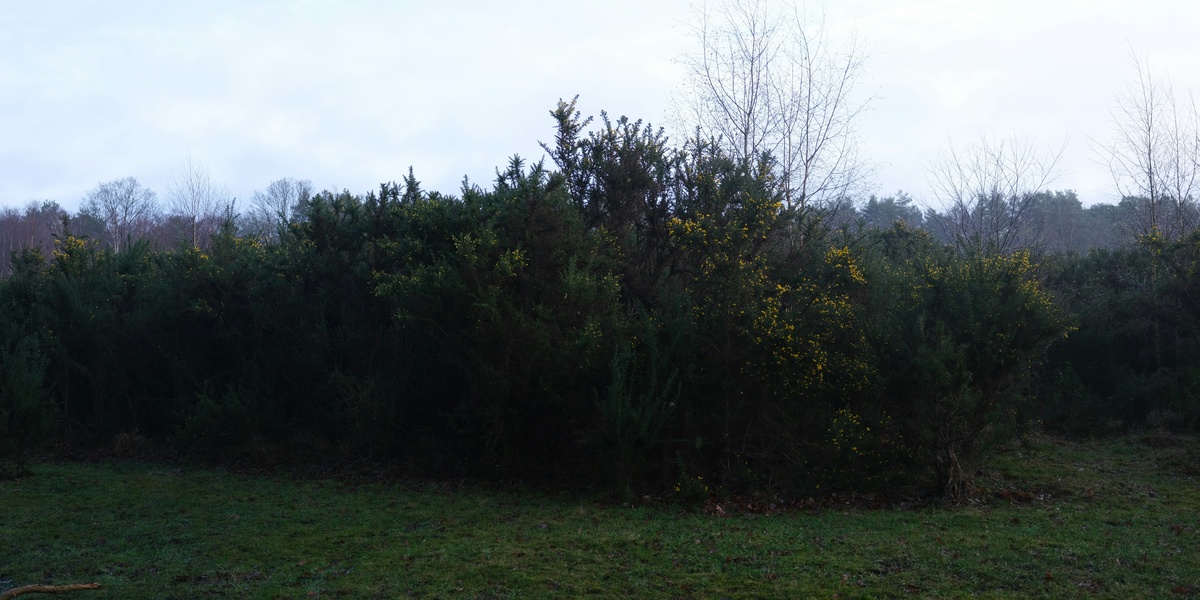
Primary threats include conversion to cropland or urban areas, invasive plants such as Prosopis or gorse (Ulex europaeus), and changes to historical fire regimes—either suppression that allows fuel buildup or overly frequent burning that prevents recovery of slow-growing natives.
Restoration tools include prescribed burning where ecologically appropriate, mechanical and chemical removal of invasives, managed grazing to control fuels, and replanting native species. Community involvement and monitoring are essential for long-term success.
Regional examples include fynbos restoration after the 2017 Knysna fires and invasive mesquite removal programs in arid rangelands; cite local conservation NGOs and peer-reviewed restoration studies for details and outcomes.
Summary
- Low, woody vegetation and water-conserving plant traits define scrublands’ physical form and fire-prone dynamics.
- Climate ranges (roughly 200–800 mm/year in many regions) and seasonal drought drive adaptations, making these shrub-dominated ecosystems distinct from forests and grasslands.
- Scrublands can be biodiversity hotspots (for example, the Cape Floristic Region) and provide crucial ecosystem services such as soil stabilization and carbon storage.
- Human uses—grazing, fuel, cultural practices—coexist with threats like land conversion, invasives, and altered fire regimes; active management and restoration are often required.
- Understanding the characteristics of scrubland helps prioritize conservation actions and local management strategies—support regional restoration projects, learn local fire ecology, and back policies that protect these unique landscapes.